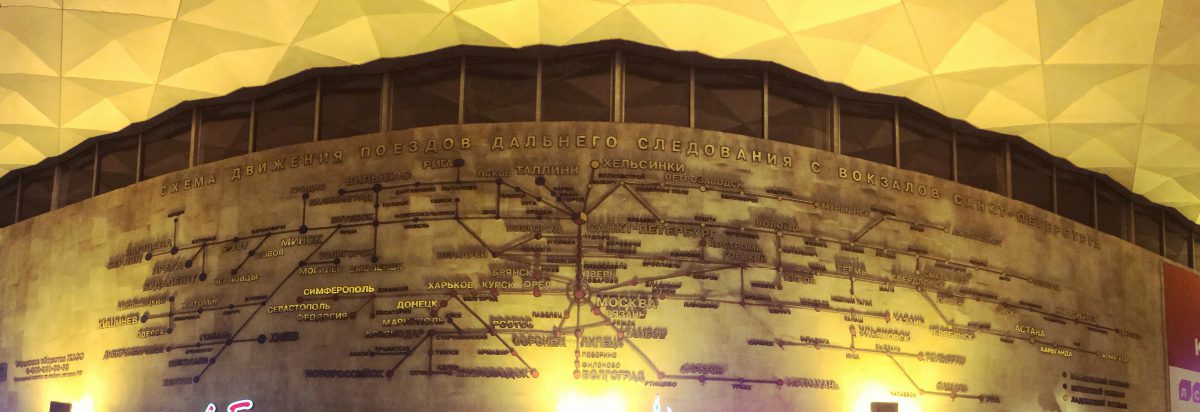
Kazan

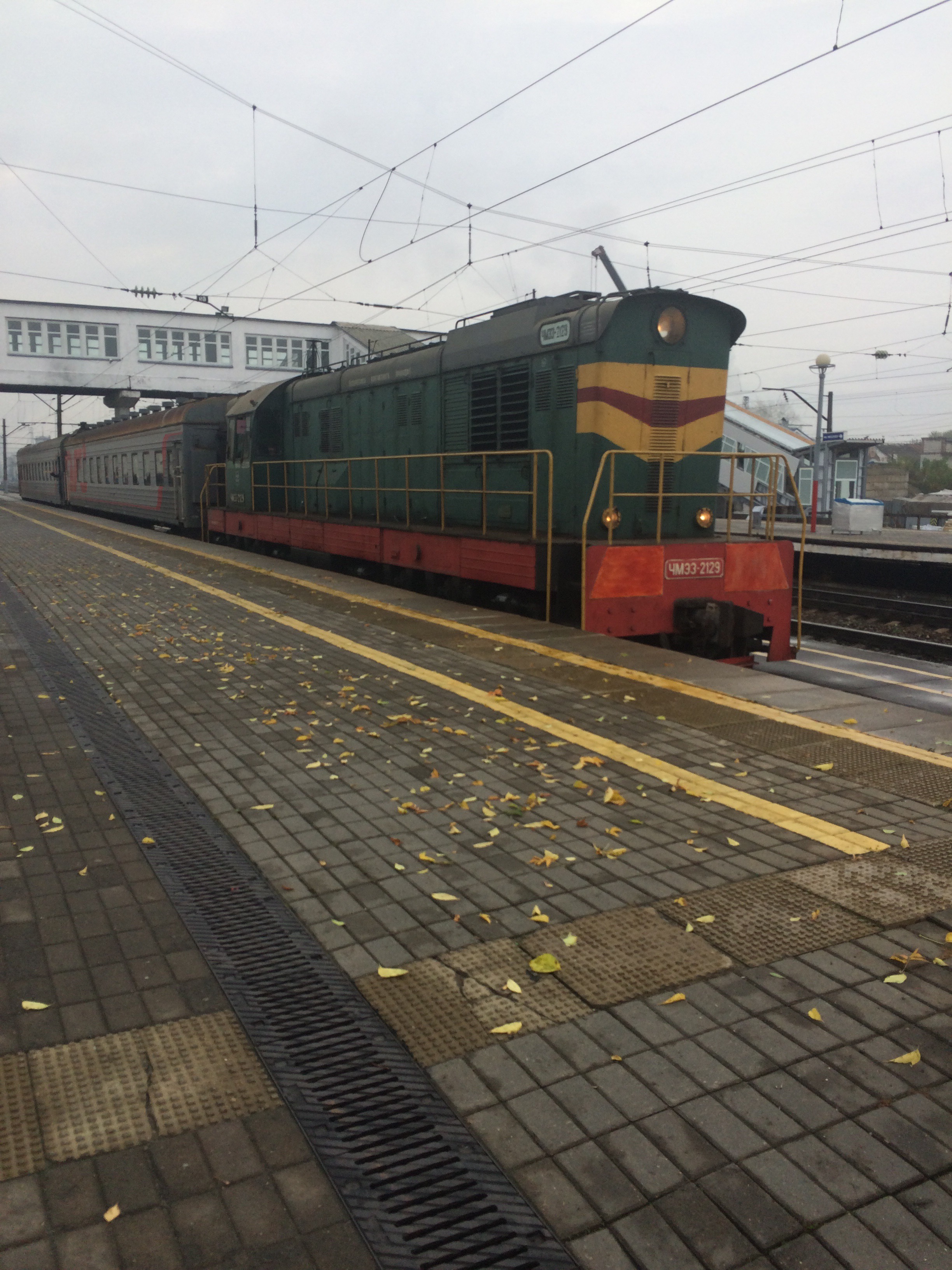
Our overnight train from Nihzny Novgorod to Kazan was relatively successful! Fortunately the guy in our compartment spoke some English and was able to help us with the train guards questions about chicken or vegetable meal options. Unfortunately, his feet smelled of cheese. You win some, you lose some! Our first experience of train food was a good one. 
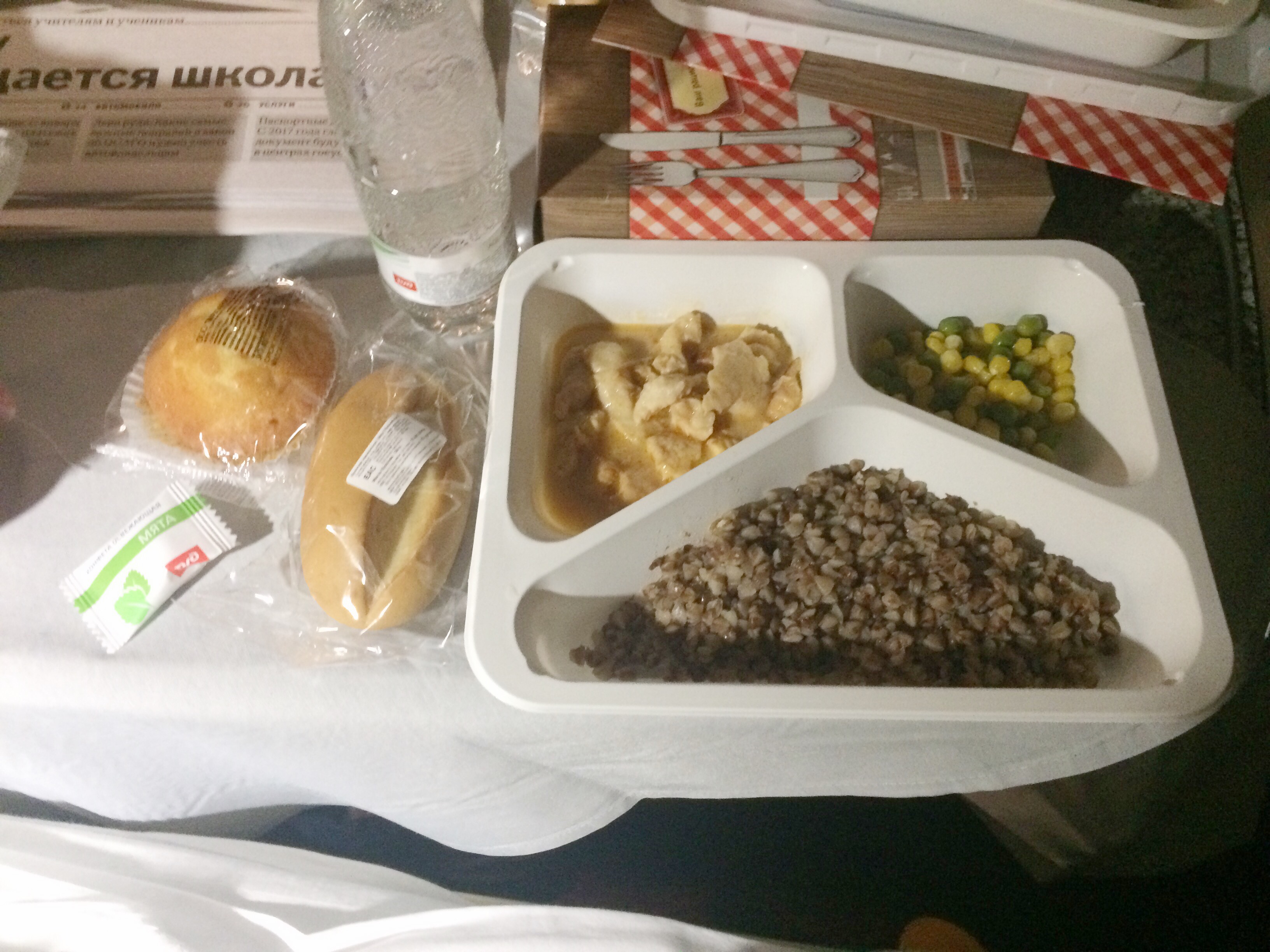

We had chicken in a sauce with bulgar wheat and veg, a little bread roll and a small cake! We even got a little pack with a toothbrush and a shoe horn! 
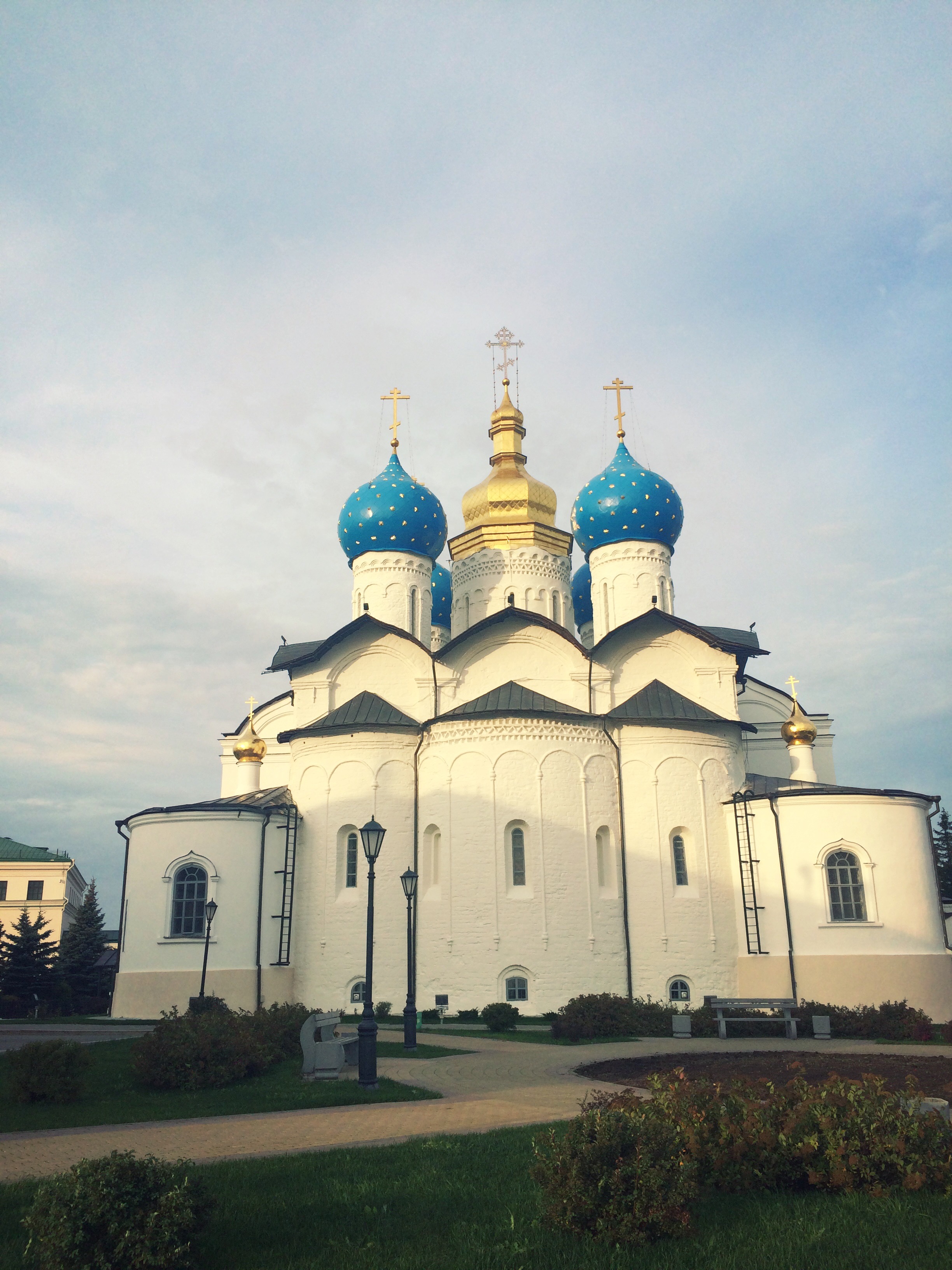

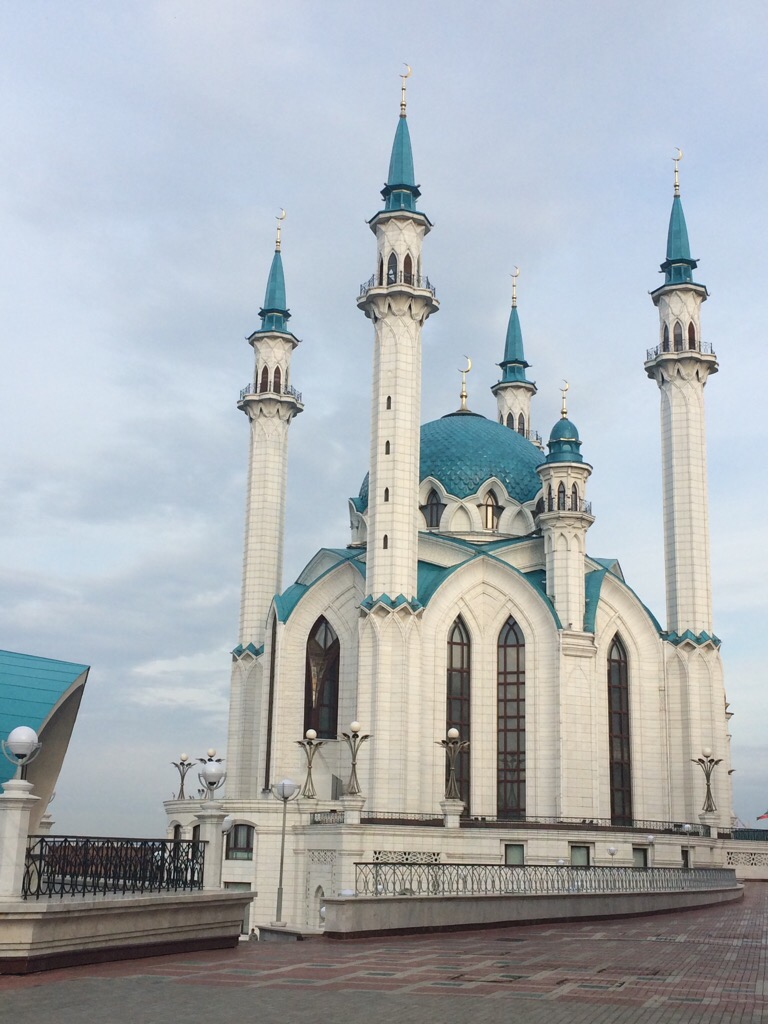
Once we arrived in Kazan (very early), we dropped our bags off at the hotel. It was raining and the temperature had dropped considerably, but nevertheless we headed off to explore the city. Kazan is the capital of the Republic of Tartasan and its people are a mix of Bulgar and Kipchack (Turkic nomads) descent. There is a mixture of religions in the city, with Orthodox churches and Sunni Mosques side by side in the Kremlin. The sight of the bright blue domes and spires is quite beautiful as you climb up to the Kremlin walls. Following the dissolution of the Soviet Union in the 80s/90s, Kazan became the centre of Tatar culture and has been a thriving city since then. 
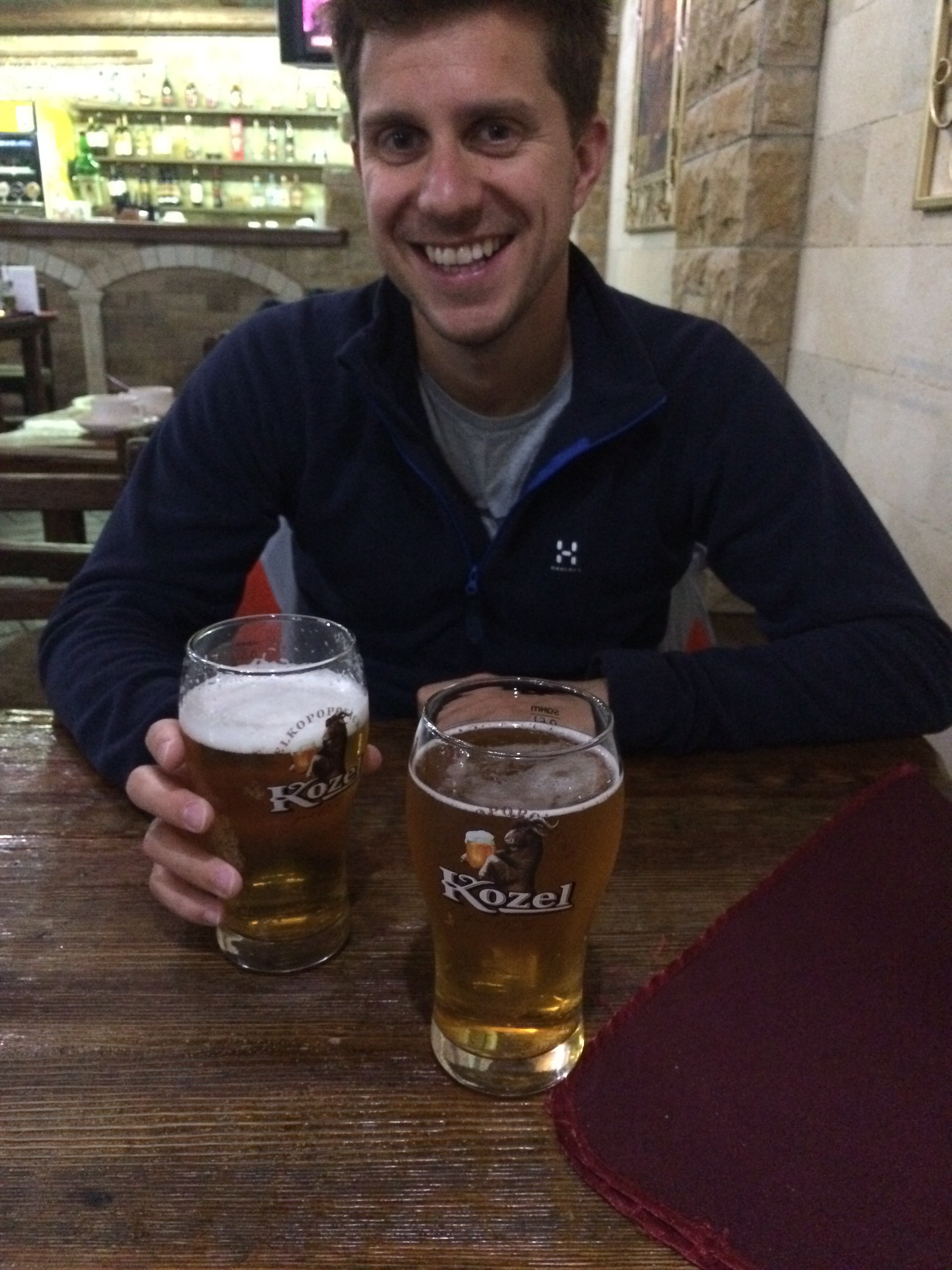

We headed back to our hotel after lunch and realised just how exhausted we are. We love travelling, and are trying to see as much of all these great cities as we pass through, but I think it finally caught up. After a mega nap, the only thing that we could think of doing was to eat pizza. So we found a pizzeria around the corner and with the help of Google Translate, we ordered two ginormous pizzas and a beer. Then Skype calls to family filled the rest of the evening. 
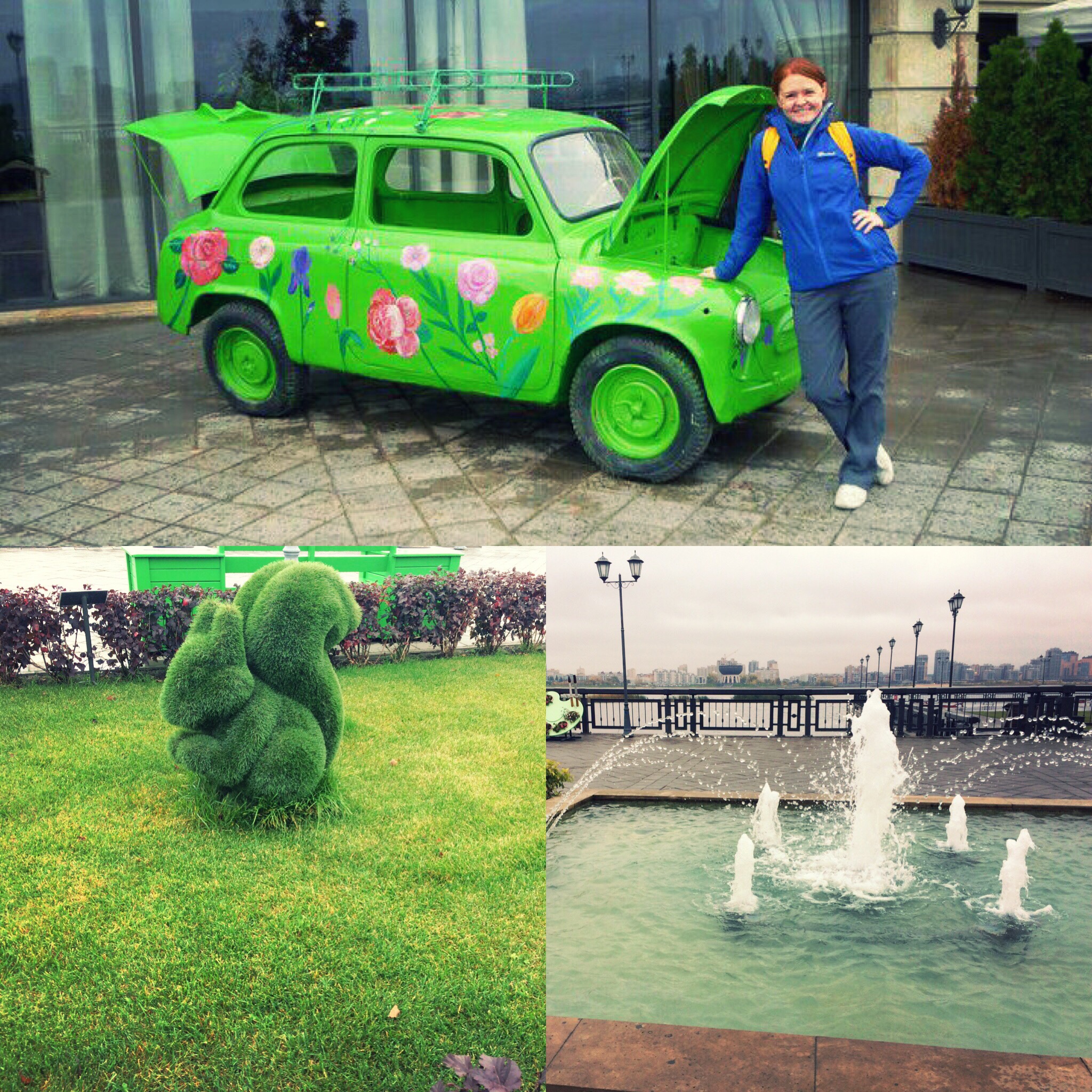

Our train to Yekaterinburg the next day wasn’t until the afternoon, so we headed out for a walk to the newly regenerated area by the river after breakfast. There were beautiful restaurants, French inspired architecture, grass sculptures, but not a lot of people. We did wonder if all of this regeneration is related to the World Cup 2018 event. The host cities appear to be having a face lift! 

Off we went to the train station for our 14 hour trip to Yekaterinburg. Praying for cheese-less foot companions this time 😷.

-F xx

Laundry, Cable Car and Coffee: Nizhny Novgorod

We got off the train. We found the Metro station. We knew the station we needed to go to. BUT, there were no ticket machines, and the woman at the kiosk showed us tokens we needed, but wouldn’t sell them to us. Instead she pointed us to another lady at a barrier, we walked to her and she pointed us back to the kiosk lady. We left the station. This breakdown in communication wasn’t the ideal start to our time in a Nizhny Novgorod, but such things are bound to happen occasionally. Having found token machines in another area of the station, we made our way to the Ibis (luxury for the night!), and were able to check in early.

After visits to two branches of Lavanderia, which turned out only to do dry cleaning, it was third time lucky when we arrived at what we believe is the only launderette in Nizhny Novgorod. Clothes washed, we headed back to the hotel and planned something more interesting for the next day, Thursday.

The next morning started with a quick run in park next to the hotel. We found some gymnastics bars there and as we stopped to do some pull ups (well, I had a gentle stretch), some middle aged Russian men showed off their actual gymnastic skills which was impressive!! Breakfast at the hotel was interesting, the options for the hot section were hotdogs, spam, steamed cauliflower and baked cottage cheese. Russia, you failed us on that one. I stuck to the fruit and pastries!


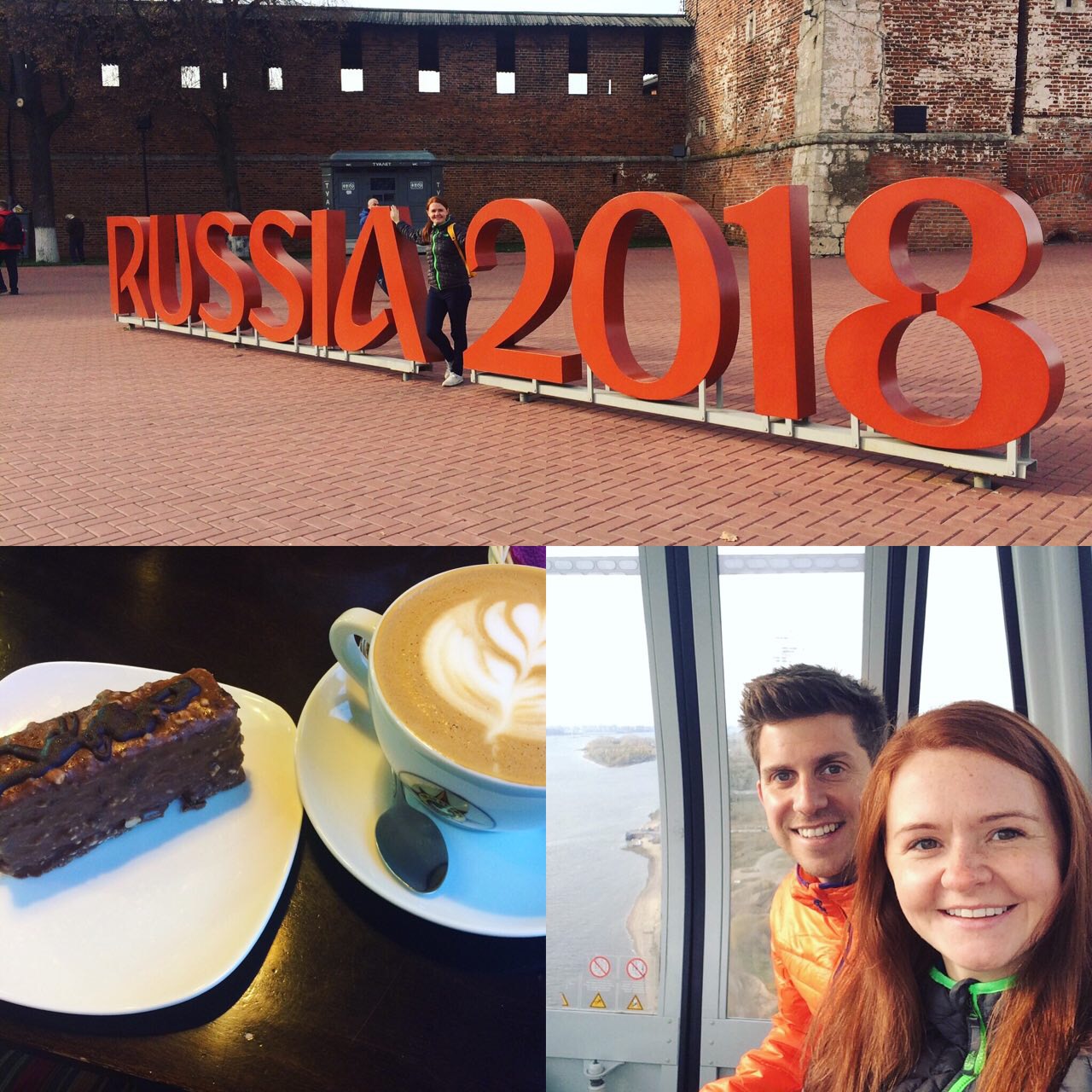
Fuelled from breakfast we headed to the cable cars which are used by locals to travel from one side of the large expanse of the Volga to the other. Having followed google maps dodgy looking route, we ended up down a back alley with a food kiosk, some locals and a closed gate near a cable car set up. Nothing seemed to be happening, but everyone was waiting in anticipation of something…so we hung around. Turns out they close the cable car from 10:45-13:00, but everyone starts queueing up at 12:20. Bizarre, but well worth the wait, as we got a spectacular view of the confluence of the Volga and the Oka rivers.


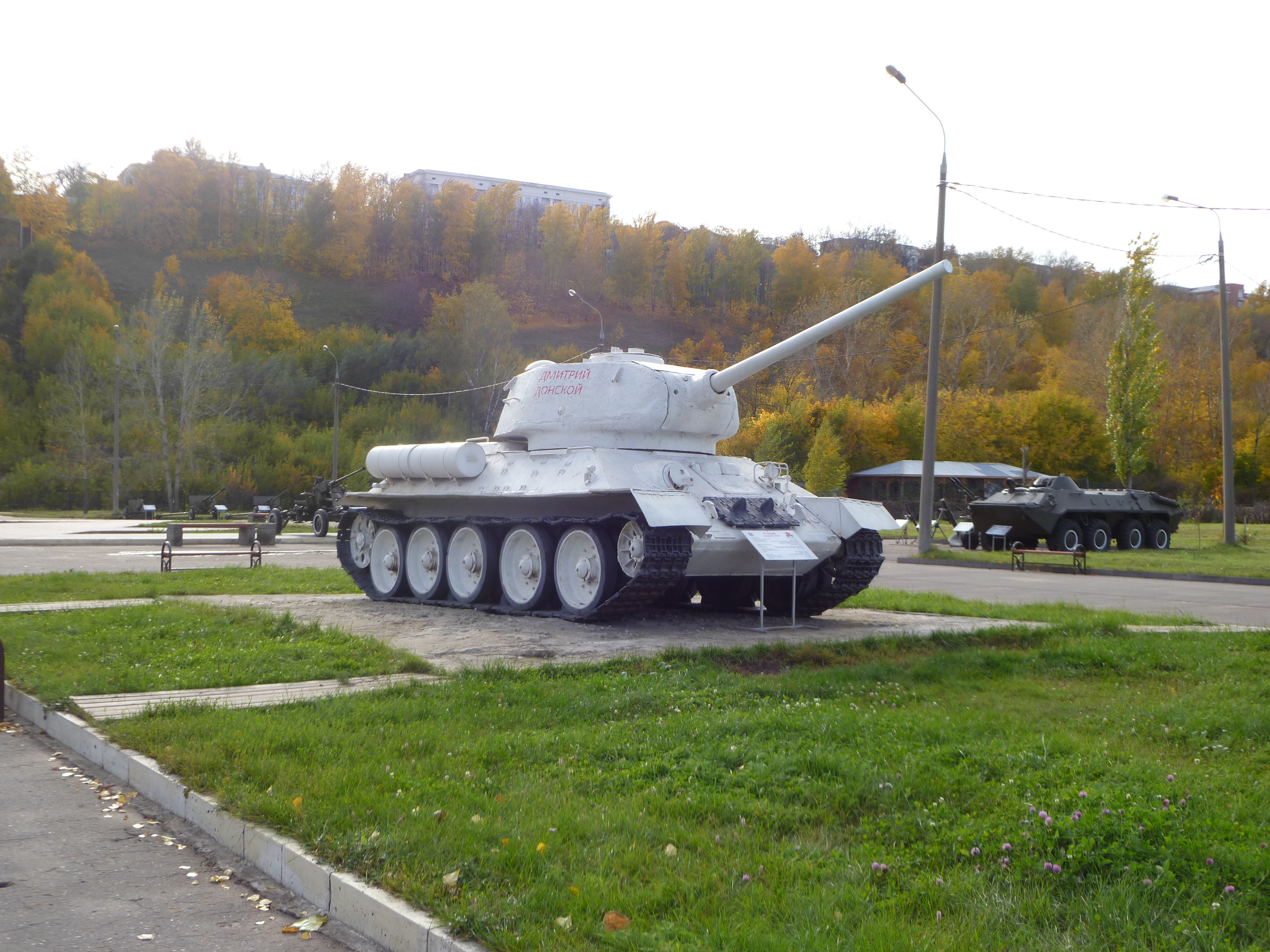
On our walk to check out the Kremlin, we found Victory Park, which had a collection of tanks and planes. We then had a very proud moment at lunch time. We went in a cafe that only had a Cyrillic alphabet menu, with a waitress that only spoke Russian and managed to order two soups (solyanka meat soup) and two coffees, with a little help from Google Translate! High on our victory, we walked along the walls of the Kremlin, taking in the sights of the city. Having had such a busy day, we found sustenance at Travellers Coffee, in the form of cake, and then headed off to board the 21:25 to Kazan.

F&G  

Early Mornings, Churches and Mosquitoes: Vladimir and Suzdal

We were up early on Tuesday to catch the 07:15 train from Moscow to Vladimir. Once in Vladimir, three hours later, we jumped on an ancient bus and made our way to the town of Suzdal, 36km away. Around 12,000 people live in Suzdal, so it felt a lot more relaxed than the busy streets of Saint Petersburg and Moscow.


Upon arrival, we headed for the Kremlin, passing several street stalls and shops along the way. The Kremlin is comprised of several houses, some churches and the Nativity of the Virgin Cathedral. The blue domes of the Cathedral are impressive, but its interior is most notable. The walls are adorned with gold decrotions and many paintings, while the ceiling includes intricately detailed golden chandeliers and views of the domes.


Later, we walked across the river to the Museum of Wooden Architecture and Peasant Life, which includes a number of wooden houses, two windmills and two churches. The buildings have been transported from other locations, and I’m pleased someone collected them, as they were a pleasure to see. Next, it was time for lunch. We ate in a Russian restaurant full of other tourists. The food was excellent, and we had our first experience of Russian honey beer, served lovingly in a one litre brown plastic bottle!

Once back in Vladimir, we made our way to our hostel. After a rest, we went out for some evening sightseeing. Vladimir has a number of standout buildings. We first saw the Golden Gate, in the centre of the city, and then the Kremlin. There’s a viewpoint listed in the Lonely Planet guide we have, but the described spectacular views of the Oka Valley were largely non-existent due to the dark night sky and the fog. Our view of the brilliant Assumption Cathedral, however, was unobstructed.

Due to the appalling bed, and my face being eaten by mosquitoes during the night, we were at the station well ahead of schedule for Wednesday’s 06:53 train to Nizhny Novgorod.

G.

Trans Siberian Railway 🚂

We like trains. So we decided to take the world’s longest railway journey! The Trans Siberian railway was completed in 1916 and connects Moscow on Russia’s west side to Vladivostok on the eastern coast. It is 9,289 km long, (5,772 miles). It has branches to China and Mongolia also. 


When we first started to plan, we saw that the Tran Siberian Express will take you across in 8 days. I can’t quite imagine being on a train for 8 days even if it does stop and let you off to stretch your legs! So we decided to visit as many places of interest along the way as we could rather than taking the express train. We have a restriction of 30 days to travel on our tourist visa, so we have a flight booked to Seoul from Vladivostok at the end of October. 


Our itinerary includes Moscow, Vladimir, Nihzny Novgorod, Kazan (a slight detour from the main route ), Yekaterinburg, Novosibirsk, Irkutsk, Ulan-Ude, Khabarovsk and Vladivostok. 
Keep ‘track’ of us as we travel…..(see what I did there? Track?!?!….because of the trains?! You’re right, it’s too early in the morning for puns. 🚂💨)

-F xx

Metro!Metro!Read all about it! 

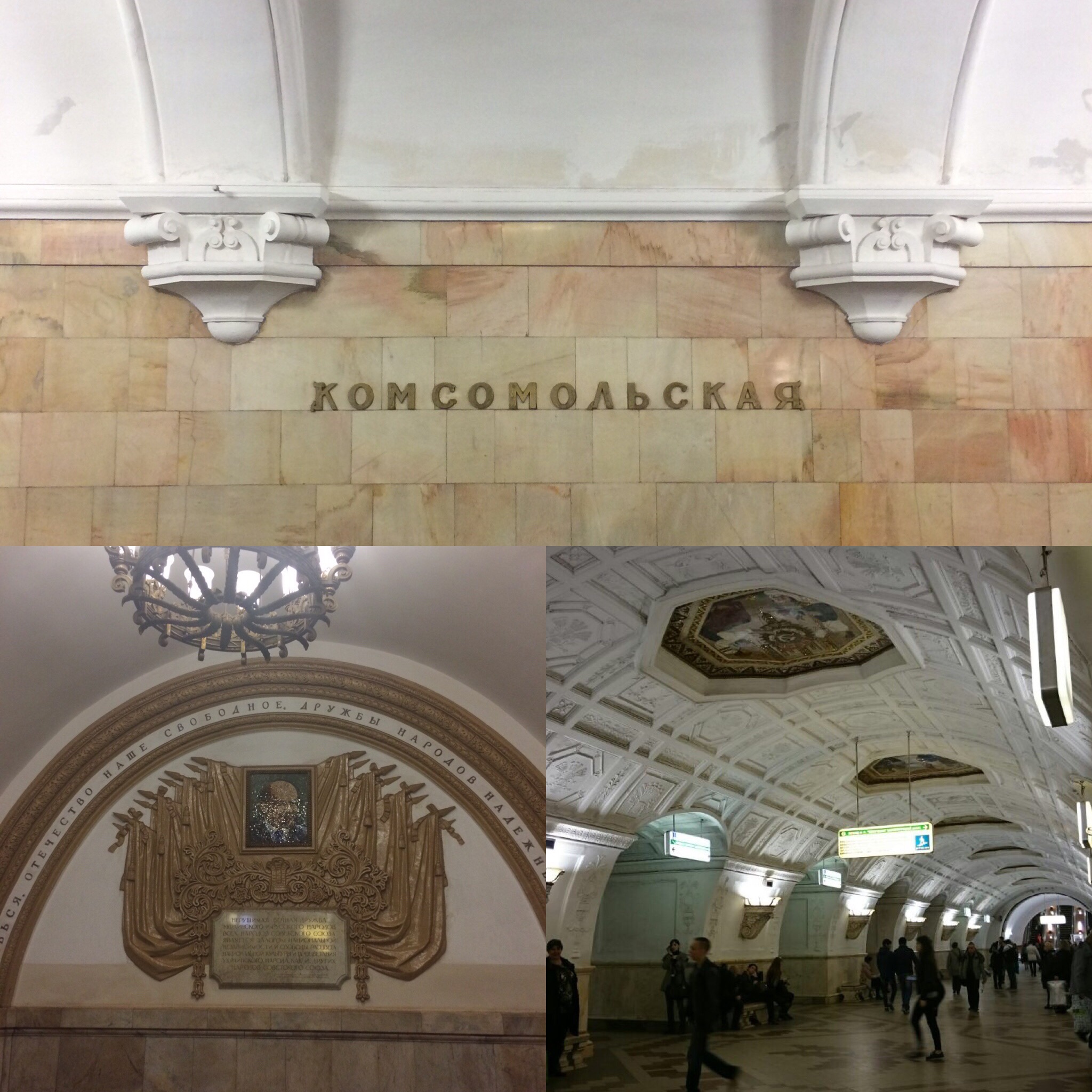
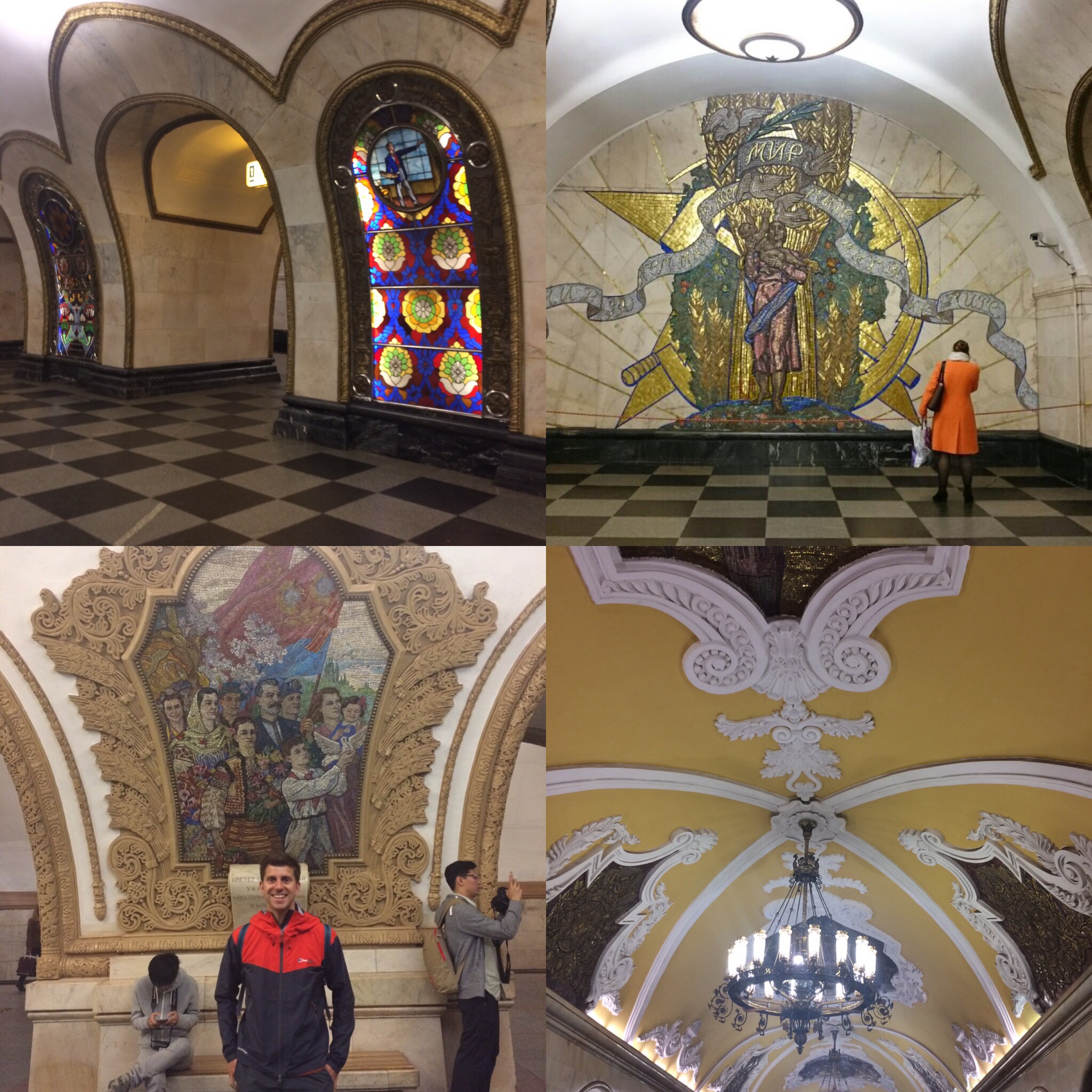
I thought it strange to see a ‘metro tour’ as one of the options when looking up activites in St Petersburg and in Moscow, but then I read a little bit more about them. Both cities have some beautiful metro stations, with striking architecture of typical soviet design. There is elaborate artwork and lighting combined with exquisite arches and columns. 
St Petersburg metro system is one of the deepest metro systems in the world and the station Admiralteyskaya is 86 metres underground, which takes about 3 minutes on an escalator. 


Moscow metro system was the first in the Soviet Union and one of the longest in the world! Our guide told us a story about the brown circle line that surrounds the city centre; when the plans for the metro were being drawn up, Joseph Stalin placed his coffee cup on the paper. When he lifted it up, it left a brown ring and the men in charge of the plans were to i frightened of him to ask if he meant to do that. So they built it! Cute story, but not true 🙂 That circle line has the most notable stations, with distinct ‘Stalinist’ features. 


If you find yourself in either city, grab a metro ticket and do a little tour, just maybe not at rush hour! 

-F xx

Good Morning Moscow

On Saturday evening we were excited about our first train journey in Russia. Having collected our bags from the luggage room, we waited for platform information about the 22:29 from Saint Petersburg to Moscow. Once onboard, we shared our cabin with a very pleasant Russian man and woman. After sleeping reasonably well, we emerged from the train at 05:57 feeling almost human. Result!


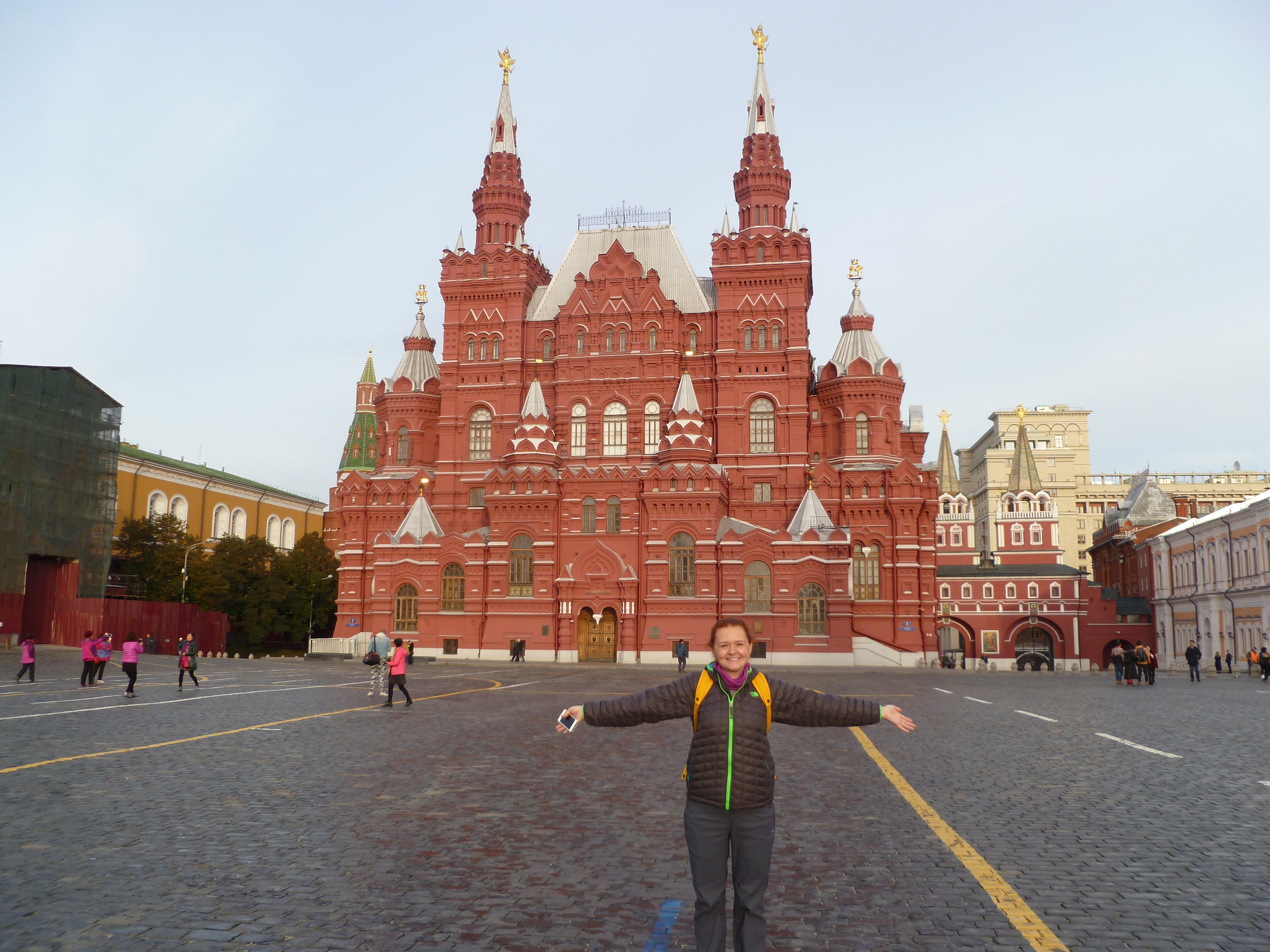
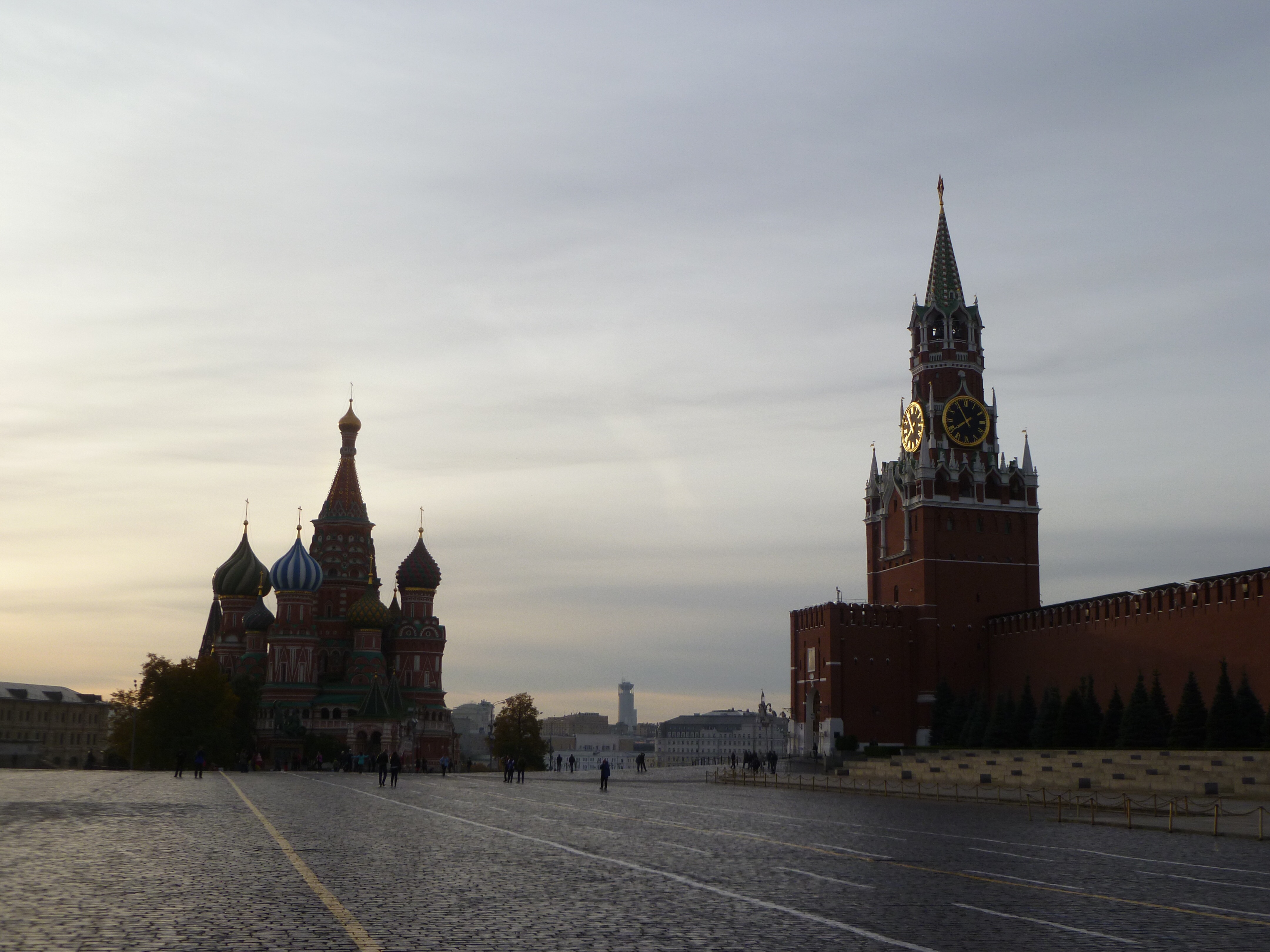
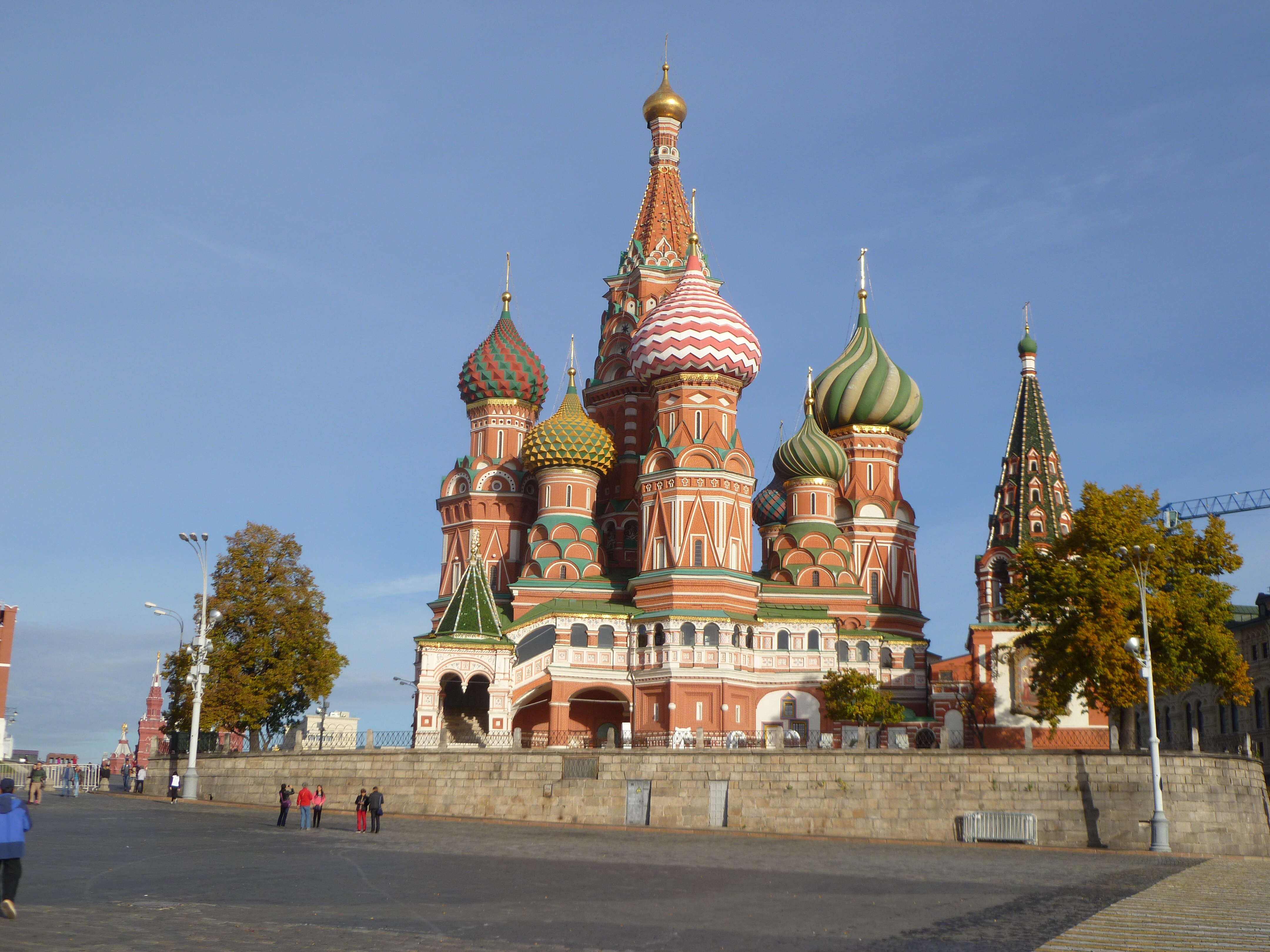
Setting foot in Red Square (red meaning beautiful in old Russian) before it became filled with thousands of selfie-crazed tour parties was an excellent idea. St. Basil’s Cathedral came in to view first, followed by the Kremlin, Lenin’s Mausoleum, the Russian State Museum and Gum shopping gallery. Seeing these buildings in person, having seen them many times on TV news and travel programmes, felt quite special.

Later, we joined a walking tour of the city, learning much about Moscow’s history. We walked through Kitay-gorod, passing many churches and historic buildings. We then walked back to St. Basil’s and heard stories about it being constructed under the rule of Ivan IV the Terrible. The tour ended in the Alexander Garden, which includes the touching eternal flame burning by the Tomb of the Unknown Soldier.


On Monday we spent some time checking out Moscow’s highly decorative Metro stations, and went inside St. Basil’s Cathedral in order to see the unusual shapes of the rooms and the many paintings on the walls. Our time in Moscow ended with a walk through the park near our hostel (Sad kultury i otdykha im. N.E. Baumana), with its colourful lights, statues and cafes.

G.

Санкт-Петербург (Saint Petersburg)

On Thursday morning we boarded a train to Saint Petersburg, ending our mini tour of Scandinavia in Helsinki. The train journey passed quickly, and, as expected, included several passport and visa checks. Almost immediately upon arrival into Saint Petersburg, it dawned on us just what it meant to be in a land where the alphabet is unrecognisable from the one with which we’re accustomed. Navigating our way to a hostel via a Metro doesn’t usually warrant a celebration. But this was different!

After several long days, we were both in need of a rest, and even more in need of a washing machine. After eating, and browsing the shops in Galleria, we were relieved to confirm that Russia is far less expensive than Copenhagen, Stockholm and Helsinki. And because we’re well brought up individuals, we washed our clothes (just so you know, Kathleen, Mam, Gran).


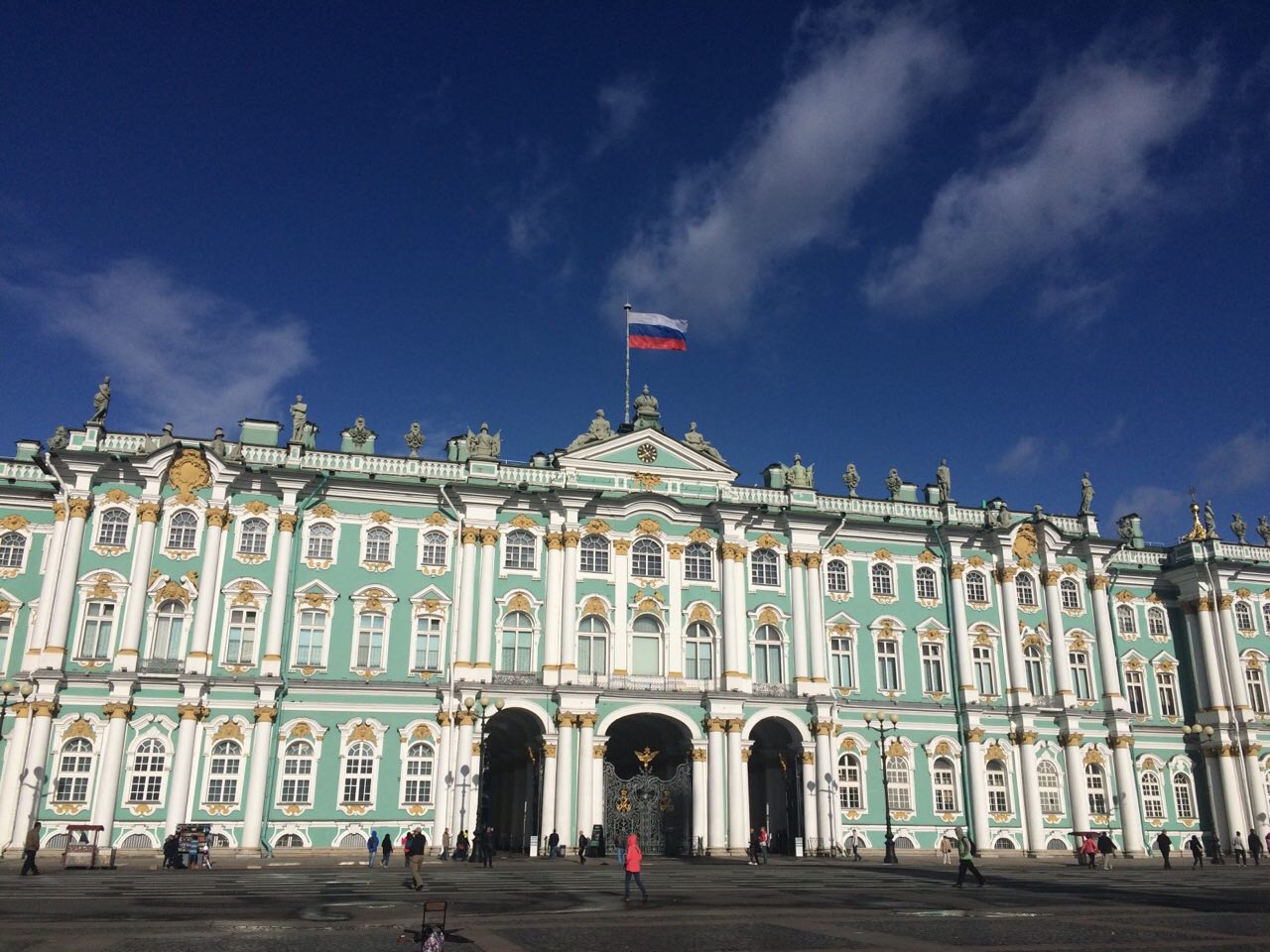
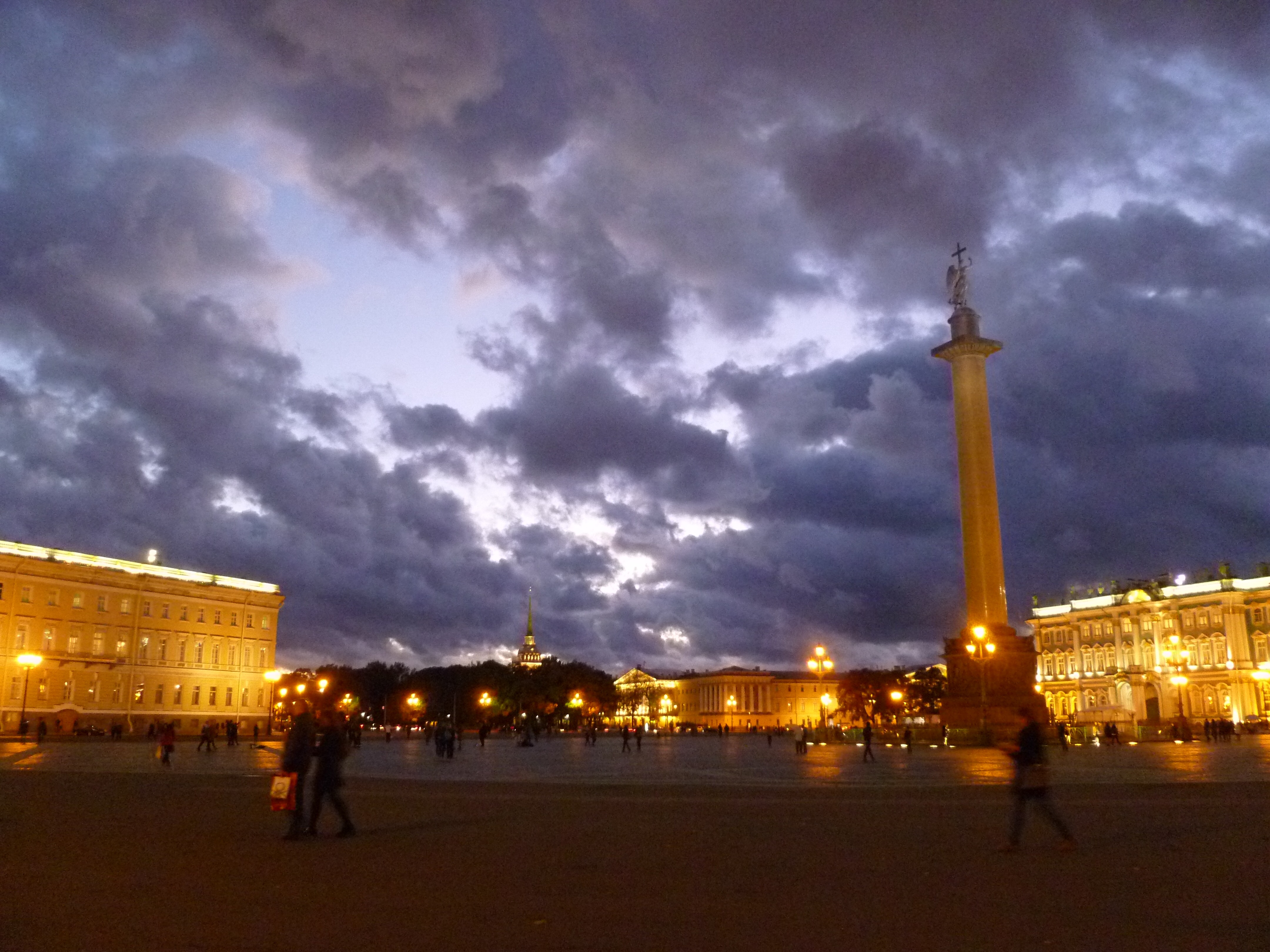
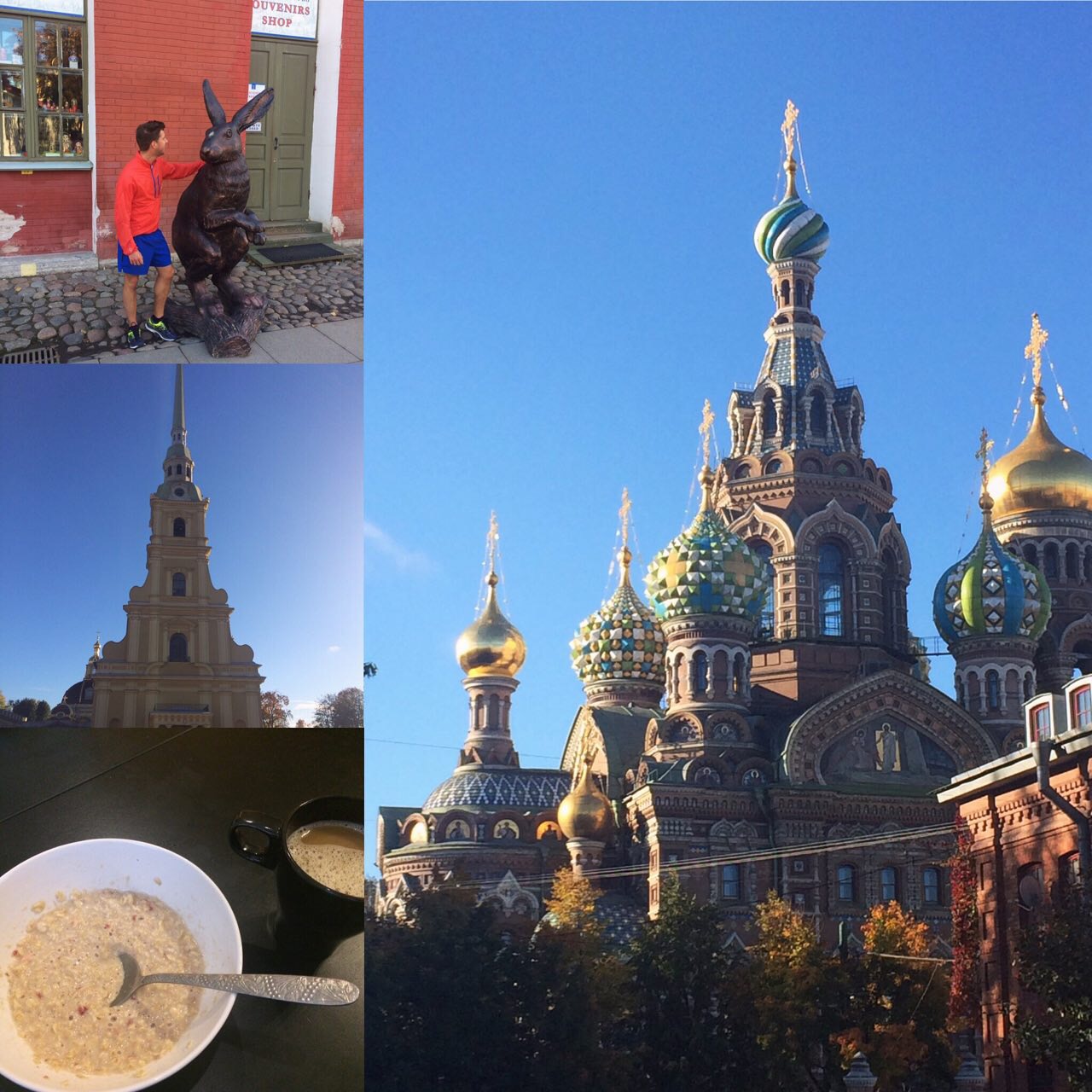
On Friday we were back in tourist mode. We joined a free walking tour of the city, where our guide, Irene, described some of Russia and Saint Petersburg’s history. Stops included the beautiful Winter Palace and Hermitage, Alexander’s Column, St. Isaac’s Cathedral and the lavish Church of the Saviour on Blood. The tour finished with our second walk of the day along the unbelievably long main street, Nevskiy Prospekt. We spent the afternoon at The Hermitage, which is one of the oldest and largest museums in the world, founded by Catherine the Great. It is spread over six huge buildings and it’s said that if you were to look at each item in The Hermitage for one minute, it would take you eight years to see everything! Firstly, we explored the grandeur of the Winter Palace’s elaborate décor, classical antiques and fine art from all around Europe. We later spent a couple of hours exploring the Gifts from the East and West and Art Nouveau exhibitions in the General Staff Building.


Saturday morning started with our first run in Russia. We ran from Nevskiy Prospekt Metro station, completed a lap of the Peter and Paul Fortress, which sits on an island in the Neva River, and then got the Metro back to the hostel. Having left our bags at the train station, ready for Saturday night’s journey to Moscow, we made our way to the Kunstkamera museum to check out its ‘curiosities’. The first museum in Russia, it was established by Peter the Great, who was fascinated by anatomical and human rarities. He displayed the collection publicly in an attempt to debunk the superstitious fear of monsters. Highlights included ‘two headed beast with brain hernia’ and a stuffed four legged chicken!

G

Hel yeah!

Things I didn’t know about Finland:
1. They only gained independence in 1917. 

2. They invented the Sauna (I thought it was the Swedes :S) 

3. They are crazy about karaoke (the largest ‘consumers’ of this in the world per capita. 

4. They don’t have a very big population. 


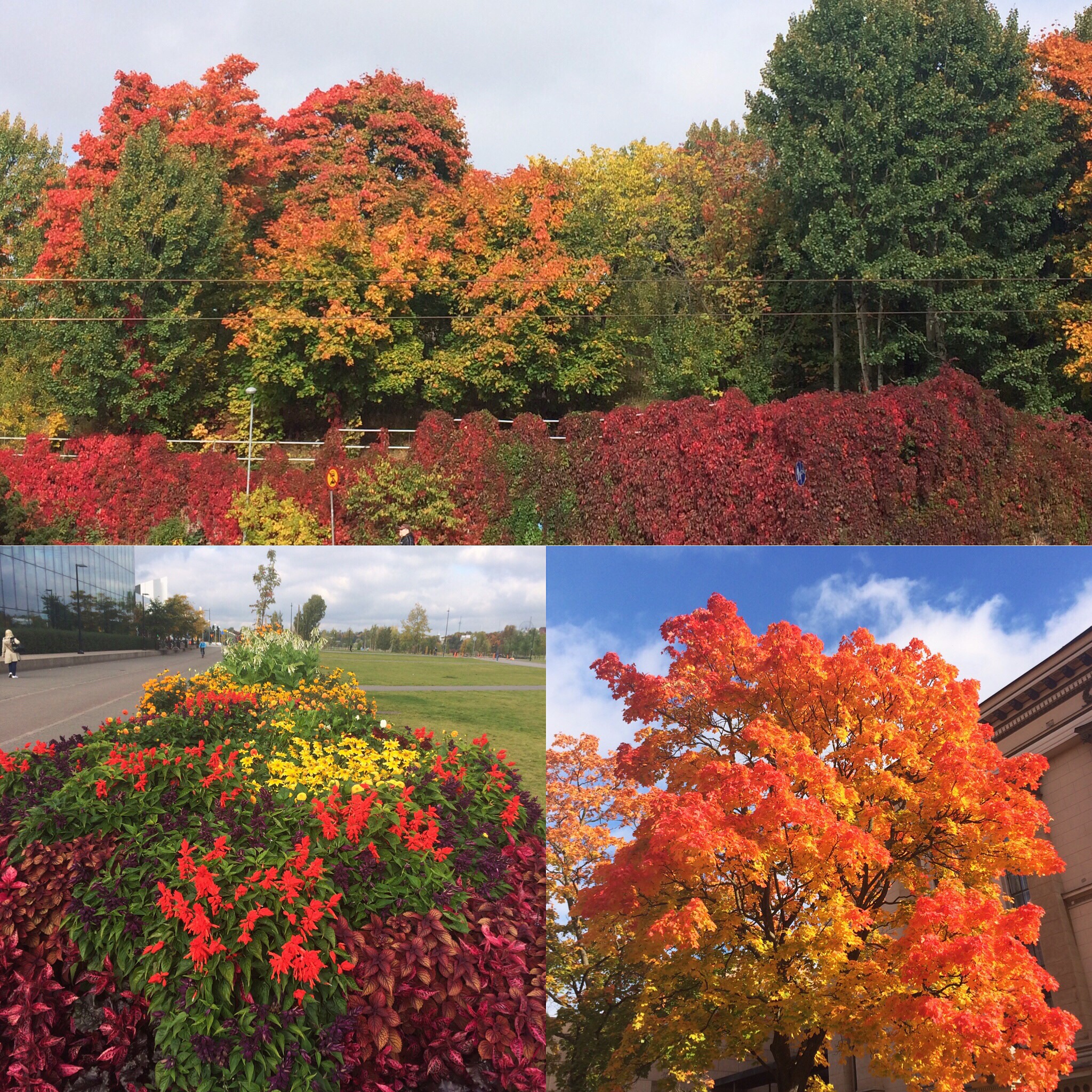
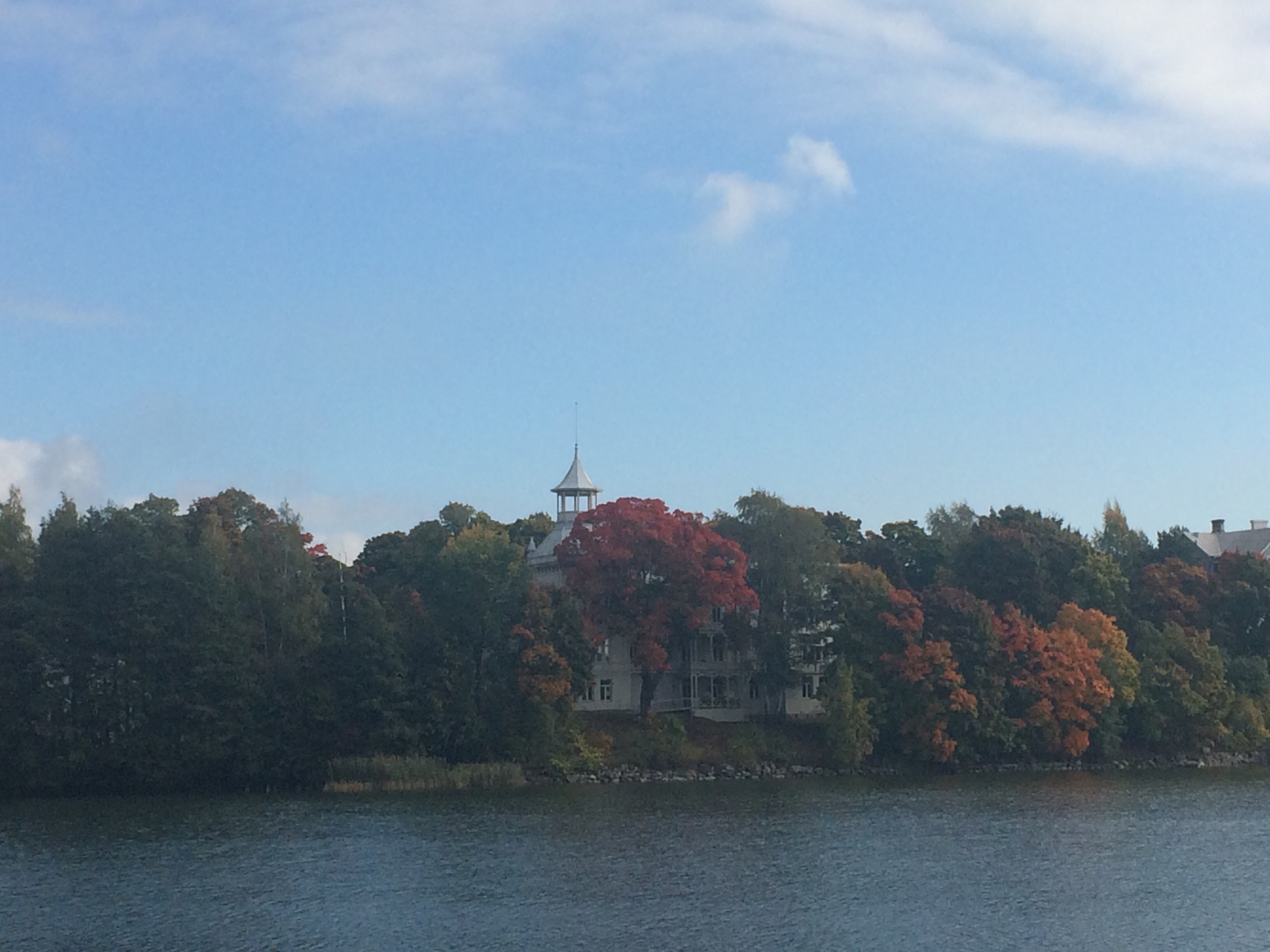
Helsinki was a whirlwind of seasons during our short two and a half day visit. Autumn was in full force, with beautiful colours on the trees throughout the city. Our first day was warm and spring like and then it swiftly turned to winter on day two with cold winds and rain. Luckily, no snow and ice that their winters usually hold! 
Finns love nature and Helsinki is full of parks and green areas for running and cycling. It would have been great to stay a little longer to really explore outside of the city and experience the countryside that the Finnish people cherish so much. 


Helsinki highlights included a stroll around Töölönlahti Bay and Finlandia Park, a free walking tour and a visit to Suomenlinna sea fortress. 


Our walking tour was led by Leo from Green Cap Tours and was really great! He’s a research fellow at the University of Helsinki and he gave us a great introduction to the history of both Finland and Helsinki. We were a varied group of Australians, Germans, an American and a Spaniard. 


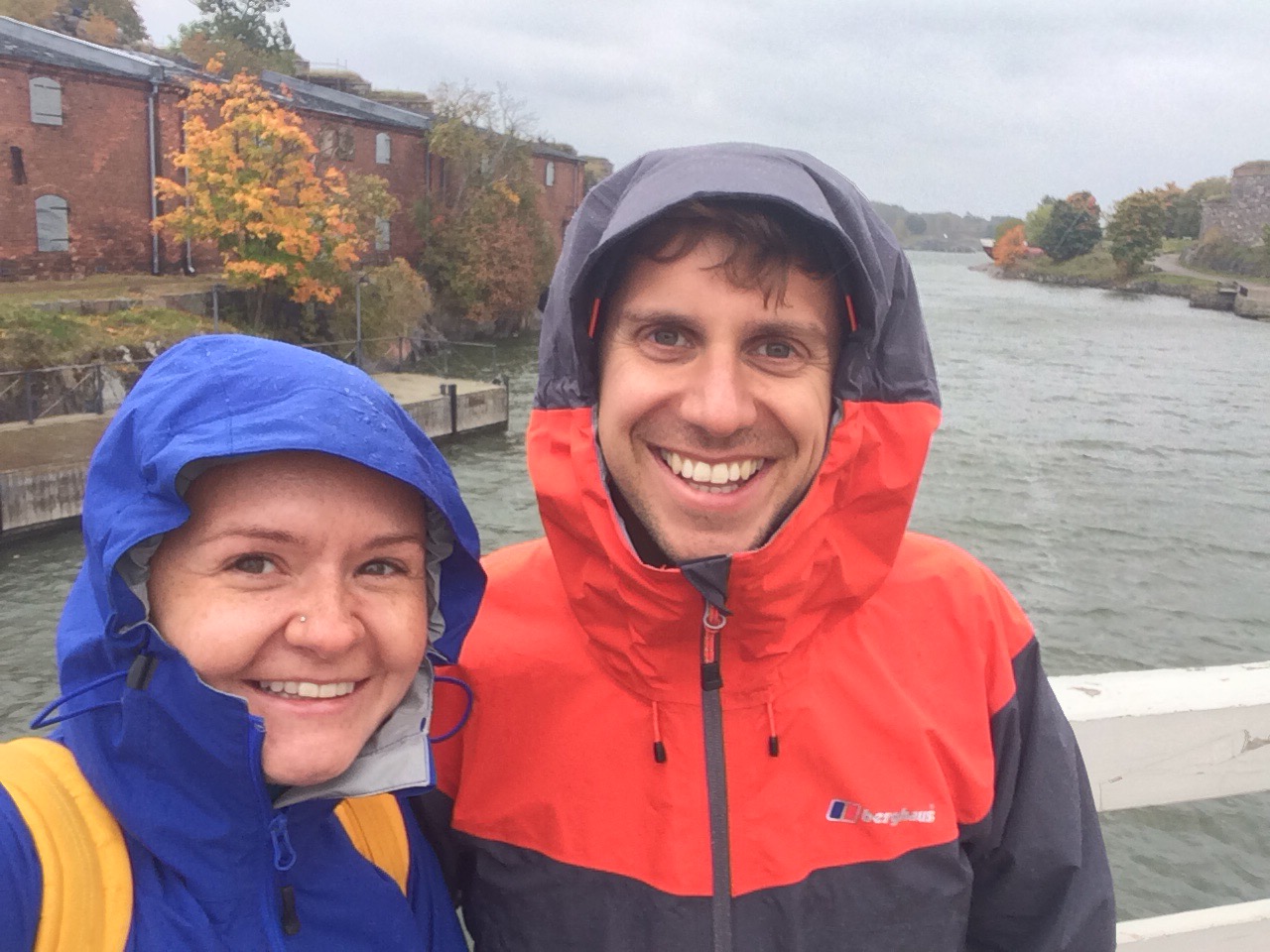
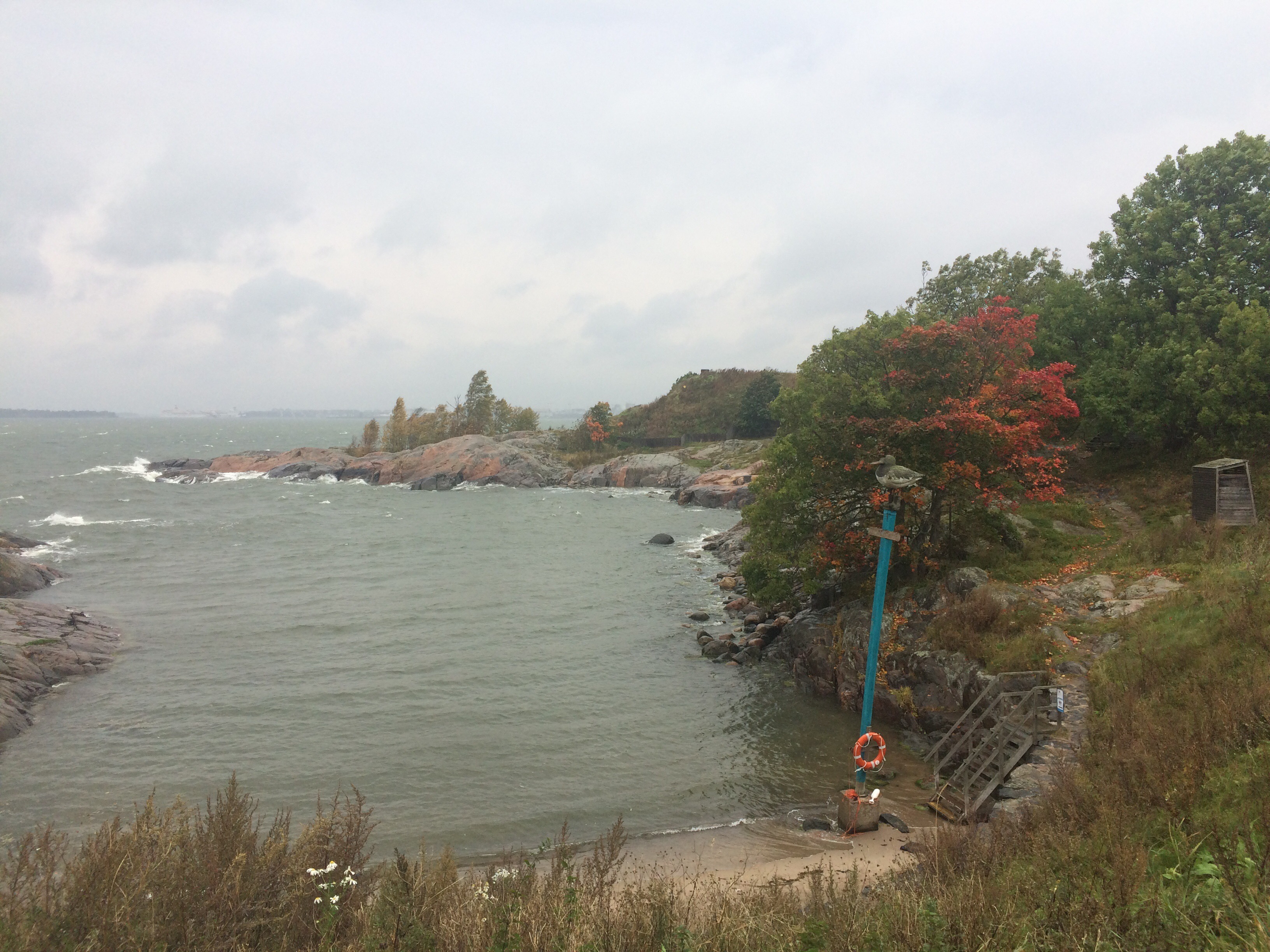
Later that day, in the rain and wind, we hopped on a ferry to Suomenlinna. It’s a UNESCO World Heritage site that consists of six islands and is an inhabited sea fortress. It was initially built by the Swedes in the 18th century to protect against Russian invasion. However it was captured by Russia in the Finnish War and was considered an important stronghold by the Russians. This led to it being attacked and bombarded by the allied forces, but it eventually became part of independent Finland in 1917. Whilst looking out into the cold sea, with crashing waves and freezing wind and rain beating down, we could have been transported back to South Shields or West Cork!! The weather didn’t stop the kids who had taken the ferry over to catch some rare Pokemon!
Leg one of the journey is now complete, as tomorrow we travel to Russia for our Trans-Siberian adventure!! 

Ahoy Helsinki

We took the underground from our hotel to the ferry terminal, and, once onboard, made our way to cabin number 2016. Despite being one of the cheapest on the ferry from Stockholm to Helsinki, the cabin was functional and the bathroom better than I anticipated.


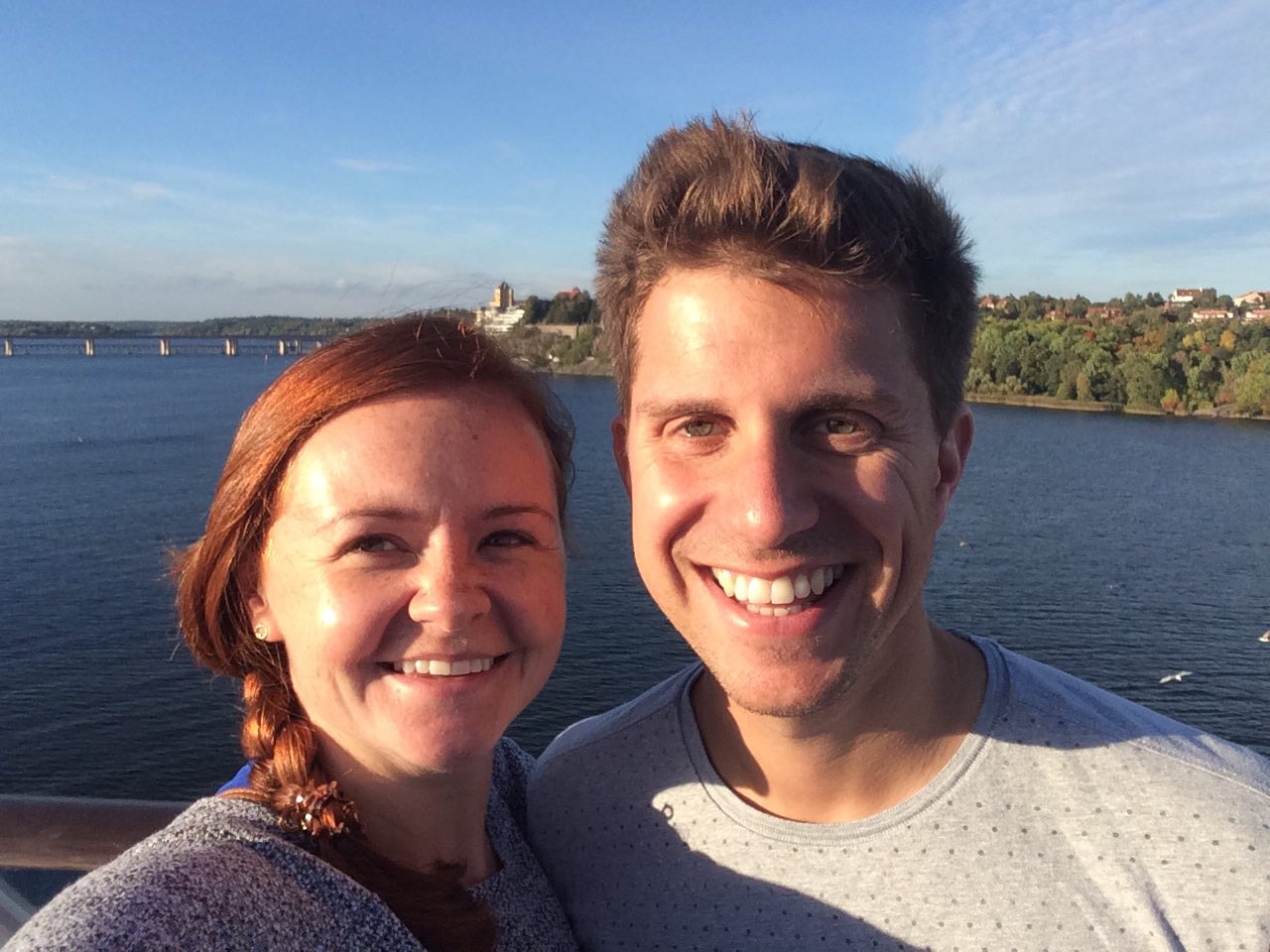
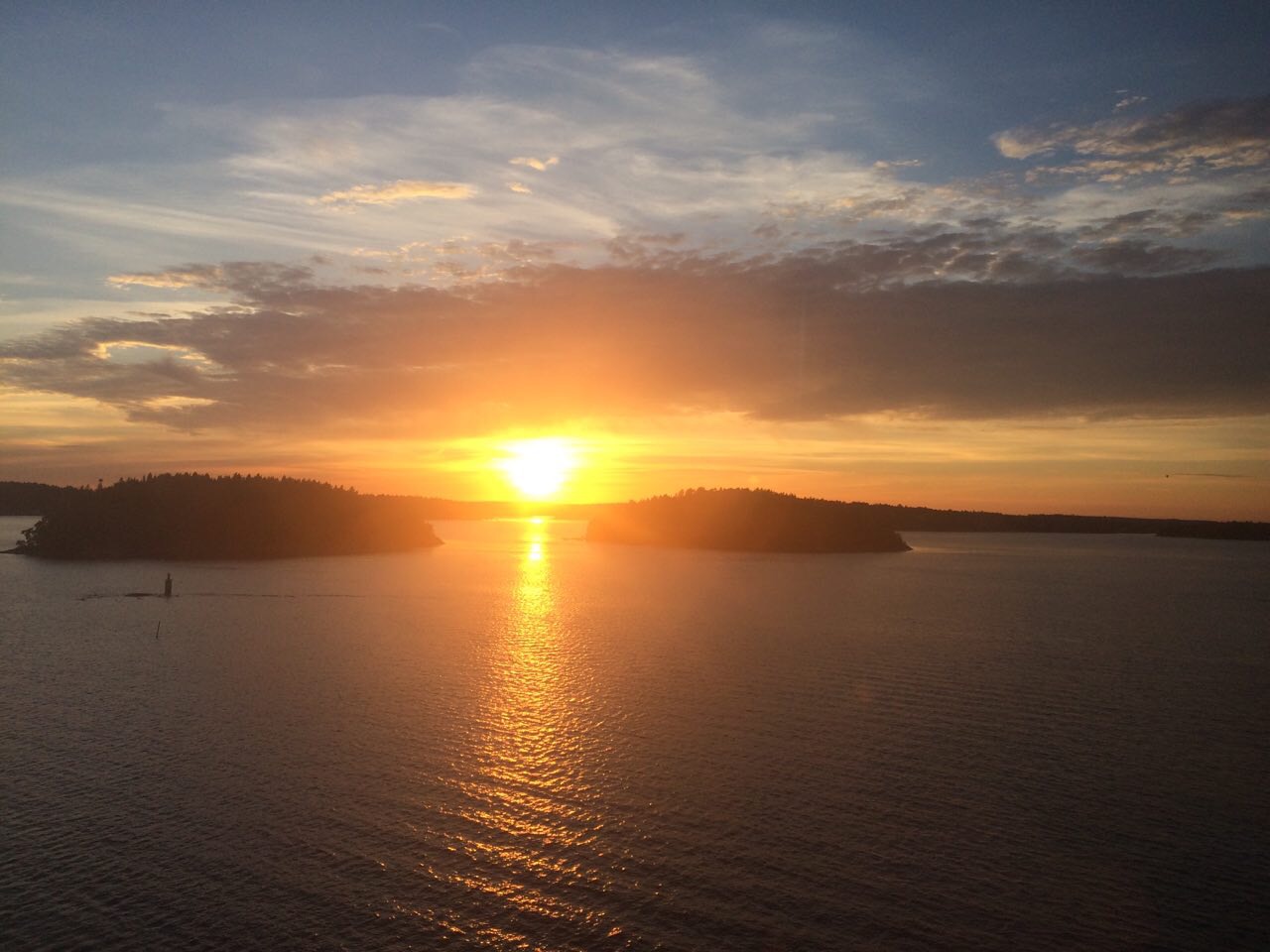
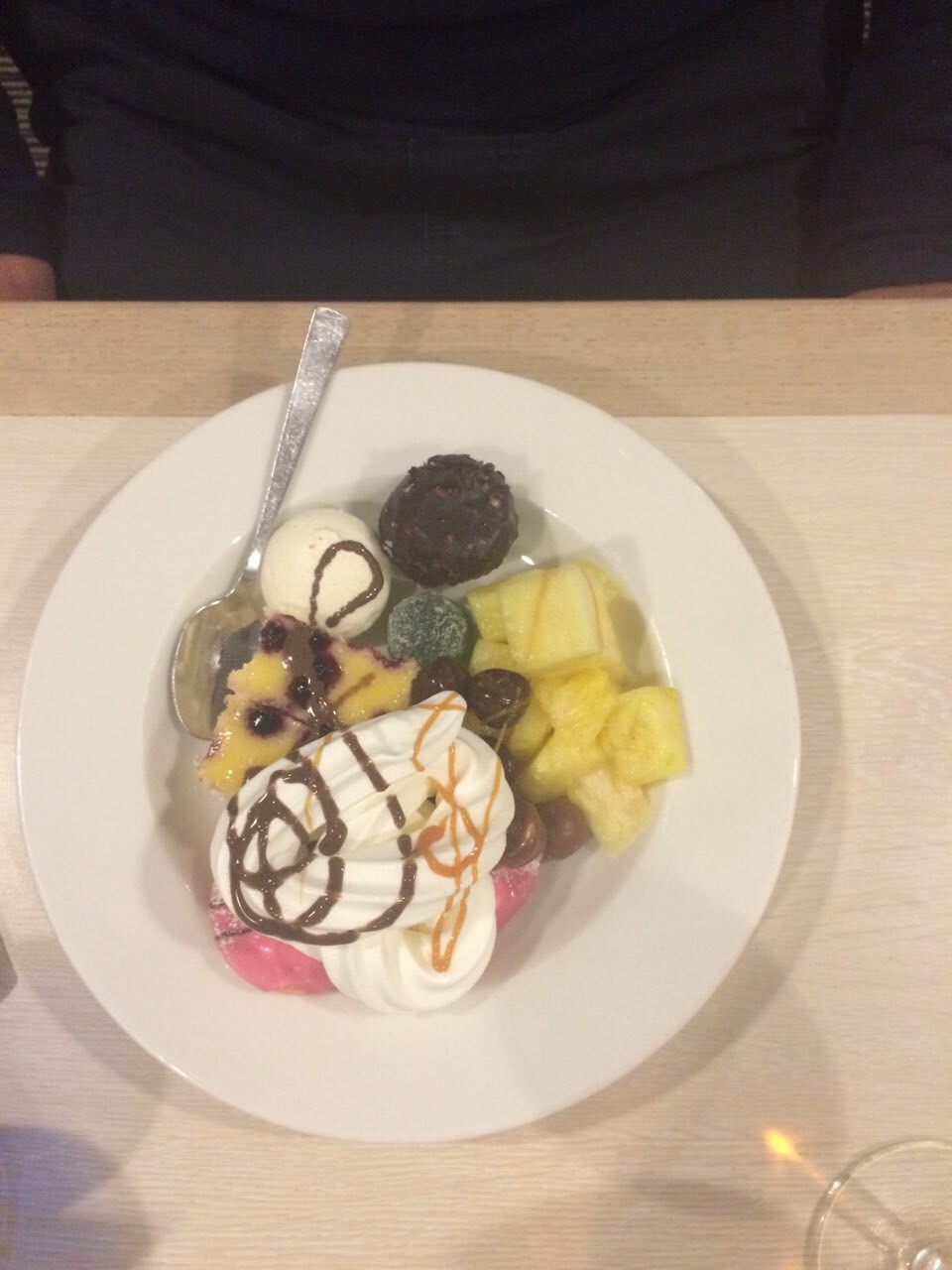
As the port disappeared into the distance and the Silja Symphony negotiated its way between the islands of the Stockholm archipelago, we watched the sun set from the upper deck. After a tour of the shops on The Promenade, it was time for the Grande Buffet. The food tasted good, with dessert being the highlight.


We both slept well, despite the engine noise and the four courses we had eaten at dinner. Once dressed, we headed outside and caught our first glimpse of Helsinki’s skyline, emerging from the rising fog.

G

Hej hej Stockholm!

I wasn’t sure what to expect when we arrived in Stockholm, mainly because it was half past five in the morning, but the city surpassed my expectations. I read a blog that described Stockholm as one third city, one third green parks and one third water. I think that’s probably accurate! The city itself is comprised of fourteen islands, interconnected with more than fifty bridges, and a passenger ferry network.

img_0052

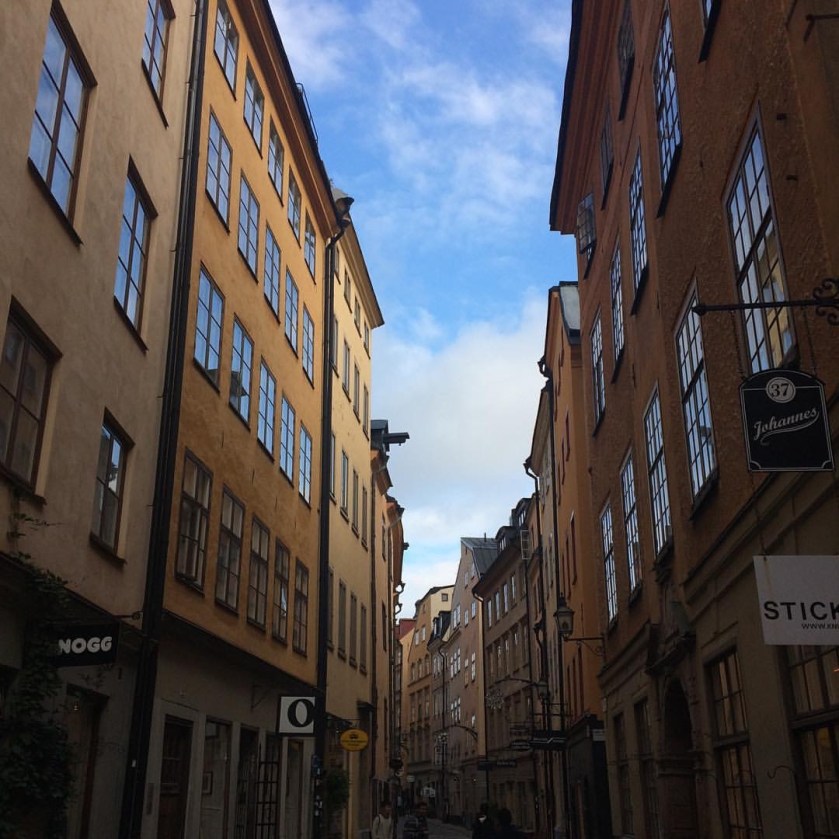
After dropping our bags at the hotel on our first morning, we set off into the city to explore and found our way to the old town, or Gamla Stan. The Royal Palace is large but understated and the cobbled streets are lined with tall, warm toned buildings. Because Sweden is a neutral country, it didn’t participate in either world war, the city was never bombed, and is well preserved.

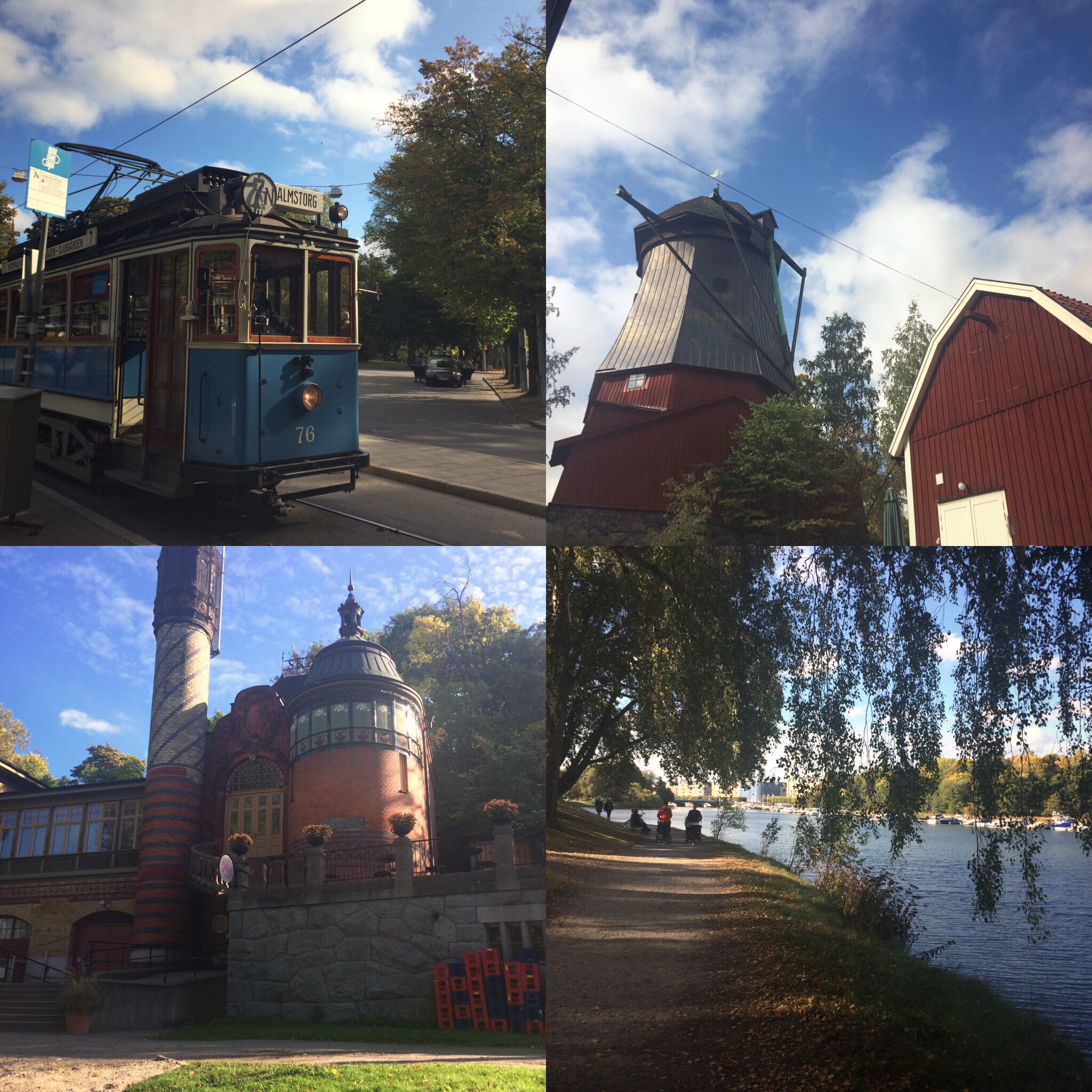
We then took an old style tram to Djurgården, which is an island and Royal land that used to be a hunting ground for King Carl XII. It holds many museums and historical buildings and is favourite spot for runners and cyclists. We were pretty knackered at this point, so we headed back to the hotel and had an early night!


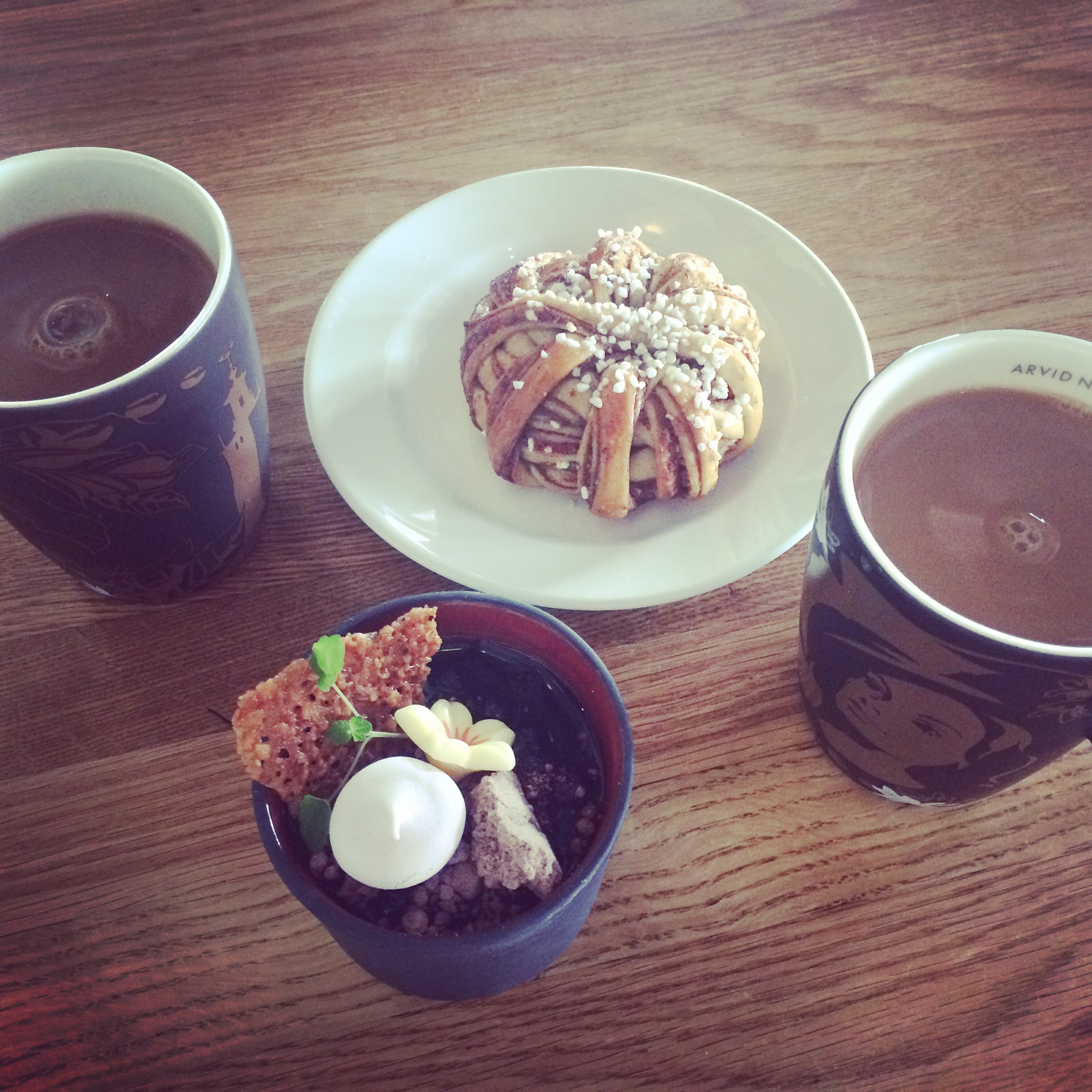
Revived by a massive breakfast the next day, we headed on a free walking tour of the city, which was fantastic. Our tour guide, Nora, is from Kyrgyzstan and moved to Stockholm with her husband a year ago to do a masters in economics! We learnt lots of new things about the Swedish Royal family and about Swedish culture. My favourite part of the culture is ‘fika’. Fika can be used either as a verb or a noun and means to take a break, have a coffee and eat some pastry. In Stockholm, there are lots of places for fika and the coffee is amazing! A typical pastry to have is a kannelbullar, or cinnamon bun. I don’t think I could afford too much fika though, as Sweden is so expensive!

img_2065
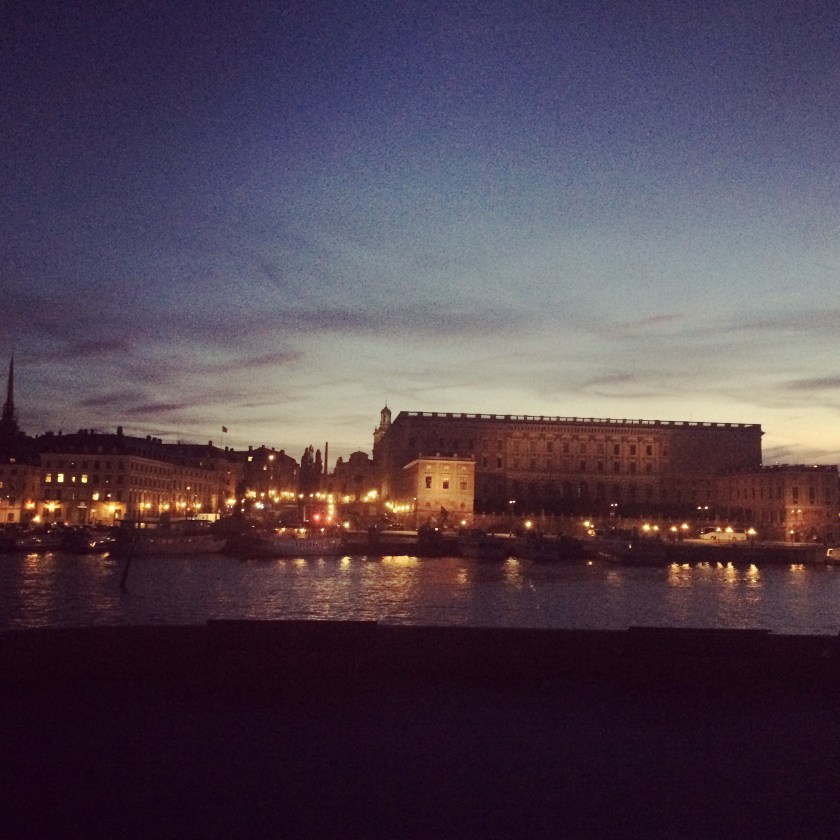
We hadn’t run in a couple of days because of the train travel (excuses, excuses), so we headed out for a run at dusk to Skeppsholmen, passing the Royal Palace and the lights of the waterside hotels and boats.


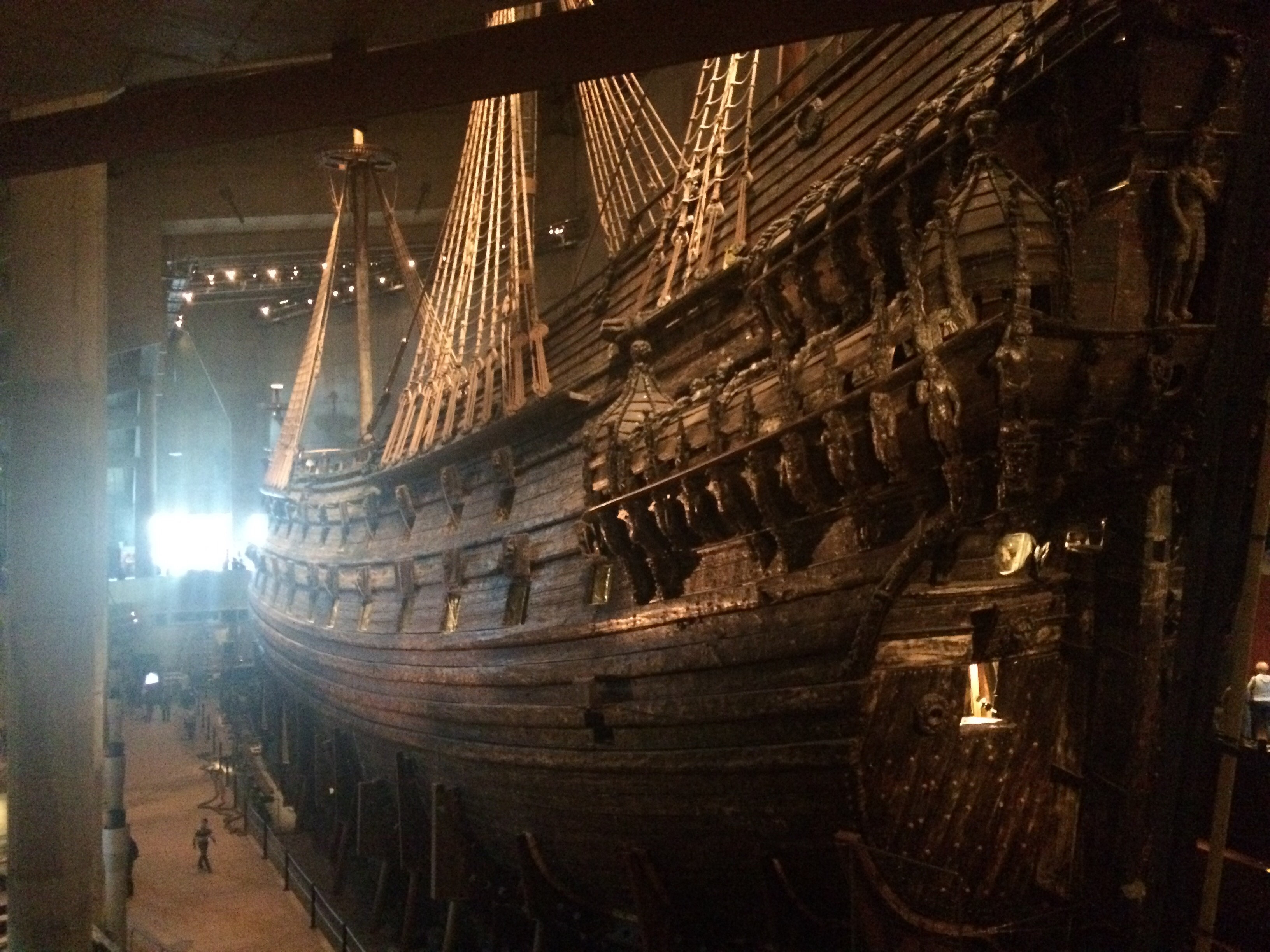
The next day, we headed to the Vasa museum, which holds the preserved Vasa ship. This is a Swedish warship that was built in 1628 having been commissioned  by the Swedish King Gustavo Adolphus. On its maiden voyage, not far out of the harbour, it sank, due to its high and narrow design and lack of ballast. The ship lay at the bottom of the harbour until it was salvaged in 1961. 98% of the ship on display is original and amazingly preserved, due to the sediment and anaerobic conditions at the bottom of the harbour. Then, sadly, it was time to go to the ferry to make our way to Helsinki! Not that we’re sad about going to Finland, but Sweden was beautiful and I can see why they rank so high on the list of the happiest countries in the world. ❤️🇸🇪

-F xx