Kyoto. A Temple on every corner. 

There is SO much to see in Kyoto and it is considered the cultural capital of Japan. It is where Japanese people themselves visit to learn about their history and culture. And there are SO many tourists, it’s a little insane! 

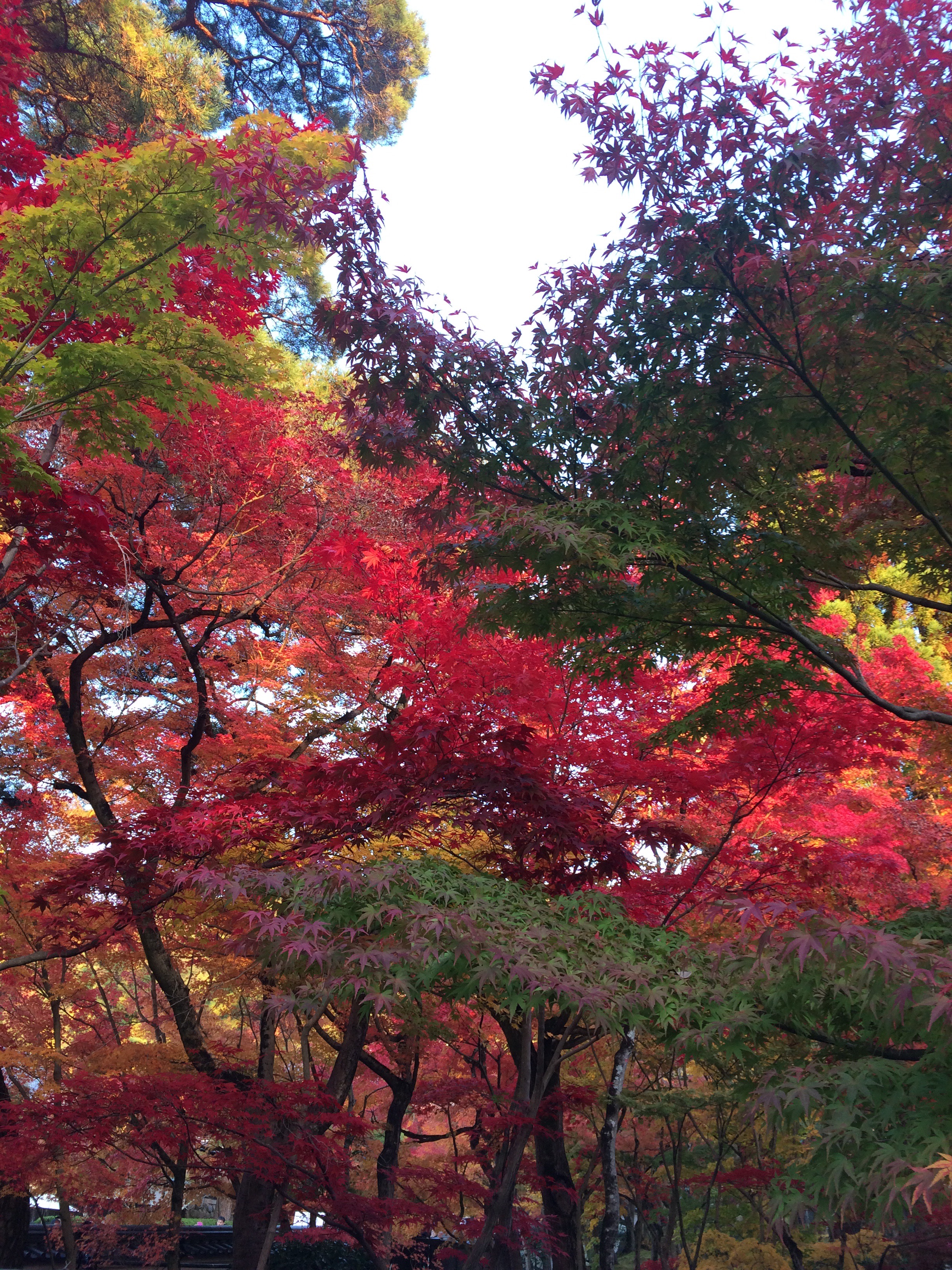
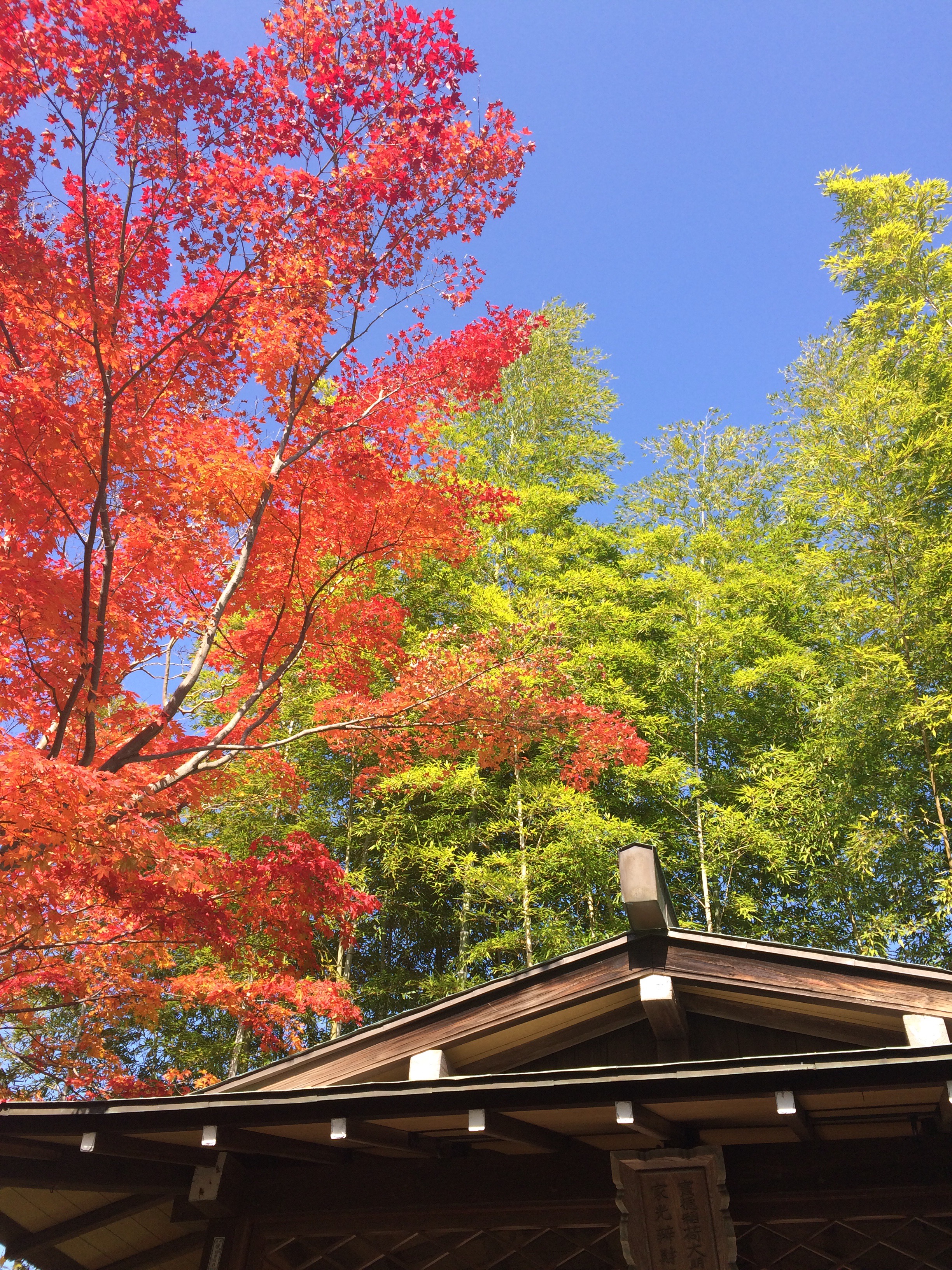
Within the city itself there are hundreds of temples and shrines; it seems that every time you turn a corner there is something beautiful to see. Our trip was only three days long, so we really only touched the surface of what this amazing city has to offer. Mid to late November is a fantastic time to visit as the autumnal foliage is in full swing. 
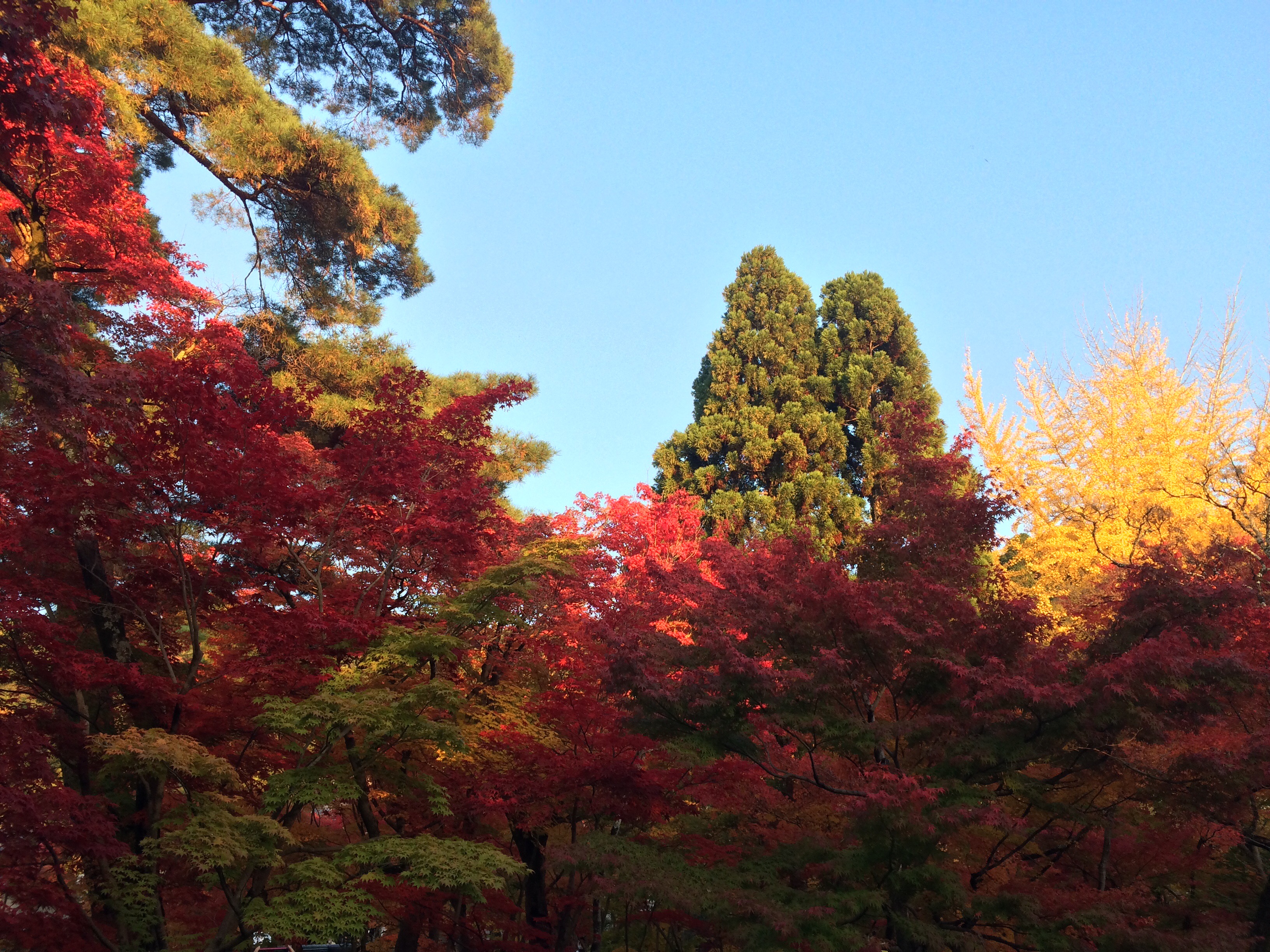


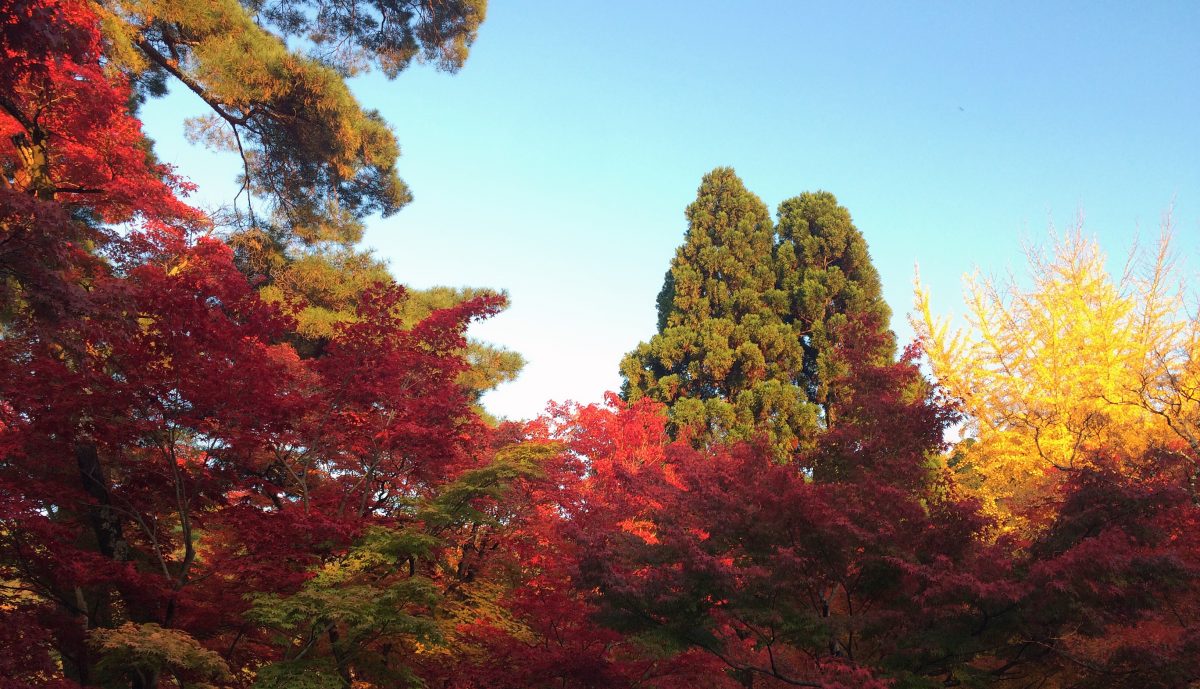
The first temple we went to was Kiyamizu temple and Jishu Shrine. There were hundreds of people around and it felt far from the usual serenity that you feel when wandering around the temples with the scent of incense in the air. We didn’t spend too long before we walked to some of the other temples, almost all as busy as the first! I do think we were spoiled by our experience in the rest of Japan when we often had the main halls of temples to ourselves to sit and admire our surroundings on the tatami mats. Nevertheless, the temples in Kyoto and their grounds were spectacular. In particular, the autumn leaves at Eikando temple were breathtaking.
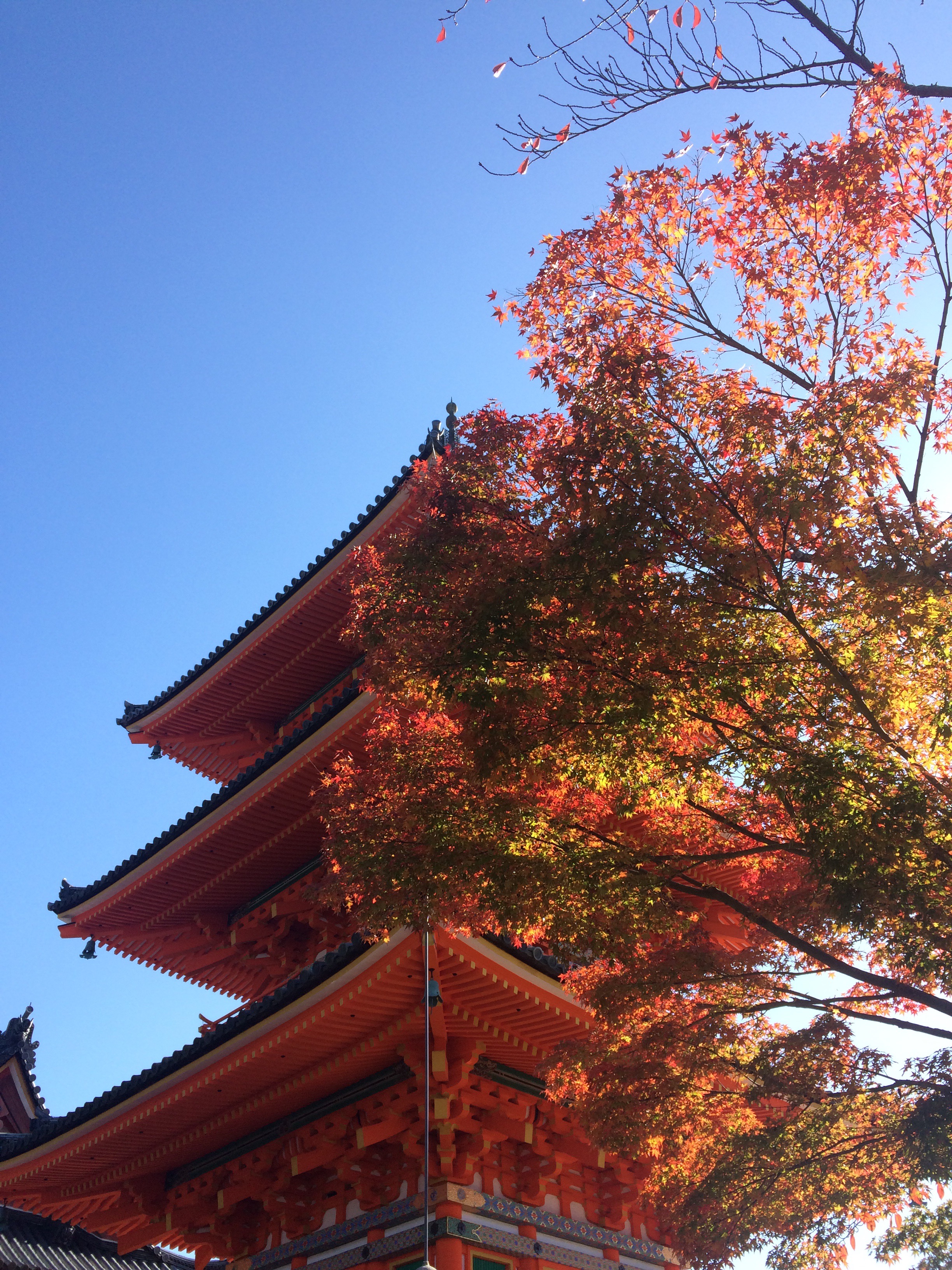
Tree or pagoda?!

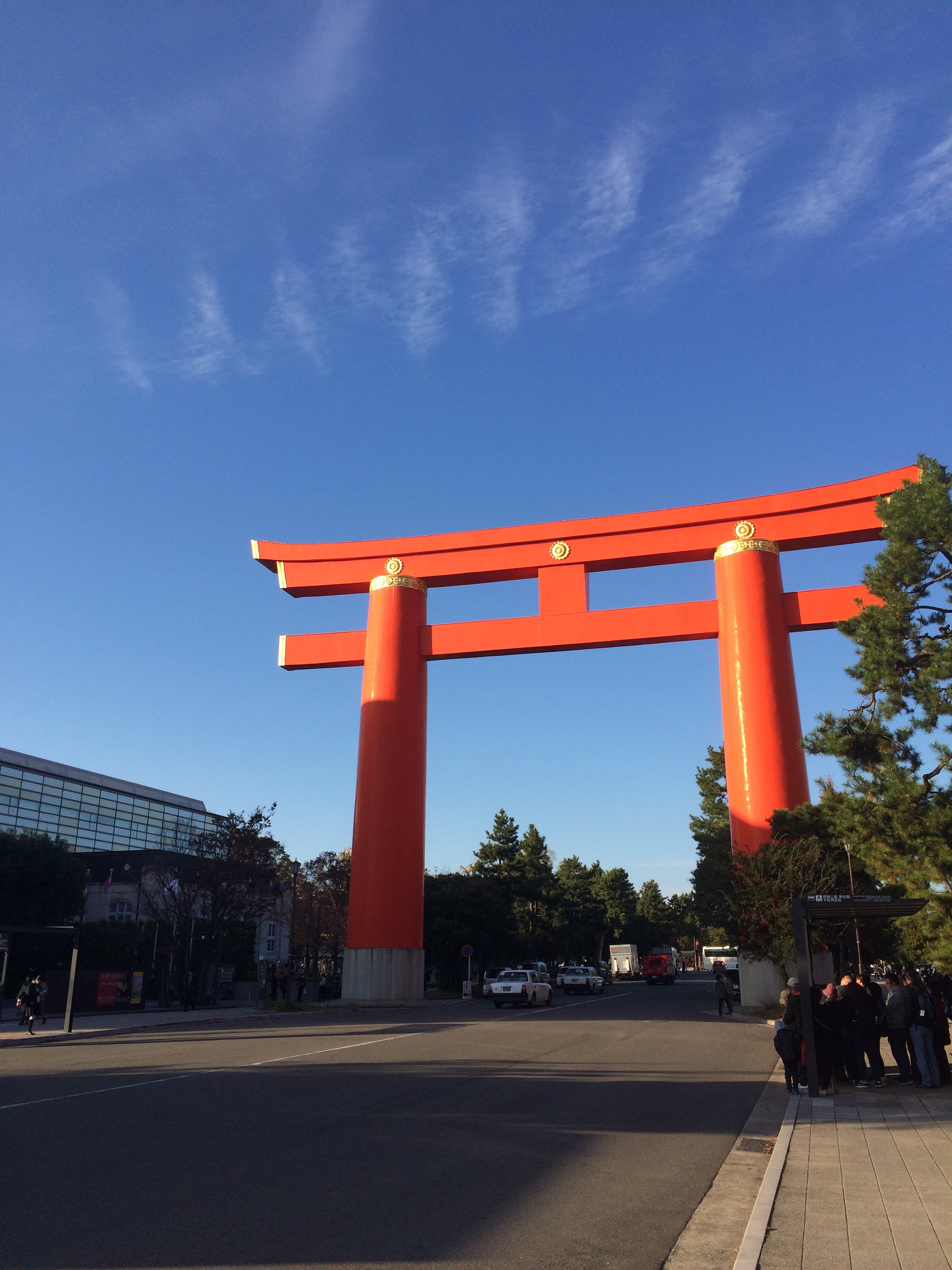
As we made our way to Shinto Heian shrine, as recommended by staff in the hostel, we didn’t expect to see the enormous tori (gate) that greeted us as we turned into the street. Sometimes a picture really doesn’t do a big gate justice!! 

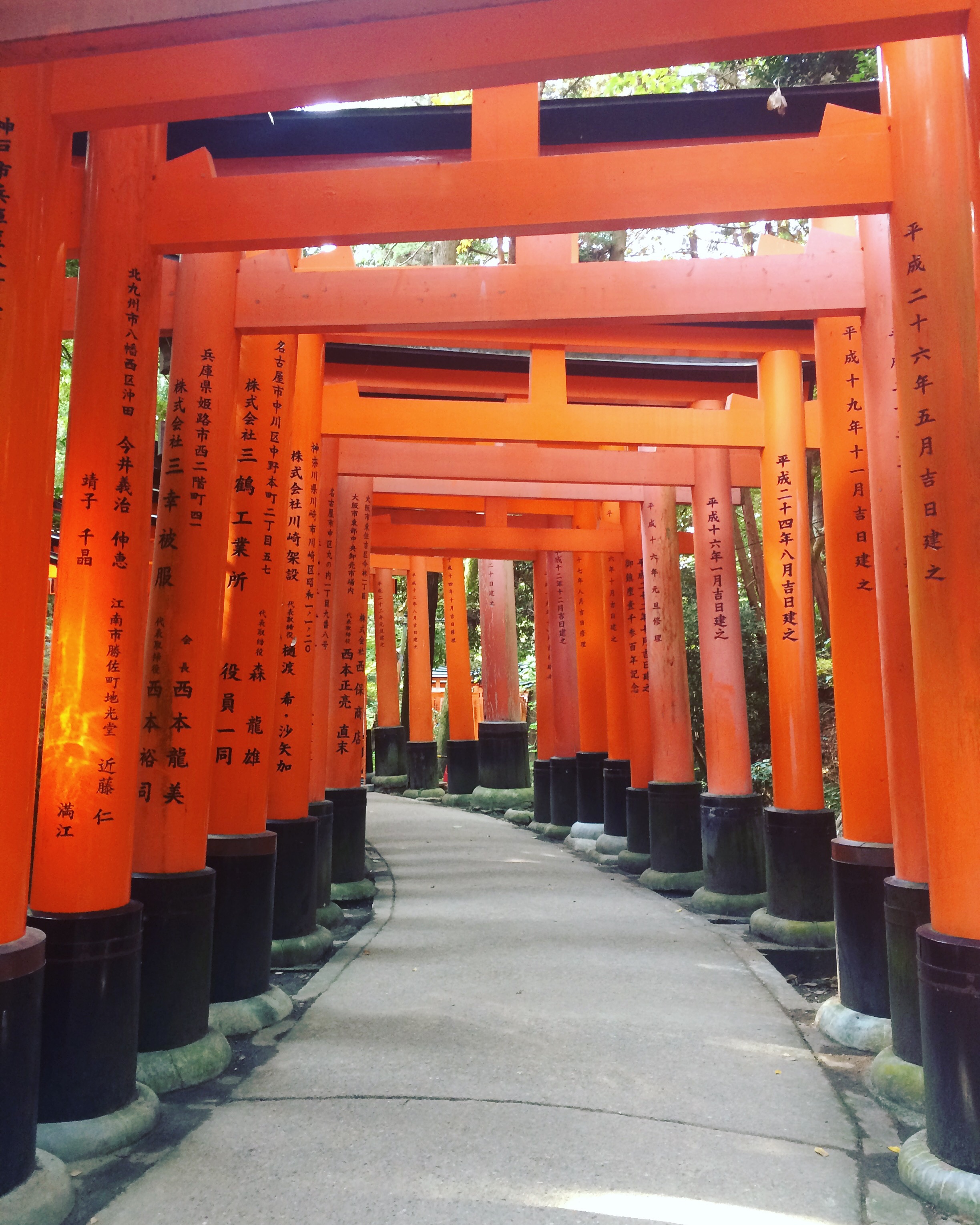
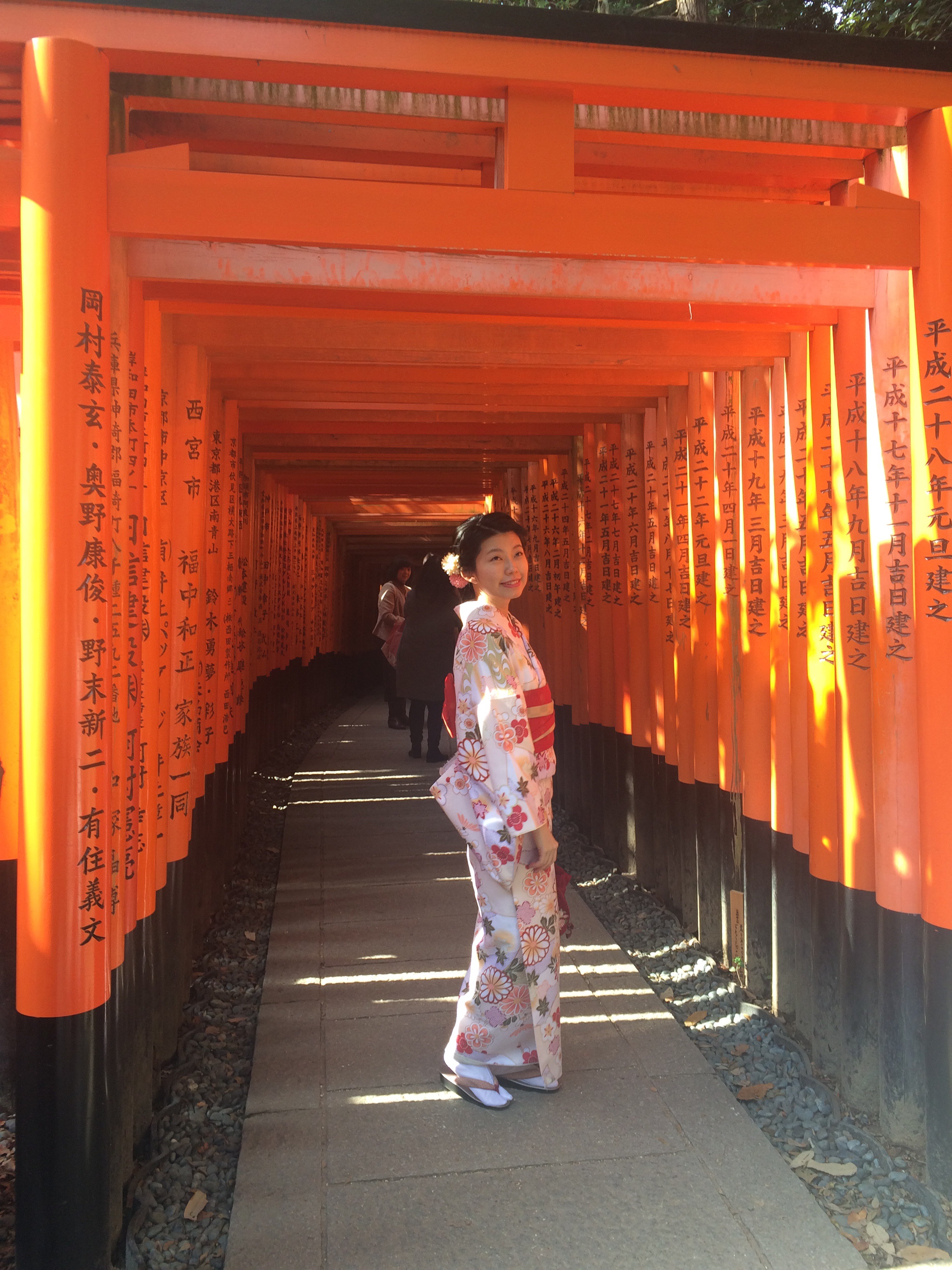
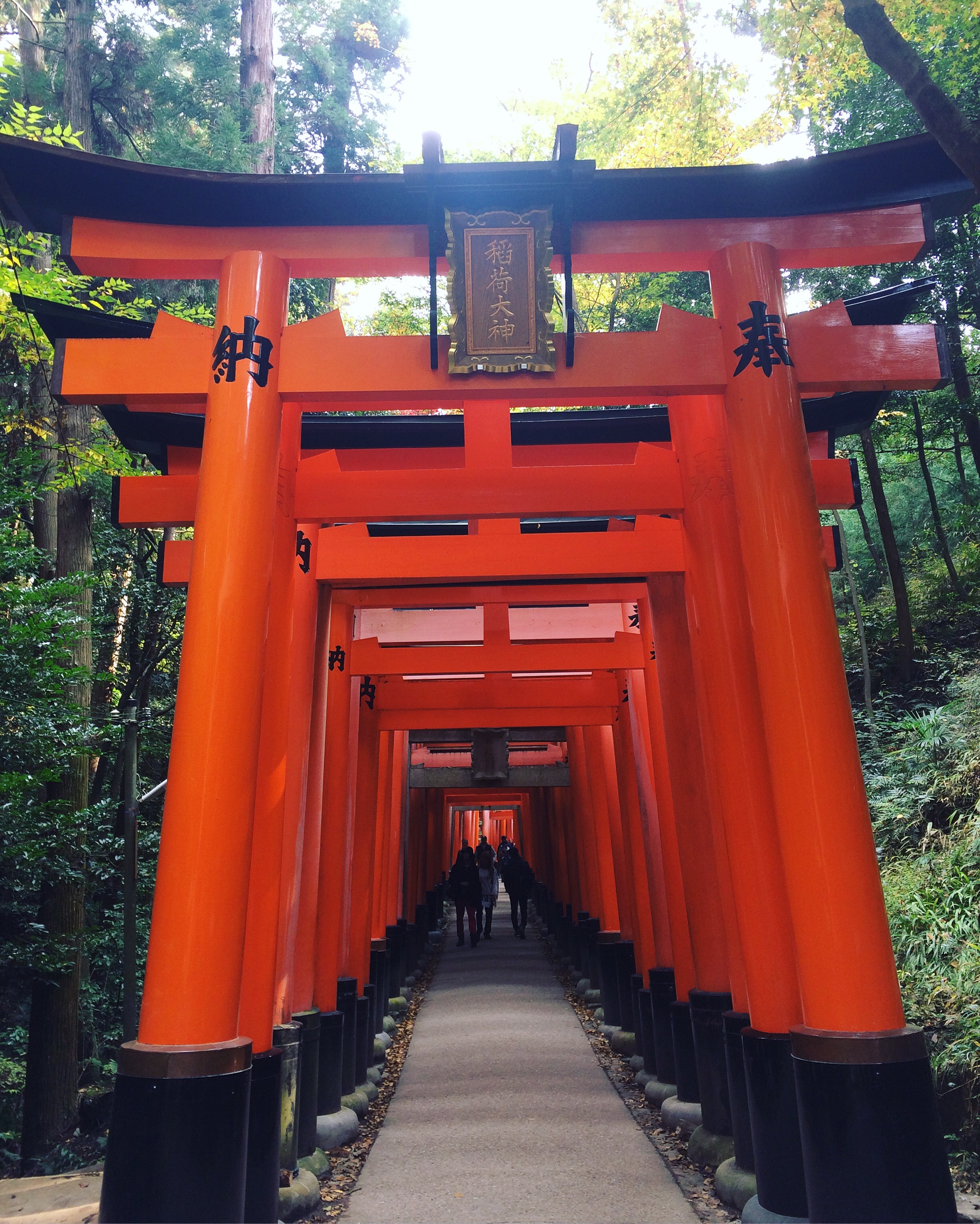
I was really excited to see the Fushimi Inari Shrine, as the thousands of vermillion tori which follow the mountain trails to the summit are a beautiful iconic image that, for me, symbolises Japan. We tried to get there early enough to beat the crowds, but they had the same idea as us. Despite this, we battled our way along the path and were rewarded as we passed the a tunnel of dense bright vermillion tori, that were a dream to photograph in the morning light. Most people will stop after the first collection of gates, because as you go further up towards the summit, the tori become less frequent. Naturally, we went to the top 🙂 


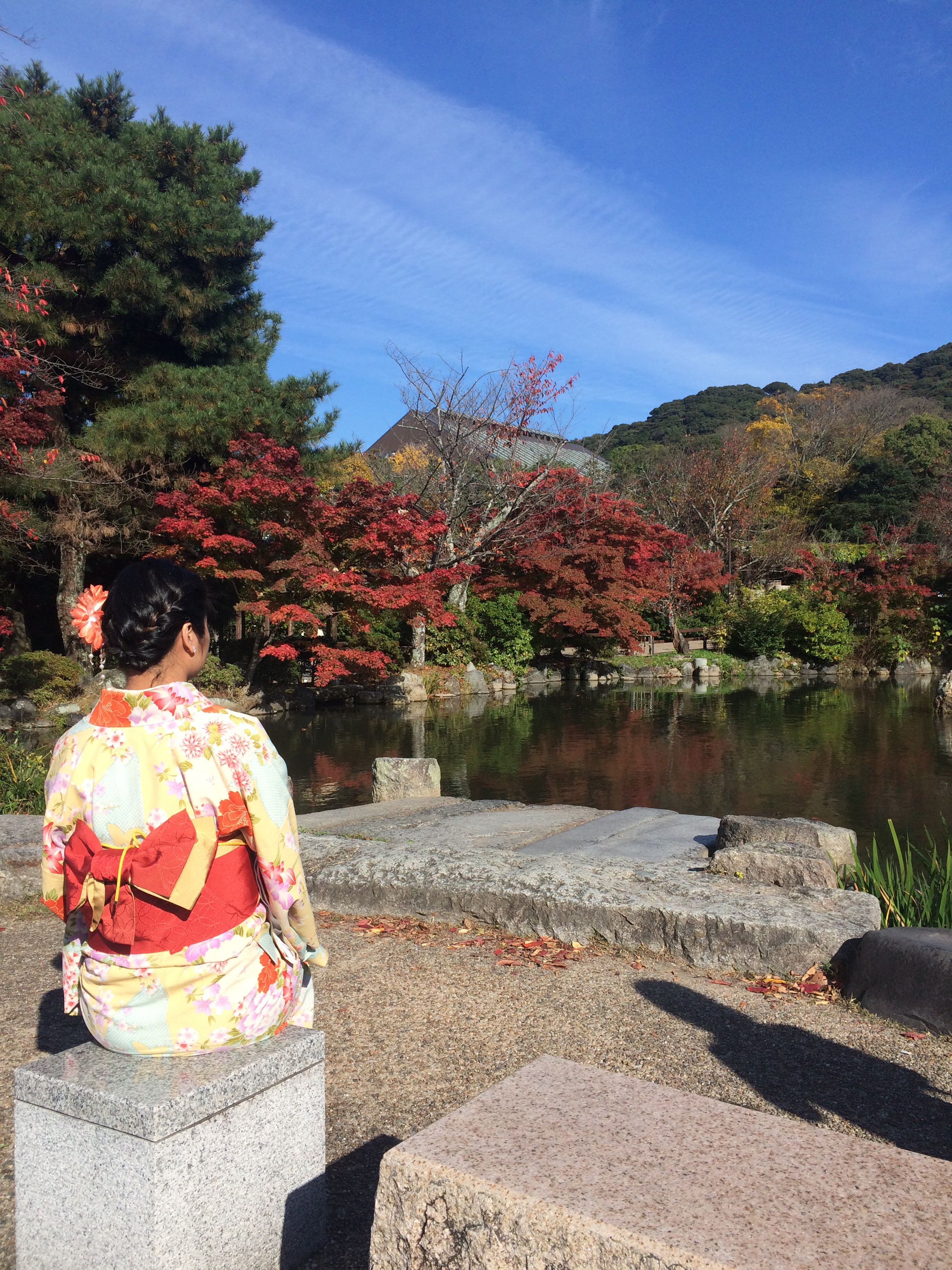
After a day of temple-ing we headed to Gion district, one of three Geisha districts in Kyoto. Geisha are actually known as Geiko in Kyoto and it is very rare to see one. There is only a hundred or so Geiko and an apprentice Geiko is called a Maiko. In western Japan a Maiko starts training at age 15. Geiko are traditional entertainers, whose skills include dancing, singing and conversation. In the evening, I am convinced I saw one in her white Kimono shuffling across one of the tiny lanes in Gion! But we were disappointed by not seeing a Geiko, as you see hundreds of girls in Kimonos wandering through the streets and temples taking pictures! 

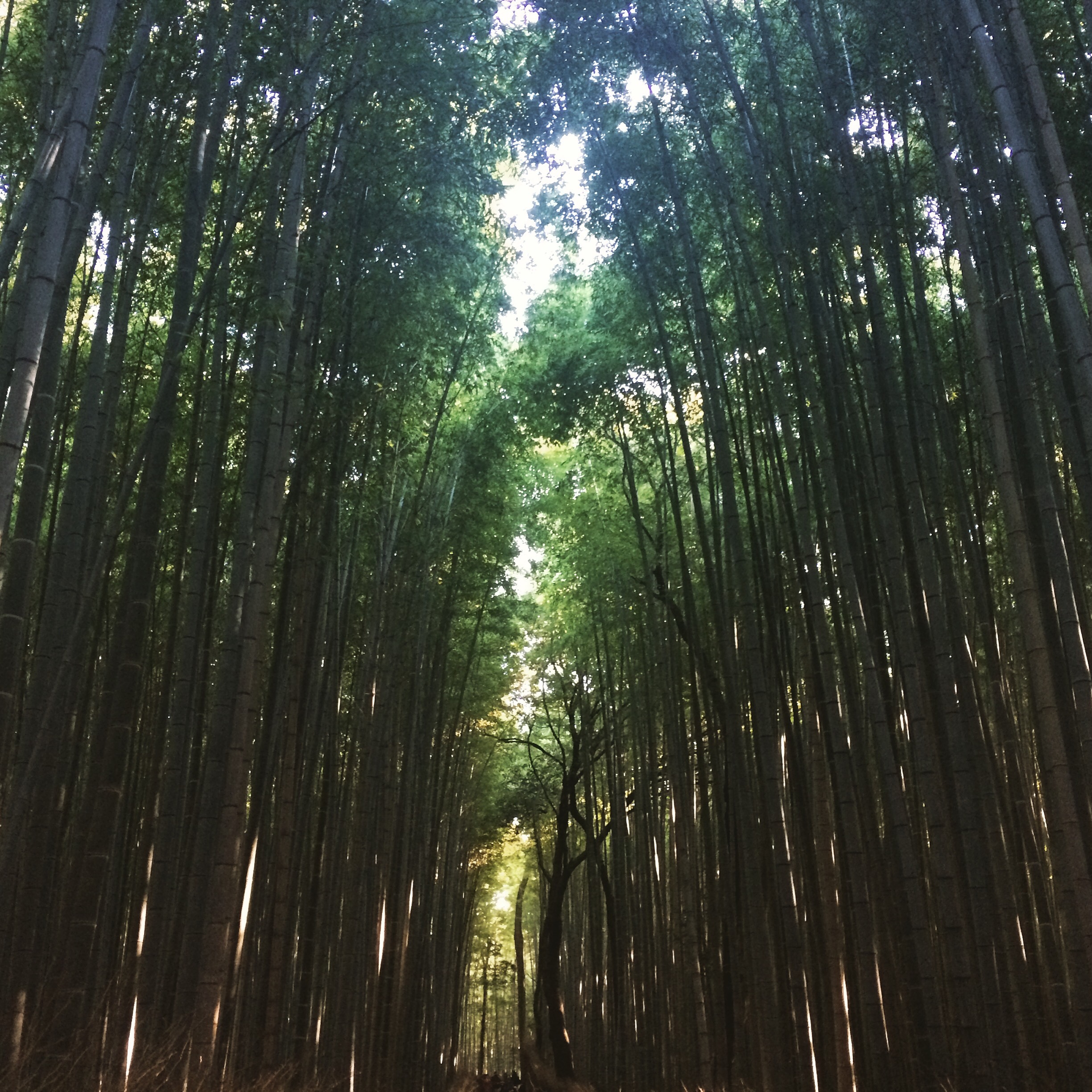
Having learned our lesson from our not early enough start at Inari, we got an early start to see Arashiyama, a town north of Kyoto with a beautiful bamboo forest that was nice and quiet in the early morning. We were followed the entire way though by a group of school kids, who were giggling and talking. Finally, one of them plucked up the courage to speak and all they wanted was a picture with us! 

We were thoroughly exhausted from our exploring in Kyoto, but we’re ready for the dizzy neon lights of Tokyo!!

-F xx
Osaka. Home of giant things. 

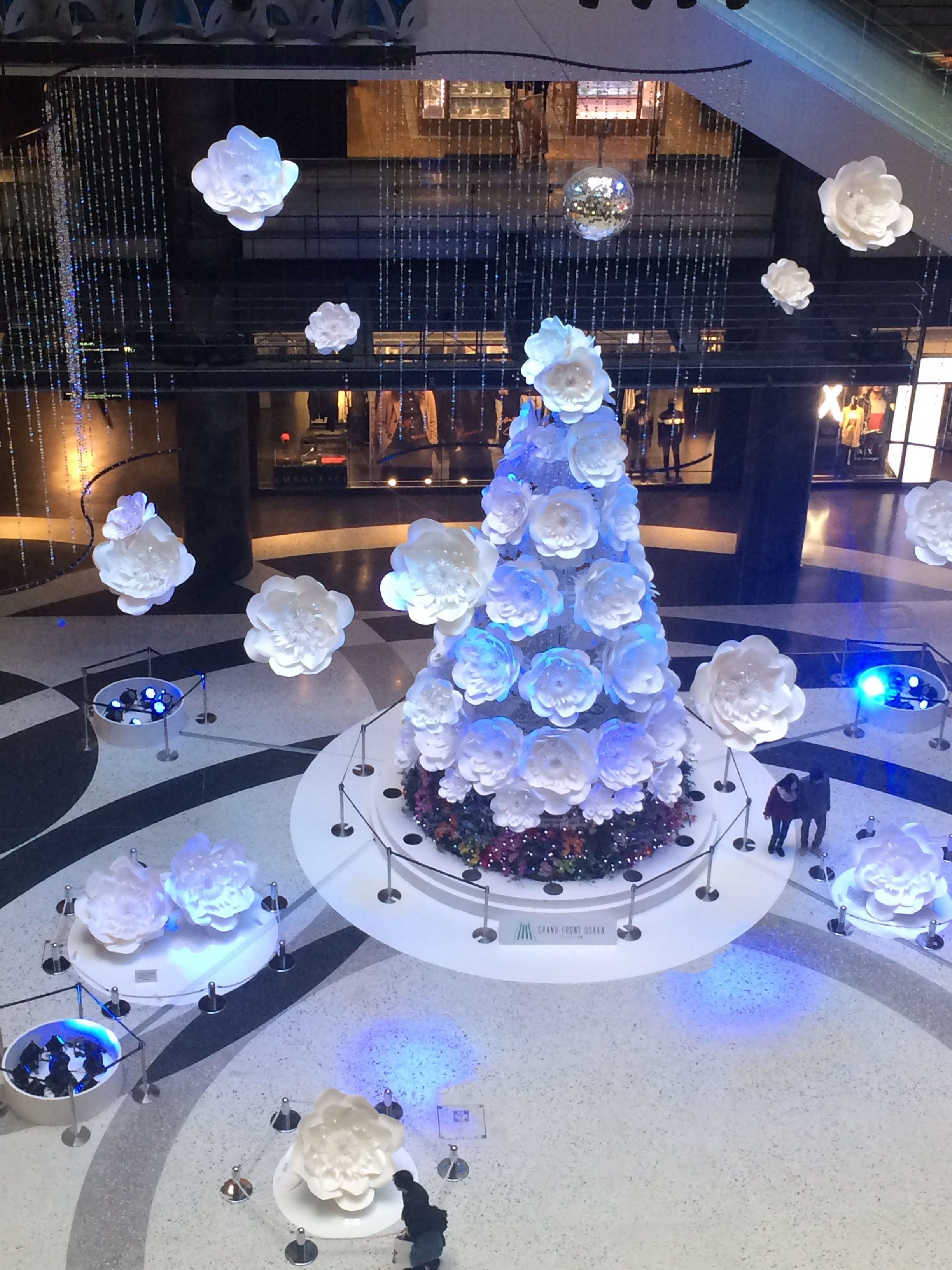
Our trip to Osaka from Naoshima island wasn’t very far, but did involve a ferry and five different train rides, including regional, Shinkansen and local! Our Japan Rail Pass is certainly being well used. Having checked into our really nice hostel with friendly staff, we headed out to the Kita neighbourhood to have a look at the Umeda Sky building, which is described in Lonely Planet as a space age Arc de Triomphe. It is a 40 story twin tower building with a connecting observation deck at the top. Impressive also was the humongous Grand Front shopping and office complex. We popped in for some lunch at a Korean restaurant, as Graham was missing Kimchi (fermented cabbage) and then headed back to the hostel to relax. 

Christmas has hit Osaka!

The hostel was called J-Hoppers Universal and must have been pretty new. Sparkling clean and with a really nice lounge and kitchen. The afternoon movie was Léon (so great) and after that we went to explore Dotomburi, the neon lit, colourful neighbourhood with throngs of people, restaurants, shops and stalls. Unfortunately, it was heaving down with rain, and suitably drenched despite our waterproof coats, we gave up and headed back to the hostel! 
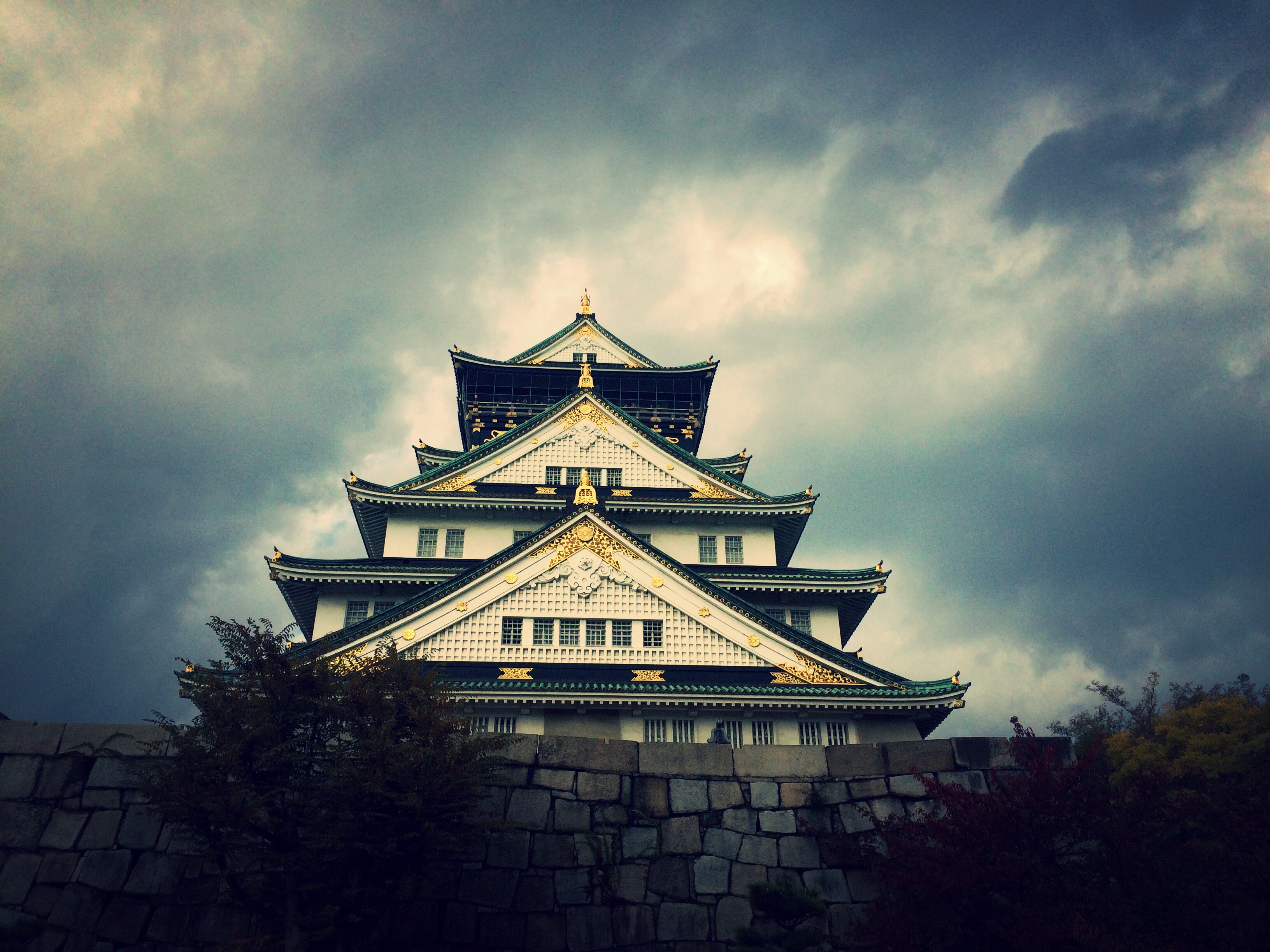
We treated ourselves to a relaxing morning of coffees and laundry the next day and with lovely dry, nice smelling clothes we headed off to Osaka castle. The original castle was built by General Hideyoshi who is credited with unifying Japan in the late 16th century and the castle give beautiful views out over modern day Osaka with autumn foliage. The current structure was reconstructed in 1931. 

Storm brewing at the castle
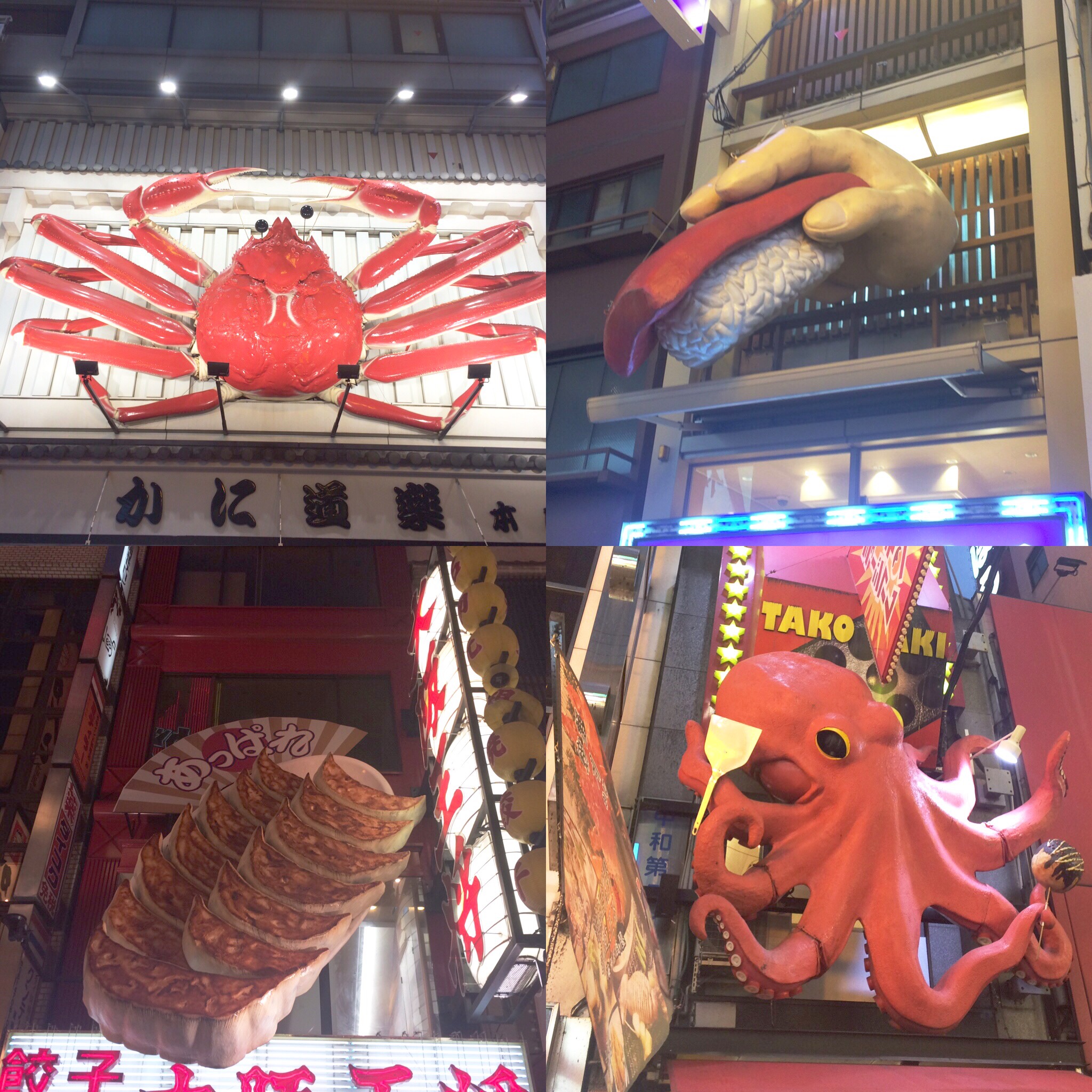
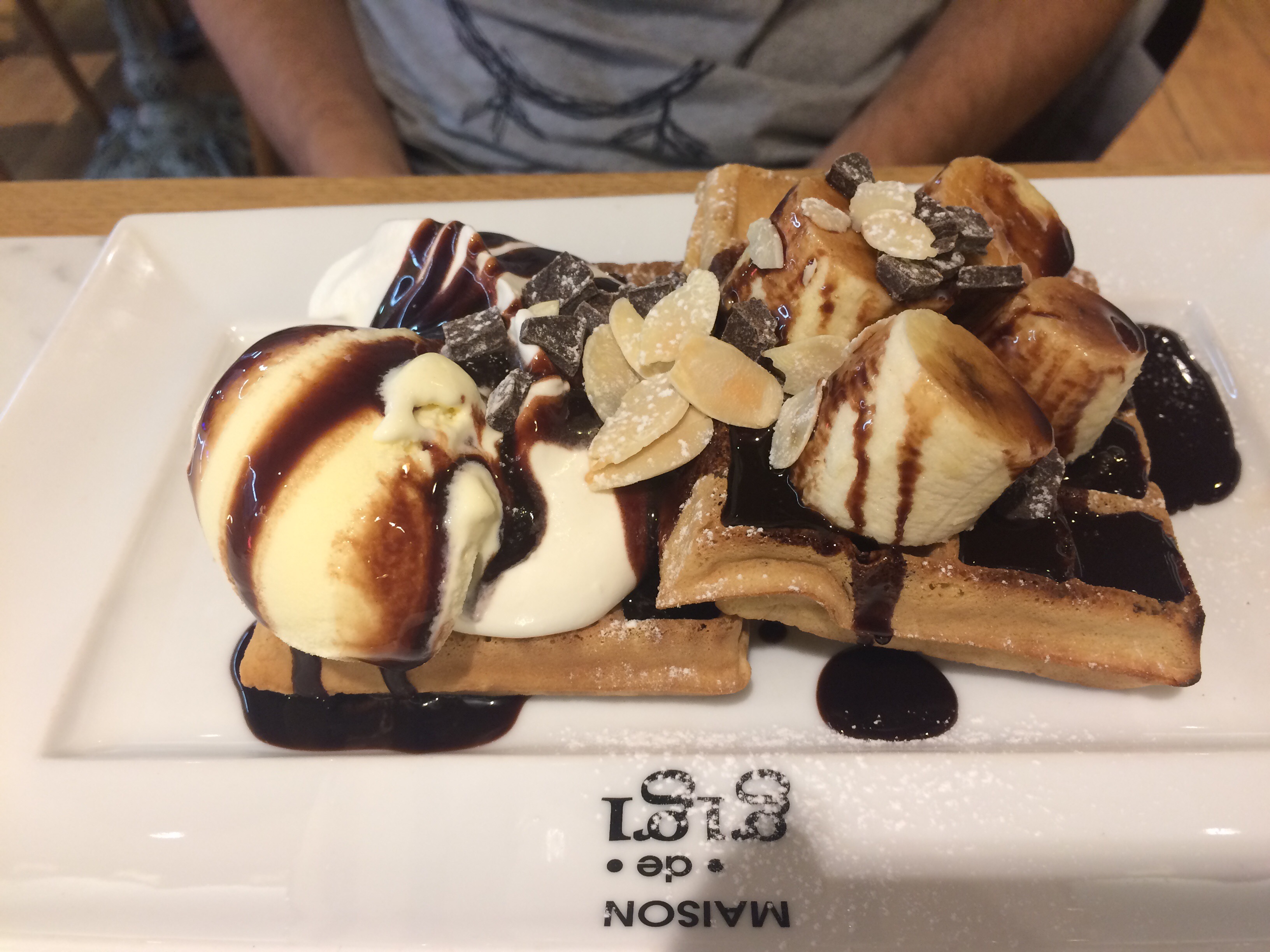
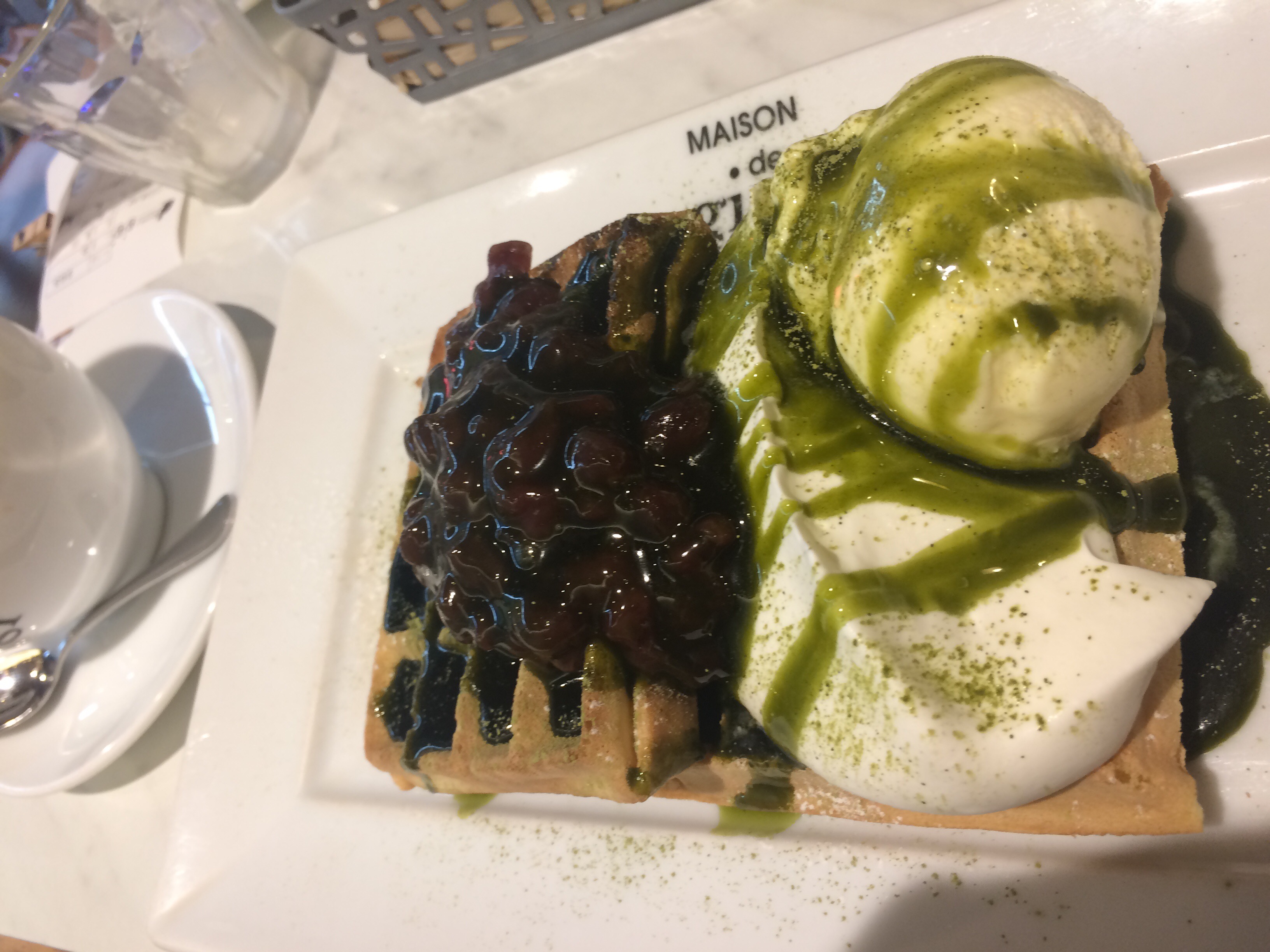
Determined to have a better look at Dotombori, we went back and discovered that it was even bigger than we had imagined the night before. I had read about the ‘big signs’ like the giant crab, big dragon and the giant hand holding a piece of sushi, so we snapped some pictures of those and continued on to Shinsaibashi-suji shopping arcade which is 8 blocks long! Graham has been scouting barber shops for the past few weeks and spotted one that looked trustworthy in the arcade. They didn’t scalp him and he emerged about 10 years younger, happy that his head was now much lighter! We celebrated by popping into a waffle shop and eating so much that we didn’t need any dinner that evening! 
Giant things!
Banana and chocolate waffles
Matcha and red bean waffle!
We were off to Kyoto the next morning, provided that the sugar coma from the waffles passed! 
-F xx

Hiroshima & Miyajima 

Japanese trains are very different to Russian ones! Our first train in Japan was from Fukuoka to Hiroshima and was a Shinkansen or ‘bullet’ train. They have big seats, smell nice, are extremely clean and go very fast 🙂 

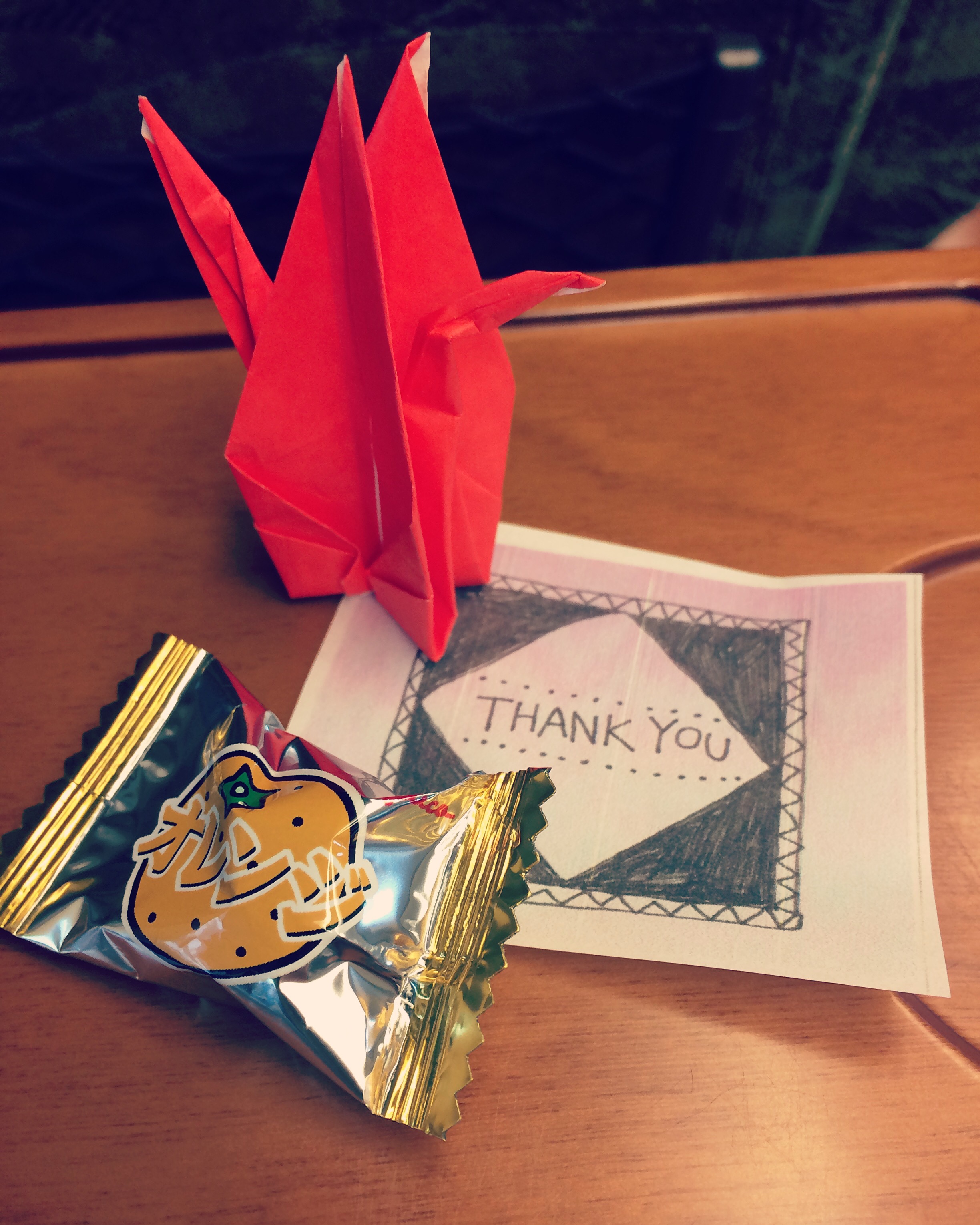
An origami present from our Fukuoka hostel.

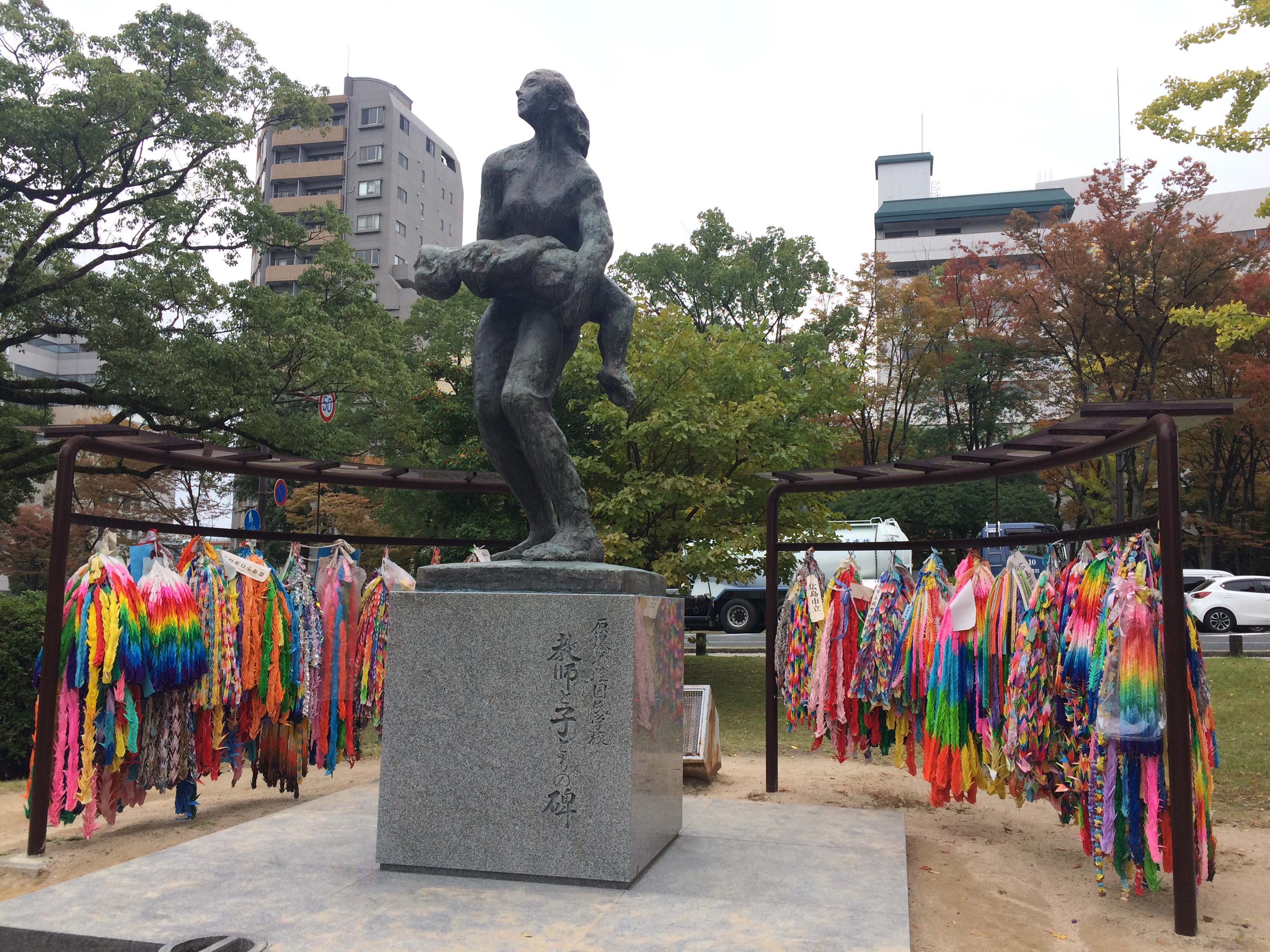
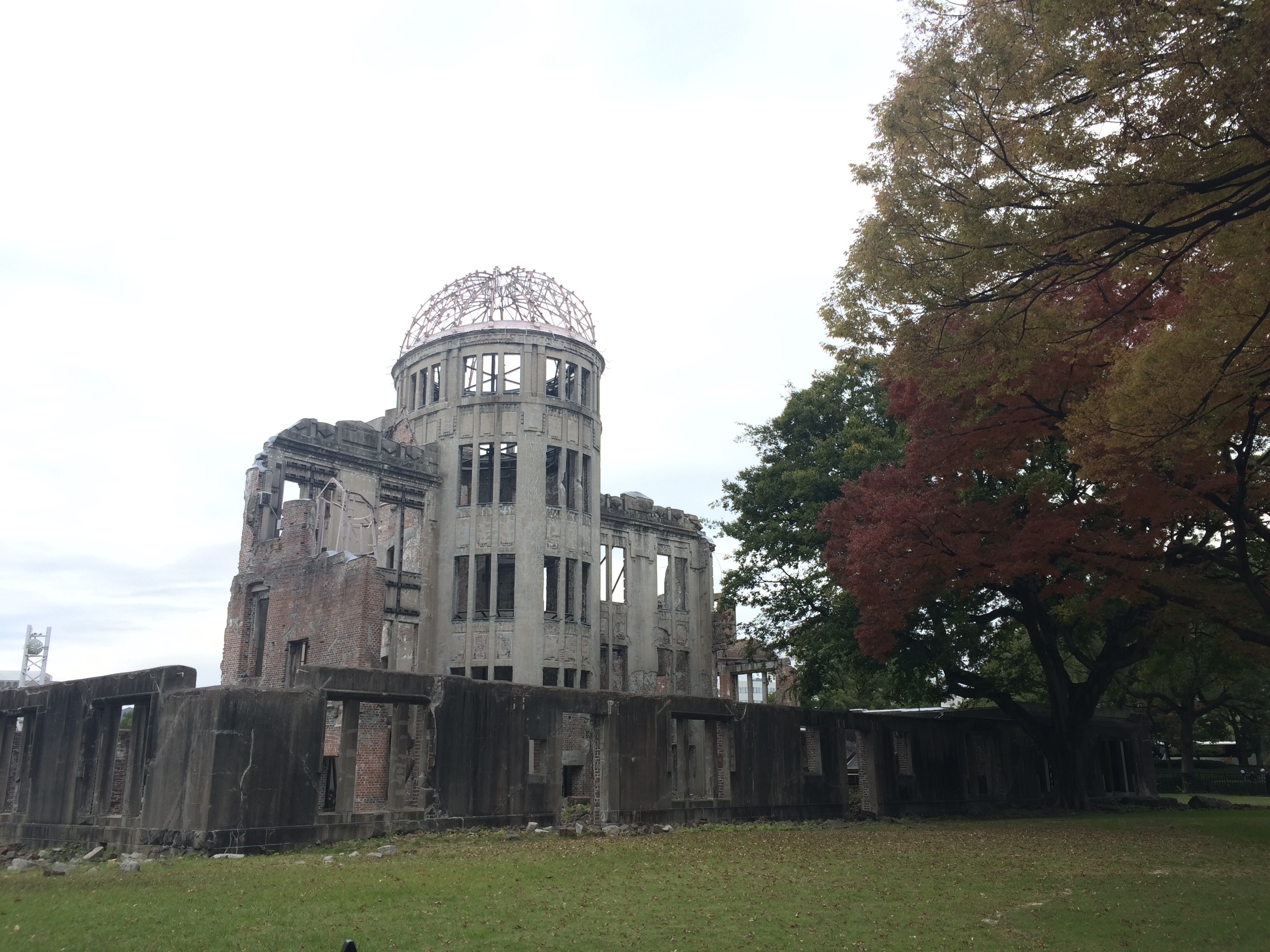
Hiroshima is of course well known as the city that was destroyed by the world’s first atomic bomb. At 8:15 on August 6th, 1945, the Enola Gay flew over Hiroshima city and dropped an atomic bomb that devasted the city. It instantly killed approximately 80,000 people and tens of thousands more died from radiation exposure. Today, Hiroshima is a city that represents peace and their Peace Memorial Park in the city centre stands as a reminder to all of the atrocities that have occurred and the importance to strive for peace in our mad world. It’s a beautiful, simple, yet somehow somber place that has hundreds of school children running about as they visit to learn about a huge event in their history. Also, we learned that they come to the park because of the many English speaking tourists and will ask if they can speak to you in English to complete the assignments they have been set for the day. We felt like celebrities. As we walked around, they shouted ‘Hi!’ to us, and one group asked us questions about ourselves as their teacher looked on and took pictures (of course!). We were then given an origami crane that they had made, which throughout Japan is a symbol of healing and peace. We listened to a group of kids singing as they were gathered around the Children’s Peace Monument, which was rather beautiful and then went to see the A-Bomb Dome. The structure of the building was one of the few that wasn’t completely destroyed, but all of the people who were inside perished. 
Origami cranes behind mother and child statue

A-Bomb Dome
 
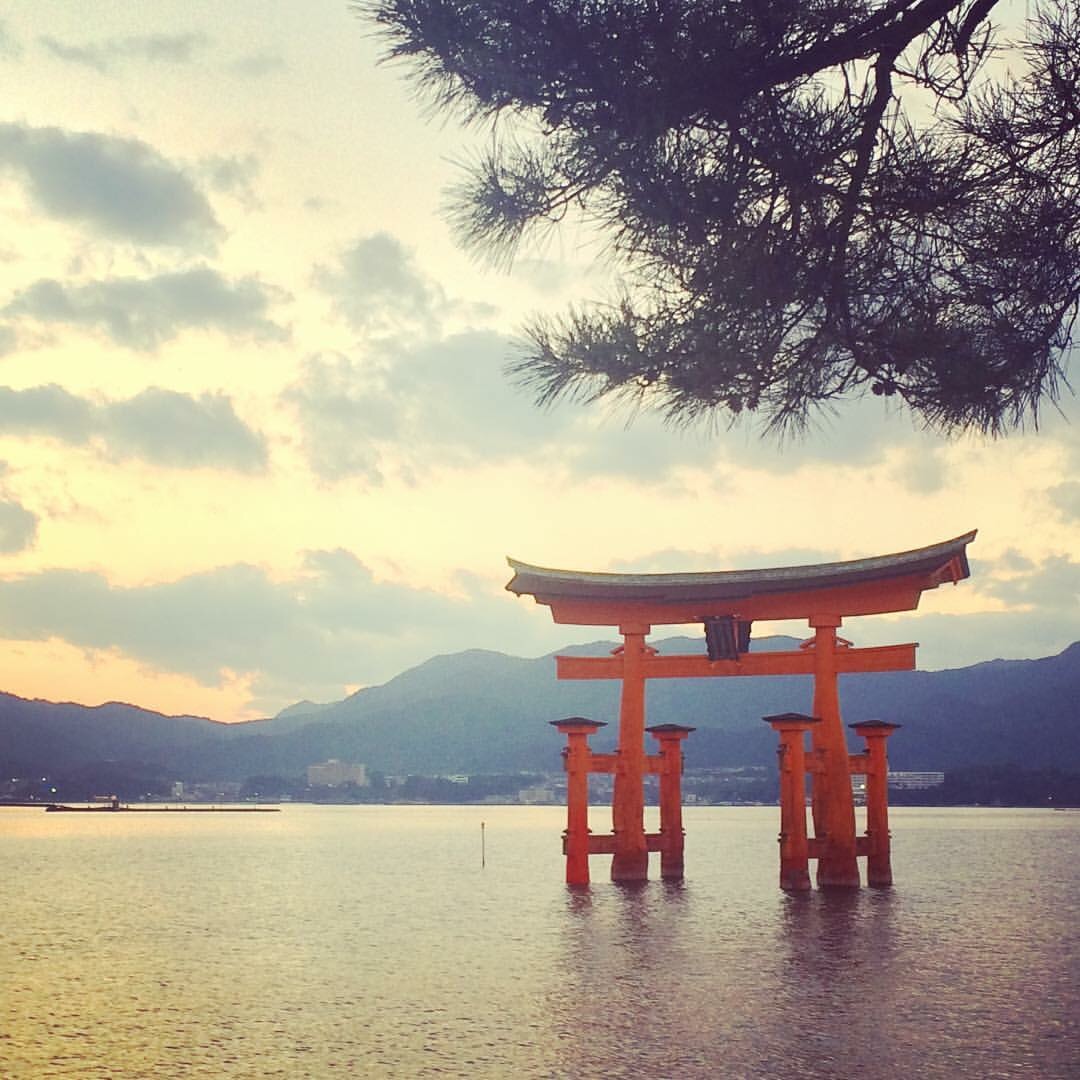
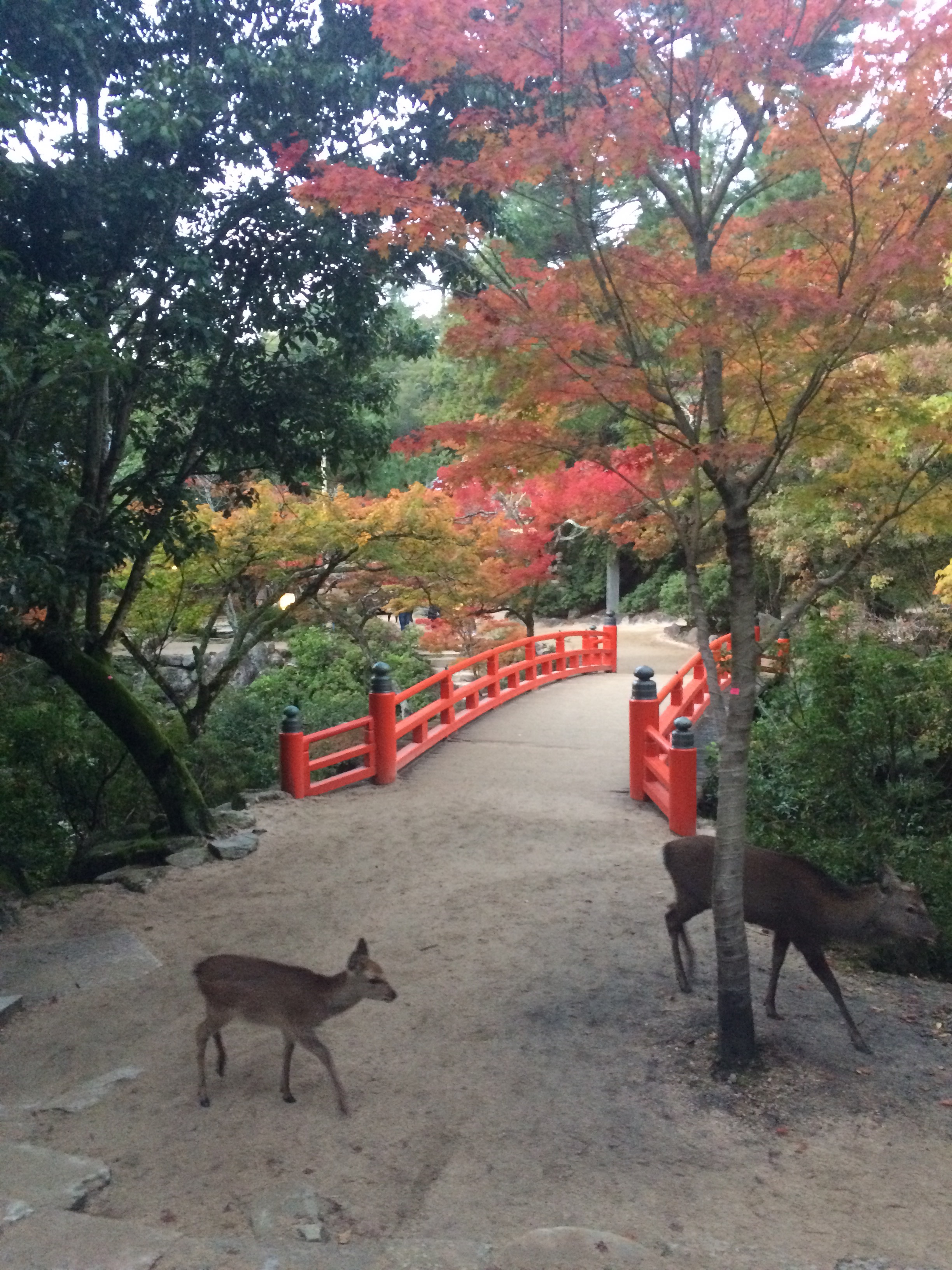
We went for a refreshing evening run in the rain around Hijiyama park and had a noodle dinner in the hostel to ready ourselves for a trip to Miyajima the next day. Officially called Itsukushima, the small island is home to the ‘floating’ torii gate, which appears to float in the water as the high tide comes in. It is an iconic Japanese image, a UNESCO world heritage site and is certainly a popular place to visit! The island also has wild deer that have become accustomed to the human visitors and wander around the streets, looking for snacks in handbags! Our lunch was Okonomiyaki, a Japanese omelette dish with cabbage, meat and vegetables. As oysters are a Miyajima specialty, I had those in my okonomiyaki. I’m still not sure I love oysters!!

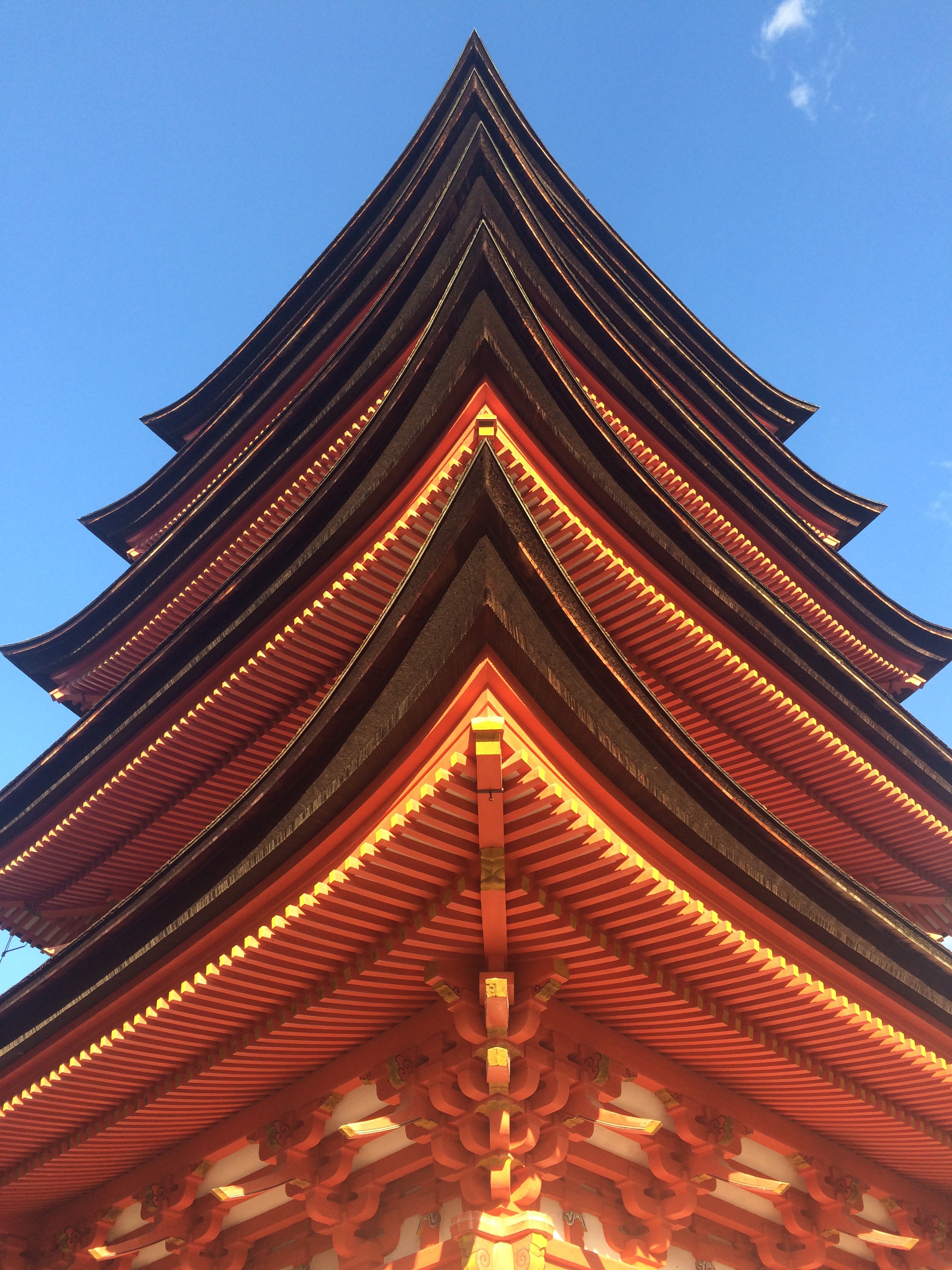
Pagoda in the afternoon sun

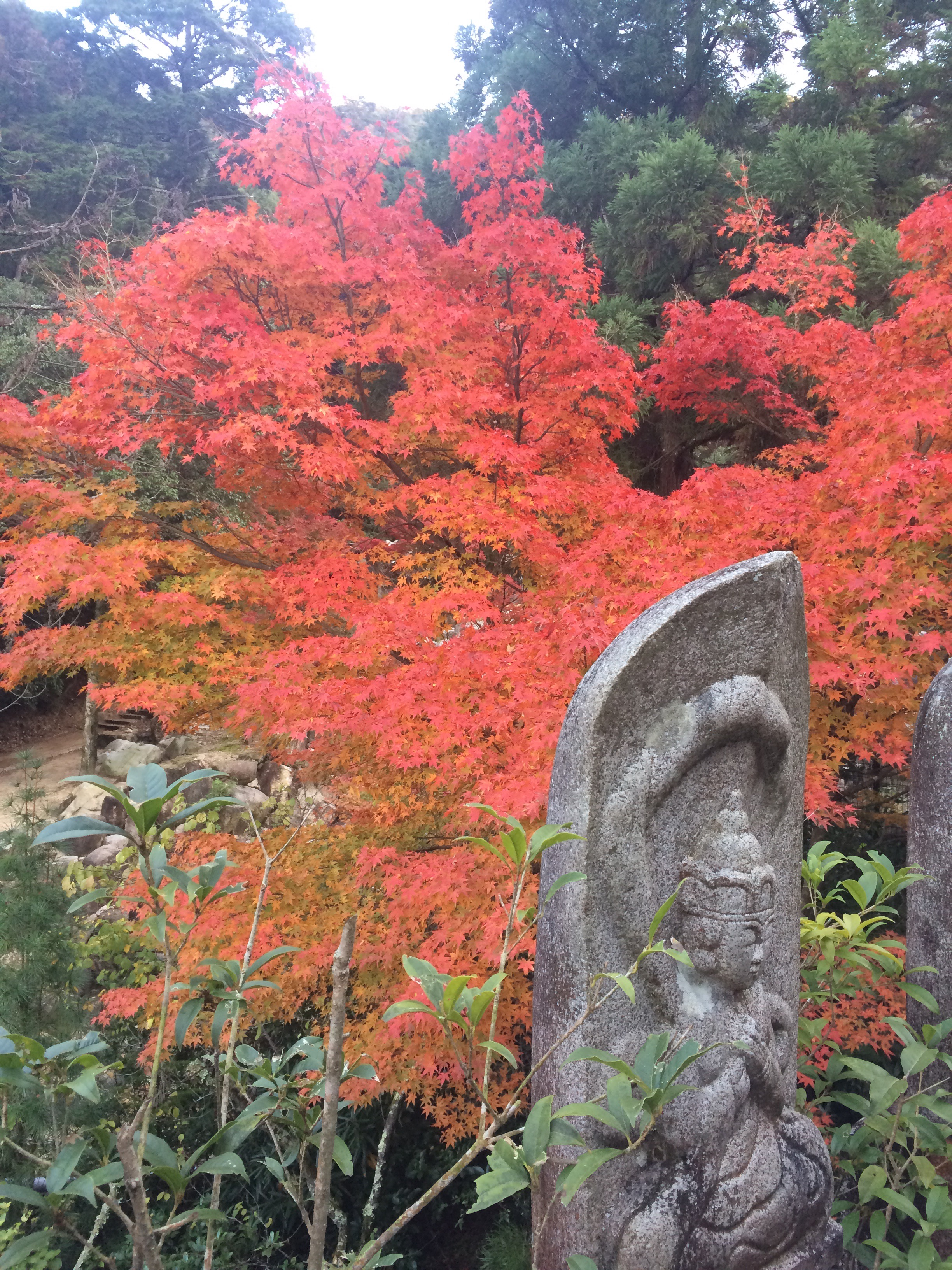
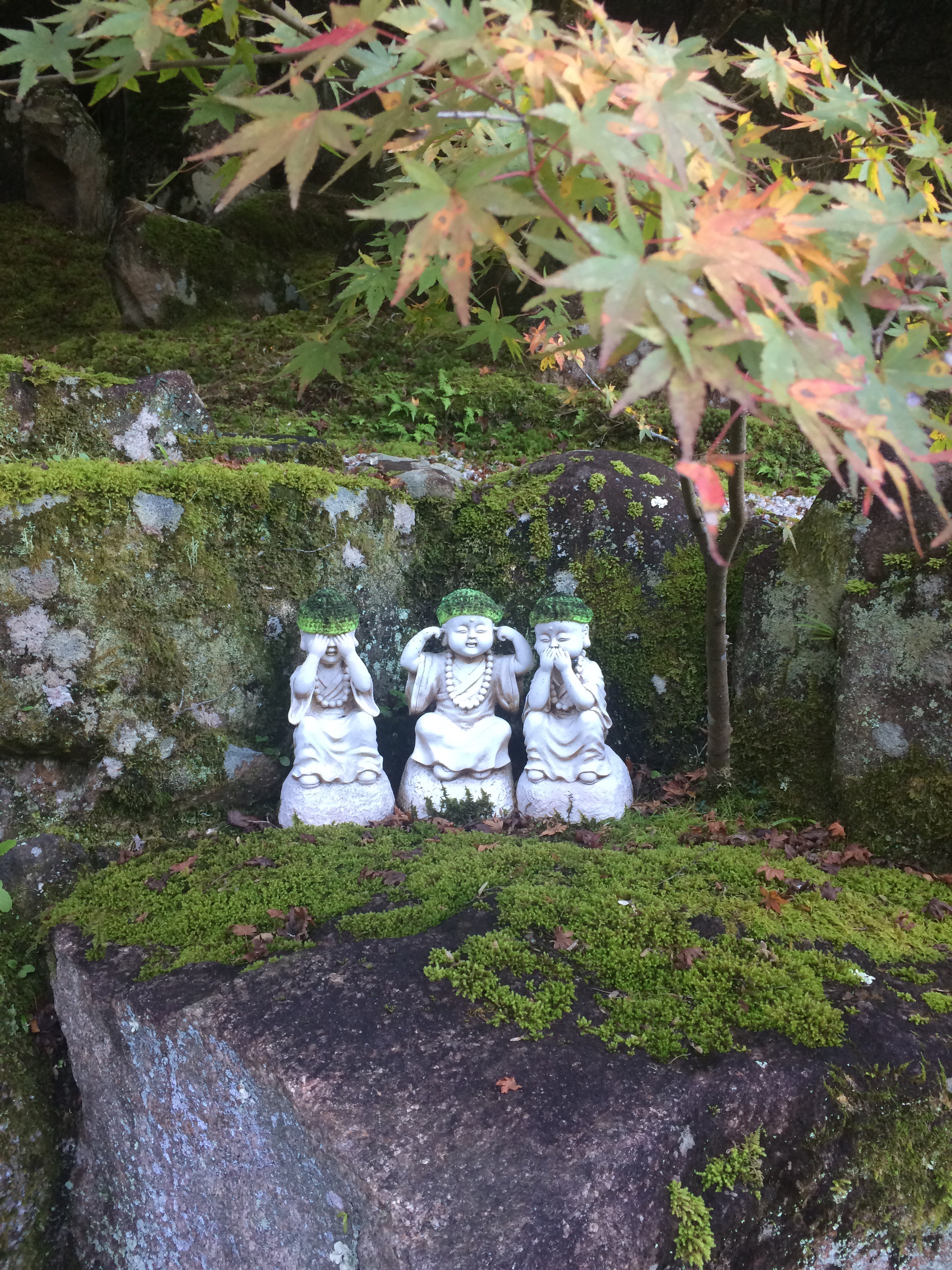
We visited the beautiful Daisho-In temple, which is one of the most prestigious Shingon temples in Japan. From our leaflet at the front gate, we learned more about Buddhism, the Shingon sect and the Buddhist Deities. As the sun was setting over the trees, the autumn colours on the trees were breathtaking, and a camera simply didn’t do the sight justice.

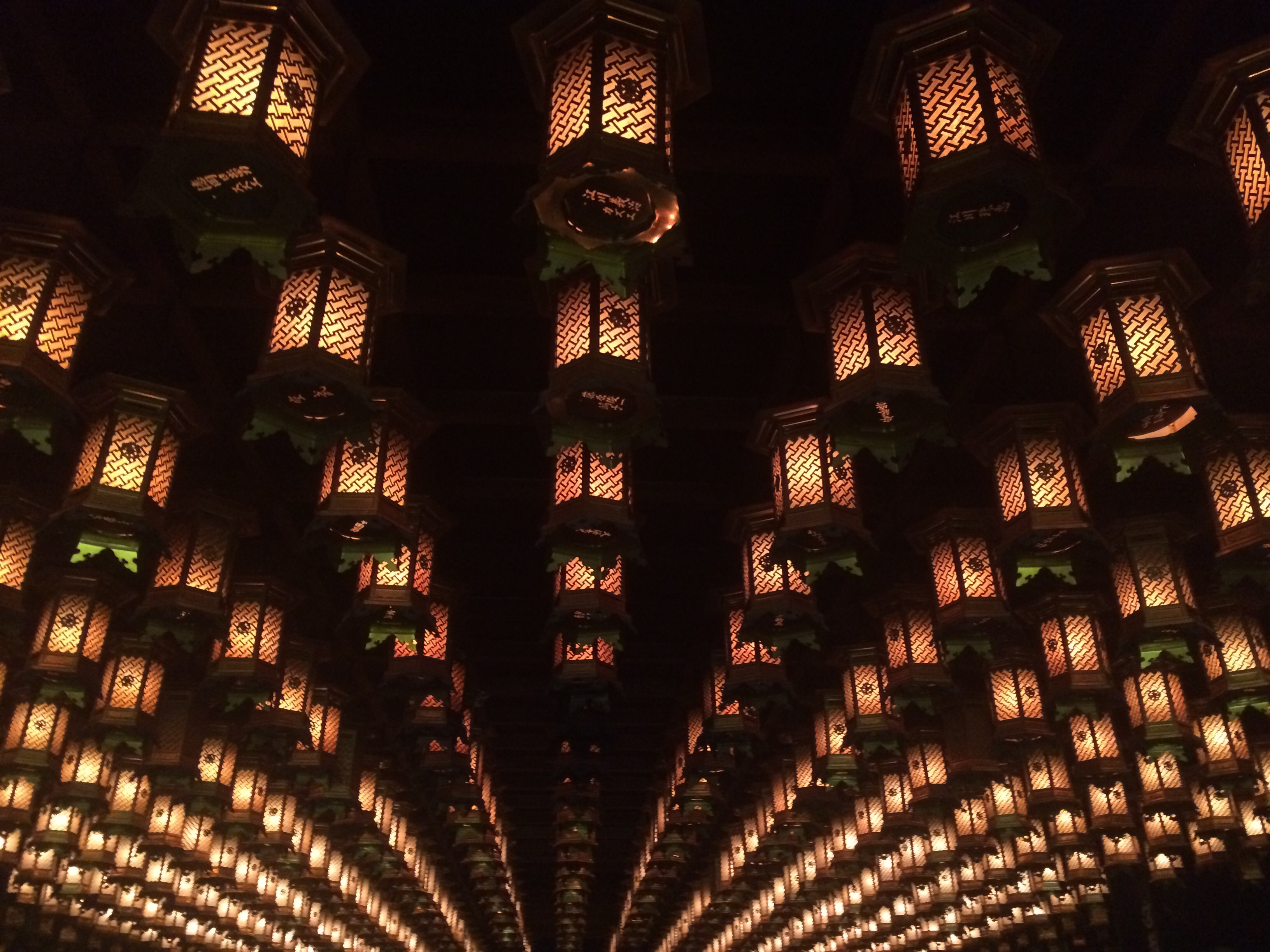
Lantern ceiling

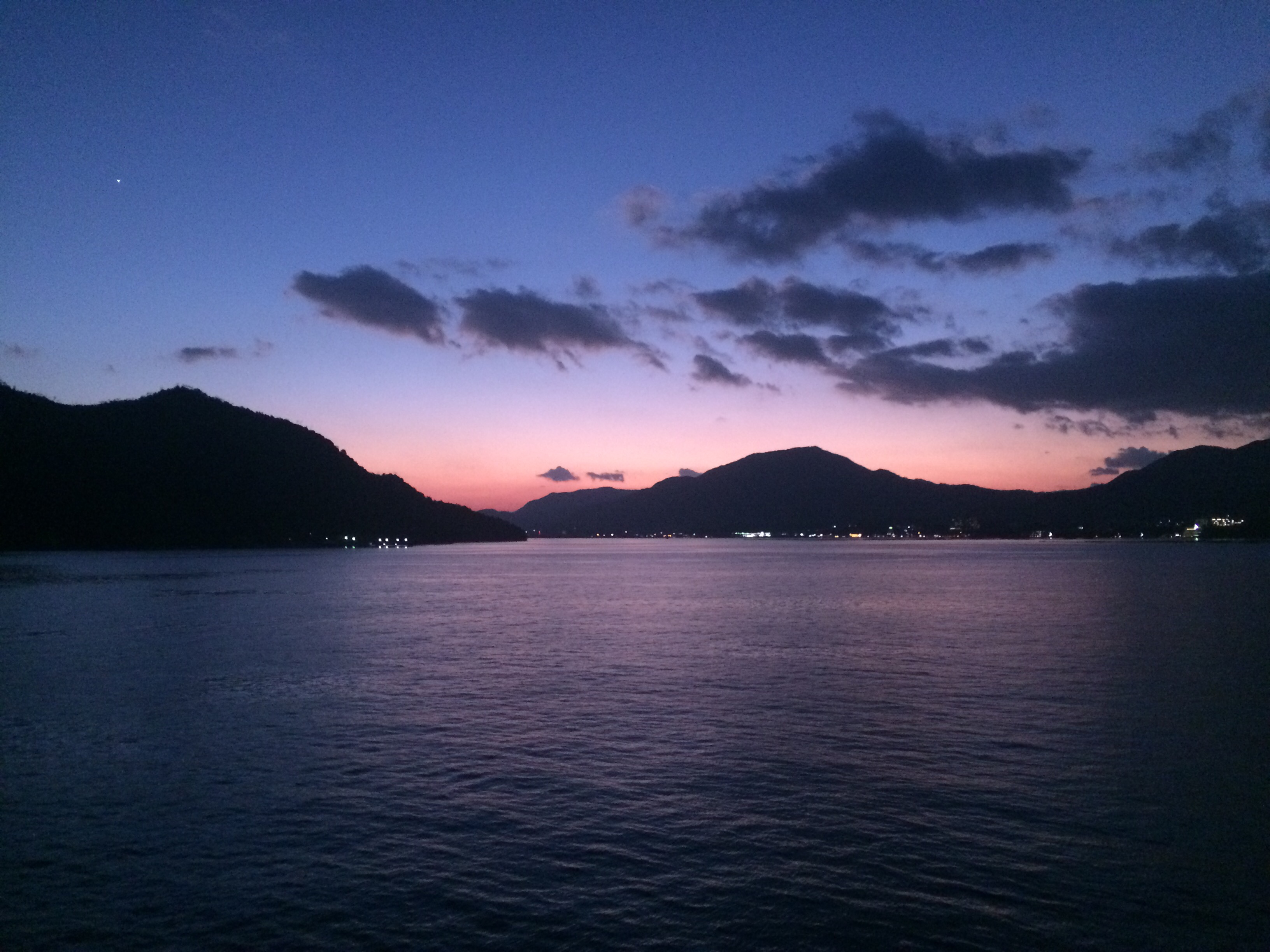
We hopped back on our ferry to the mainland as the sun set over the sea, a sight that never gets old!  


Next up: Naoshima island

-F xx

Juicy Jeju Island

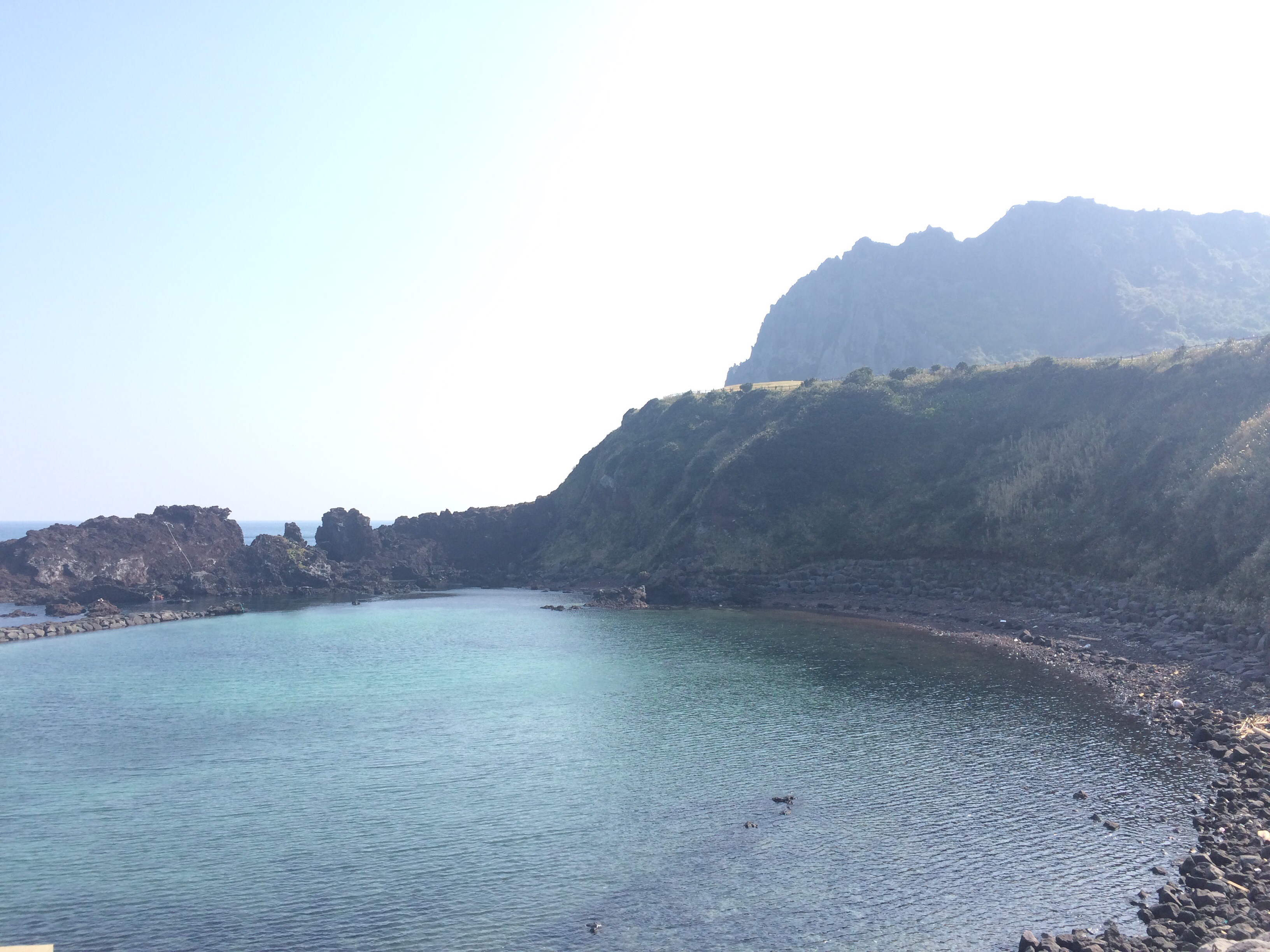
We were very sad to leave Seoul and our wonderful guesthouse, but it was time to move onto Jeju. We hopped on a flight to the island off the south coast of South Korea with our hiking gear at the ready. Jeju is known for its beaches, juicy tangerines, volcanic landscape and is home to Mount Hallasan, Korea’s highest mountain, and a volcanic tuff cone known as Sunrise Peak. We based ourselves in Seogwipo, on the south of the island. 

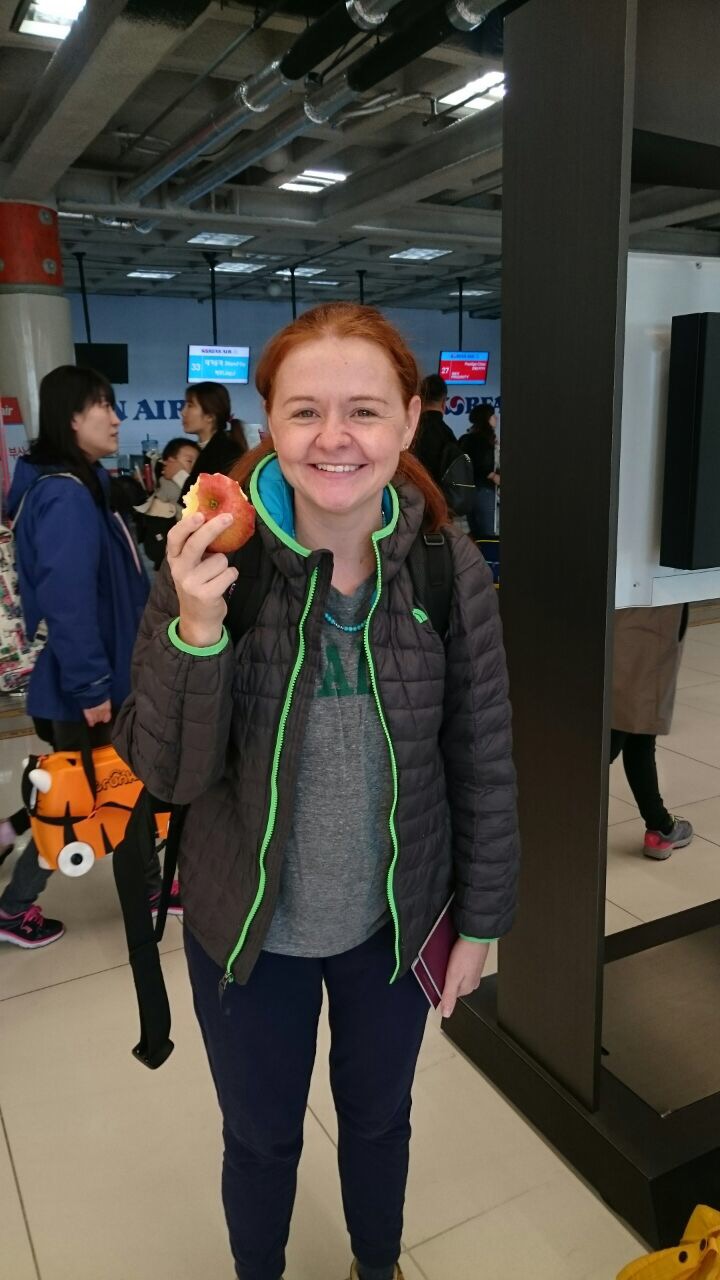
Off to Jeju with Mrs. Kim’s apples!

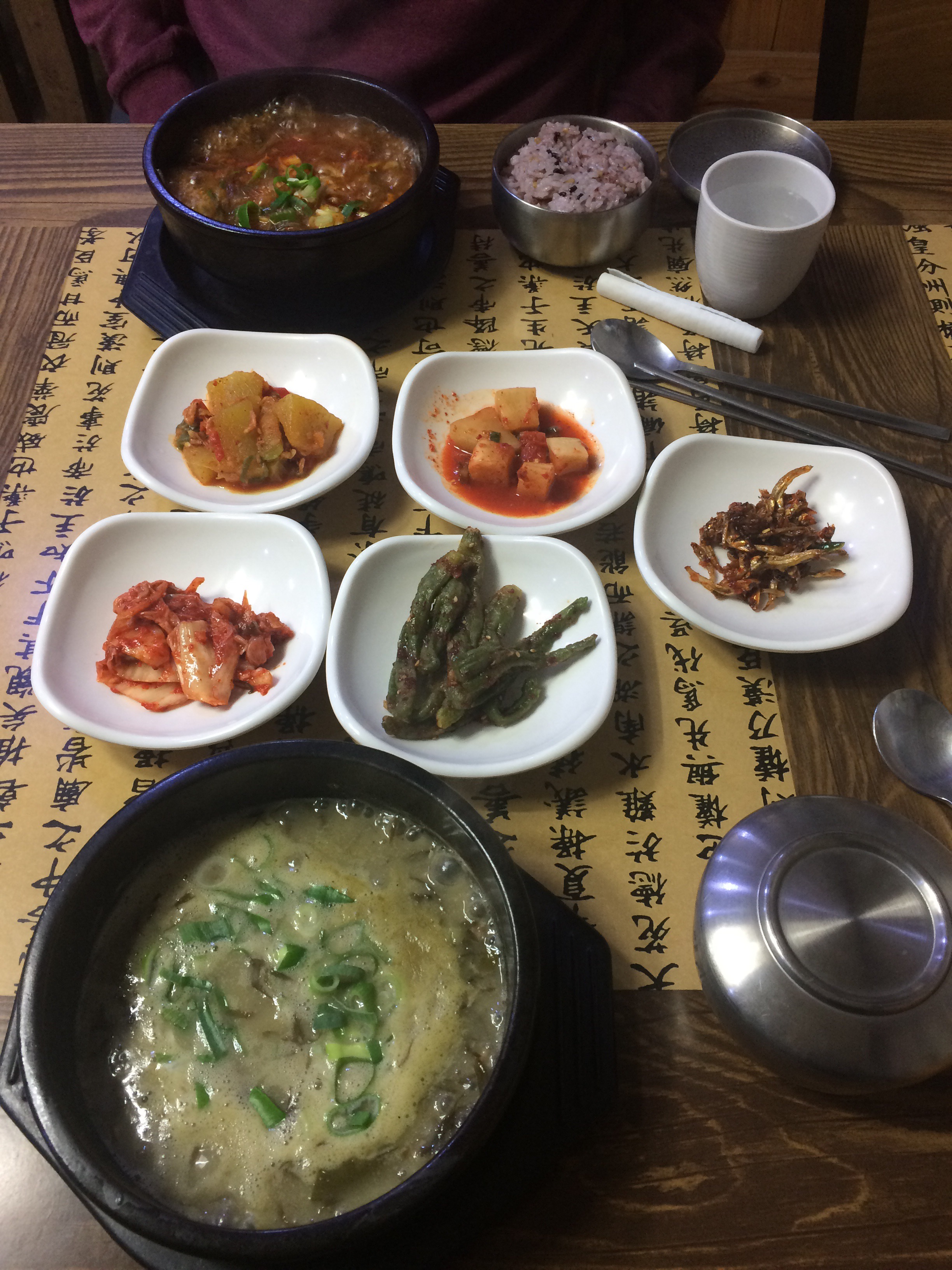
Our first evening led us to a small local restaurant that had no other customers, but 4 women who seemed keen to cook something for us! We weren’t entirely sure what we had ordered, but we had an absolute feast. Having passed many tanks of HUGE eels outside restaurants in search of dinner, we were glad not to be eating anything that had wriggled its way onto our plates. We prepared ourselves for an early start the next day to climb Mount Hallasan. 


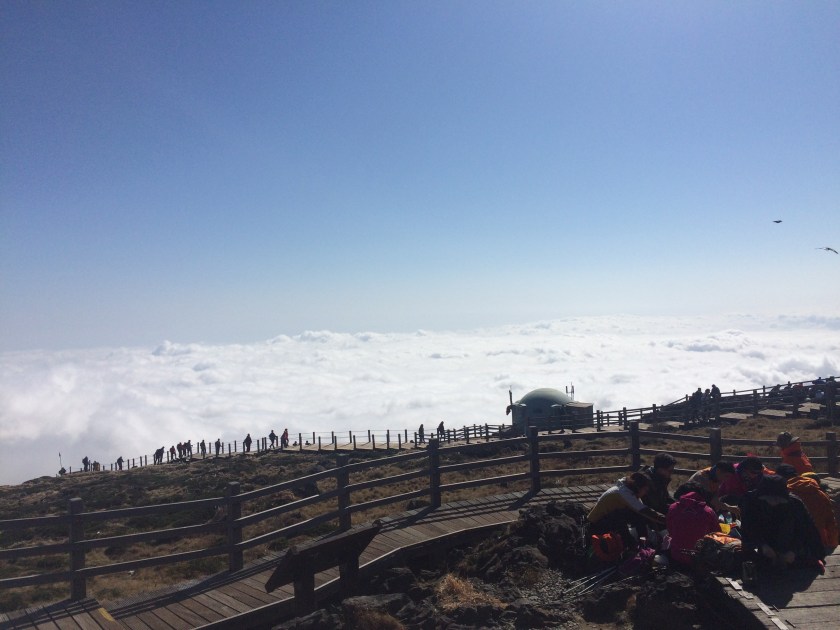
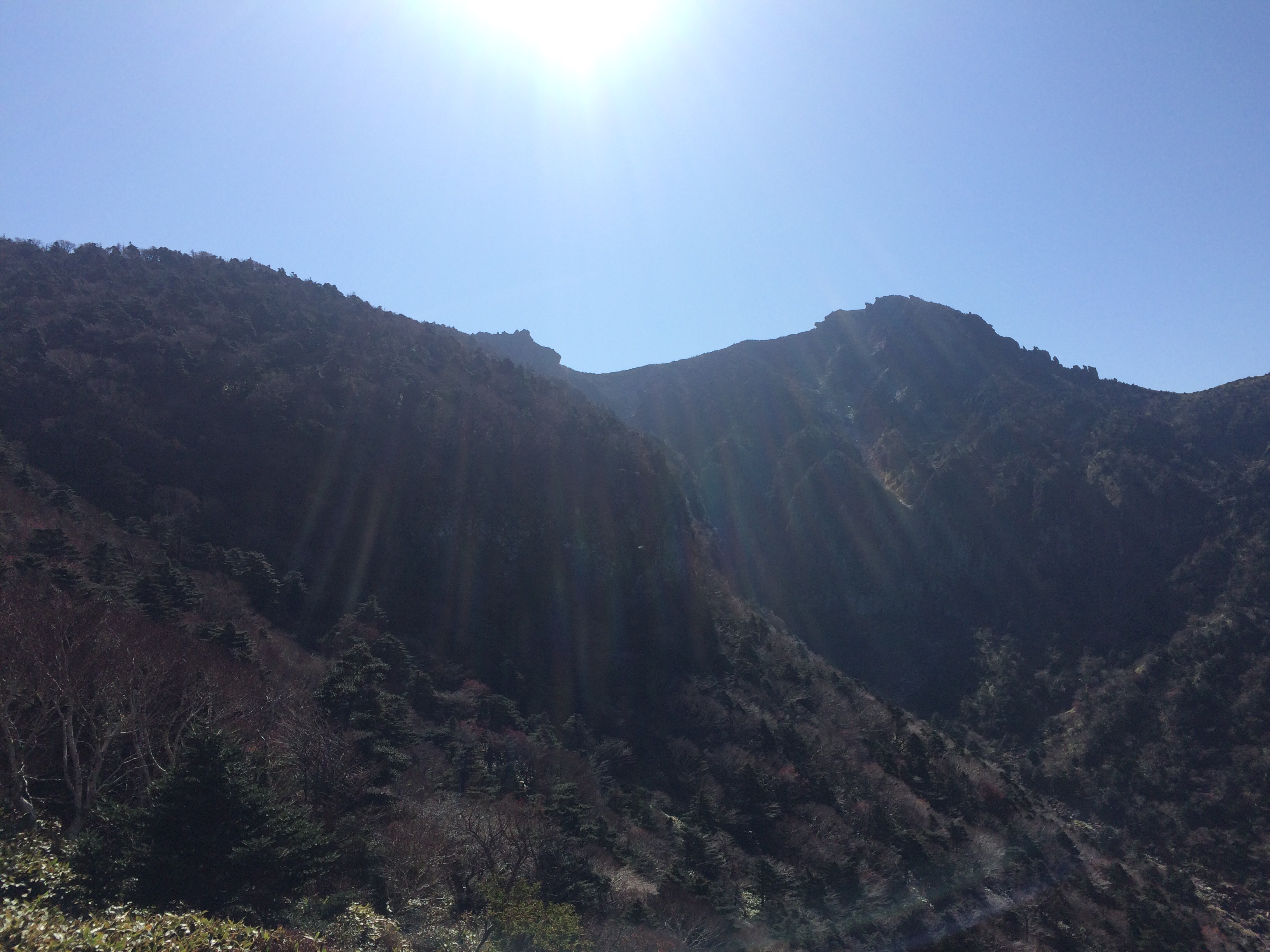
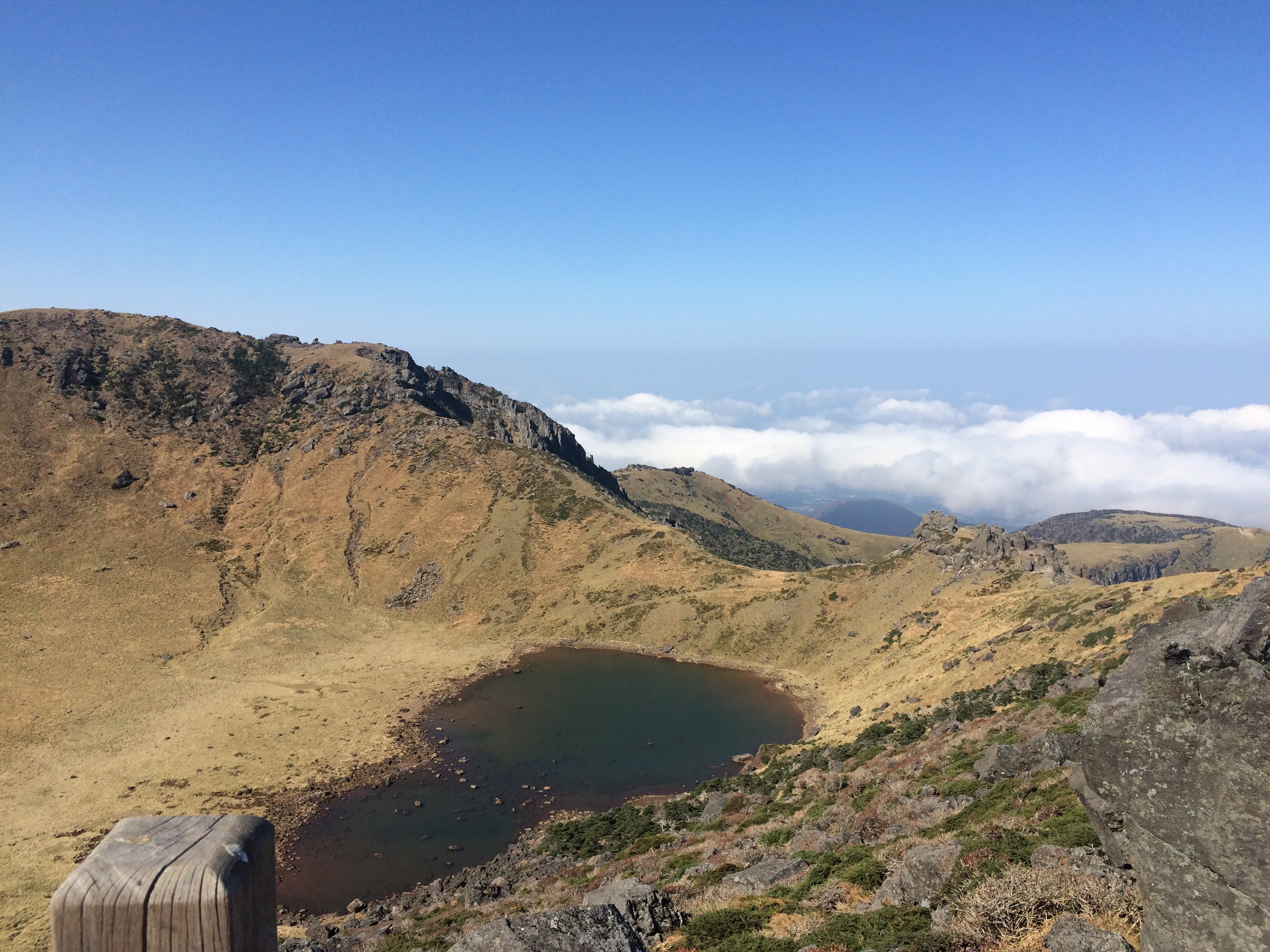
We boarded a local bus at 7:15 which picked up a few other keen hikers on the way. Again, we were amazed as big groups of middle aged and elderly Koreans in their brilliantly colourful gear hit the trail with us. We chose to ascend the easier side, as it’s the only place the bus brings you to (I was secretly delighted as I still had a horrible cough). The trail up, Seongpanak, starts out quite leisurely and has a few steep parts. The biggest problem was how crowded it was, but we manoeuvred our way through, stopping for some well deserved instant noodles at the main resting place. You have to reach this by 12 to be allowed to continue up to the summit. The view from the top was breaktaking, looking down at the clouds below from 1950 metres up! To our right we saw Baekrokdam, the lake-filled crater of this dormant volcano. We decided to descend on the harder trail and I’m so glad we did. Although a bit trickier in places, we saw far fewer people and the scenery of the peak was spectacular. 


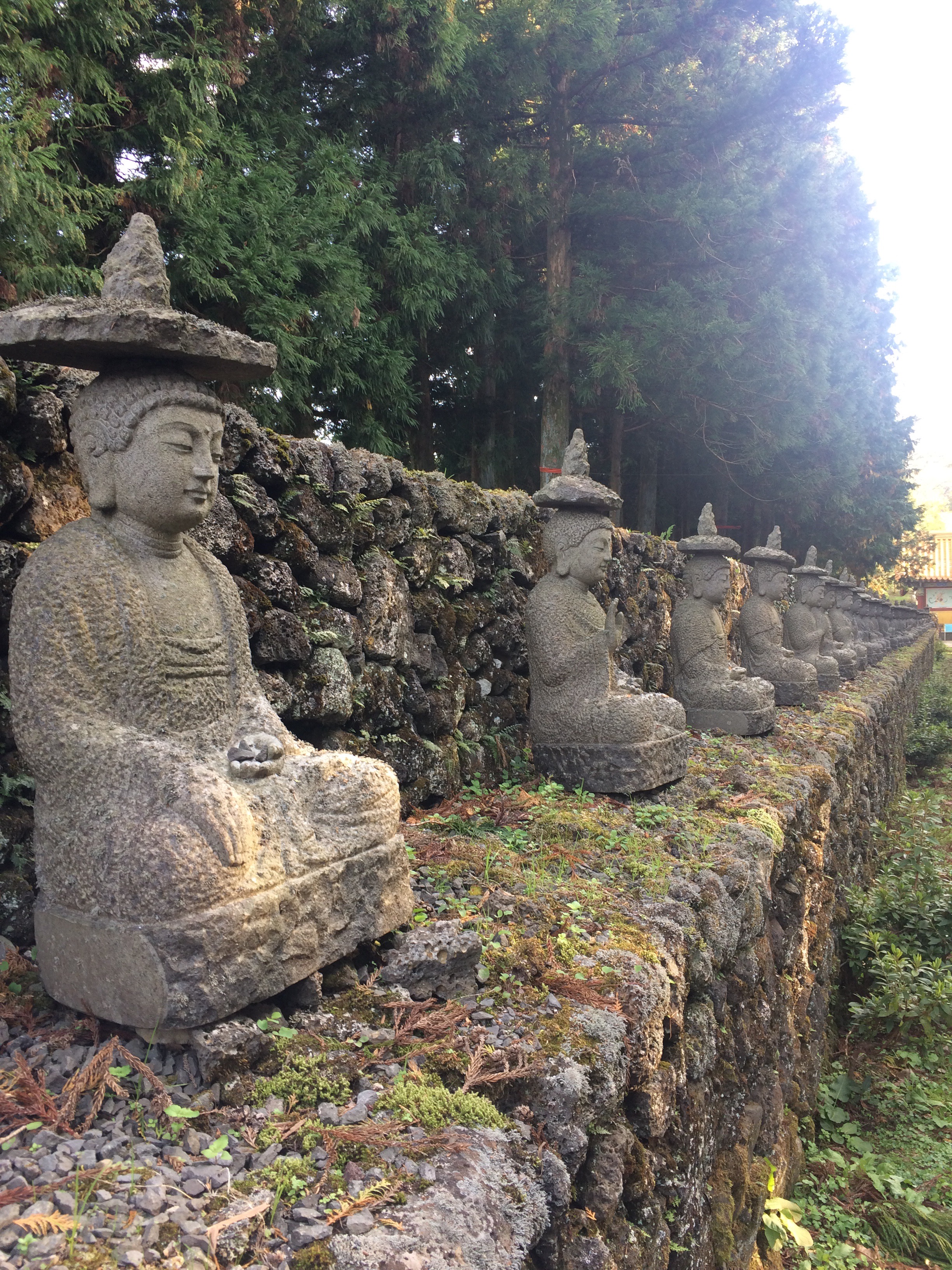
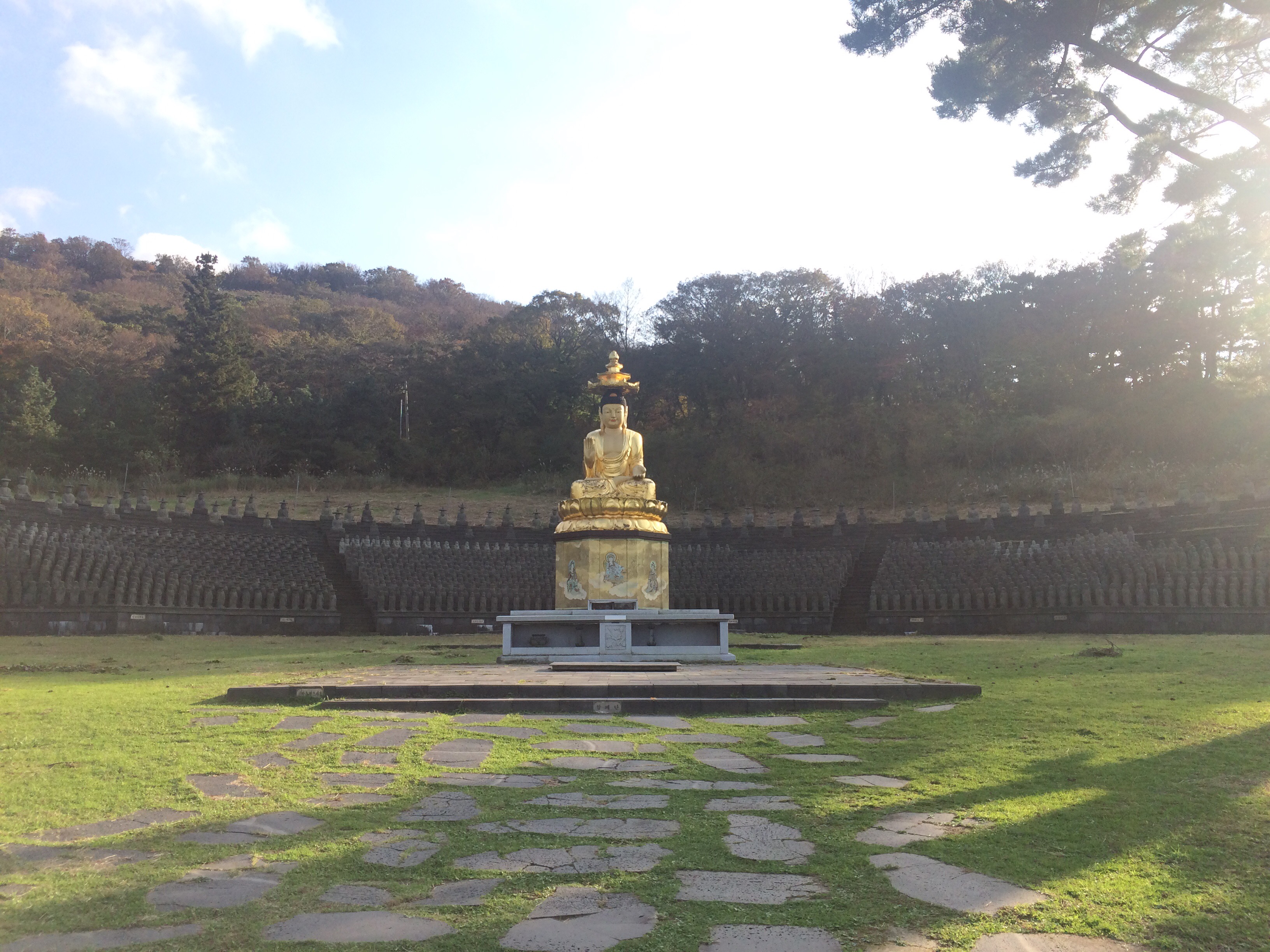
Once we reached the bottom, some hours later, we had to walk towards Jeju city, a few kilometres away, to catch a bus back to Seogwipo. We decided to stop at the Gwaneumsa temple, home to two beautiful Buddha statues, one stone and one golden. 


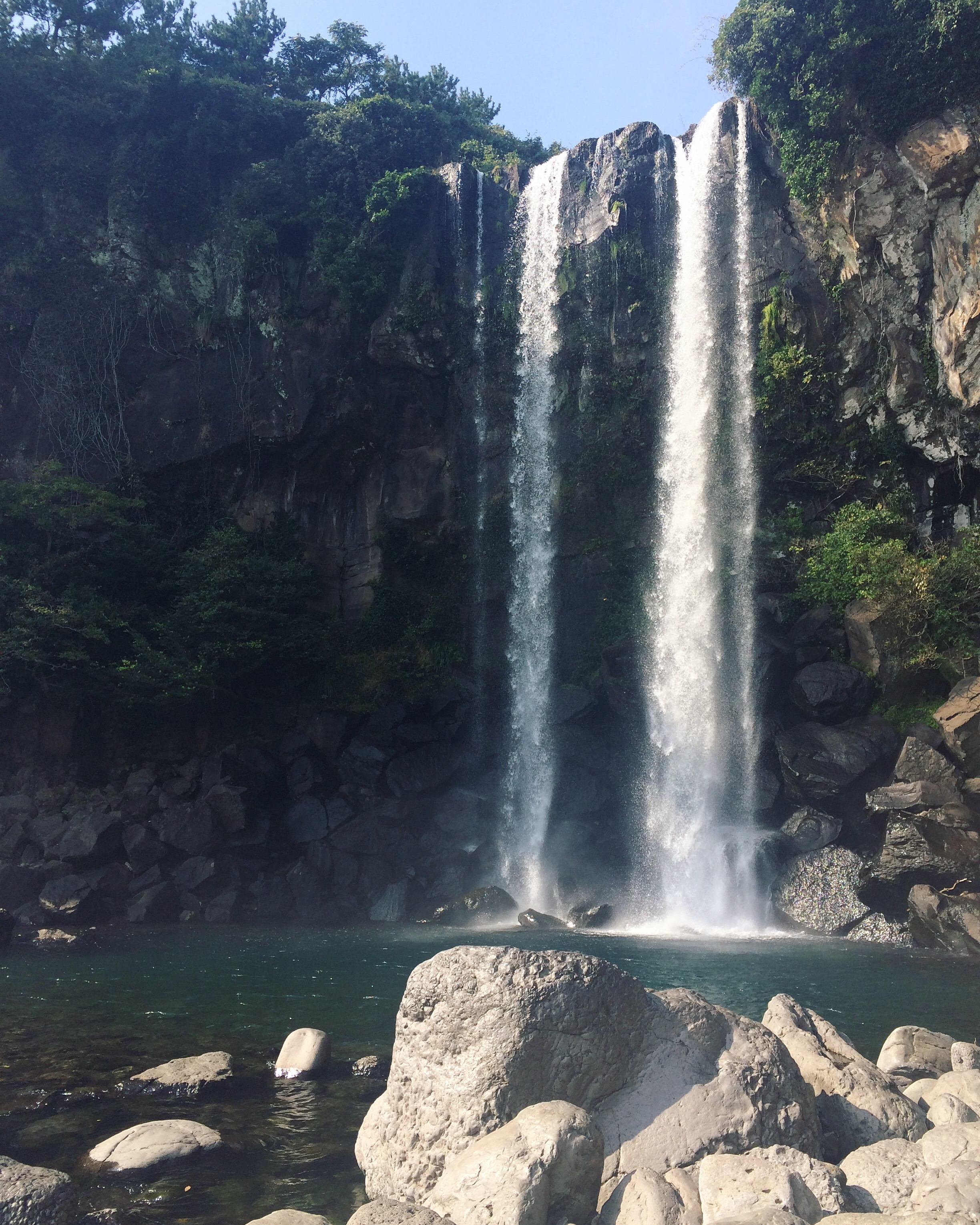
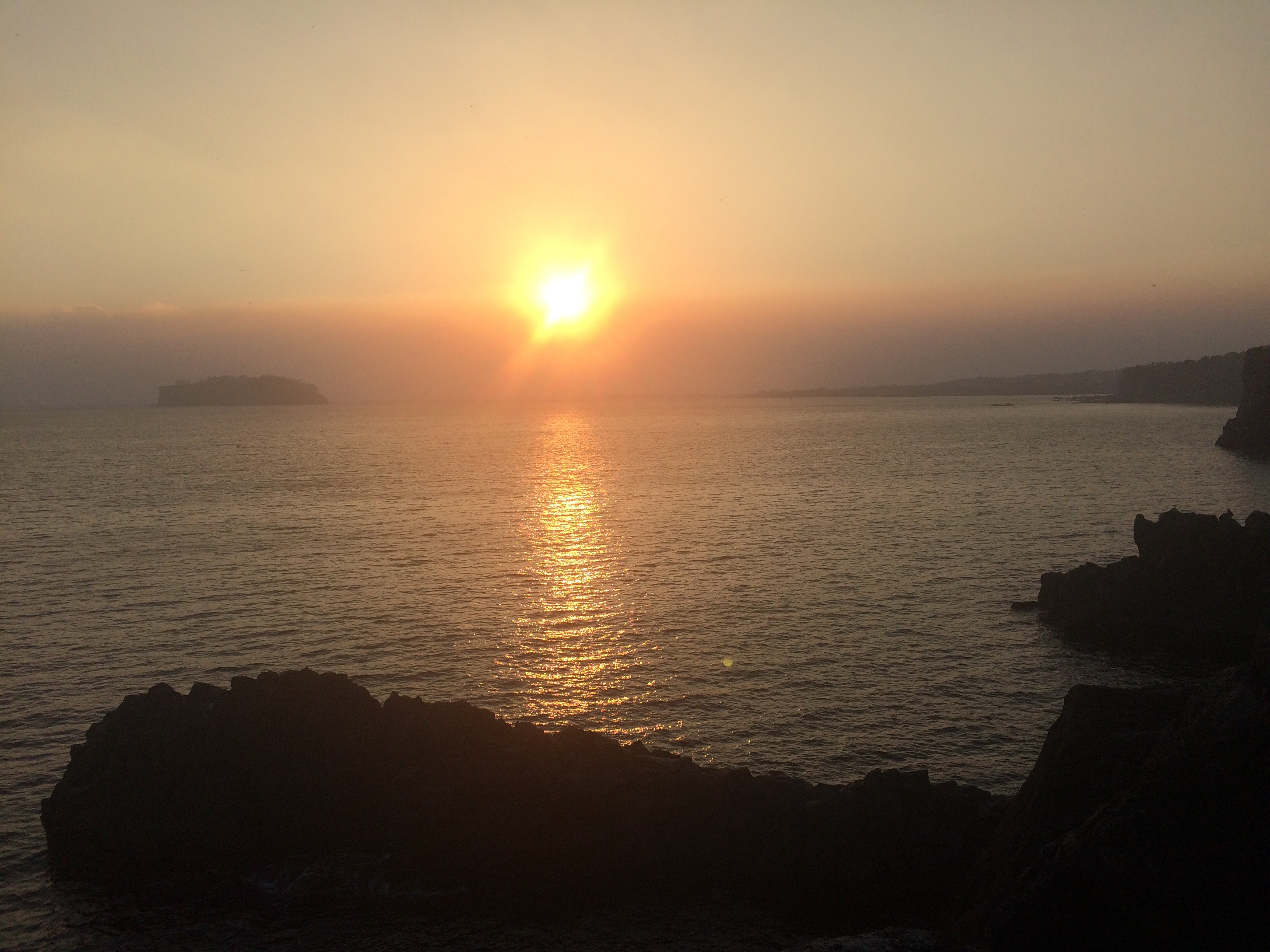
Jeju still had more to show us though, and the next day we visited not one, but three waterfalls. The most beautiful being Jeongbang, which is the only waterfall in Asia to fall directly into the sea. We followed about 10km of the coastal trail and sat to watch the sunset at Oedolgae rock. 


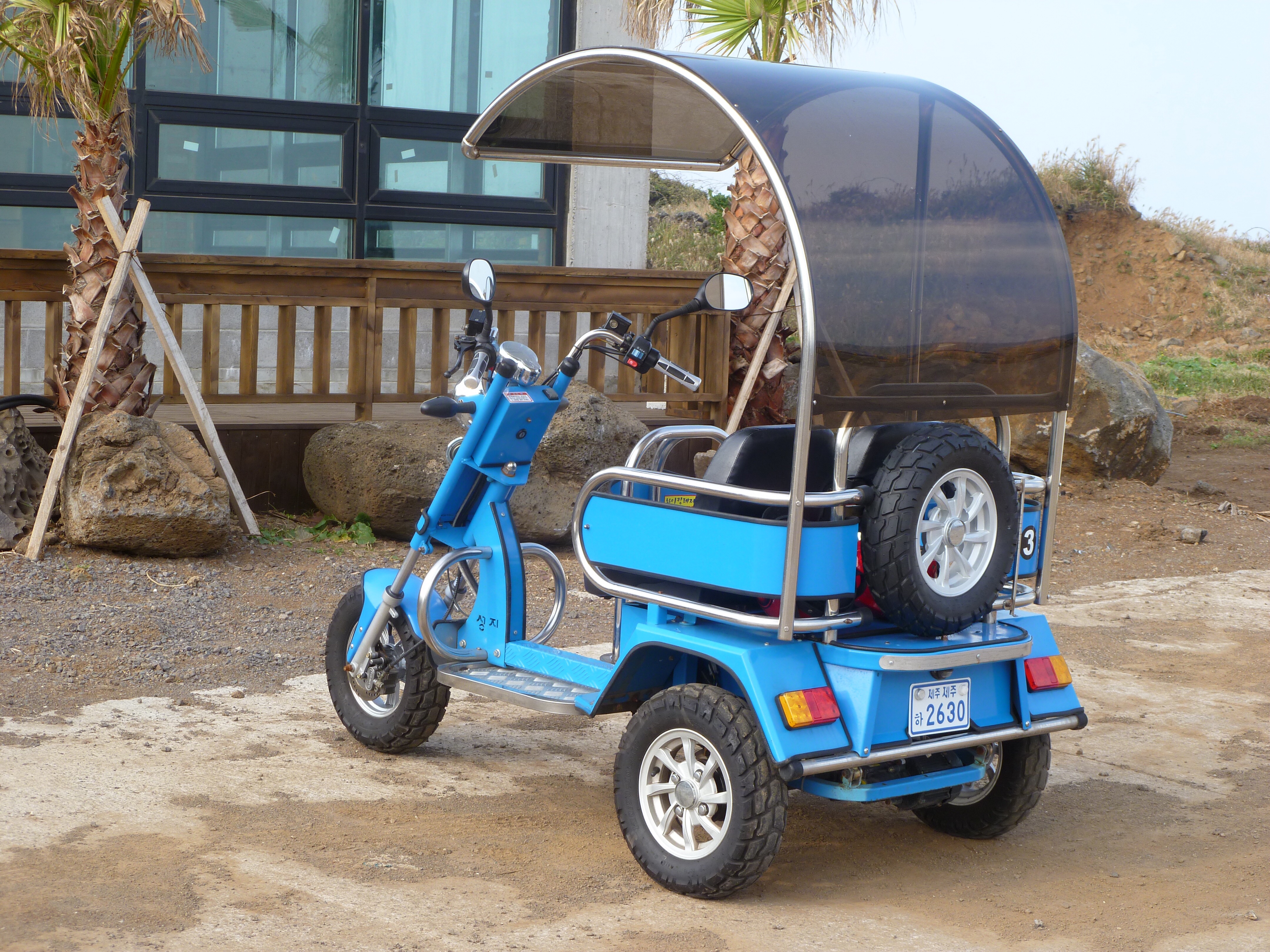
Another early start the next day saw us hopping on a bus to Seongsan on the east of the island, where the sunrise against the volcanic tuff cone, Seongsan Ilchulbong, is a World Heritage sight and one of the most photographed places on the island. Unfortunately the bus doesn’t bring you there early enough to see the sunrise, but a climb to the top was certainly worth the hour long bus journey! As we were in the east coast, we decided to get the ferry to a smaller island called Udo, where we rented some bikes to explore. Our gearless rust buckets did the trick, as we overtook some of the golf cart type things that the Korean tourists were whizzing about in. 

There was plenty we didn’t get to see on Jeju and in the summer time, when the water is warm, it is supposed to be a wonderful place for snorkelling and diving. We’ll have to put on the ‘to return’ list. Armed with a bag of juicy tangerines, we headed for Busan. 

-F xx

Seoul: Food and Hiking

We have split Seoul into a couple of posts, because there’s just so much to talk about. From the moment we landed we were greeted by cheerful salutations and lots of bowing and smiling. I was in love already. We have had an amazing experience travelling through Europe and Russia, but having never travelled to an Asian country, this leg of the journey was something extra special. We hopped on the train to Seoul Station and found our way to ‘K Seoul Guesthouse’. All of the reviews talked about the owner Mrs. Kim being so kind and wonderful and she met us at the door with a great big smile. She and her son were fantastic hosts and our fried eggs and toast with homemade jam every morning was a welcome addition! She even brought us two huge red apples as a gift on our last night, as she was leaving to see her daughter in Japan. If anyone reading this is going to Seoul, you want to stay with Mrs. Kim! 

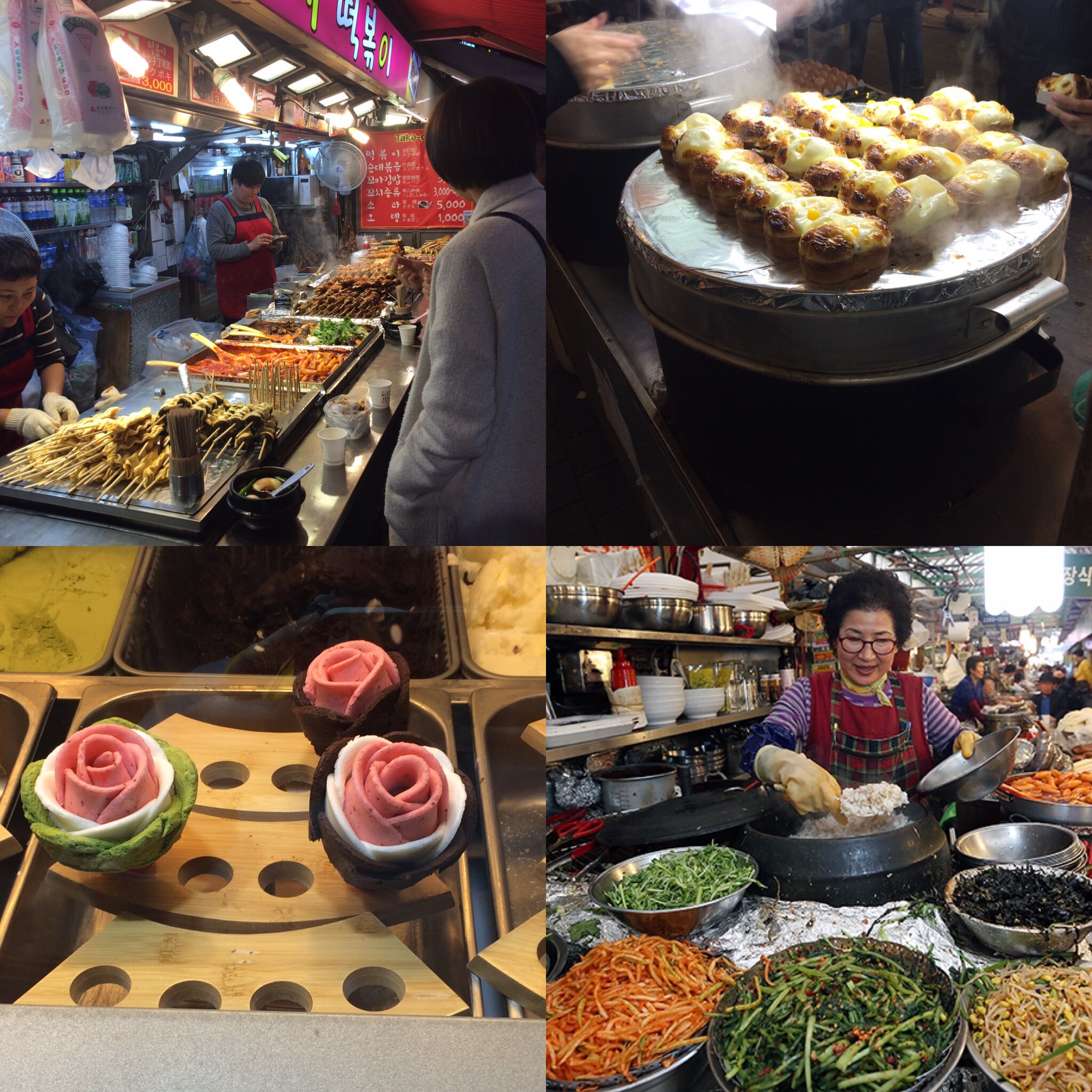
Okay, my topics are food and hiking, let’s start with food 🙂 I didn’t know too much about Korean cuisine before arriving, but I had heard that Kimchi is served with most meals. Kimchi is fermented cabbage in a spicy sauce, which sounds disgusting, but is really tasty and refreshing! And it really is served with every meal. We ate at Gwandemun market, which was bustling with stalls selling anything you want and then in one section, food stalls. We had some crispy chicken with nuts as a little starter as we wandered around and then sat at a small stall and ordered Bibimbap and tofu noodle soup. All of the produce is in containers in front of you and just scooped into your bowl, ready in seconds! Apart from the man sitting next to me who was determined to mix Graham’s Bibimbap for him, it was wonderful! Bibimbap is a popular dish here, made from rice, veggies and a red pepper paste that you mix together, sometimes with an egg. 


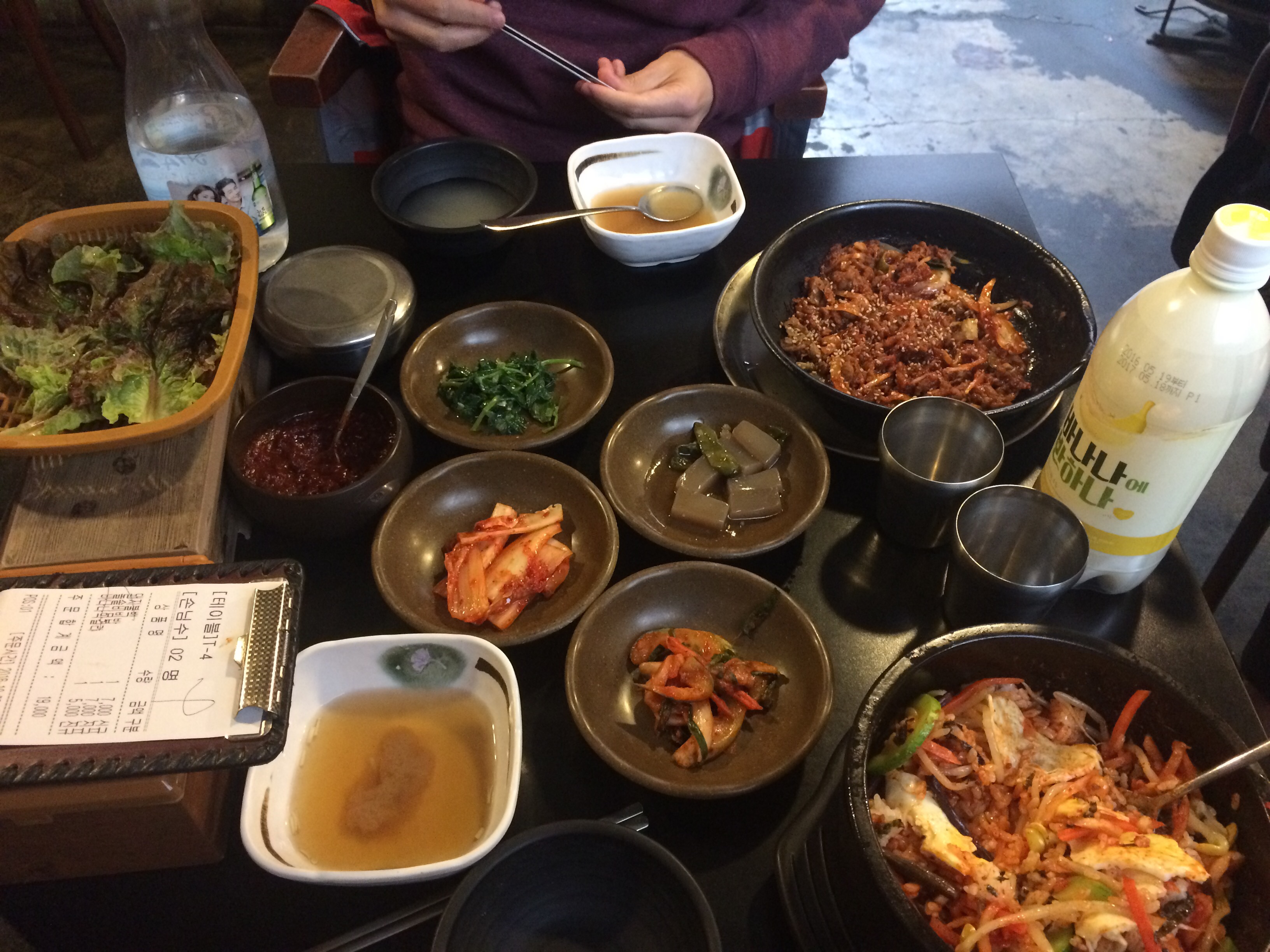
Probably our best meal was at a small local restaurant down a back alley in Hanok traditional village, where we also sampled some banana wine. I wasn’t a fan, but Graham was rather taken with it!! I had Bibimbap this time and Graham had beef Bulgogi, another local favourite, that is beef strips marinated in soy, sesame, garlic, ginger and sugar. There were so many side dishes of kimchi, pickled ginger and seaweed, we hardly had space on the table, which is a recurring theme here in Seoul! We started to get the hang of the restaurant etiquette by day two, water is usually self serve, with a water fountain somewhere in the restaurant, some places have a vat of kimchi where you can have a second helping if you like and chopsticks can be found in a wooden box at the end of the table. We’re total pro’s now, although still have moments where we’re not entirely sure what we’re eating, not that it matters, as it’s all delicious!! 


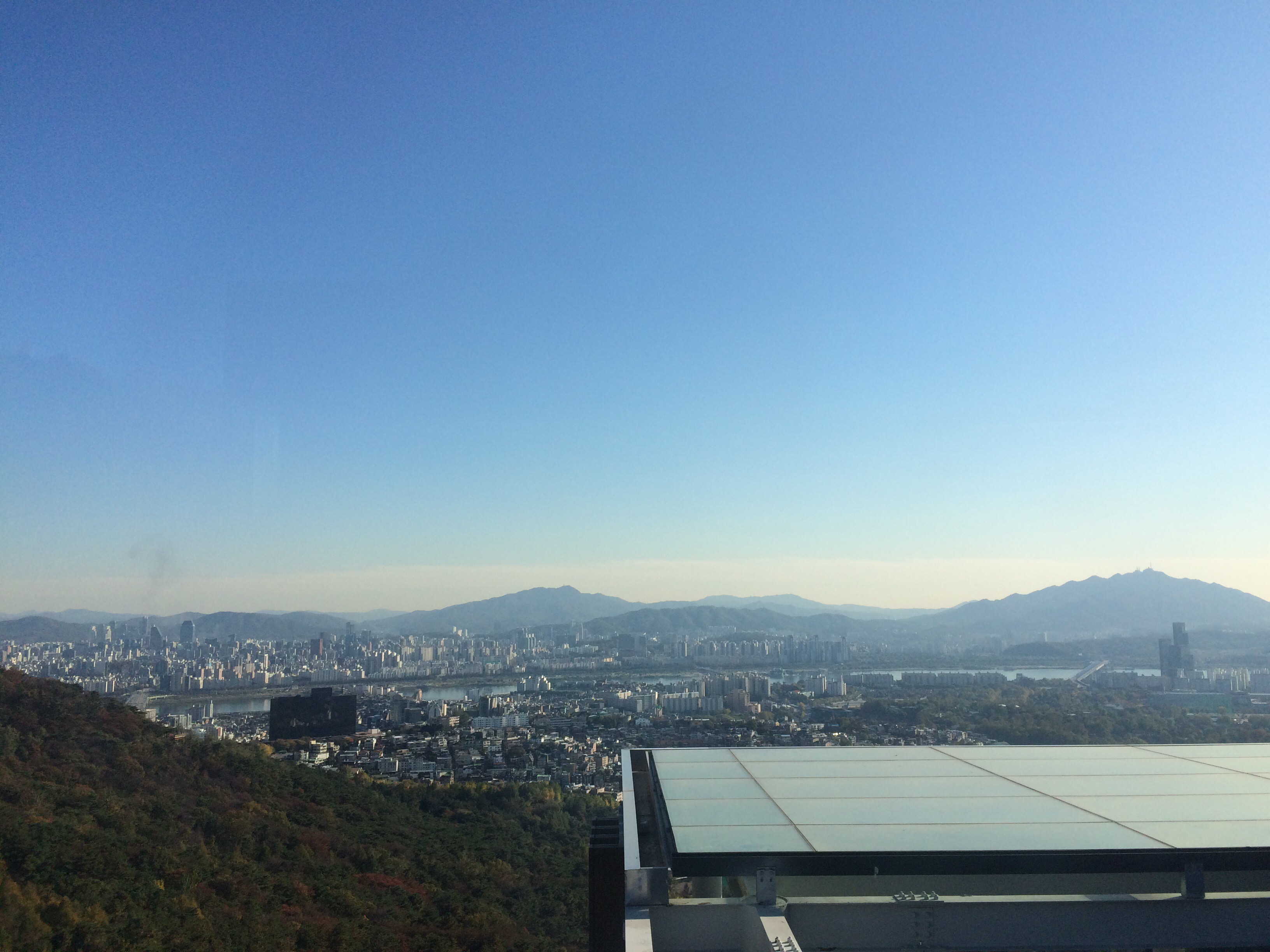
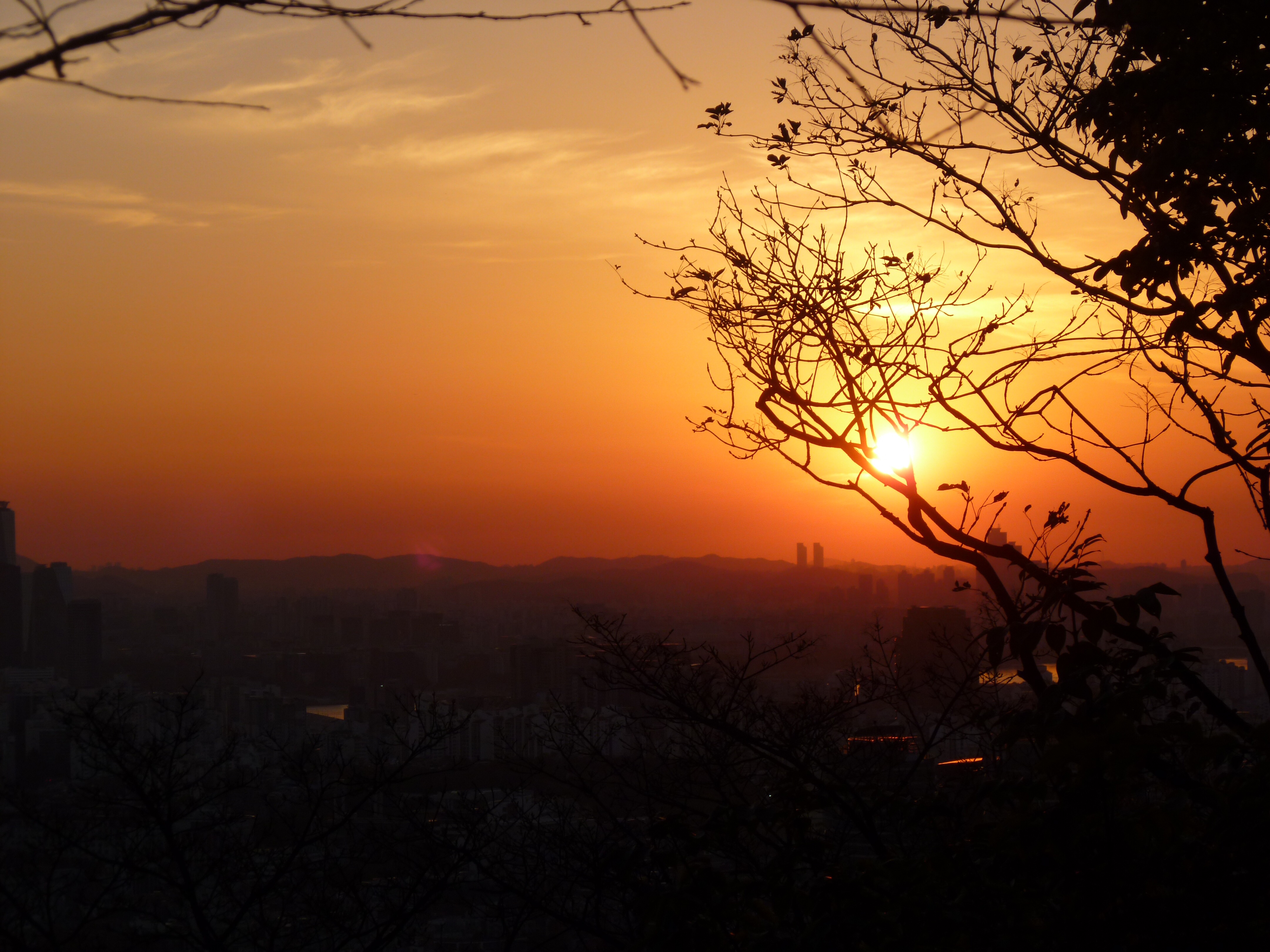
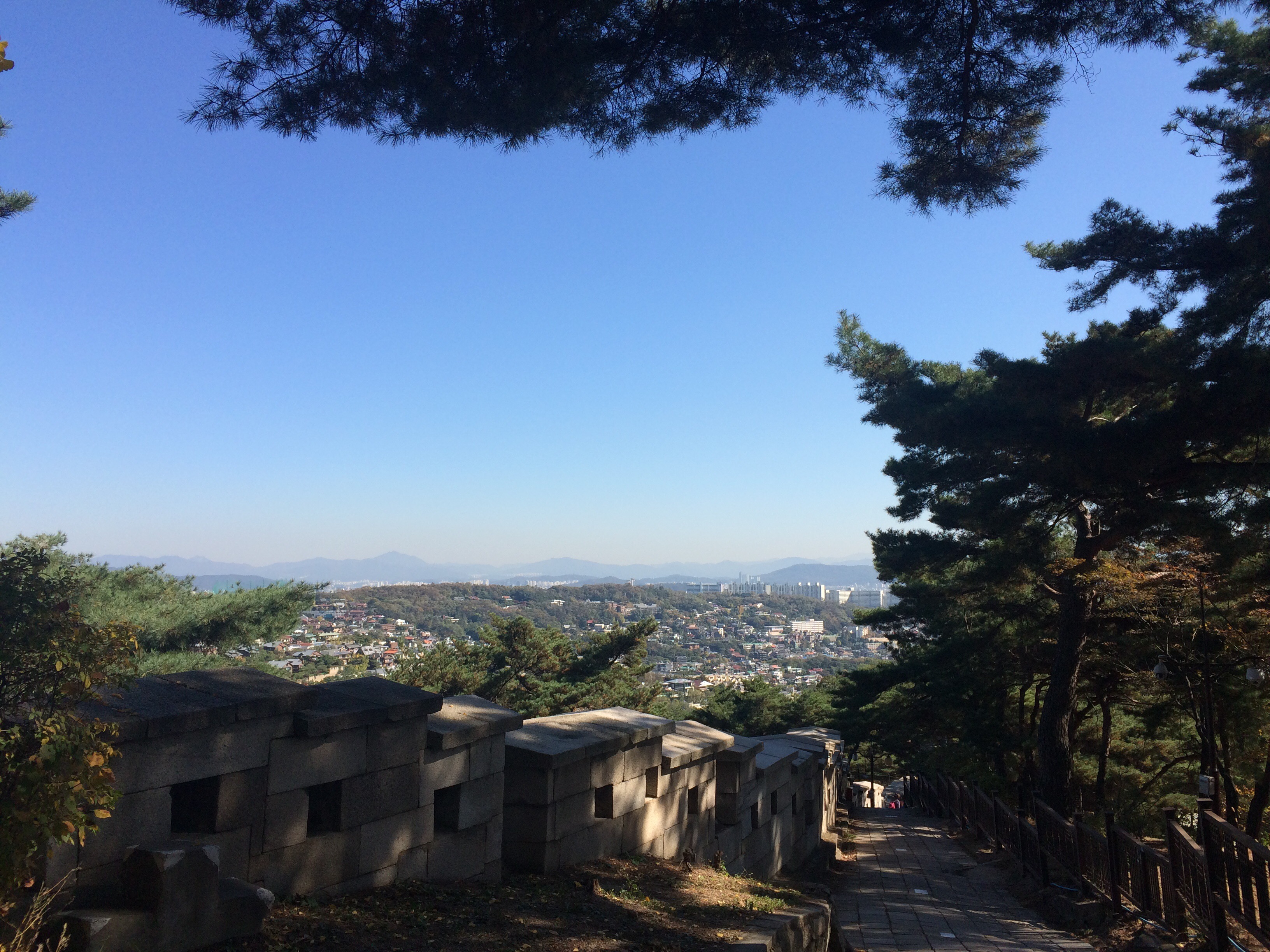
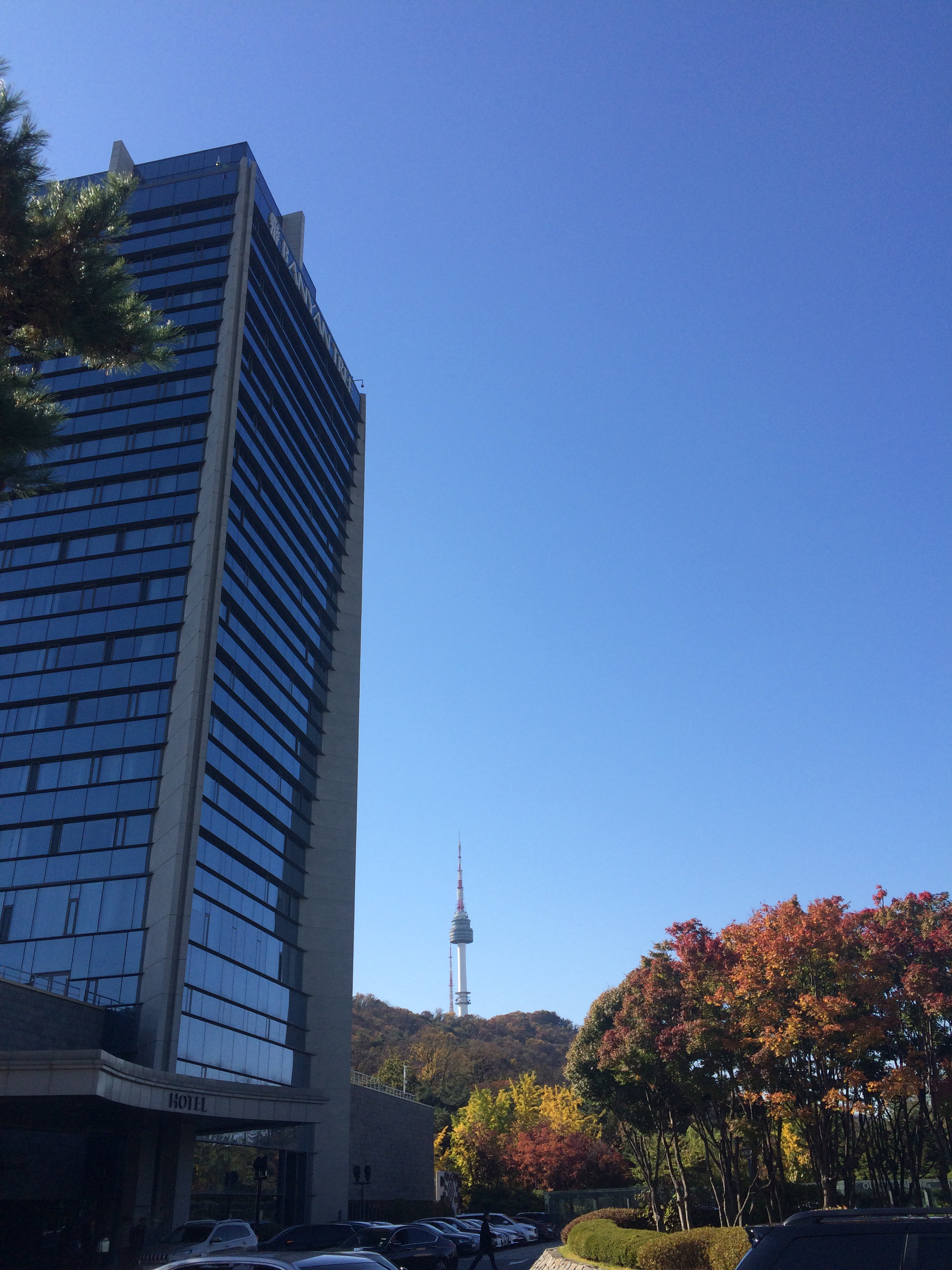
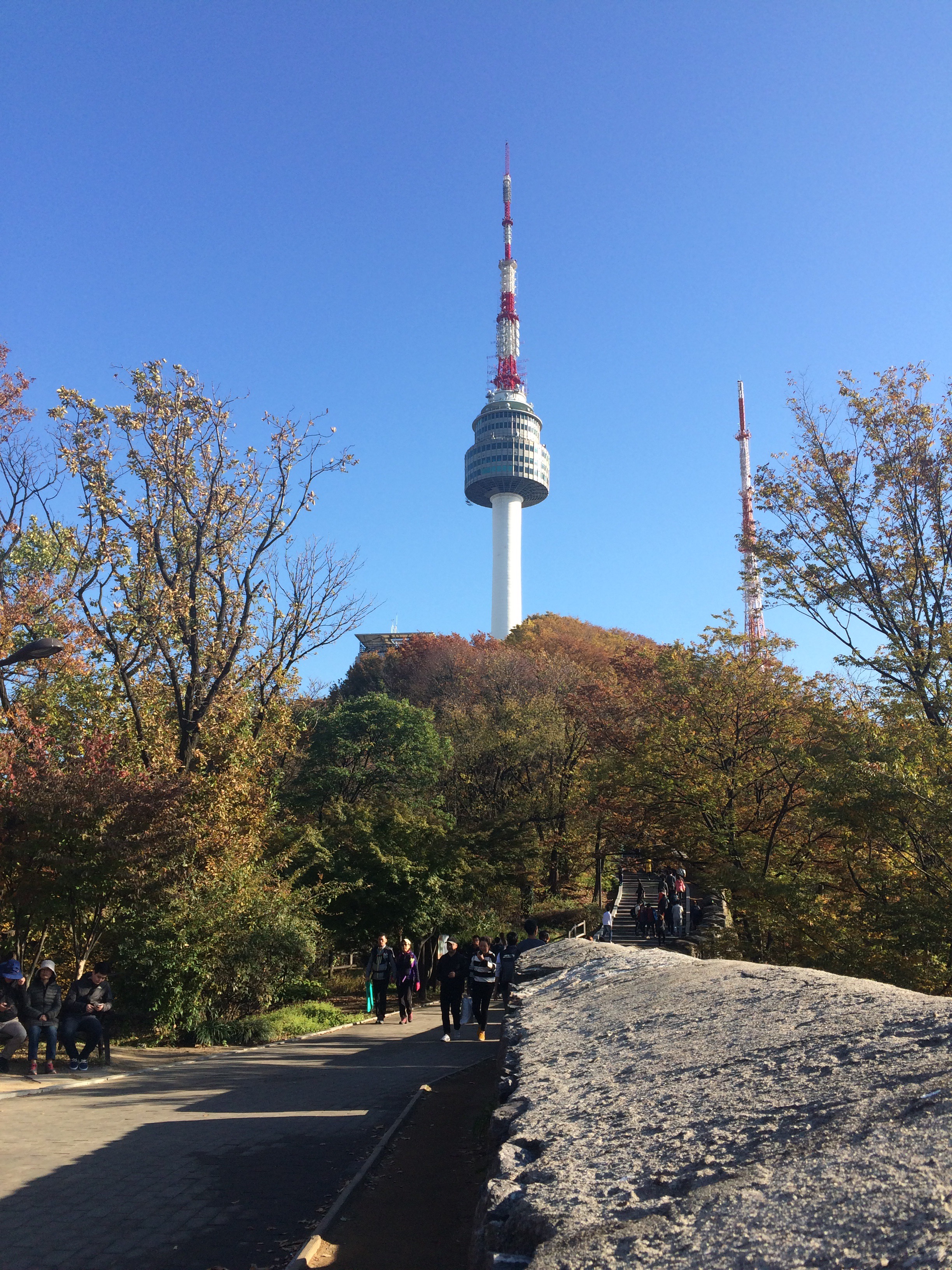
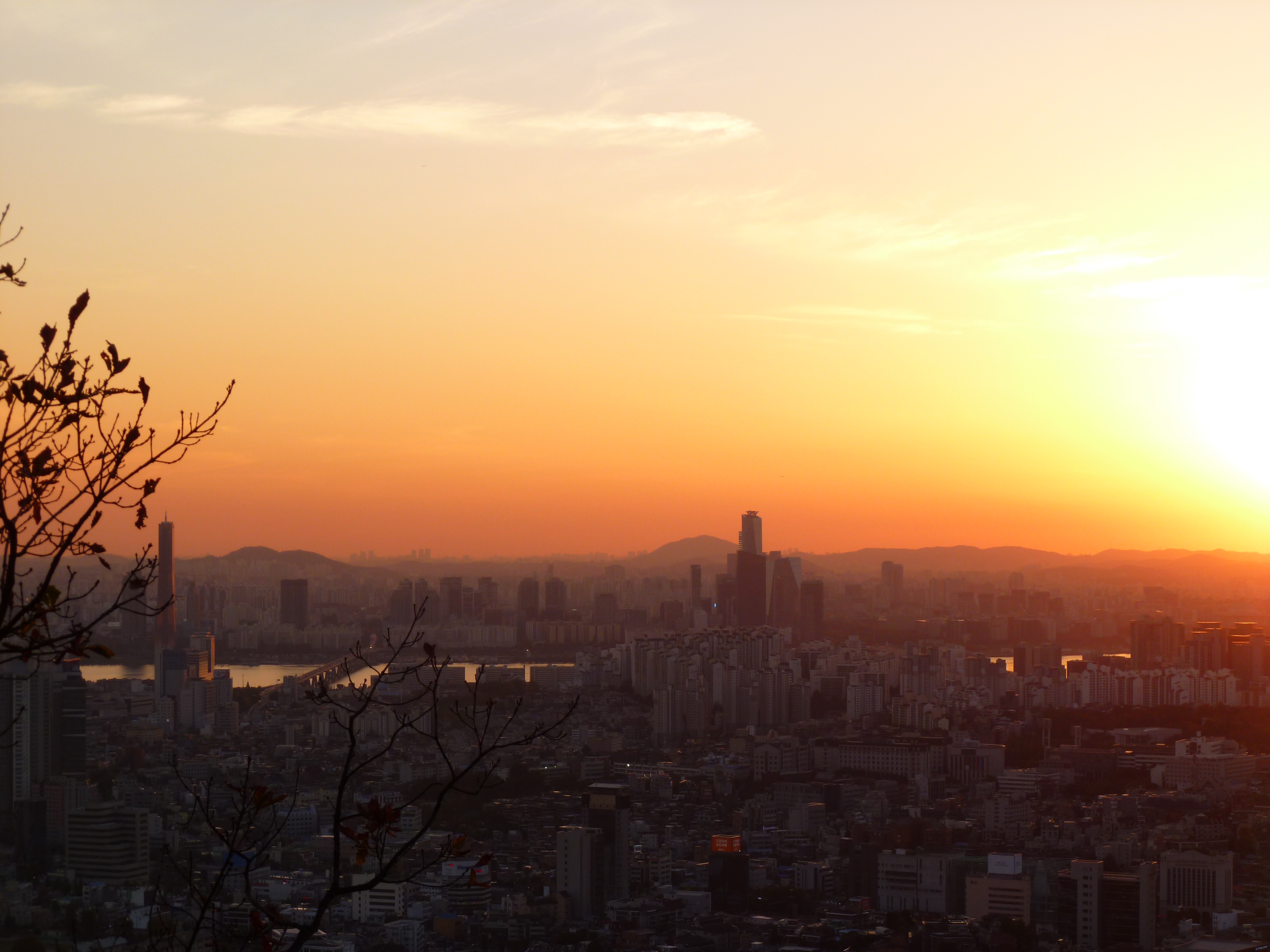
After all that eating, we had to do some hiking to make sure we don’t pile on the pounds! Well lucky for us, hiking is the favourite pastime of Koreans. Weekends see the hiking trails that surround the city full of Koreans of all ages, from 20 to 90, they’re all decked out in their really nice gear to get some exercise. Seoul has four mountains that surround the city and an ancient city wall and huge gates that was built for defence in 1396. You can hike the entire city wall, which is 18 km in total and brings you to the summit of the surrounding mountains. We started on Baegak trail, which interestingly is a military zone and has soldiers patrolling as you hike. You must show your passport at the first gate to gain entry and are also forbidden from taking pictures in certain directions, as it is the closest part of city wall to the DMZ and North Korea. As I have had a horrible cold and cough, I skipped the Naksan and Heunginjimun trails, but continued onto the Namsan trail which brings you to the iconic N Seoul tower. The views over Seoul were spectacular and Graham got a beautiful picture of the sunset. 


Next up: Palaces and the DMZ 
-F xx

Kkkkkkhabarovsk❄️

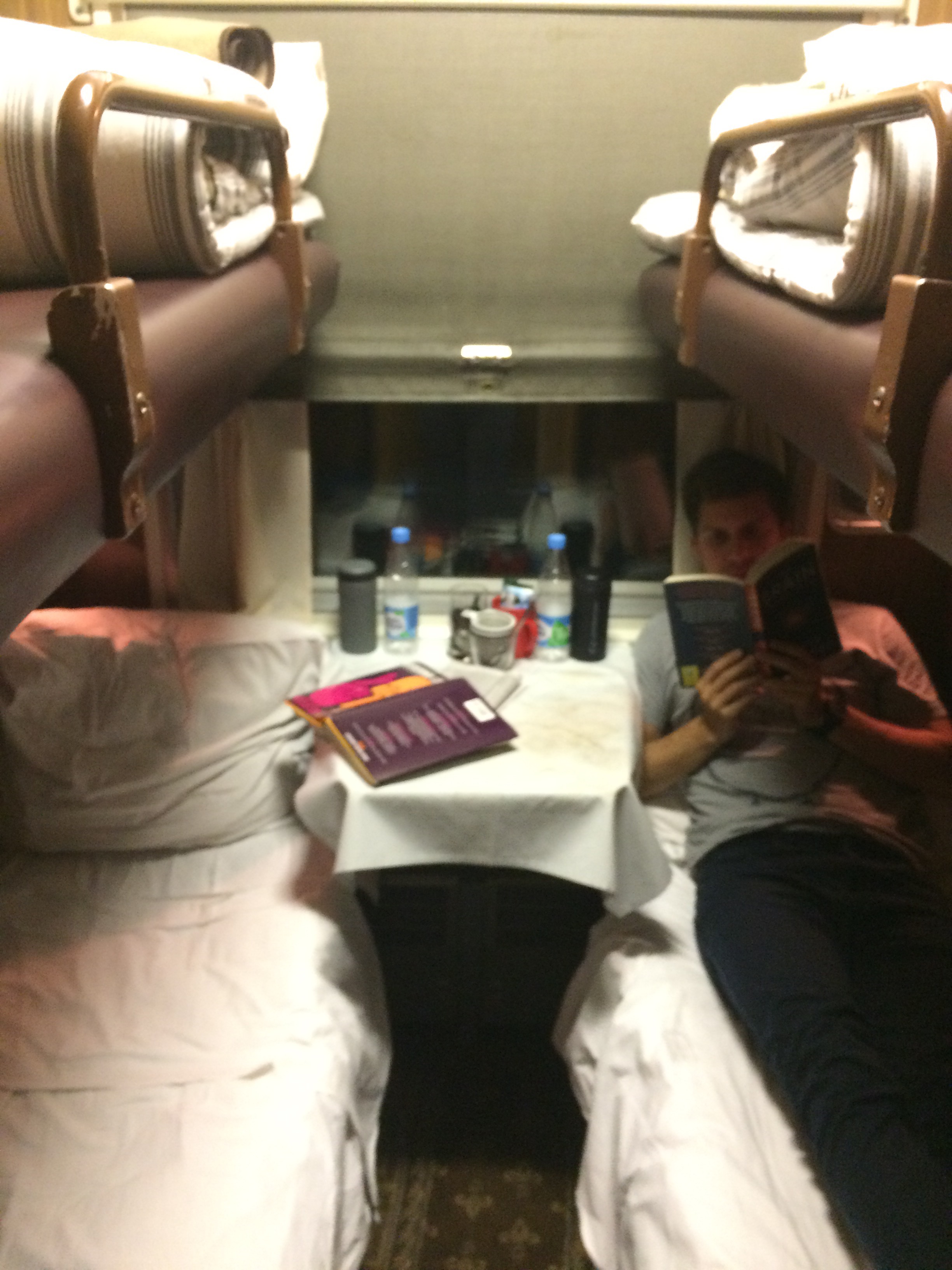
Khabarovsk was a gloriously welcome stop after 50 hours on a train. Our train companions were quite pleasant on the whole and we actually had the ‘kupe’ to ourselves for nearly a whole day! We read quite a lot, and ate more instant noodles than I will ever be proud to admit. 

Khabarovsk isn’t a typical spot for Trans Siberian travellers to stop at, as most people will travel directly between Ulan Ude and Vladivostok. It is the coldest city in the world with a population of more than 500,000, and let me tell you, it was teeth-chatteringly freezing!!! The skies were bright blue and there wasn’t any snow, but the real feel temperature was about -12 degrees Celsius . As usual we arrived early in the morning and popped to a great cafe that served eggs and bacon. The girl serving us even wrote her questions down so that we could ‘Google translate’ them on our phones. Although we’re getting the hang of recognising written words and phrases, the spoken word is still so hard to pick up! 


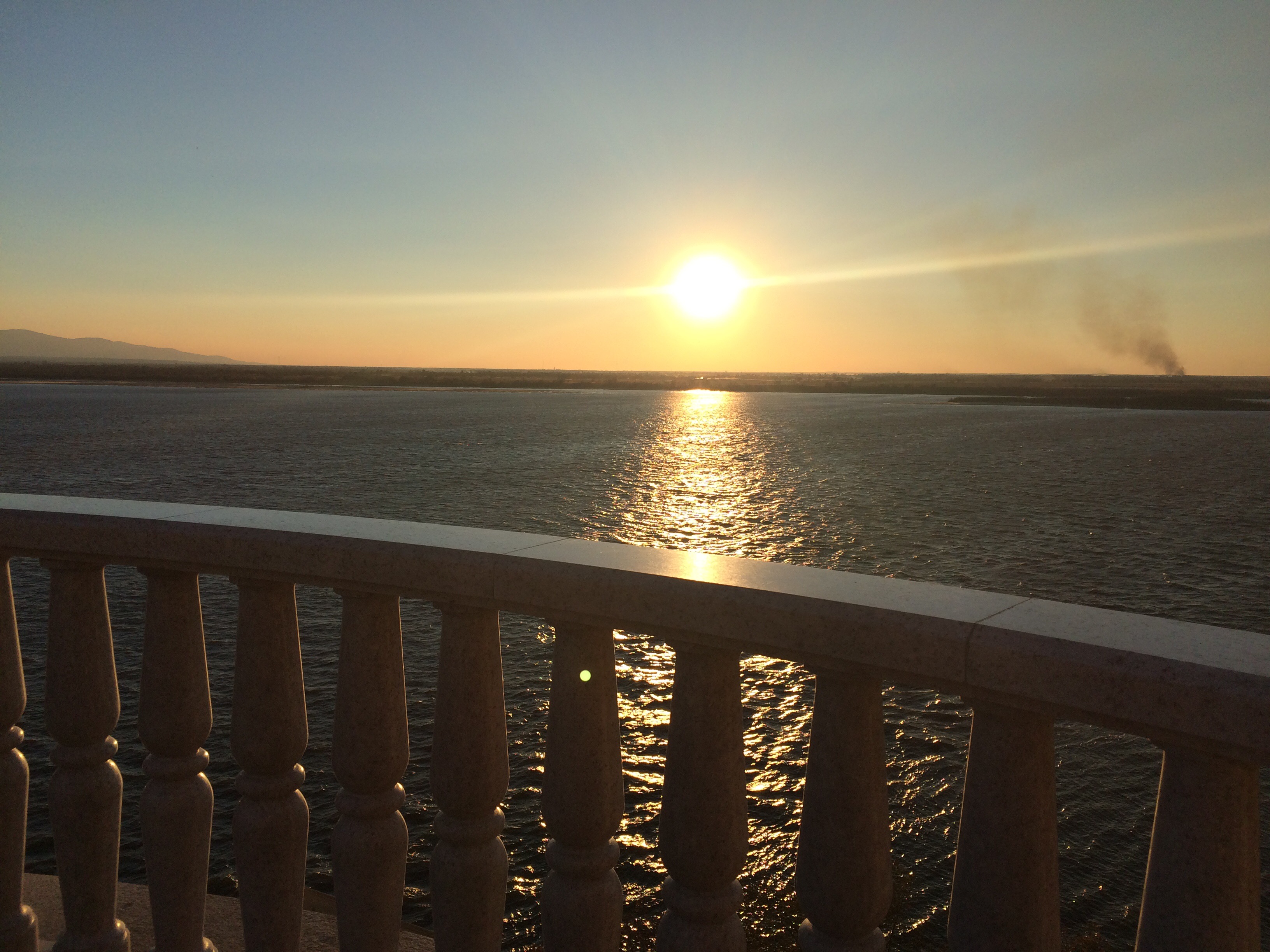
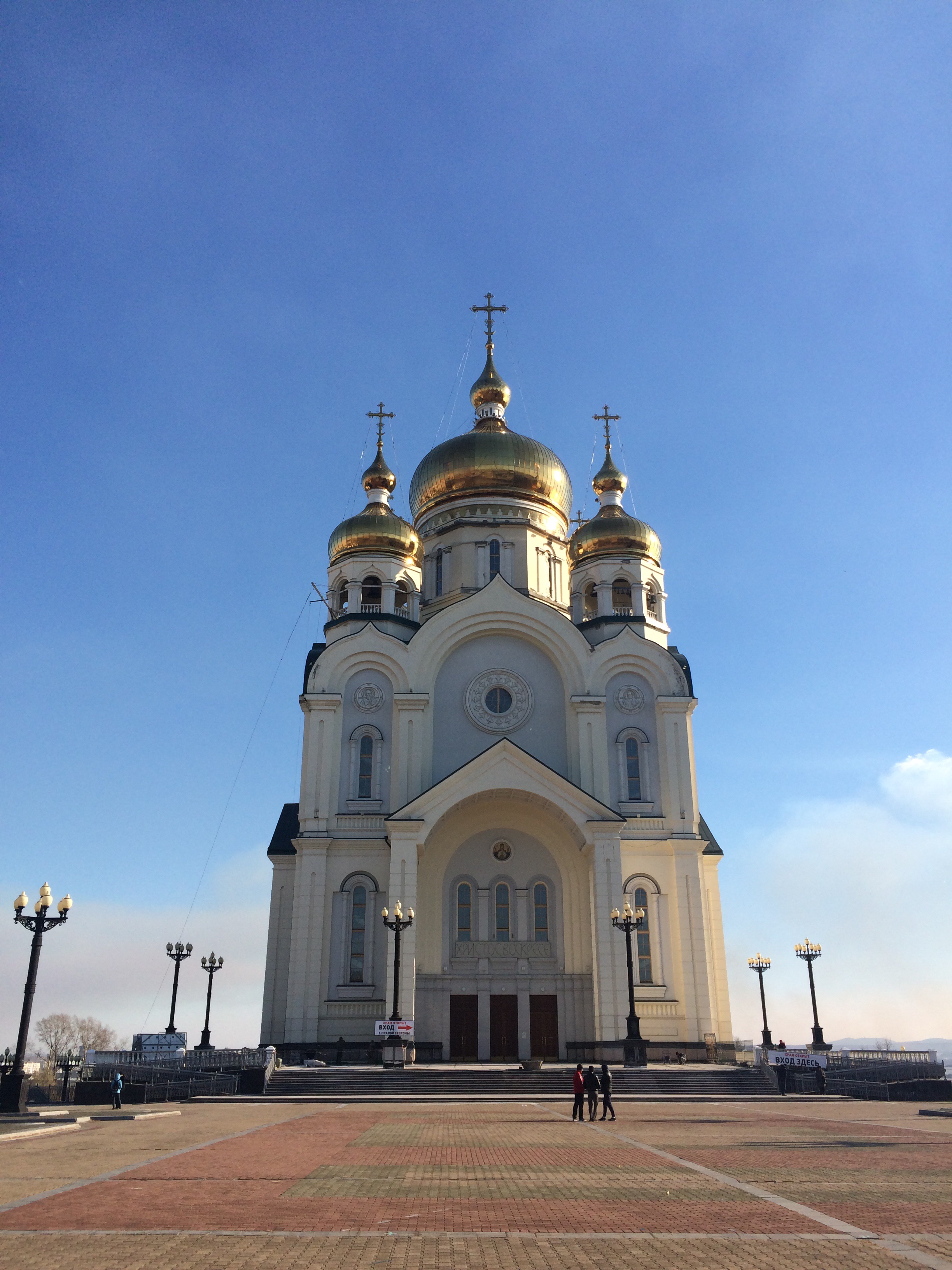
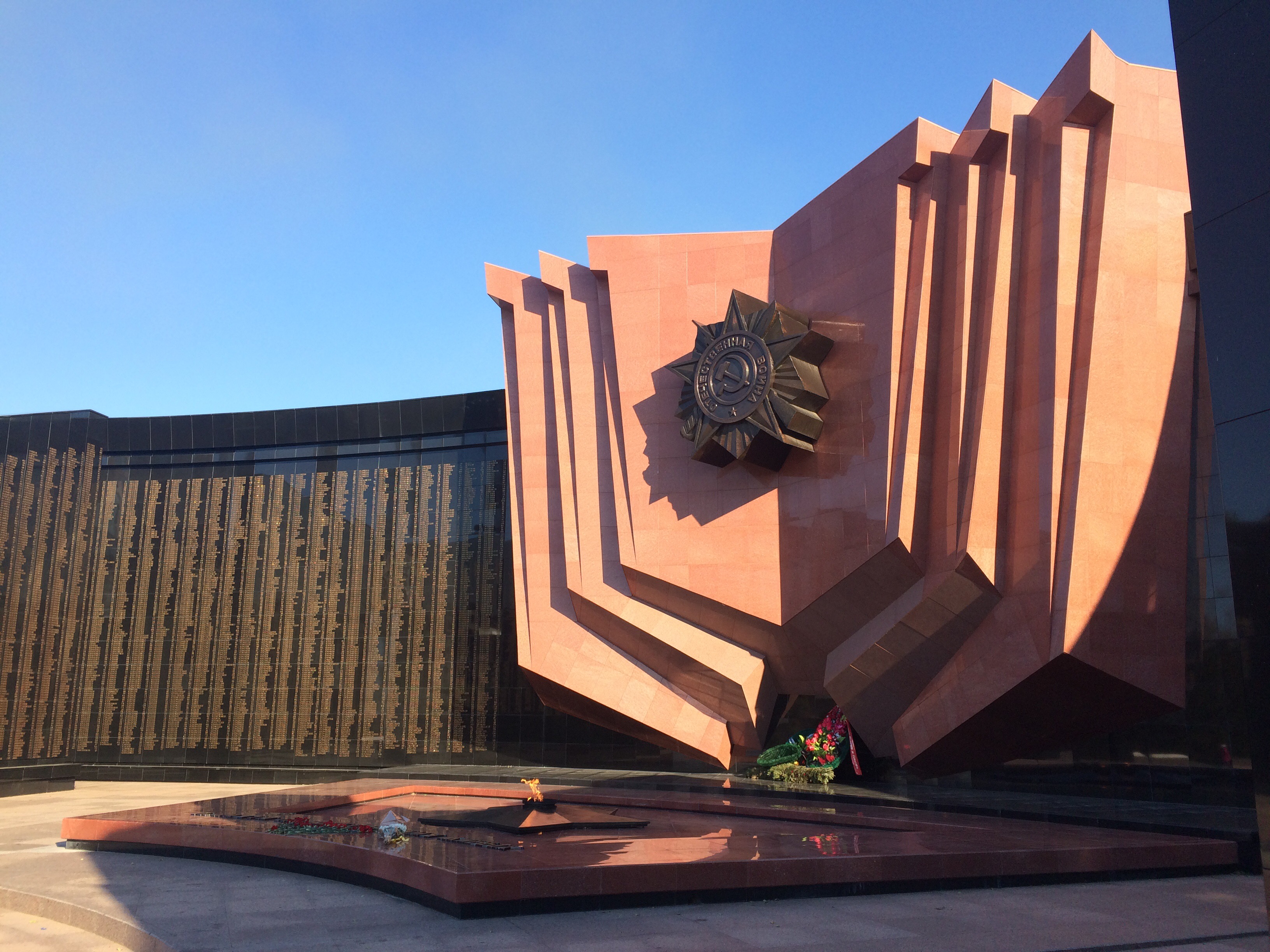
Having completed the usual ritual of finding the hostel, dropping bags, showering and then layering back up to start exploring, we made our way to the waterside. The Amur river, which attracts many tourists in summer with river cruises looked rather cold and uninviting! It is the world’s 10th longest river and forms part of the border between Russia and China. The riverside is being regenerated and the path brings you from the “Square of Fame” to the Khabarovsk Regional Museum. The square houses the Transfiguration Cathedral and the war memorial with a beautiful eternal flame. I didn’t realise quite how many Russian lives were lost in World War 2, but our guide in Moscow told us that approximately 26 million people died, military and civilian. This huge memorial had lists of thousands of names from the region and is a nice tranquil place for reflection. 

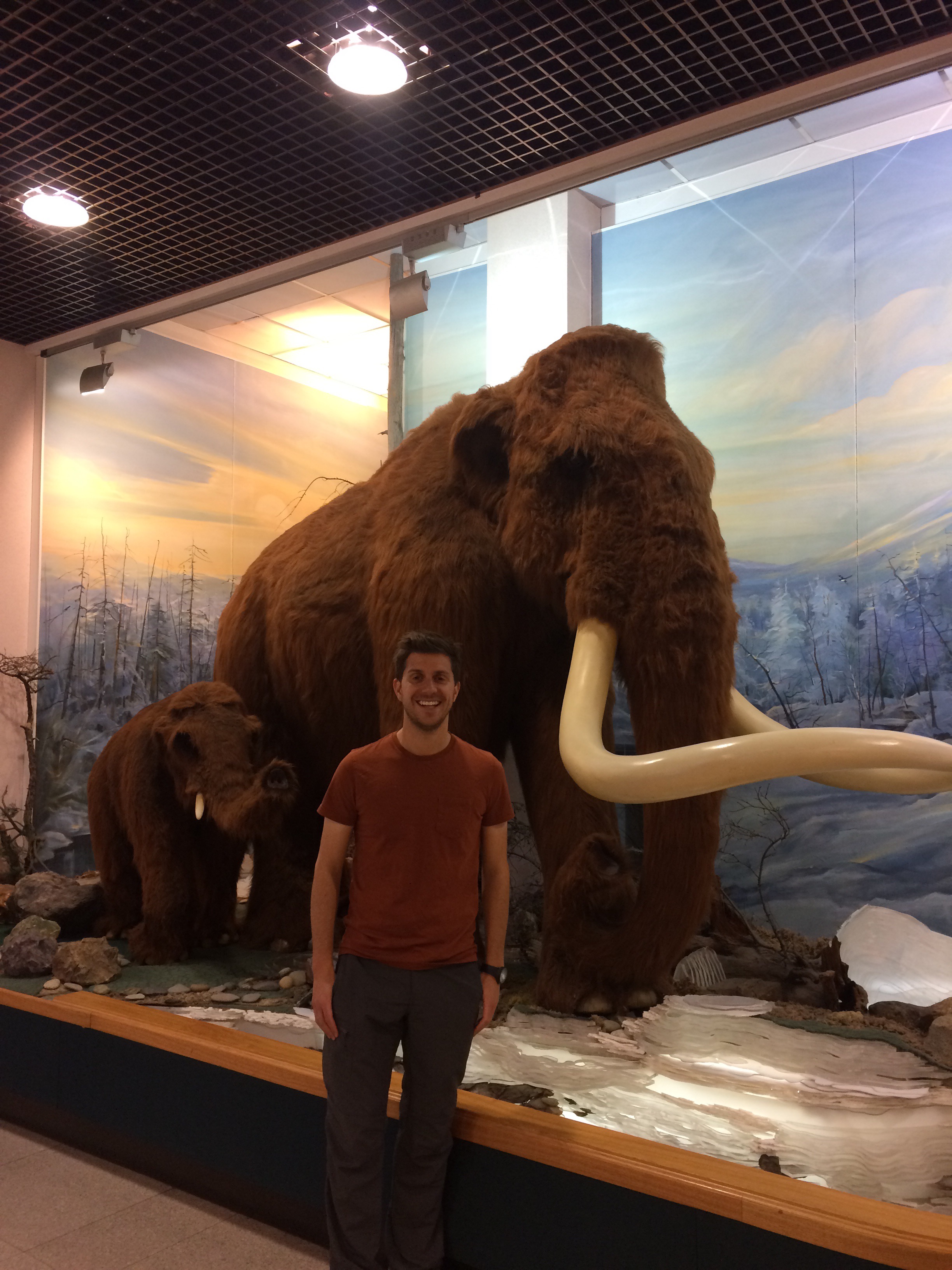
Spot the woolly mammoth!!

Our trip to the Regional Museum led us through floors of stuffed animal displays and also Soviet history through the decades. We were able to translate some things, but on the whole it was mainly looking at the nice displays and being warm 🙂 

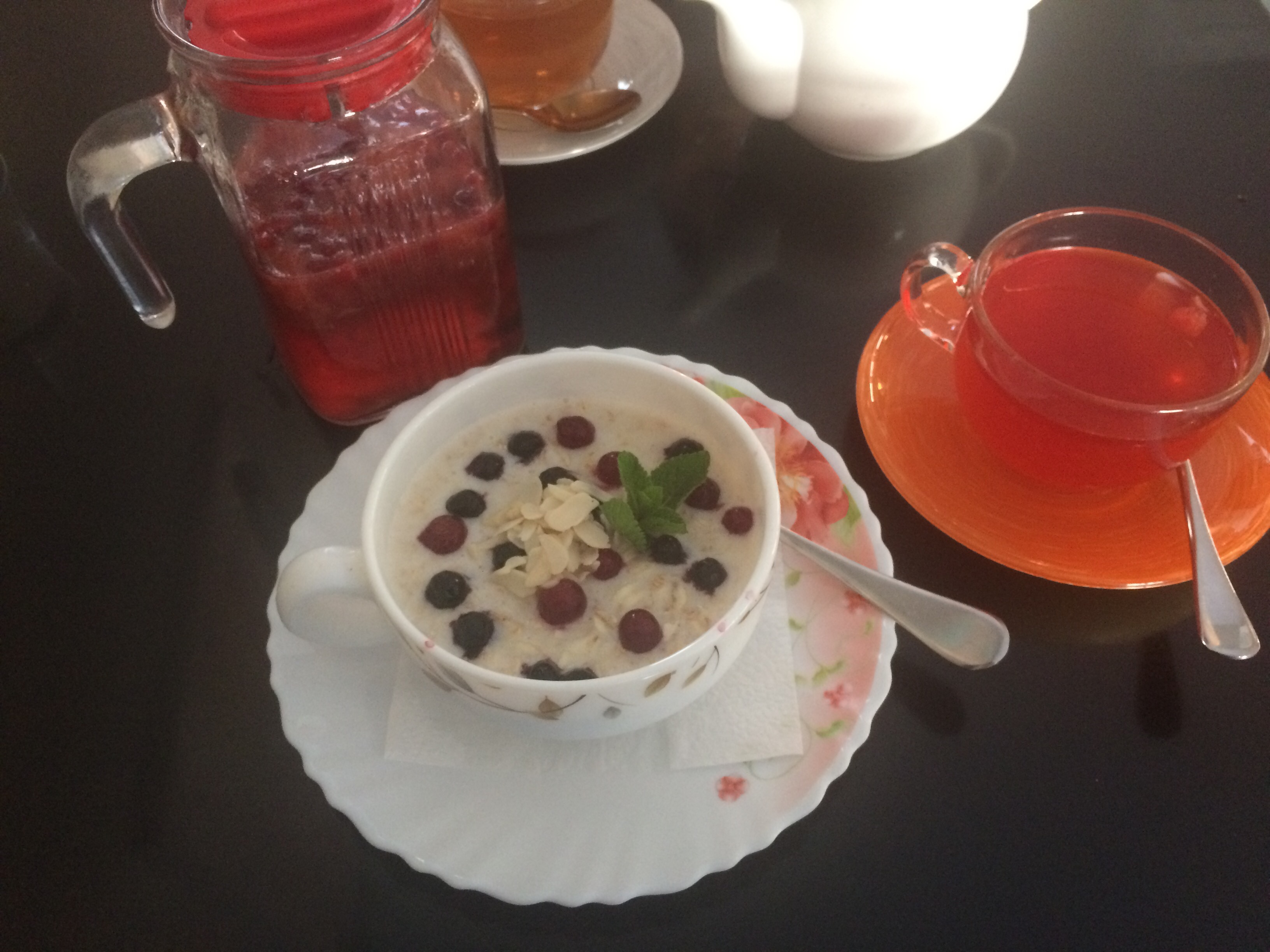
Каша (porridge) with Strawberry tea

We spent much of the next morning in the hostel planning the next leg of our trip, which included booking hostels in South Korea 🇰🇷, Japan 🇯🇵 and booking our flight to Hong Kong 🇭🇰 to see my friend Anna! Then it was time to prepare for our final Russian train to Vladivostok. We still can’t believe this is the final one and we will have travelled all the way across Russia. Four weeks well spent, I say!! 
-F xx
Lake Baikal and Olkhon Island

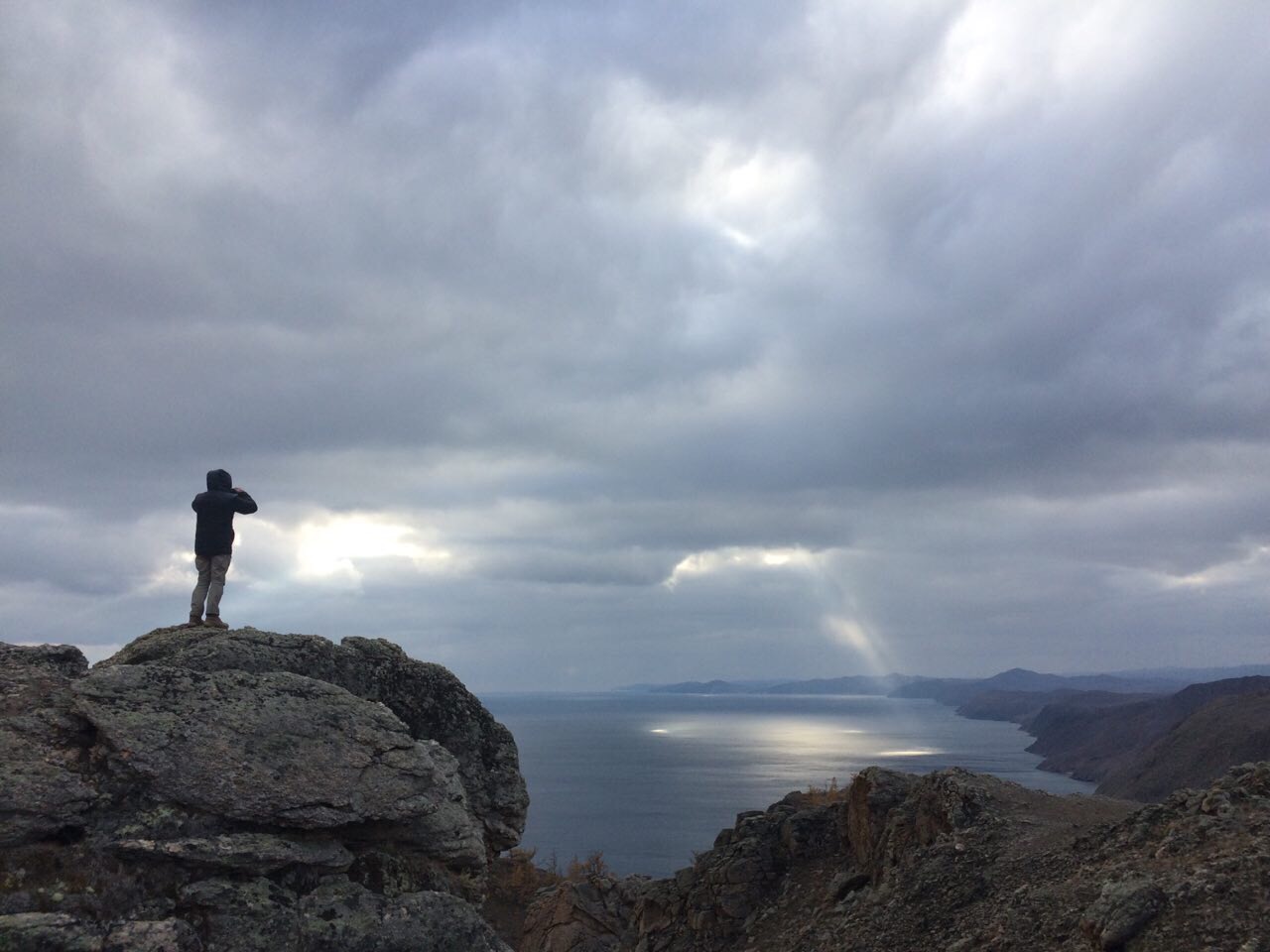
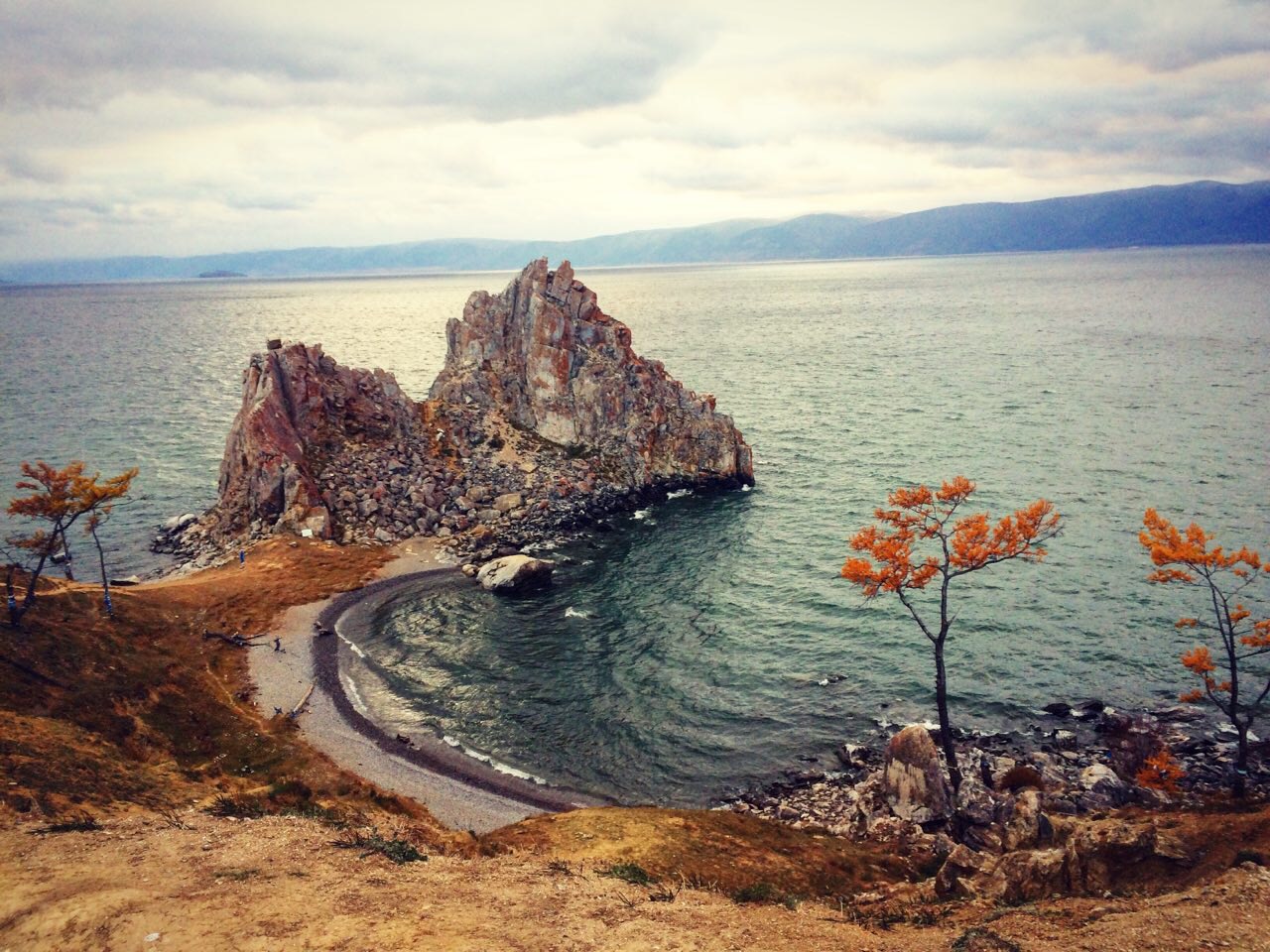
Lake Baikal has been a key feature in planning this trip and we dedicated 3 days to exploring the lake and the beautiful island of Olkhon. It’s the main tourist attraction in Eastern Siberia, but also an important religious area for the Buryat Shamans, the local indigenous people. Lake Baikal holds one fifth of the world’s fresh water and is approximately the size of Belgium! It is a lake that’s still forming and lies between two tectonic plates. There are about 3-4 tremors every day in the depths of the lake that can’t be felt on the surface. 


We booked a tour with Baikal Explorer (www.baikalex.com) and our tour guide Leonid picked us up from our hostel in Irkutsk on Saturday morning in a rather comfy Land Cruiser, in which we started the 7 hour journey to Khuzir, the main village on Olkhon. On the way we stopped at 1200 year old rock carvings depicting hunting in the Republic of Buryatia, an autonomous republic within the Russian Federation. We also stopped for some tasty lunch at a road cafe where Leonid ordered some Omul for us. Omul is a fish endemic to Lake Baikal, which, in this instance, was served cured. Despite Graham’s reservations about eating what looked like raw fish, it was really tasty! We then boarded the small car ferry to take us to Olkhon and had our first glimpse at the vast expanse of water, which looked rather chilly! 


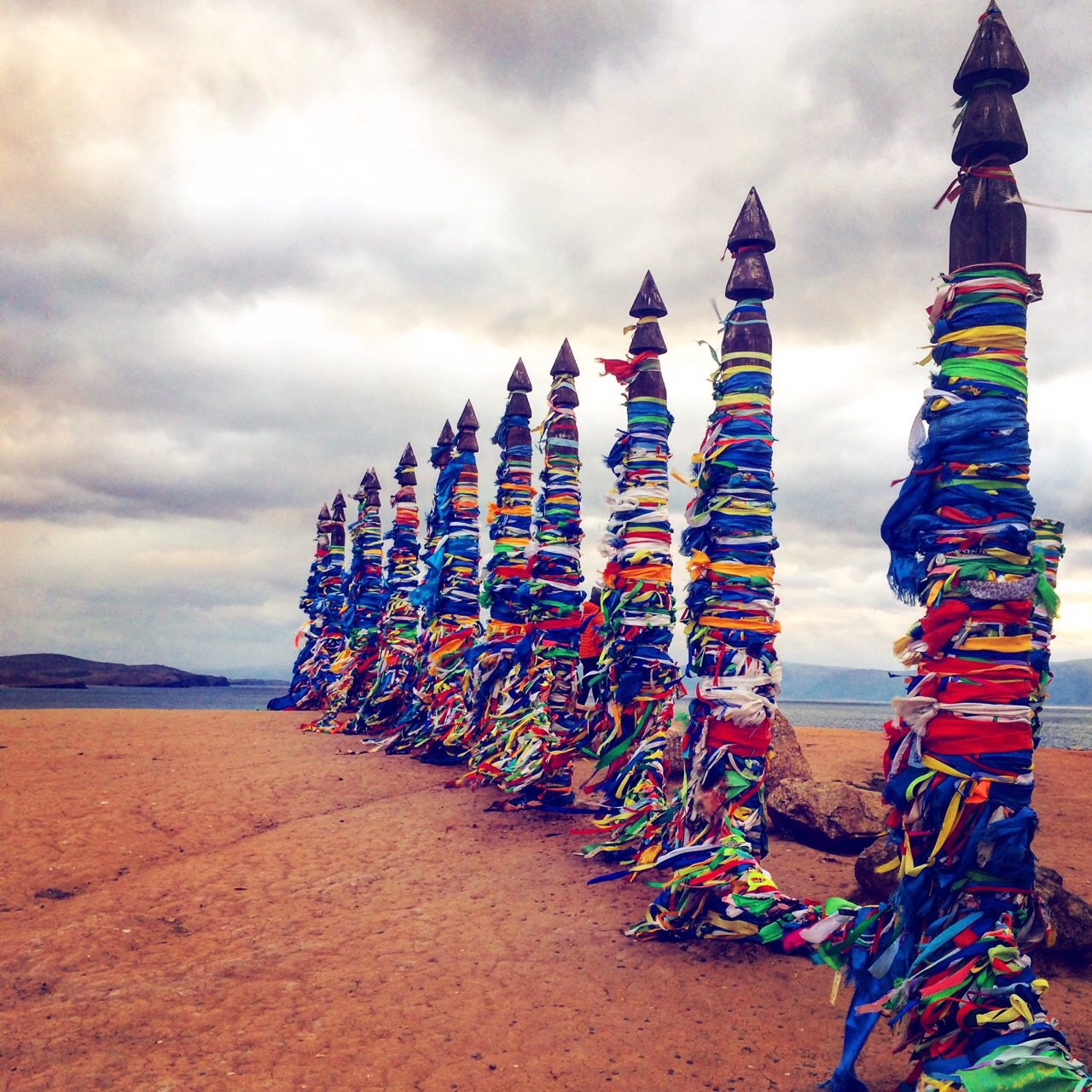
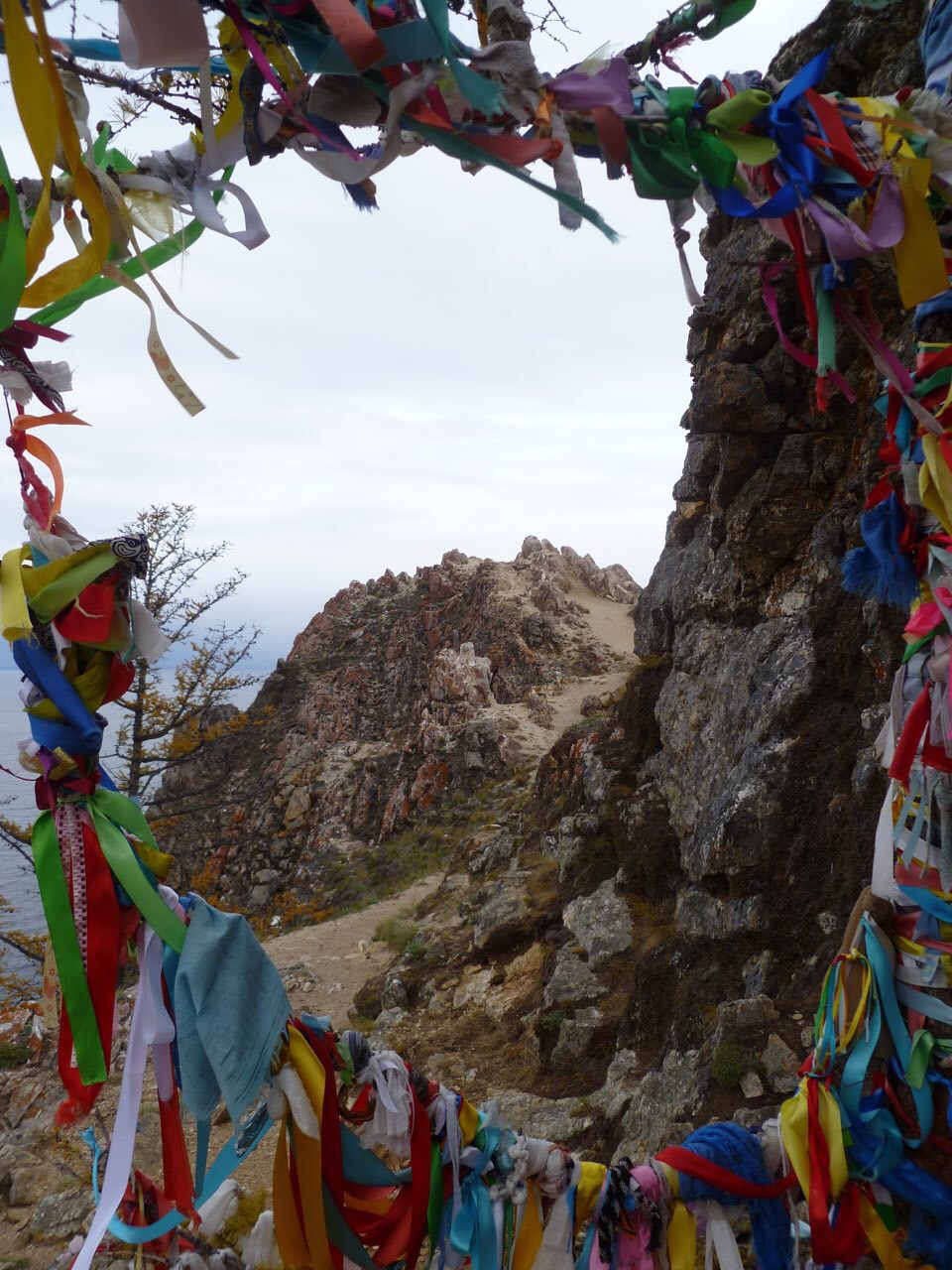
Our guest house was wonderful, and toasty warm thanks to the wood burner in the hallway. That evening we drove to see holy Bukhan cape, which is a sacred site for the Shamanic people. Believers come from all over the world to visit the cape and to tie a colourful ribbon around the pillars and pay respect to the spirits. As long as the wind blows the ribbon, your wish will come true. We then returned to a wonderful home cooked meal at the guest house with fresh veggies from the garden. Had we visited before 2005, it may have been a different experience as the island didn’t have electricity before then. 


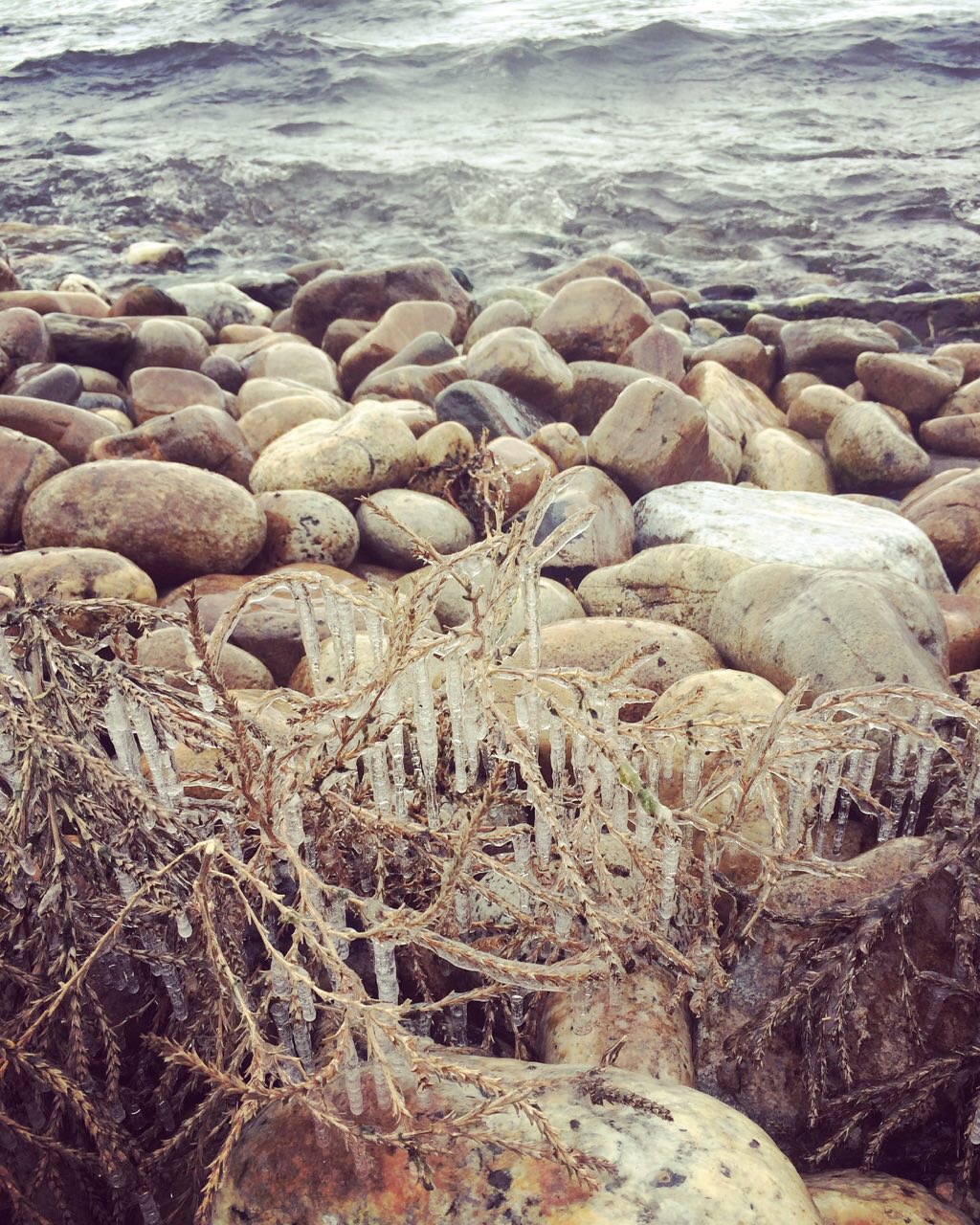
The next day we explored the east and the northern parts of the island, with some impressive 4wd manoeuvres from Leonid! The entire expanse of water freezes in the winter and you can do ice adventure tours with snow mobiles and ice diving! The lake is also home to the world’s only fresh water seals. The island has a beautifully varied landscape with steep cliffs, sandy beaches, forests of beautiful larch trees, whose needles had turned yellow, giving a lovely warm glow despite the freezing temperatures! We had more great home cooked Omul for lunch and later shared some travel stories with fellow travellers from China and South Korea at the the guest house. 


The island was wonderful, and our tour was the highlight of our trip, so far. We would love to see the island in Summer and Winter too, but I think we’ll fly to Irkutsk rather than the epic train journey next time! We headed back to our hostel in Irkutsk and prepared ourselves for our trip to Ulan-Ude, the capital of Buryatia. 

-F xx
Overnight Train Journey: Learnings 2

Here are somethings we learned about train travel on our 32 hour journey from Novosibirsk to Irkutsk. 

1. Knowing the words for chicken and meal came in handy, but the meal received may not have actually contained chicken! 
2. Telling people you don’t understand Russian doesn’t stop them speaking very fast Russian to you. 
3. People who have been in train carriages for days do not smell very nice. 
4. Graham doesn’t like hot, small, smelly places or large, smelly people that snore in tandem, which describes our journey rather well!


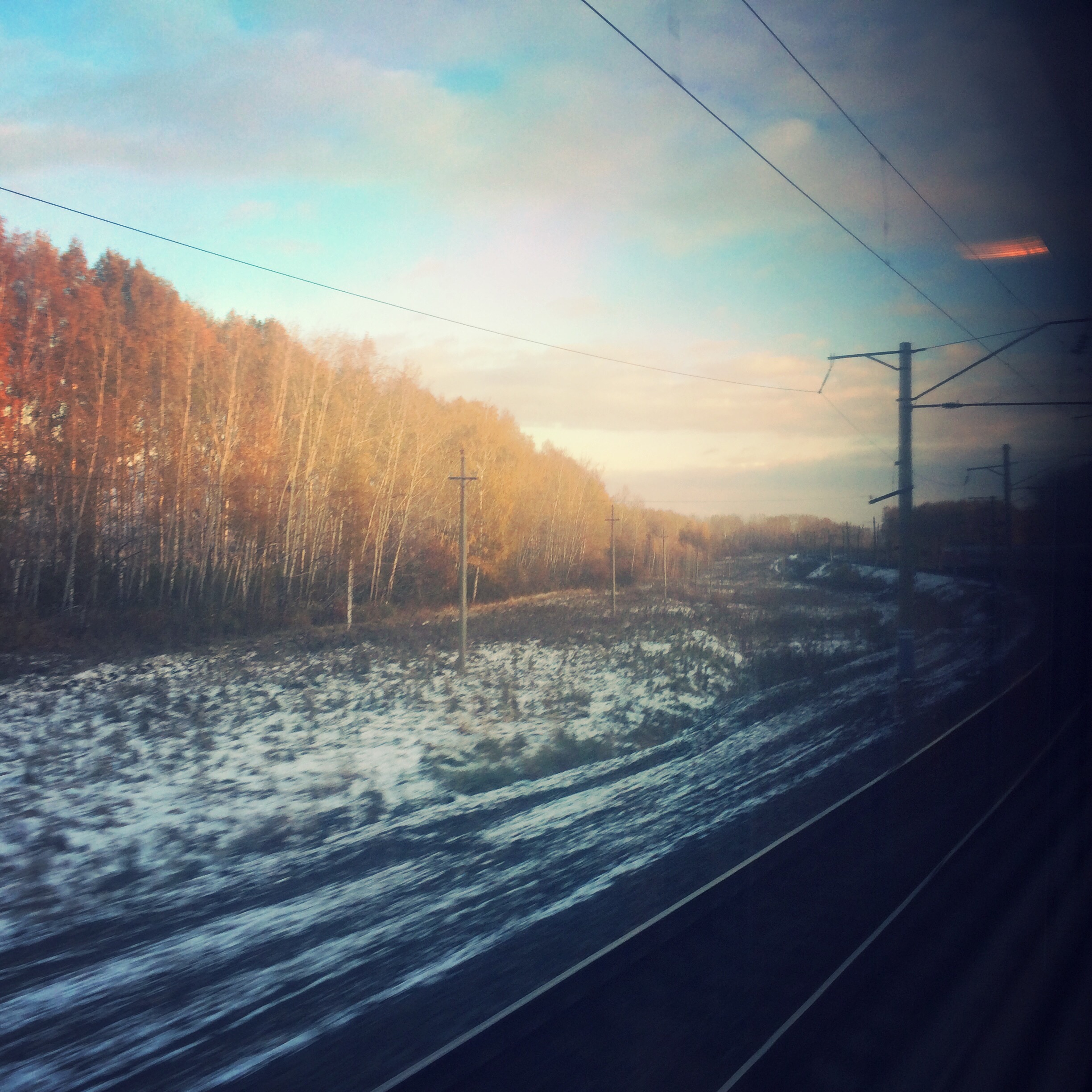
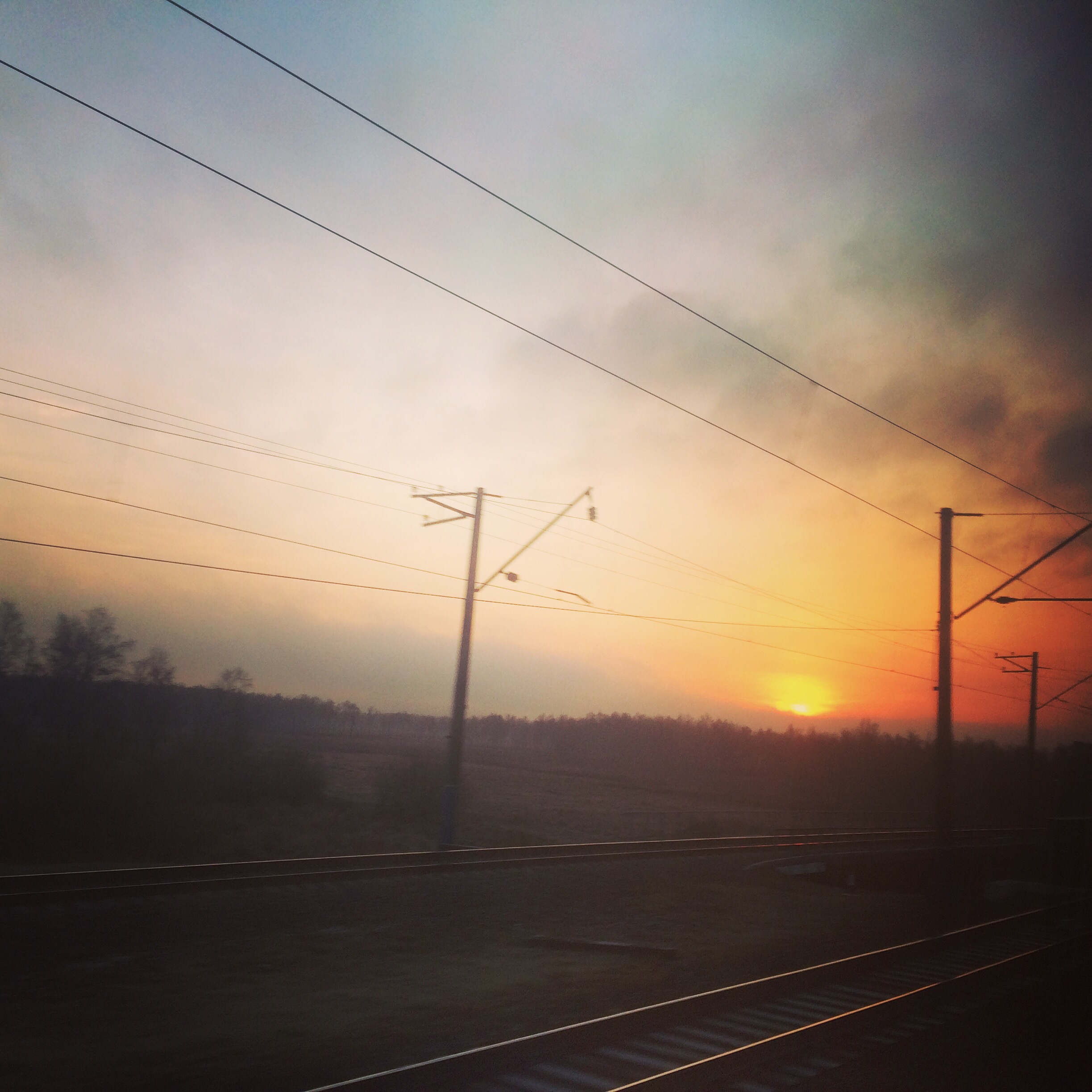
We did however do a lot of reading, consume copious amounts of coffee and see some interesting scenery along the journey, including a beautiful sunrise on our approach into Irkutsk. 


We’re going to explore Irkutsk and get ready for our 3 day trip to Lake Baikal which we’re very excited for! 
But first things first, shower time :S 
-F xx
It snows in Siberia!

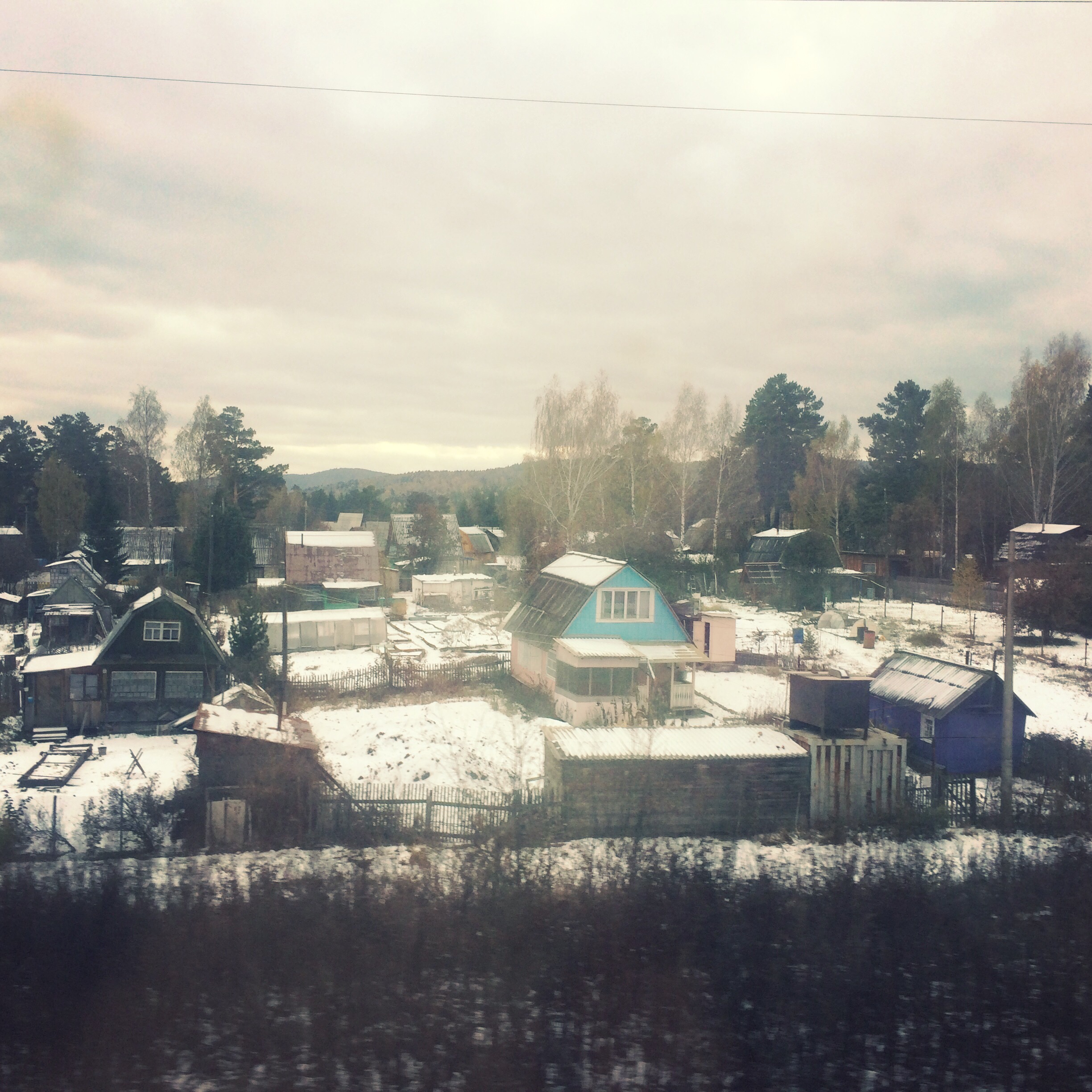
Winter is arriving, which we realised quickly having arrived in Yekaterinburg early on Sunday morning! Temperatures down in low single figures, the woolly hats and gloves were out! 


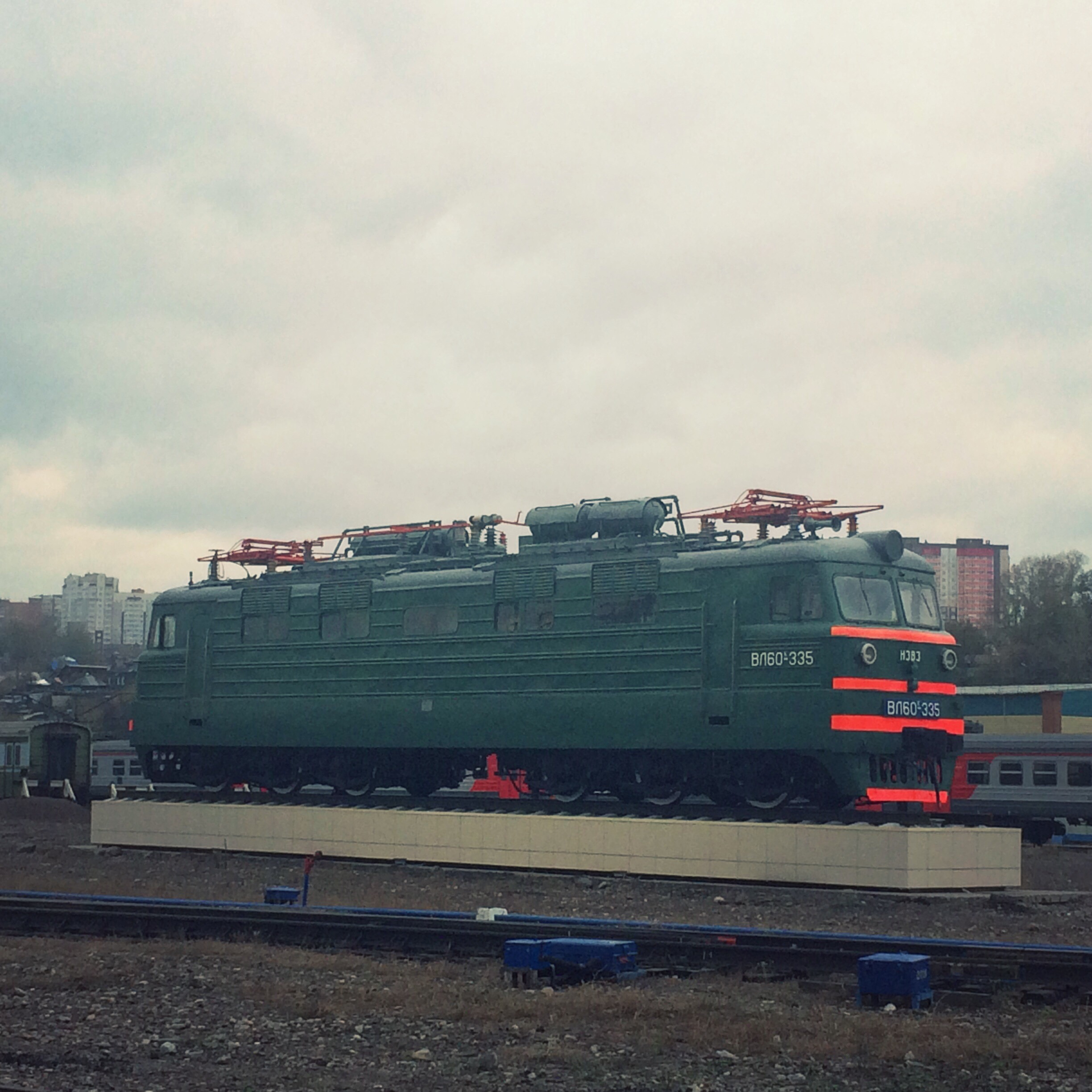
Our train journey had been pretty good, but not as plush as the one before. It was a much older train and no meals delivered to our compartment. It was, however, more what we expected our Trans Siberian journey to be like. We made some chicken sandwiches and coffee and felt like proper travellers. The hot water vats (samovar) at the top of each carriage are a God send!


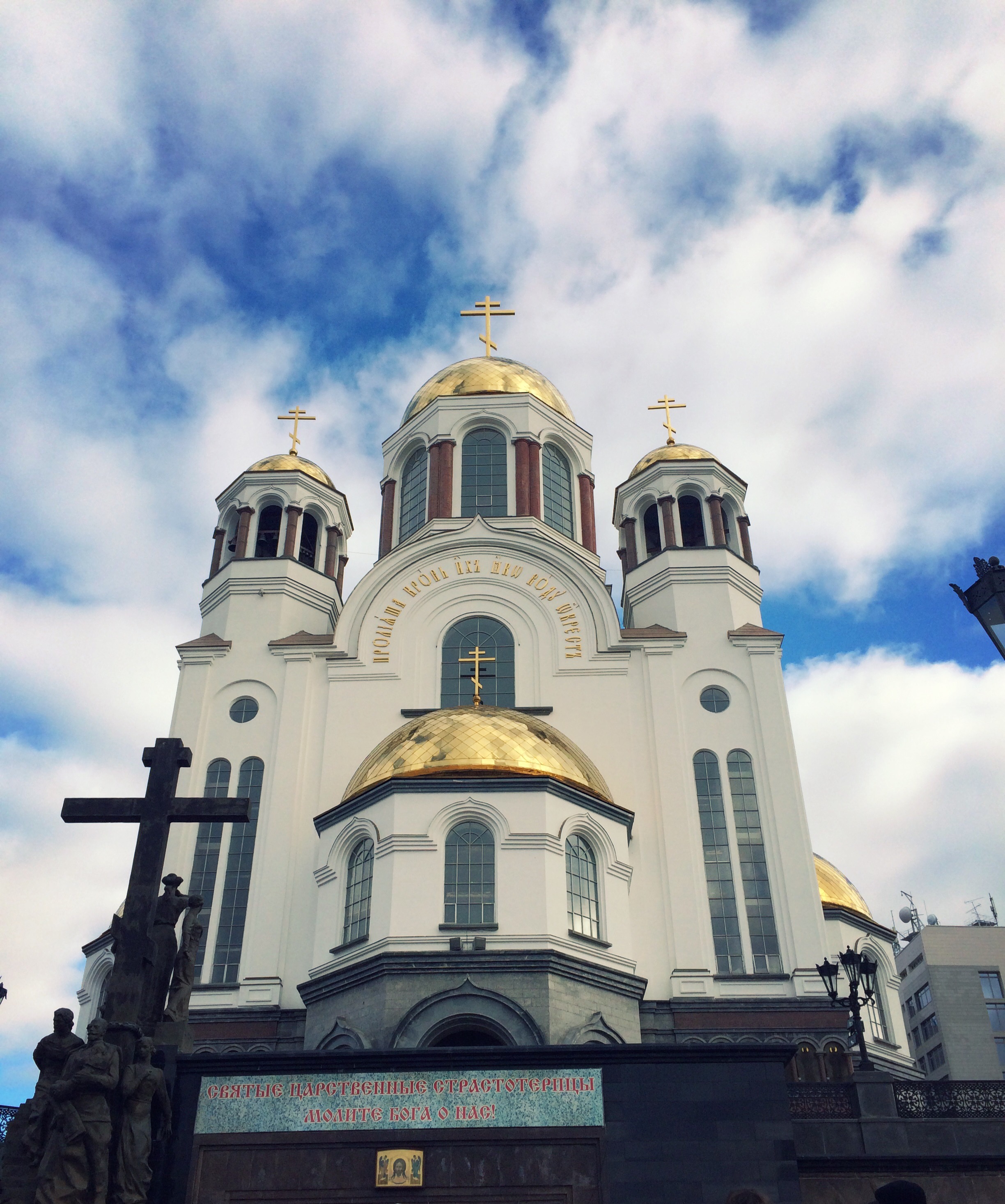
Yekaterinburg was one of the cities I was quite excited for as it is well known as the place that the Russian Imperial Royal family, the Romanovs, were imprisoned and subsequently executed by the Bolshevik party. As a child, I was fascinated by the story of the Romanov princess Anastasia, who was said to have escaped the execution and was still alive. The story, of course, was made into a Disney movie (which I never actually saw!) and there are many books about the woman who claimed to be her in America in the 1940s. I always wanted the story to be true, as the body of the princess hadn’t been found with the rest of the family; how exciting and mysterious it would have been! Some members of the Imperial Russian family did support this woman’s claim, but others did not and after multiple court cases regarding her identity, a final verdict in the Supreme Court in the 60s decided that although they could not disprove her claims, there was no positive evidence (meaning DNA). However, in more recent years, DNA testing proved her claims to be false. Also, a body believed to be that of the princess was located in Russia. There is a large Orthodox church on the site of the executions, but I must say, I felt a little underwhelmed. Perhaps, having read so many stories as a child about the Romanovs and Rasputin, I expected to feel like I was being transported back to that time of intrigue and revolution. But there was just the church, and a wooden chapel with lots of weeds outside. 


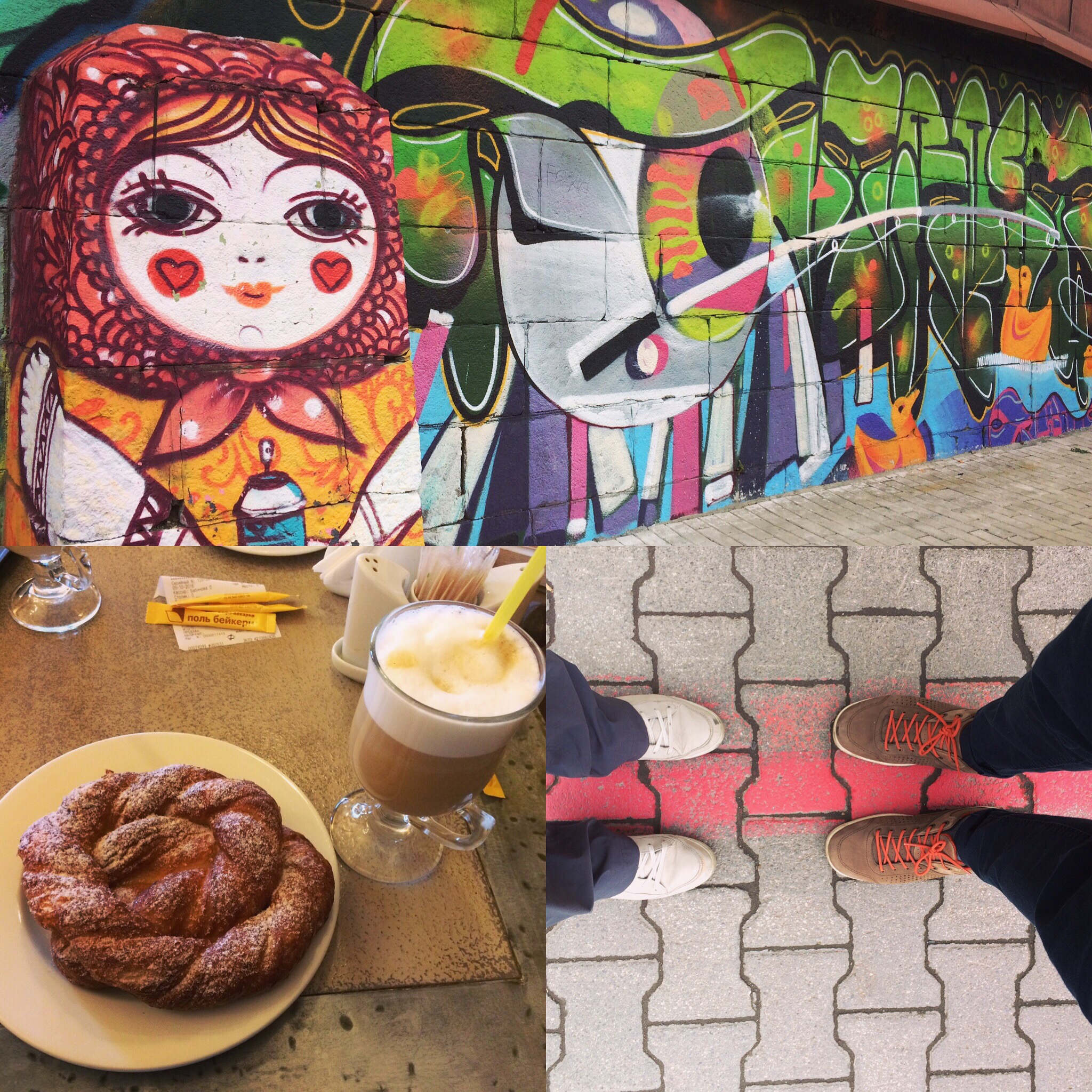
Yekaterinburg is famed for being a crime capital back in the 80s and 90s, with Mafia gangsters running riot, but we didn’t see any blacked out Mercs with dodgy looking guys wearing fluffy black hats! The city now is a University city with a pretty relaxed feel. When the snow melts each spring a red line is painted on the pavement that links all the tourist attractions, making it quite easy to see all the sights of the city. Except when the line disappears and you begin to search around frantically for it again, as you have no clue where you are! 

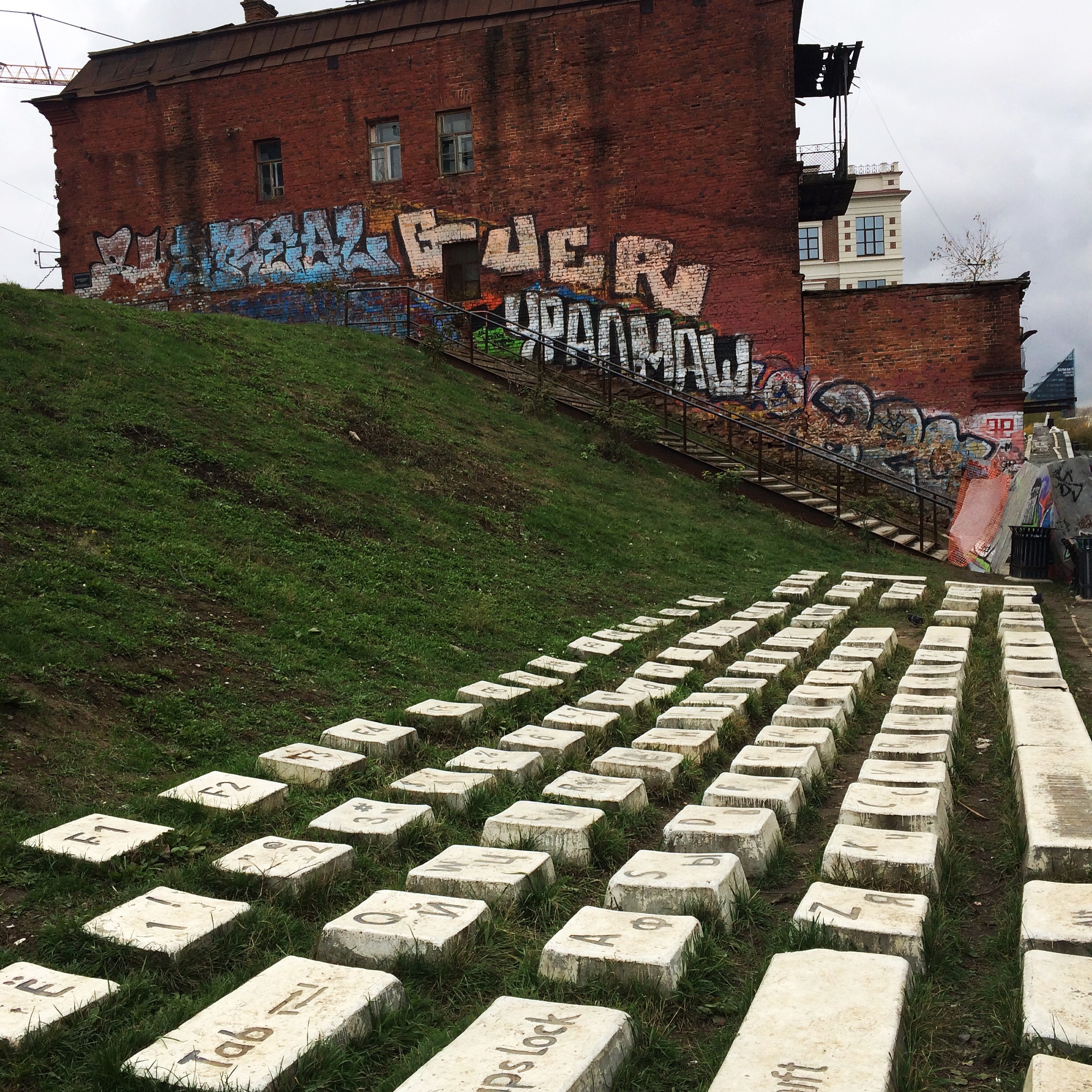
Giant qwerty keyboard!

Graham went for a short run in the evening, but not for too long as it was freezing! Things then reached a low point, we had Russian pot noodle for dinner in the hostel, ‘chicken spice’ flavour! It was surprisingly good! Up next is Novosibirsk, a 22 hour journey. On our way to the station, we had our first snow storm! Welcome to Siberia 🙂
-F xx
Kazan

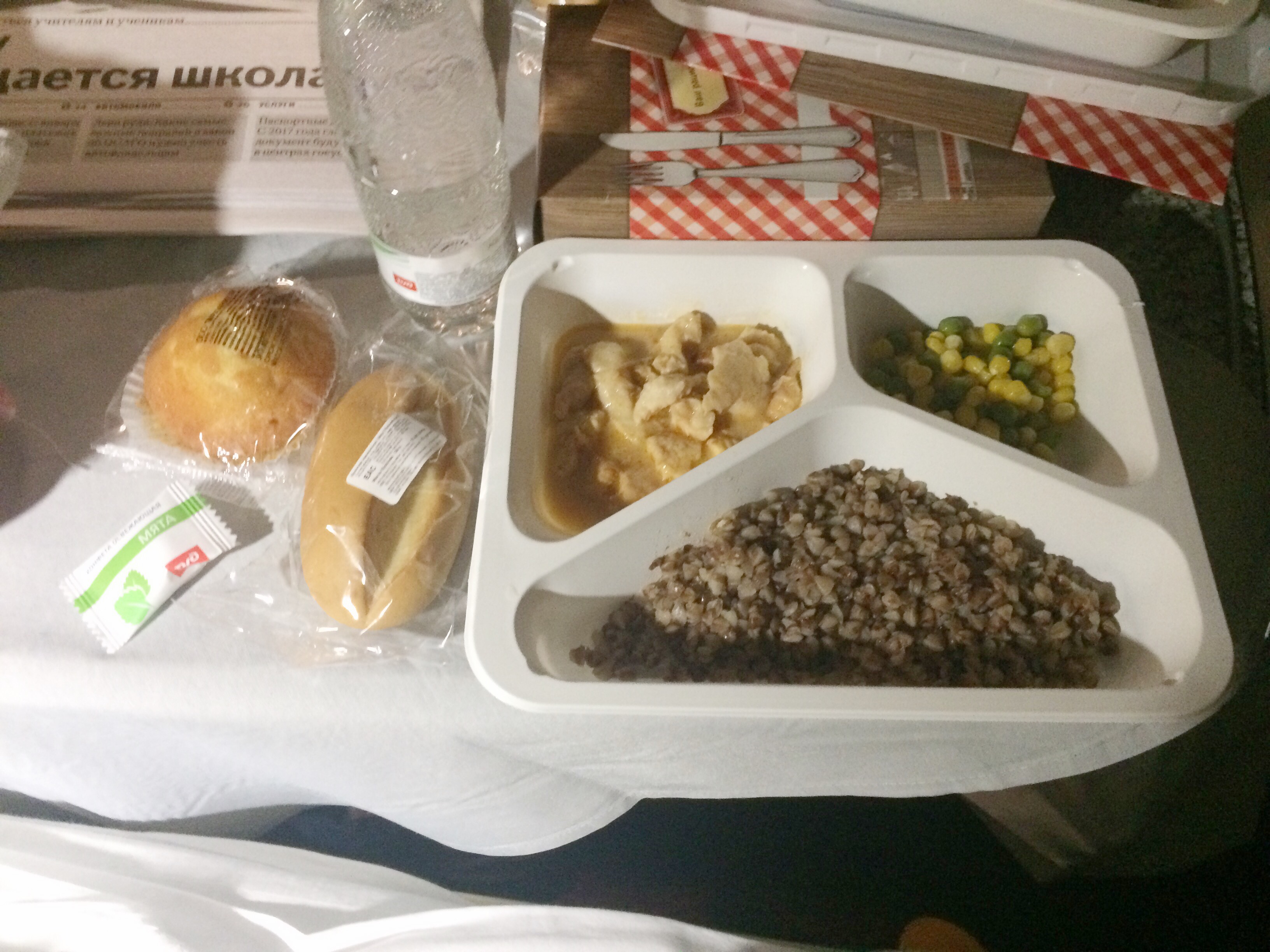
Our overnight train from Nihzny Novgorod to Kazan was relatively successful! Fortunately the guy in our compartment spoke some English and was able to help us with the train guards questions about chicken or vegetable meal options. Unfortunately, his feet smelled of cheese. You win some, you lose some! Our first experience of train food was a good one. 


We had chicken in a sauce with bulgar wheat and veg, a little bread roll and a small cake! We even got a little pack with a toothbrush and a shoe horn! 


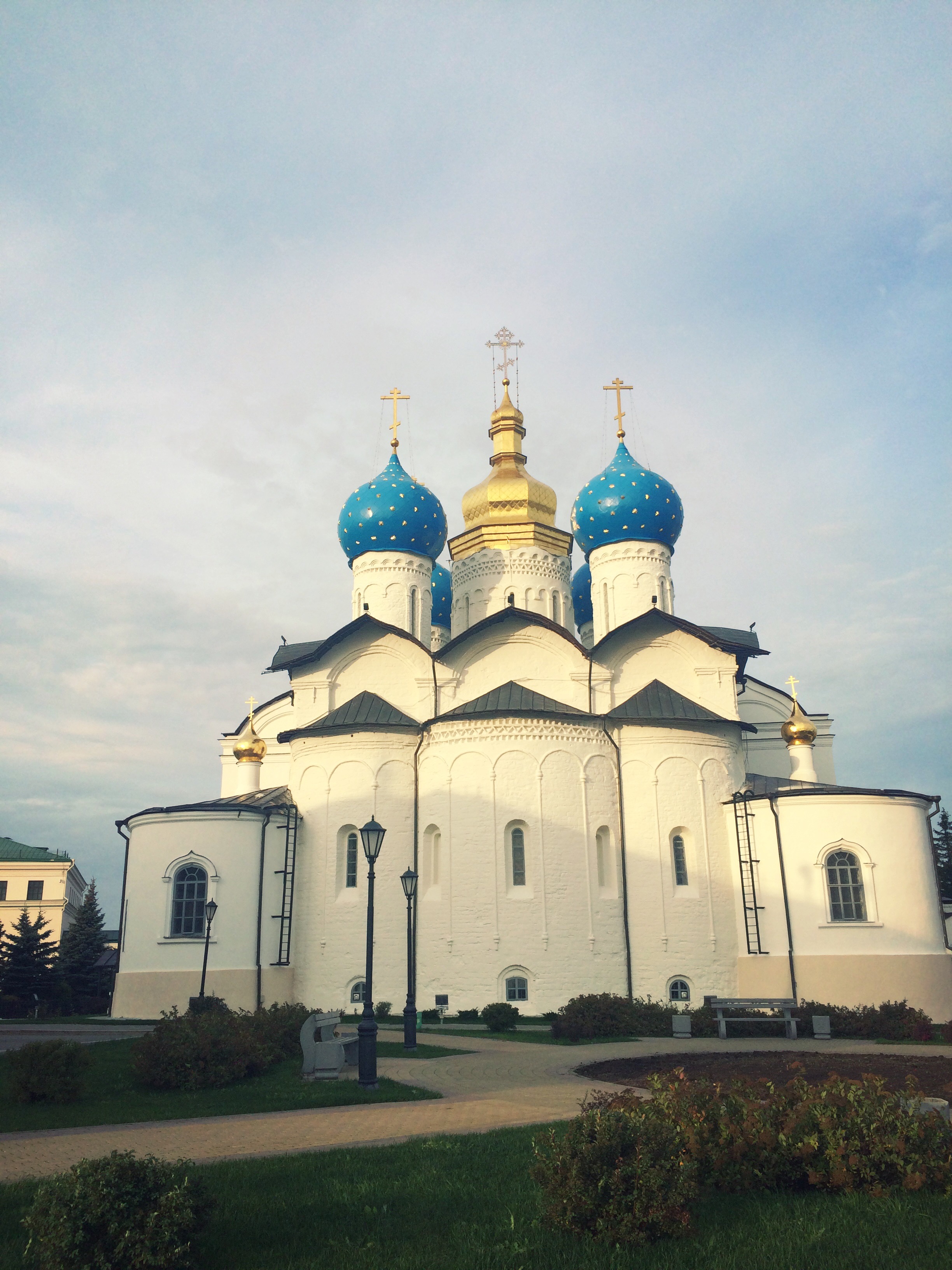
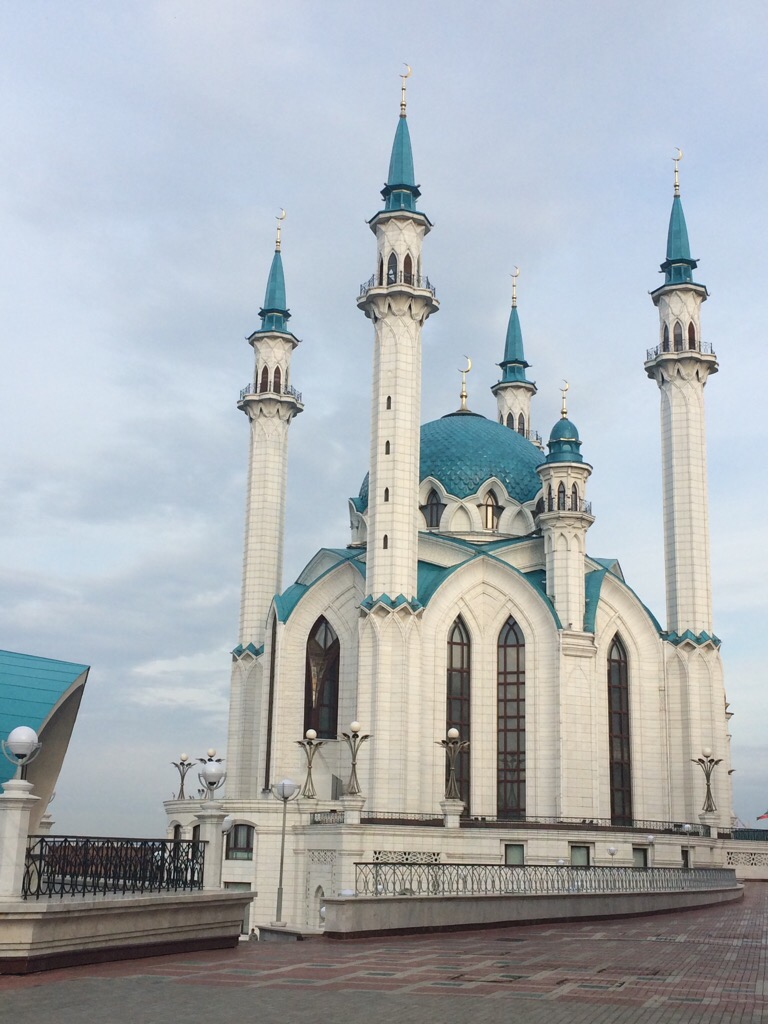
Once we arrived in Kazan (very early), we dropped our bags off at the hotel. It was raining and the temperature had dropped considerably, but nevertheless we headed off to explore the city. Kazan is the capital of the Republic of Tartasan and its people are a mix of Bulgar and Kipchack (Turkic nomads) descent. There is a mixture of religions in the city, with Orthodox churches and Sunni Mosques side by side in the Kremlin. The sight of the bright blue domes and spires is quite beautiful as you climb up to the Kremlin walls. Following the dissolution of the Soviet Union in the 80s/90s, Kazan became the centre of Tatar culture and has been a thriving city since then. 

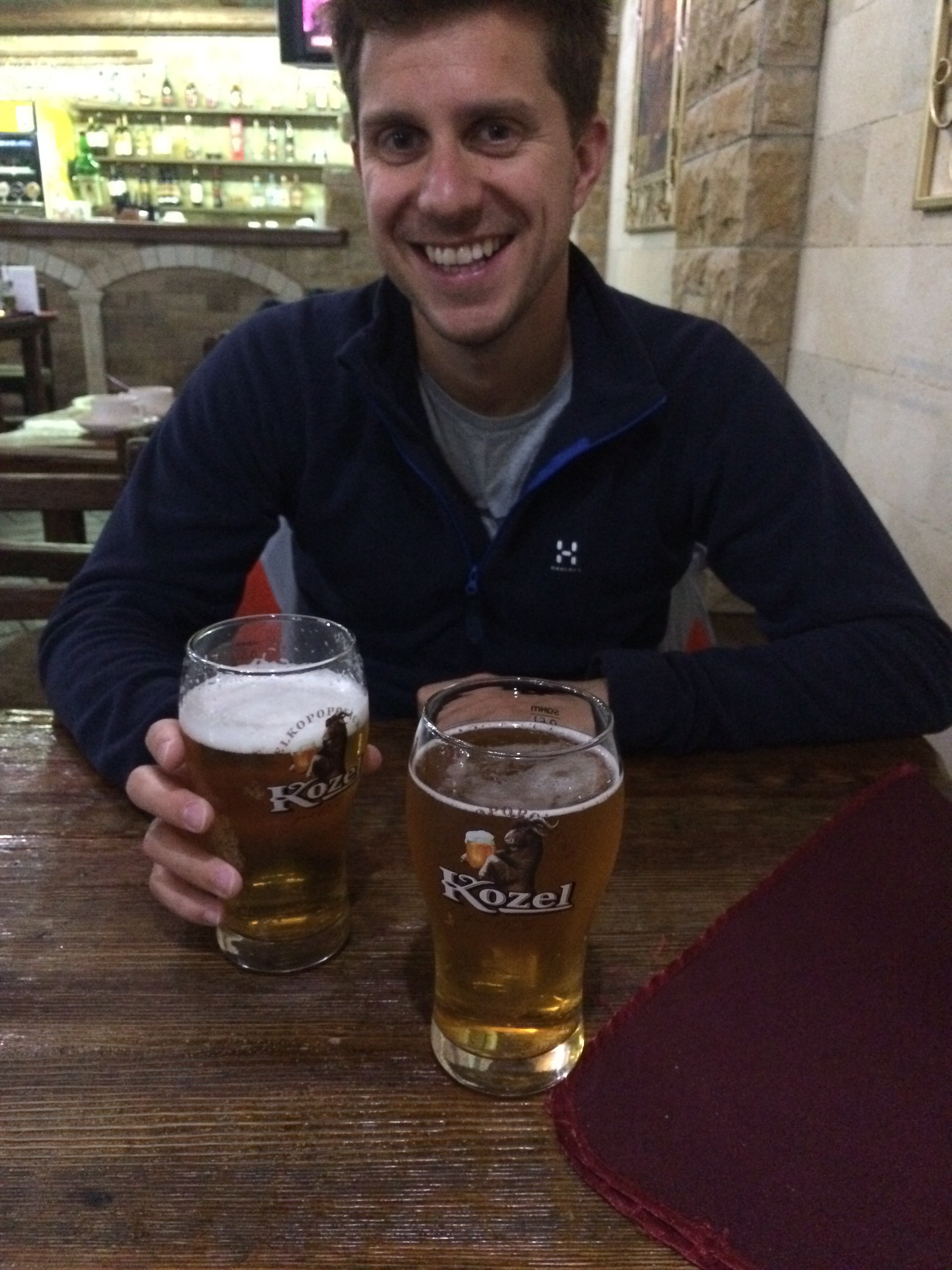
We headed back to our hotel after lunch and realised just how exhausted we are. We love travelling, and are trying to see as much of all these great cities as we pass through, but I think it finally caught up. After a mega nap, the only thing that we could think of doing was to eat pizza. So we found a pizzeria around the corner and with the help of Google Translate, we ordered two ginormous pizzas and a beer. Then Skype calls to family filled the rest of the evening. 


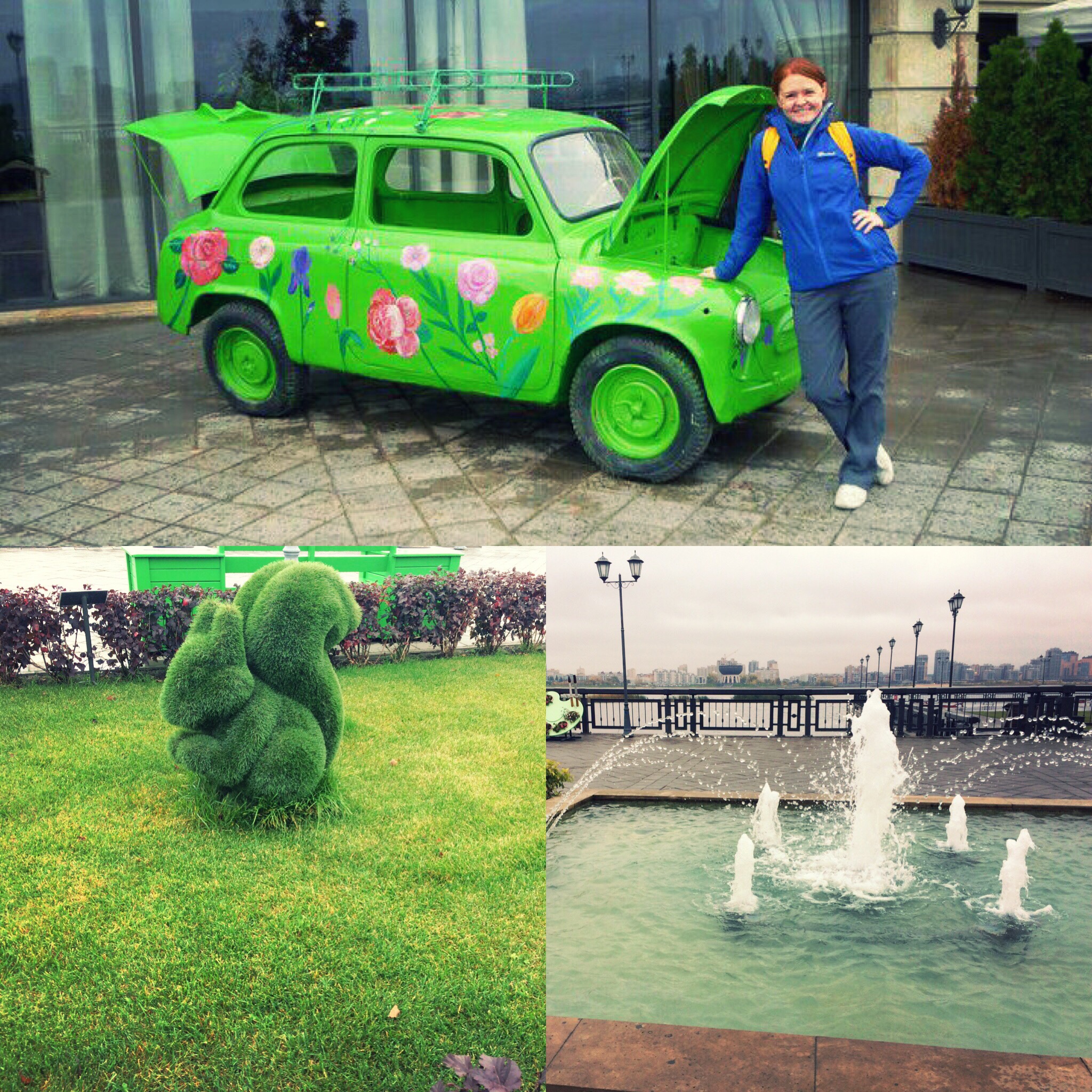
Our train to Yekaterinburg the next day wasn’t until the afternoon, so we headed out for a walk to the newly regenerated area by the river after breakfast. There were beautiful restaurants, French inspired architecture, grass sculptures, but not a lot of people. We did wonder if all of this regeneration is related to the World Cup 2018 event. The host cities appear to be having a face lift! 

Off we went to the train station for our 14 hour trip to Yekaterinburg. Praying for cheese-less foot companions this time 😷.

-F xx