History Lesson in Hanoi

Unlike many of our journeys, Monday’s flight from Hong Kong didn’t require us to get up in the middle of the night. The bus left from just outside our hotel, and our flight was at lunchtime. After only two hours on the plane, we arrived in Hanoi, and were met at the airport by our pre-booked taxi. The taxi ride gave us a glimpse of what to expect in Hanoi, as hundreds of mopeds and motorbikes weaved across lanes, sounding their horns while making their way through the traffic.
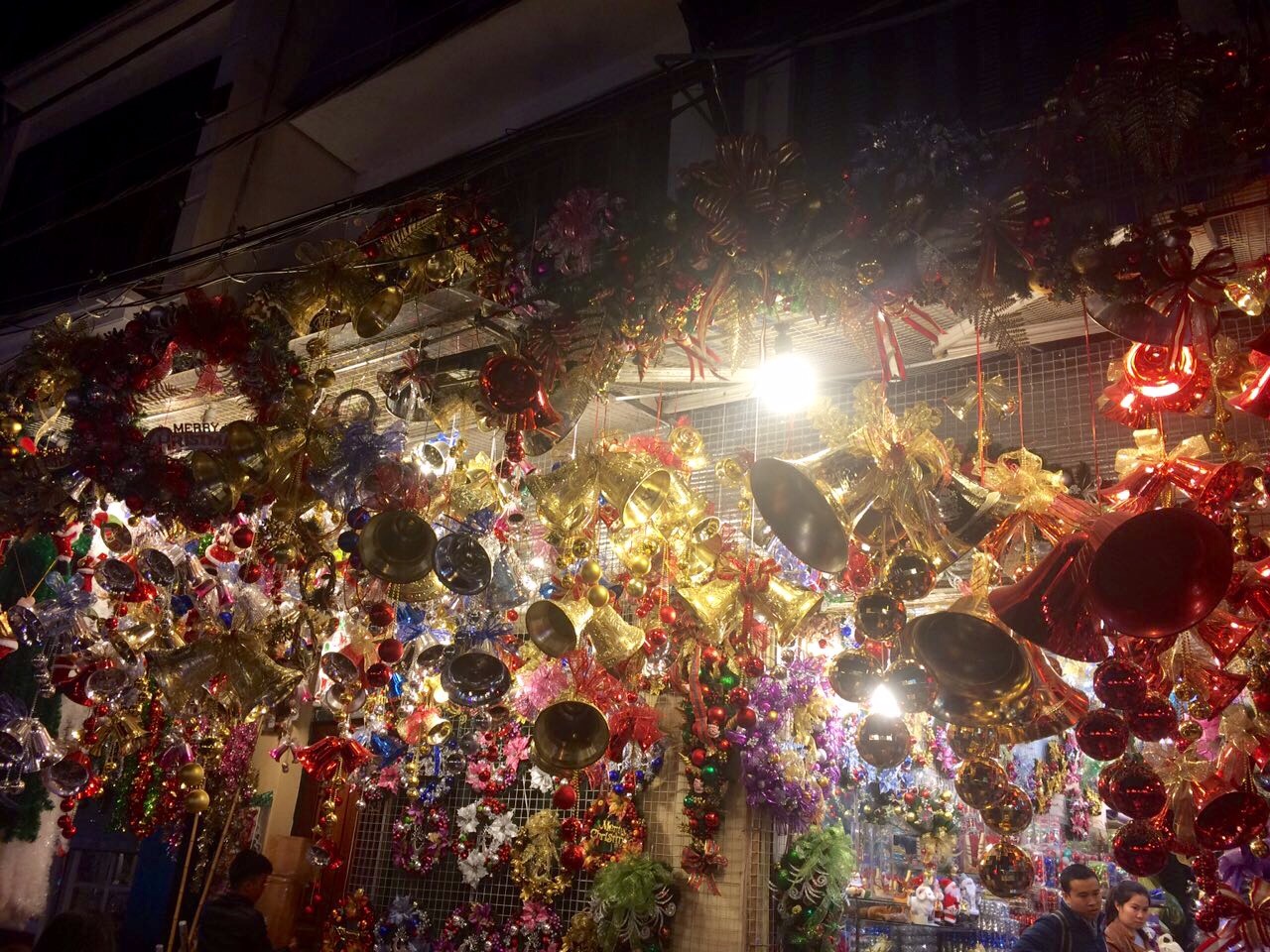
After checking in at our old quarter hotel, we ate at a restaurant just a few minutes away. We knew that Vietnam is cheap for Western tourists, but the meal we ate for such a small price was beyond our expectations. Having consumed more vegetables than we had in the previous two months, we walked to Hoan Kiem Lake and admired the Thap Rua or turtle tower in its centre. Because we were passing, we took the opportunity to attend the Lotus Water Puppet Show at the Viet Culture Space. The puppets were excellent, but the live Vietnamese folk music was my favourite part of the performance. We drank coffee at a cafe overlooking the lake before wandering back into the old quarter’s maze of streets. Having avoided collision with thousands of mopeds, which seem to become crazier at night, we discovered a street where every shop was selling Christmas decorations. If ever you need several thousand Santa costumes, this is the place to come!
After breakfast at the hotel on Tuesday morning, we walked to the Vietnamese National History Museum, which includes exhibits describing Vietnam’s history from prehistoric times up to the revolution of August 1945. As the museum closes for lunch between 12 and 2pm, we ate at a nearby restaurant and enjoyed a glass of bia hoi – a Vietnamese beer, brewed daily and served at roadside bars and restaurants. Once the museum had reopened, we visited its second building, which focuses on the Vietnamese revolution and history up to the present day. The museum didn’t provide much explanation about its exhibits, but has prompted us to learn more about Vietnamese history. We stopped at a cafe on our way back to the hostel and sampled some Vietnamese coffee; the combination of strong coffee and the sweetness of the condensed milk was most welcome after several hours of museum browsing.

On Tuesday evening, we wanted to photograph Long Bien Bridge, which connects the districts of Hoan Kiem and Long Bien. The bridge is famous due to being heavily bombed during the American War, and is a symbol of Hanoi. Sadly, we couldn’t get a great view of the bridge from where we walked, but we could see the lights of the trains and many mopeds crossing it. After the bridge, we walked to Bookworm, a book shop selling new and used English language books. We ate dinner on a busy street, where pedestrians and mopeds shuffle slowly between menu-waving waiters and restaurant tables. Once back at the hotel, we watched Last Days in Vietnam, a film providing a very American view of the final days of the American War.
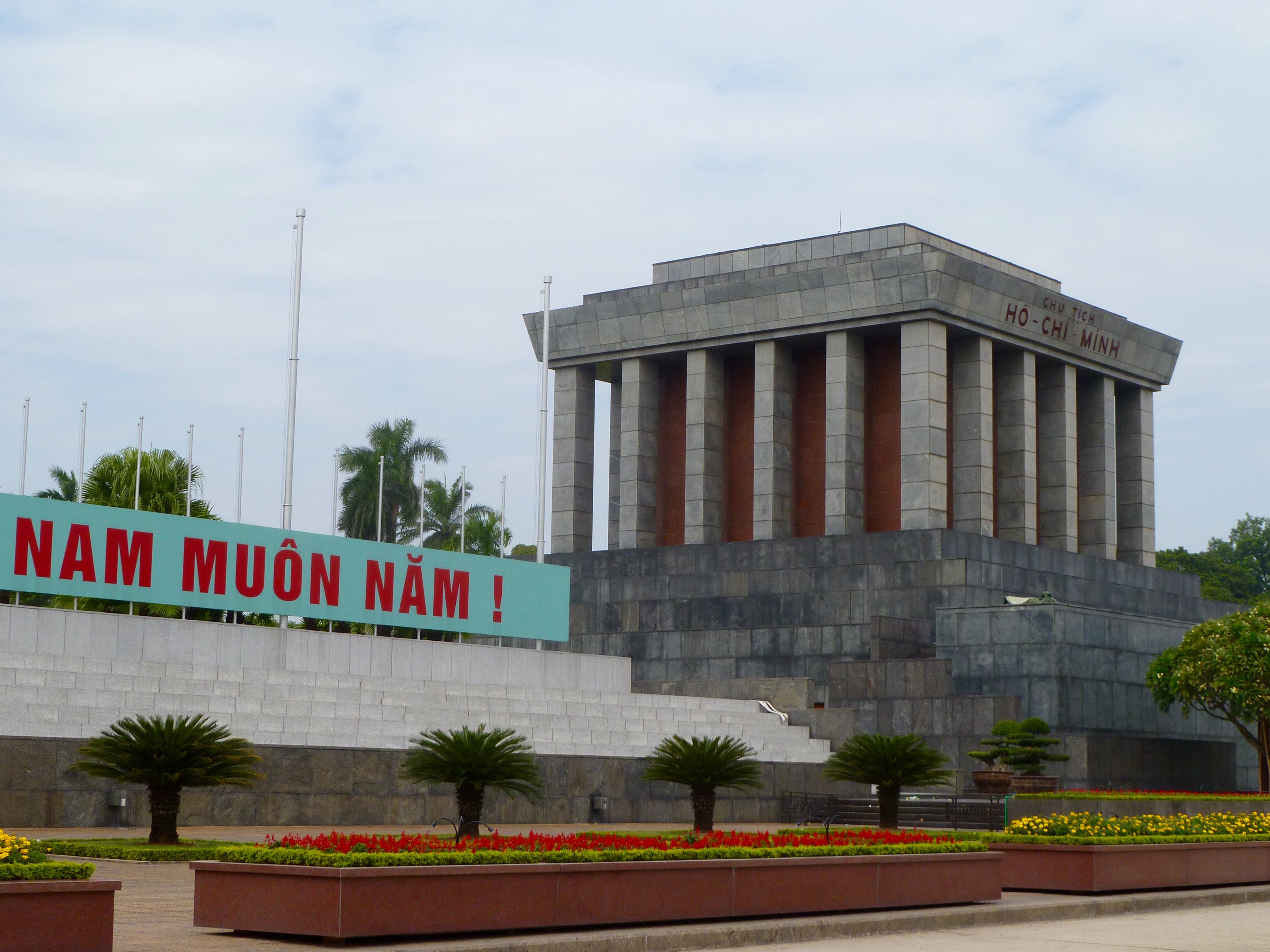
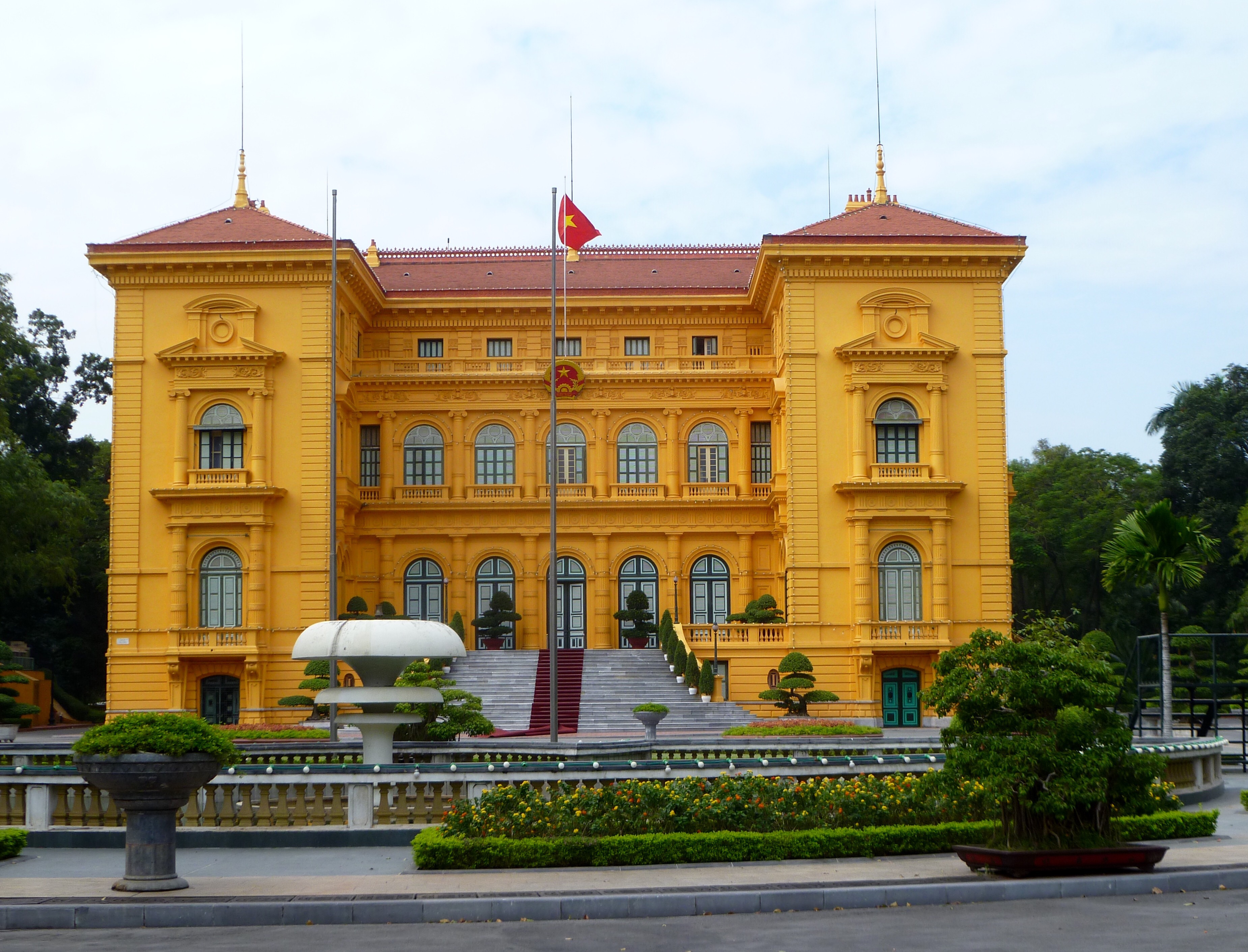
Our final day in Hanoi was dedicated to visiting the Ho Chi Minh Mausoleum Complex. Unfortunately, the mausoleum itself is currently closed for maintenance. I’ve read previously that this means Ho Chi Minh’s embalmed body has been sent to Russia to undergo annual preservation treatment. From the outside, the mausoleum has a very Soviet look about it. Having looked through the gates of the bright yellow Presidential Palace, we walked through the nearby botanical gardens on our way to the Ho Chi Minh Museum. The exhibition on the first floor provided great insight into the life of ‘Uncle Ho’, but the second floor was more like a bizarre art gallery.

After dinner, we visited ‘Christmas Street’ once again, before returning to the hotel to pack for Thursday’s trip to Halong Bay. The next morning, on the bus out of a Hanoi, we had a great view of Long Bien Bridge as we travelled across the parallel Chuong Duong Bridge.

G
Large Hairy Cats of Tokyo and Other Short Stories

After four days in Kyoto, we took our final Shinkansen train journey last Saturday morning. The journey to Tokyo took approximately three and a half hours – our longest train journey in Japan. Having spent days on trains in Russia, Fionnuala and I both found this rather amusing. After a couple of Metro journeys, we found our hostel in Asakusa, close to an ancient Buddhist temple called Sensō-ji.

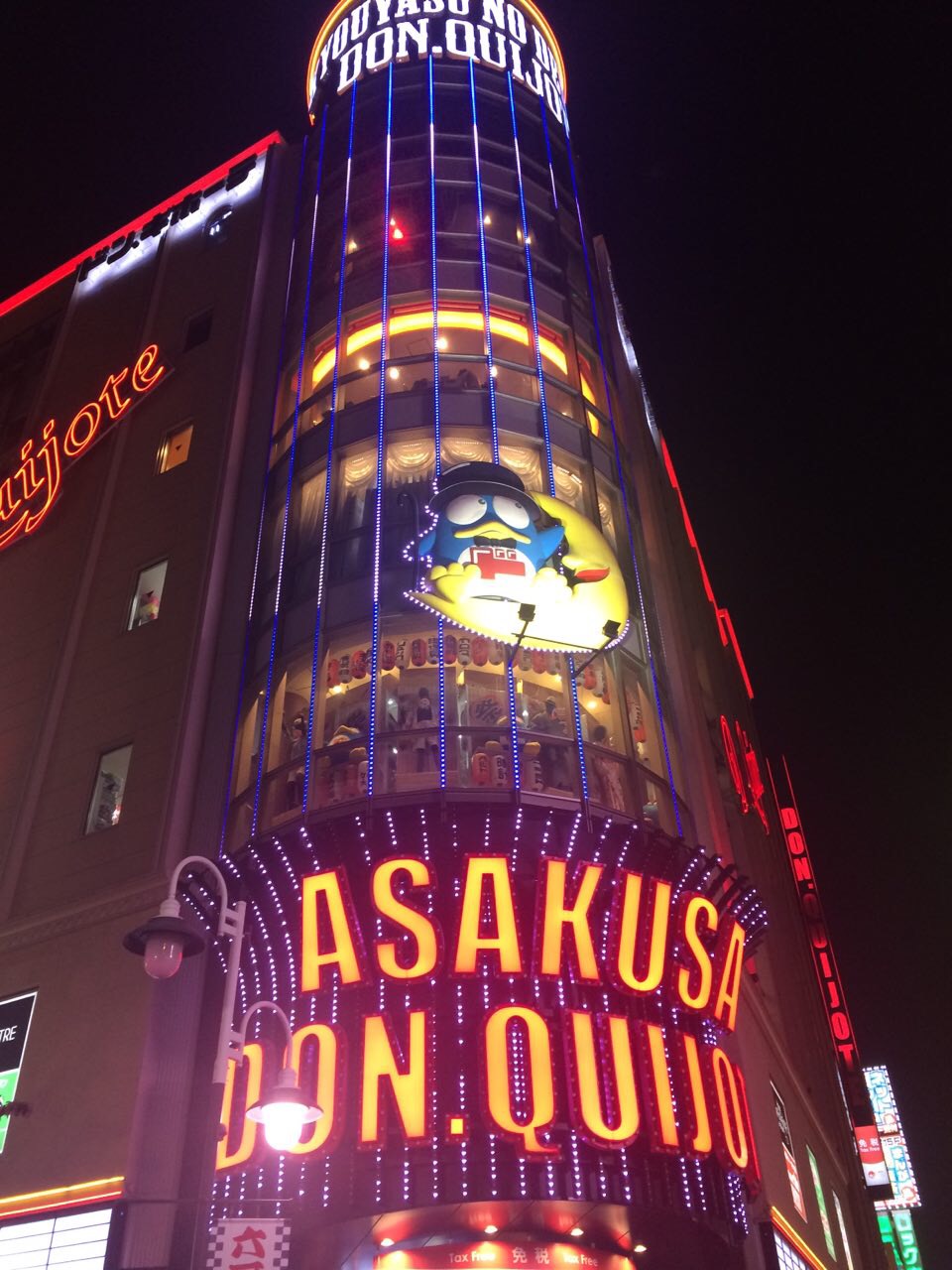
Having not eaten in a while, we headed out into the local area to find lunch. The streets were full of small shops and cafes, and several streets were lined with market stalls. We ate at a noodle bar, where, having placed our order at a vending machine outside, we handed printed tickets to the chef, who promptly served us delicious meat and noodles. During check-in at the hostel we were told where the nearest ATM, 7 Eleven and bars, etc, where. We were also told of a nearby convenience store where you can get “anything you want”. This seemed an odd thing for the hostel to tell us about, until we saw Asakusa Don Quijote for ourselves. We counted six floors filled with food, cosmetics, clothing, electrical goods, fancy dress outfits, a restaurant and lots of chocolate. We visited several times!

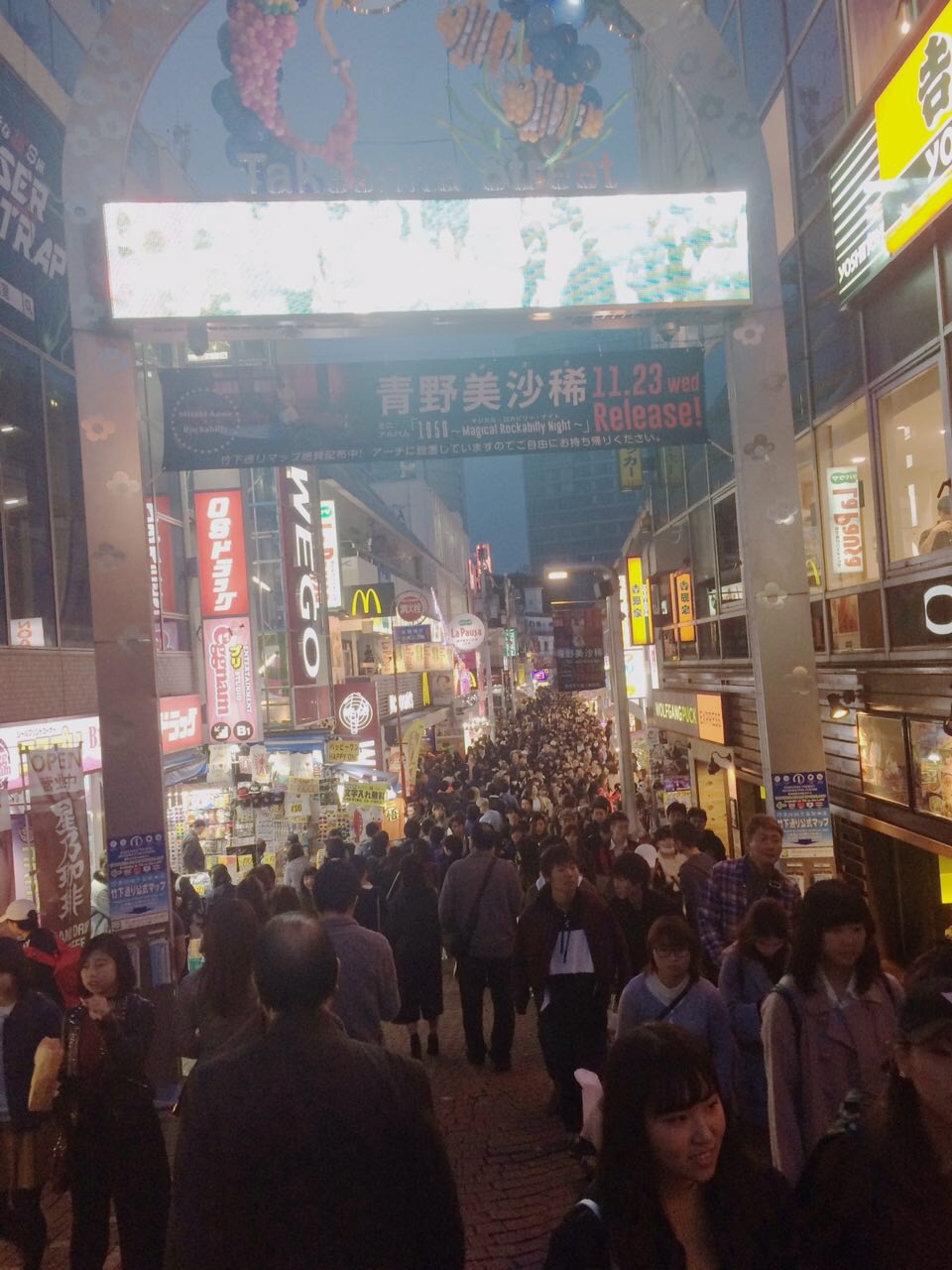
On Sunday we took the Metro to Harajuku, as we wanted to see the young people of Tokyo in their natural habitat: clothes shops! Firstly, though, we headed to Meiji Shrine, where we were fortunate enough to witness part of a wedding ceremony. Due to seeing many shrines and temples in the preceding days, we didn’t hang around long. We started our window shopping on Omotesando, a tree lined boulevard filled with high-end fashion stores. Feeling under dressed and a little financially inferior, it didn’t take us long to move onto Takeshita Dori, where hundreds of Tokyo’s teenagers slowly made their way from clothes shop to cafe to candy floss stall. Although quite a site to behold, I had expected to see more outrageous outfits. Instead, most people wore the jeans, trainers and t-shirt uniform of young people back home.


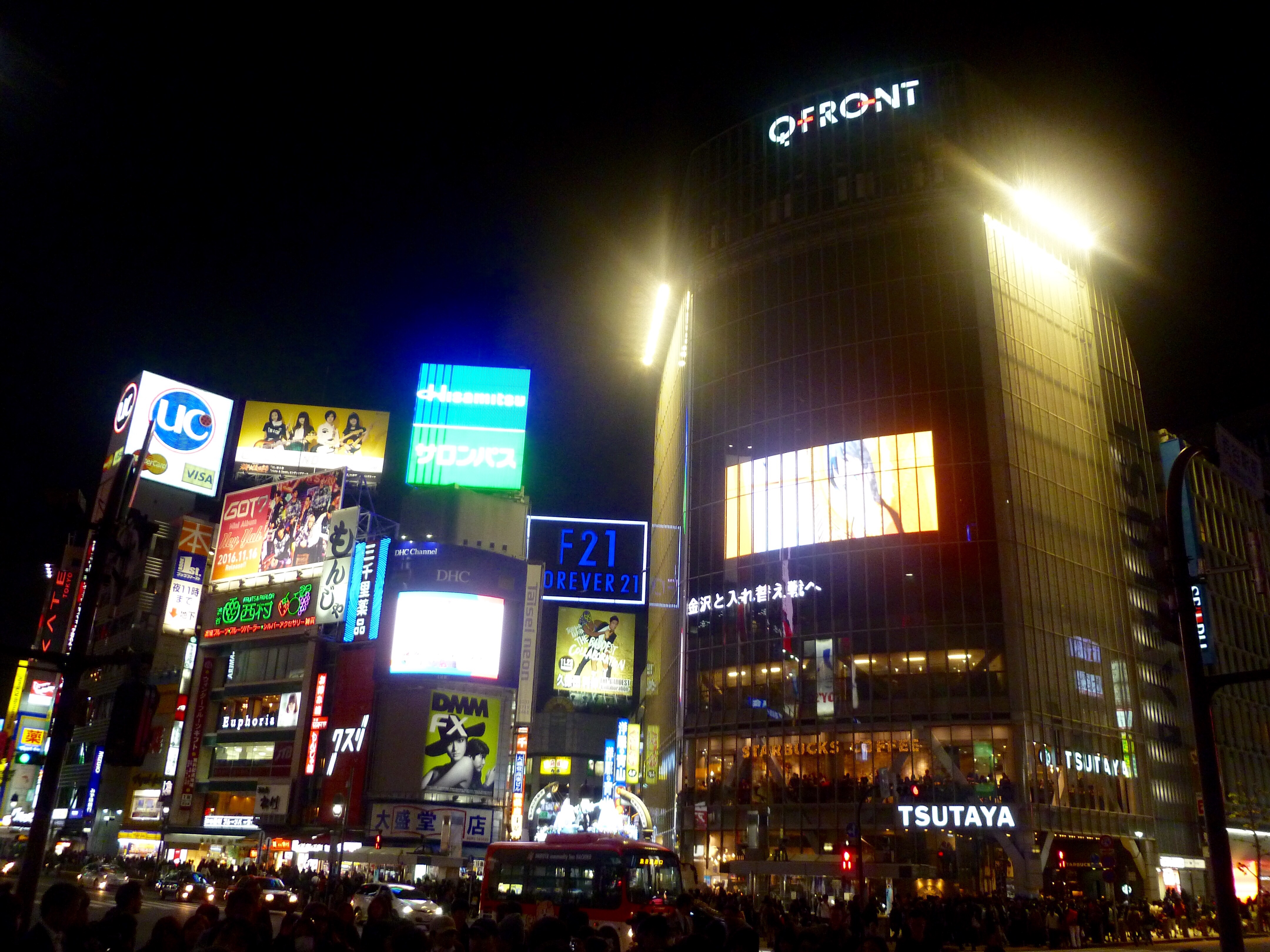
In the evening we walked from Harajuku to Shibuya. The Shibuya Crossing really is crazy. I would love to know the split of people crossing the road in order to get somewhere versus those crossing just for the sake of crossing. After a good walk around Shibuya, and a detour to Yebisu to see the Christmas lights and market, we were intrigued by a small crowd gathered a couple of streets from the crossing. As we approached, we noticed a man with a pushchair. In the pushchair were eight or nine large hairy cats. I can offer no explanation for this, but definitely thought it worth mentioning.

Monday morning was unplanned, and we ended up at Tokyo Imperial Palace just in time to see the Emperor of Japan arrive. Unfortunately, the gardens are closed on Monday, so we planned to return on Tuesday. As a long-time reader of Monocle magazine, I couldn’t miss the opportunity to eat lunch at the Monocle Cafe, located in the basement of Hankyu Men’s. The food was good, and the cafe itself was suitably pretentious! 

After lunch, we took the Metro to Miraikan, Japan’s national museum of emerging science and innovation. The museum was brilliant, and I wish we had allocated more time for our visit. Interactive exhibits on topics such as quantum particles, conductive polymers and retinal imaging displays make Miraikan much more than just another science museum. One of the main attractions is ASIMO, a robot demonstrating human-like movements. That was great, but my highlight was definitely the film The Man from the 9 Dimensions, which was screened in 3D onto the dome of the the 112 seat theatre. It was by far the best 3D film experience I’ve had, and something I would happily pay to see again. (www.miraikan.jst.go.jp/sp/9dimensions/en/)


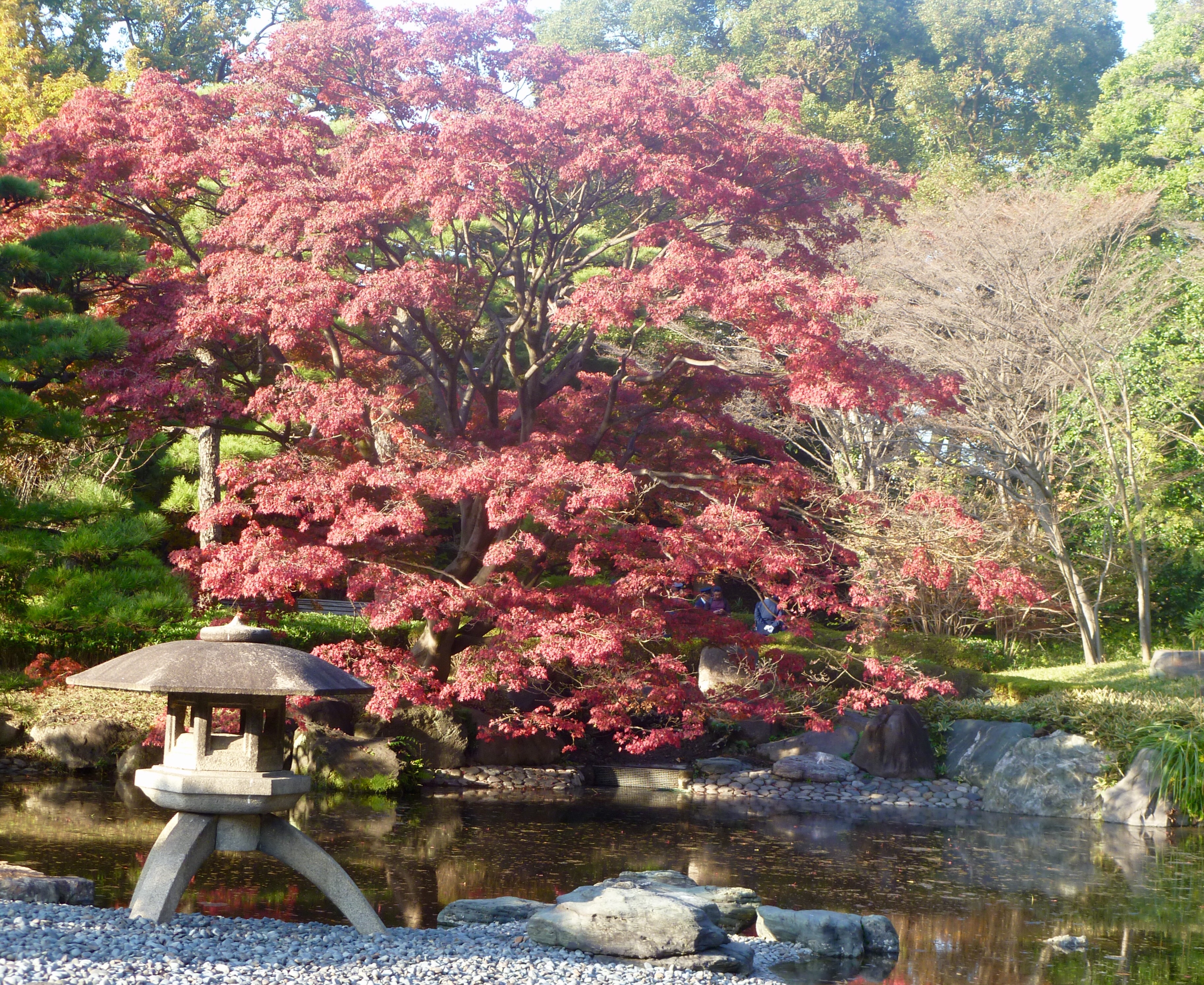
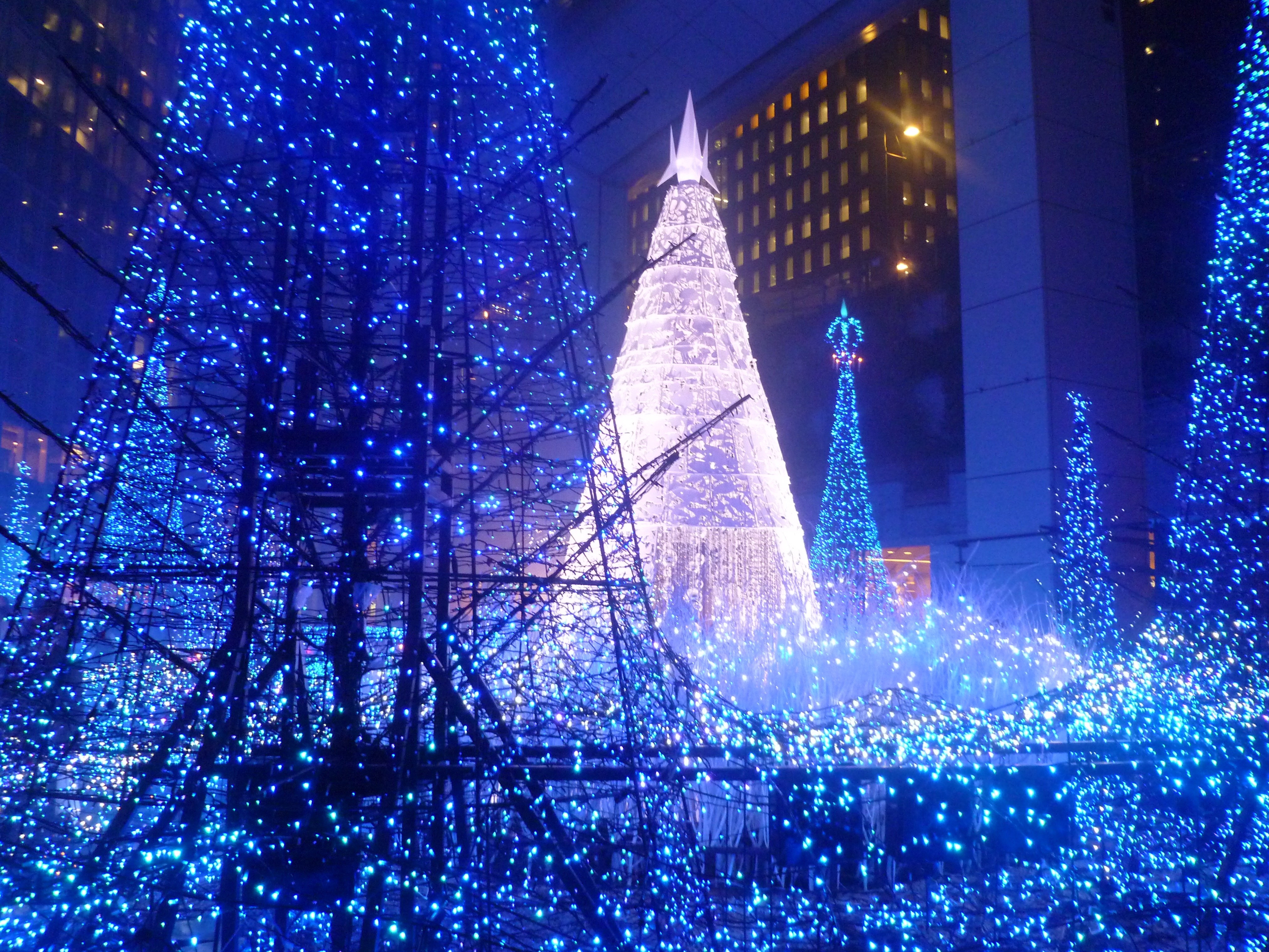
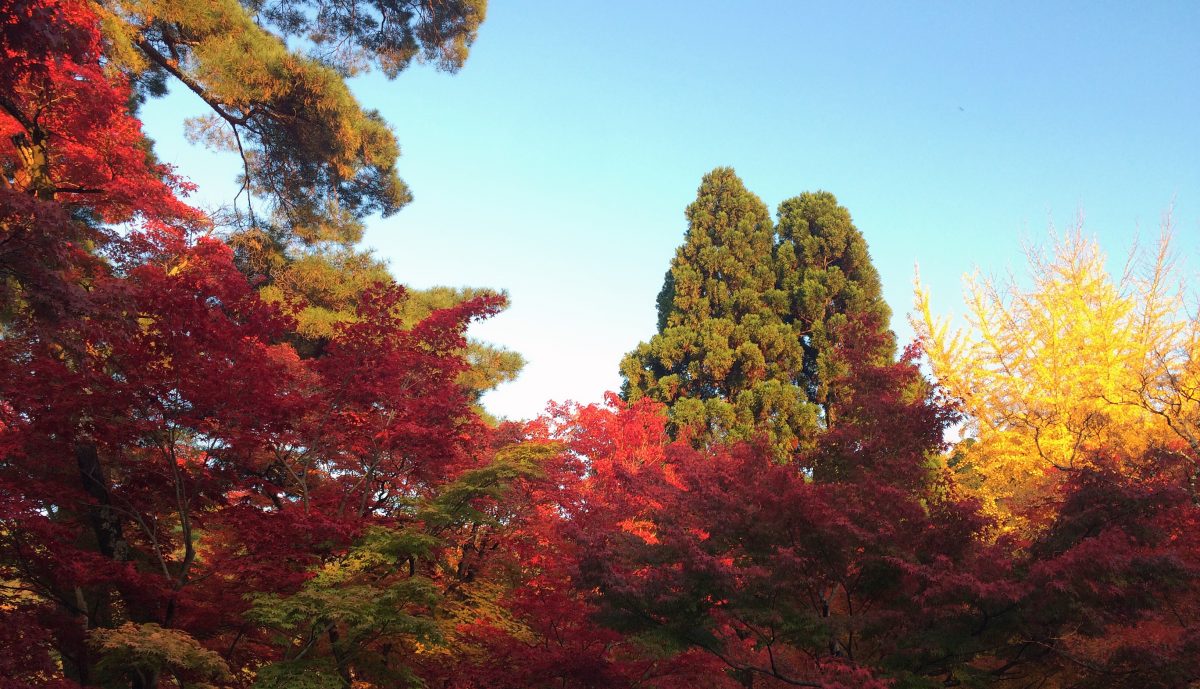
Tuesday was our final day in Tokyo, and our final day in Japan. Having seen so many things in the previous two weeks, we were in no hurry. The weather was great, so we walked around the gardens of the Imperial Palace, and took one last look at Japan’s stunning autumnal colours. We finished our day by taking in the Christmas illuminations at Caretta in Shiodome. The 250,000 LEDs felt like a fitting end to our time in Japan.

G
Naoshima Art Island

Much like visiting Olkhon Island in Russia, our visit to Naoshima was the experience I was most excited about in Japan. The three trains and one ferry we travelled on from Hiroshima felt a bit like Christmas Eve; the anticipation building as we got closer to the outdoor sculptures, quirky restaurants and beautiful scenery of the ‘art island’. Naoshima is an island in the Seto Inland Sea of Japan. It is best known for its art museums and outdoor art installations. It has a small population and two ports: Honmura on the east and Miyanoura on the west. 


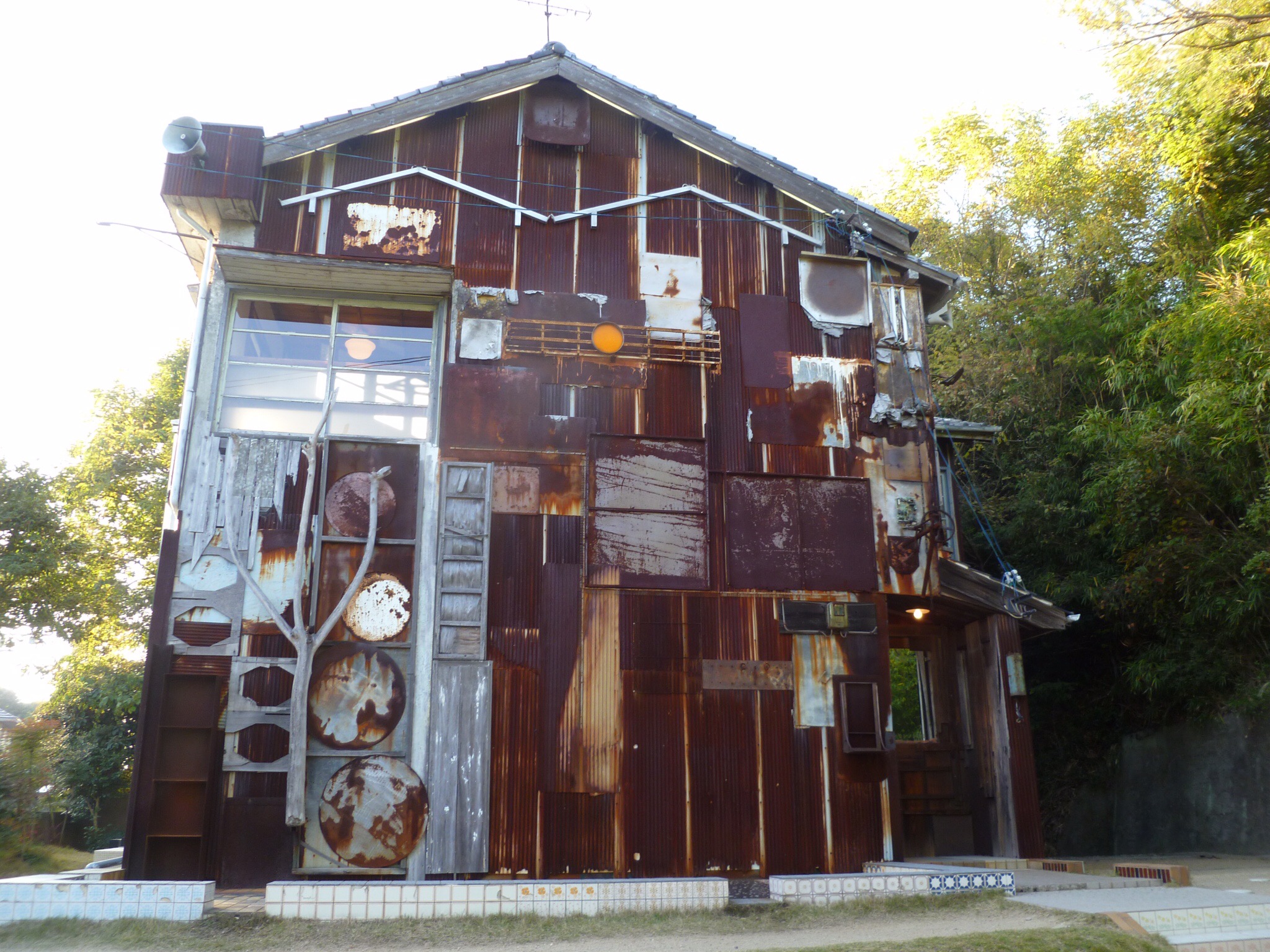
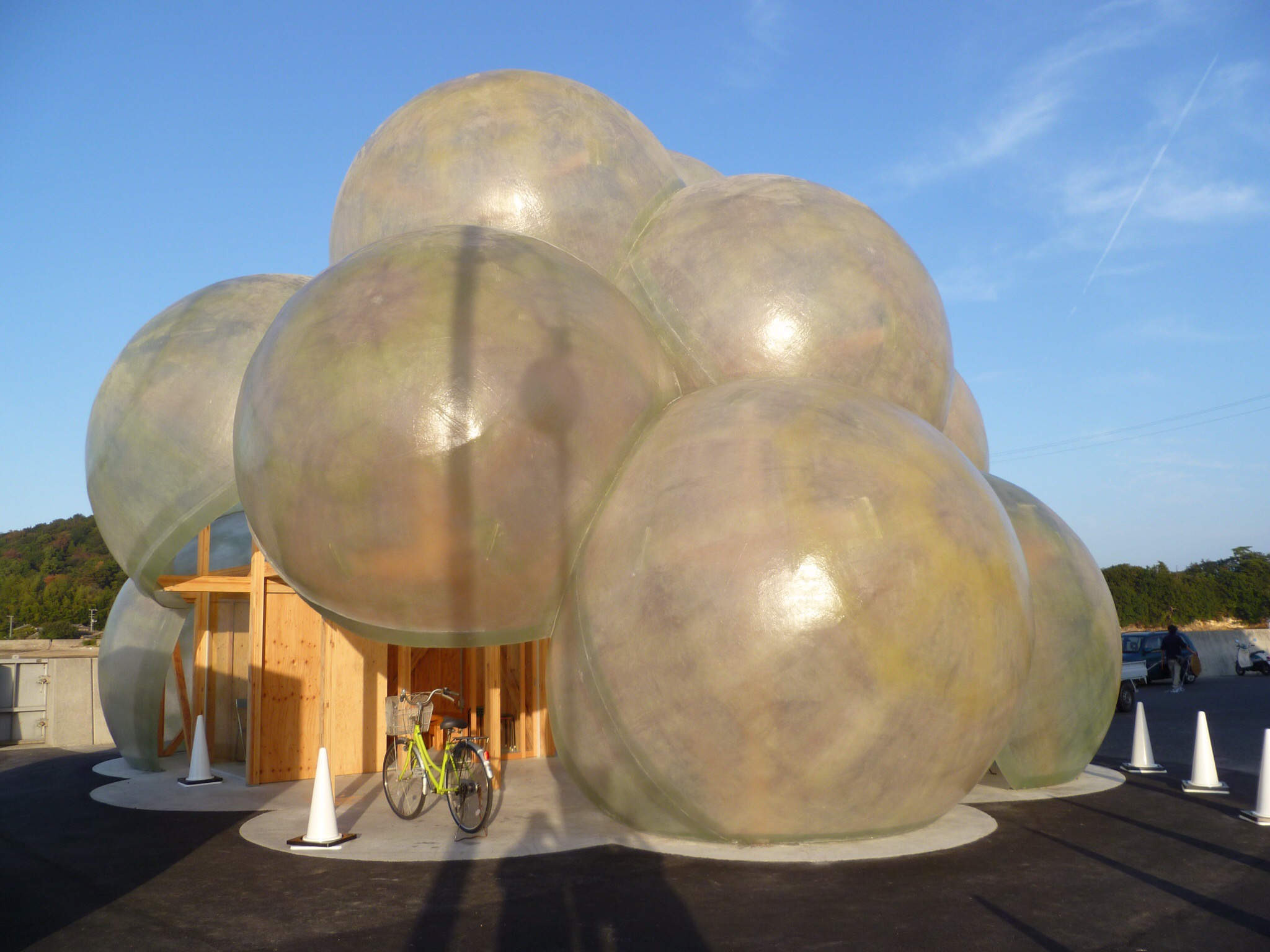
It was early afternoon when we stepped off the ferry at Miyanoura, and our accommodation, Little Plum, was a matter of metres away. We dropped off our bags, and, as the weather was surprisingly warm, removed a few layers of clothing. We walked the two kilometres to Honmura to visit the Art House Project. The project “involves the restoration of vacant houses into artworks by artists” (Art House Project ticket), and going there was a great way to spend the afternoon.


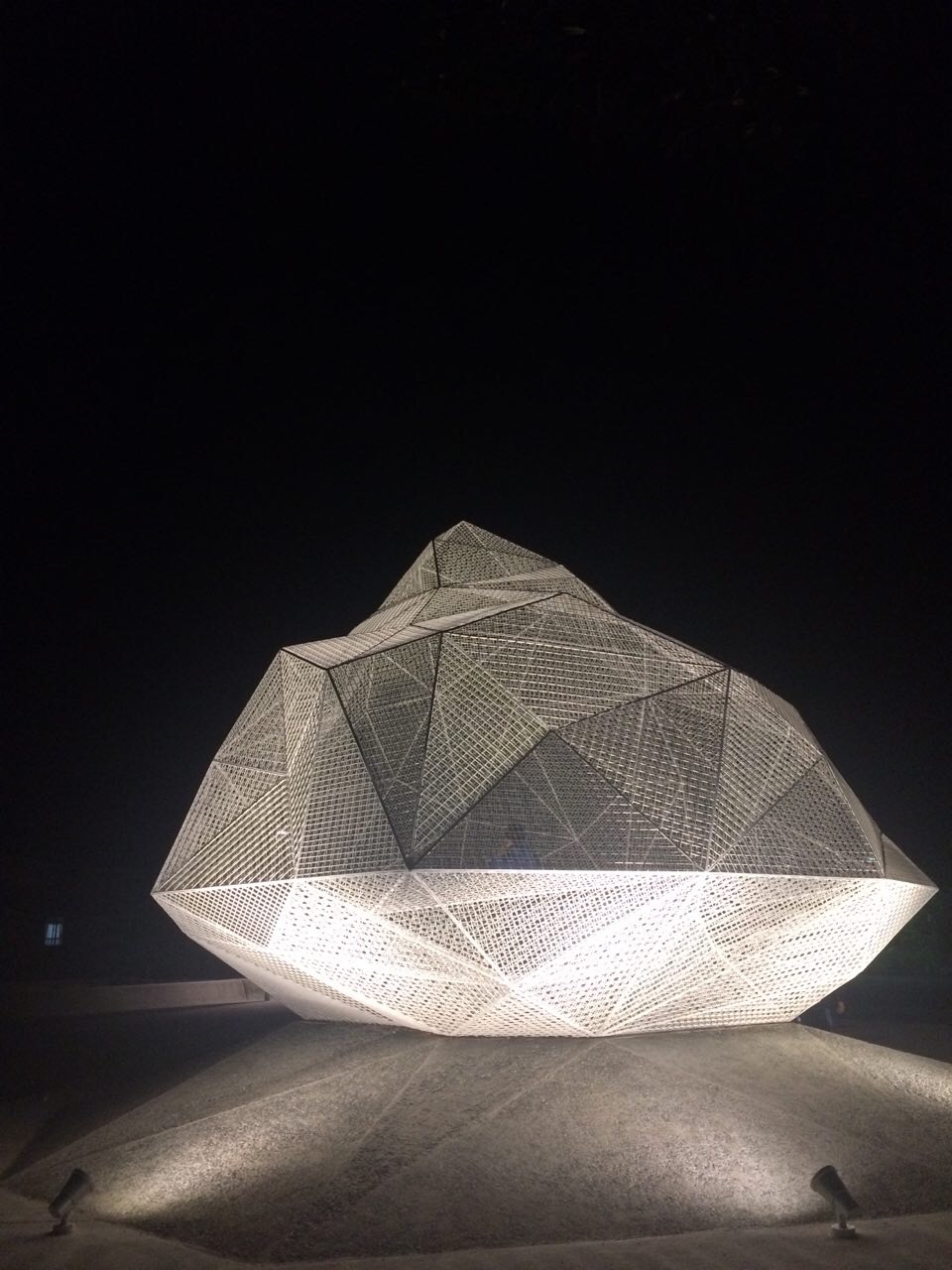
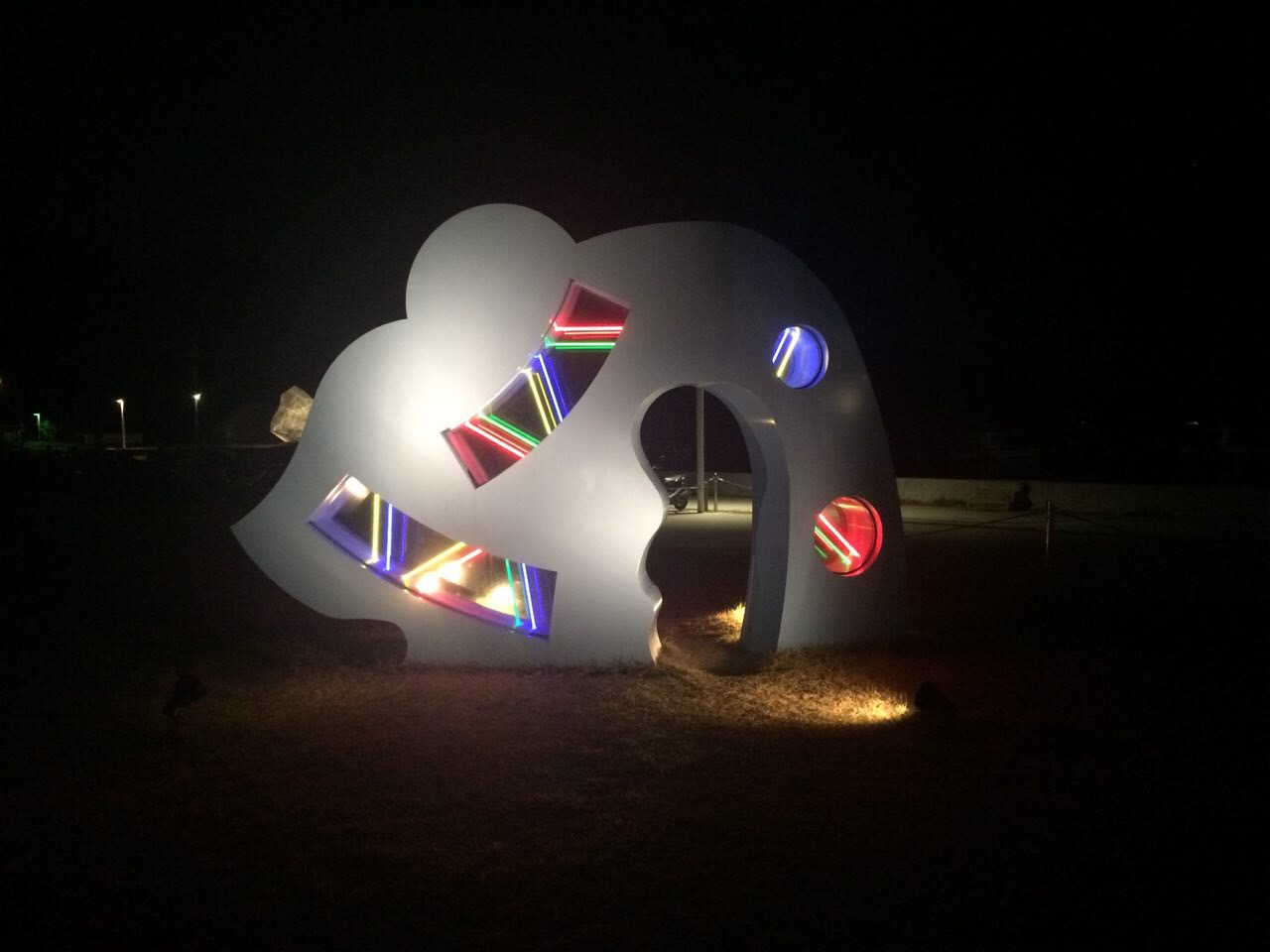
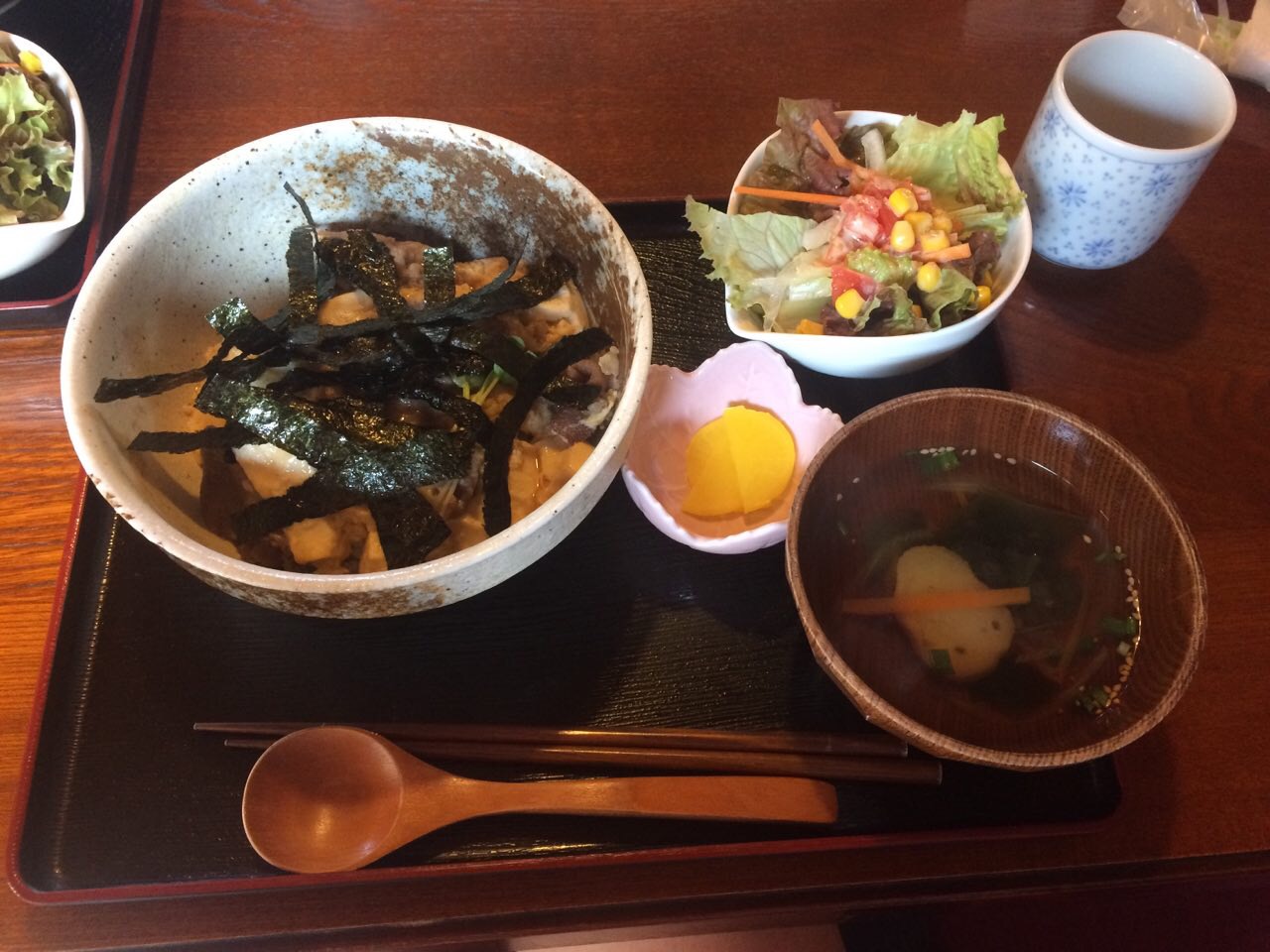
We had read several places that restaurants don’t stick to set opening hours on Naoshima, and the best way to find dinner is to walk around until you happen upon somewhere that is open. This proved to be the case, and we walked past several ‘closed’ signs before reaching a restaurant called Cin.na.mon. Getting served took a while as the restaurant was “crazy busy”, as one of the staff explained. After eating an excellent tasting, but far too small, meal, we walked down to the port and spent a while admiring two of the island’s outdoor sculptures.


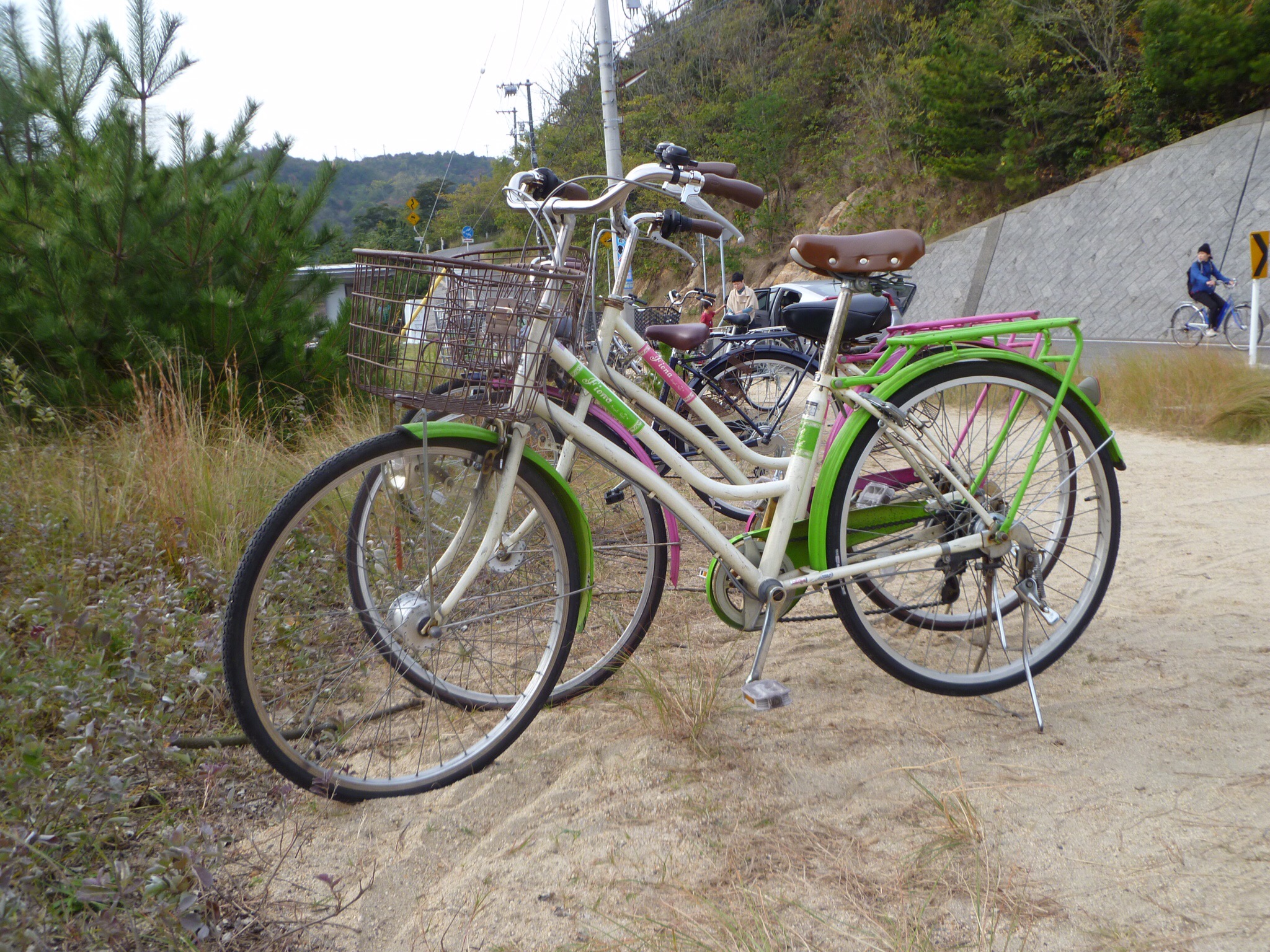
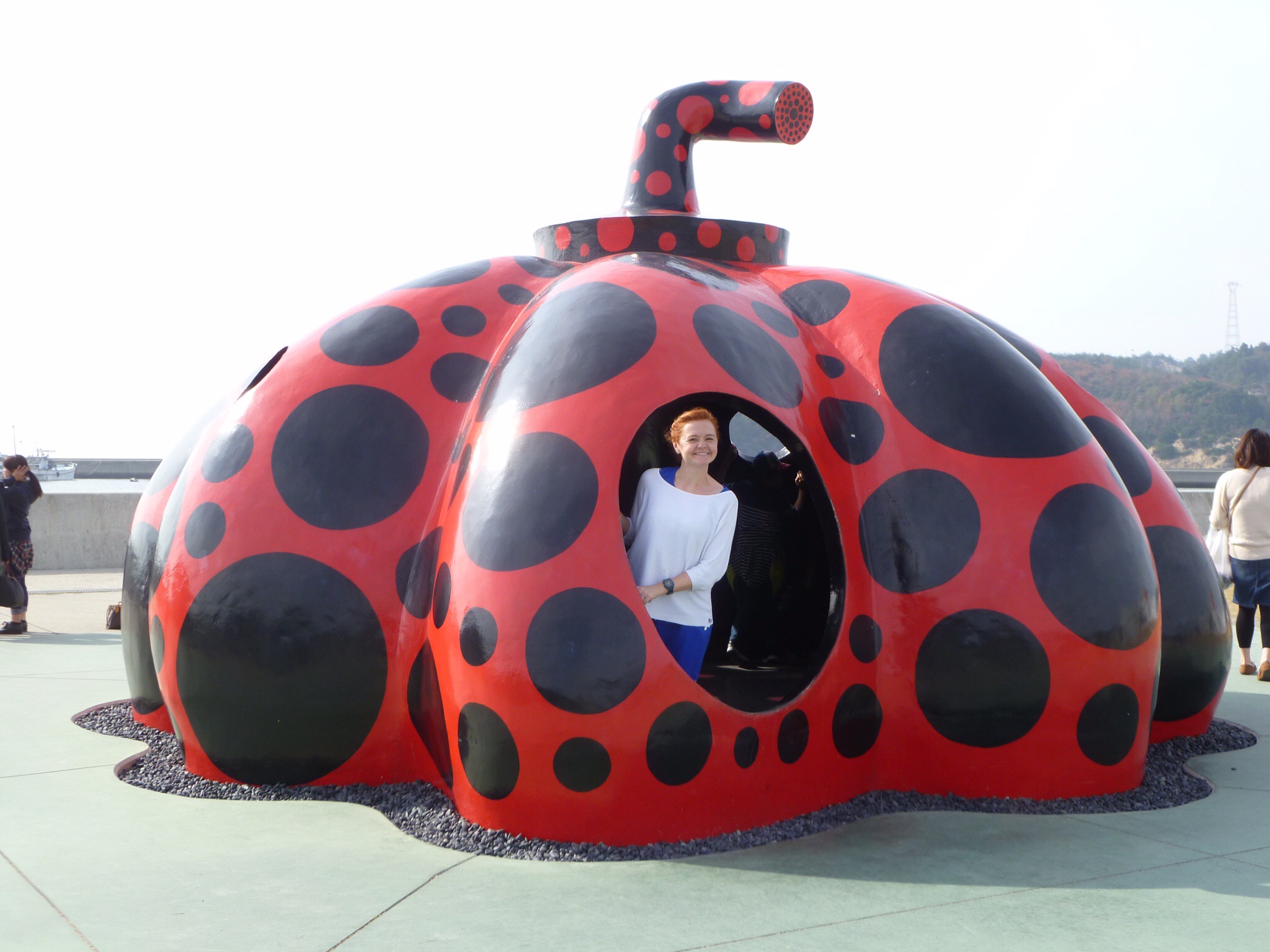
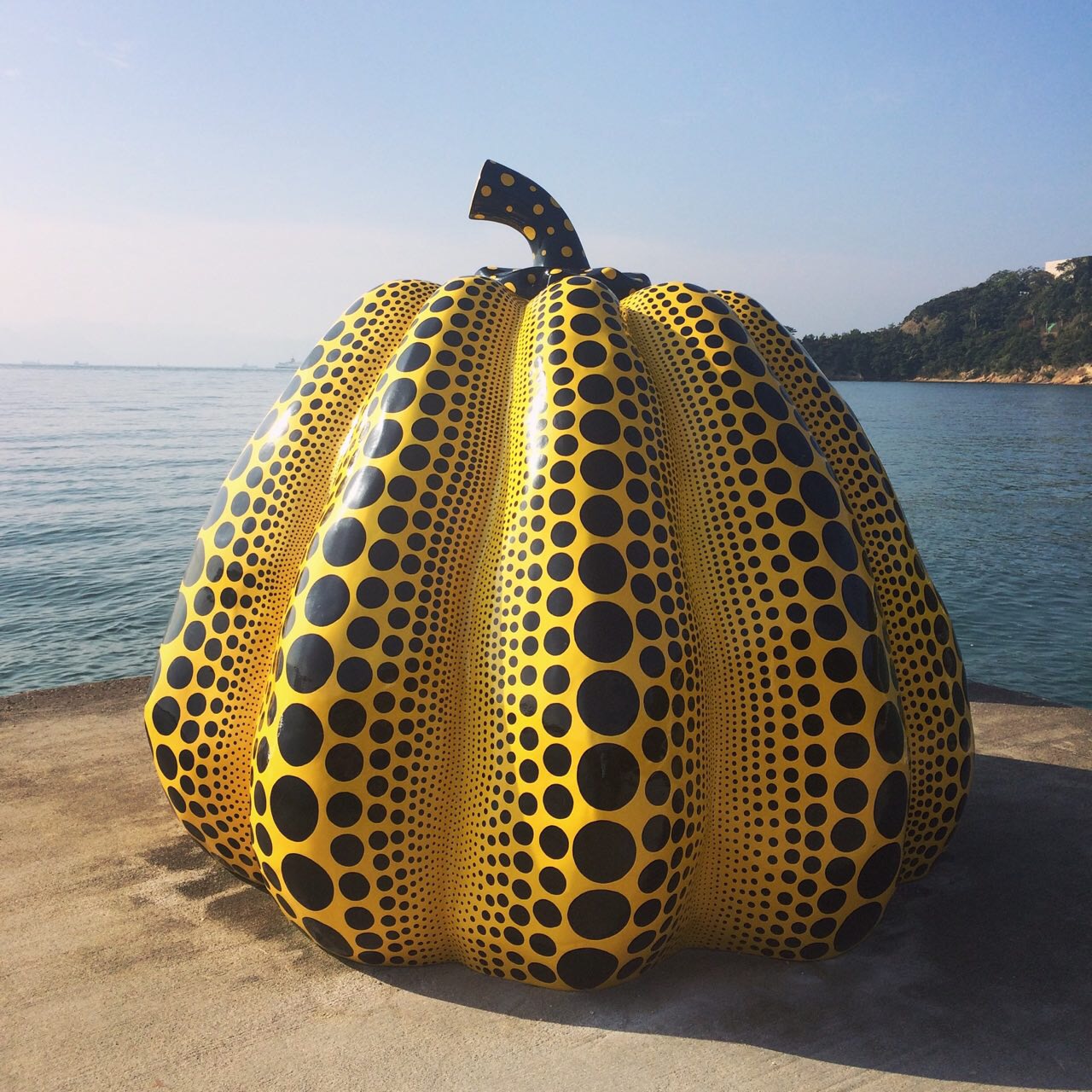
On day two, Sunday, we rented bikes from Little Plum and set off to explore the hilly roads of the island. There are several bike rental shops on Naoshima, where the majority of people hire electric bicycles. Of course, we couldn’t possibly accept such motorised assistance (that’s cheating!), and opted instead for two very heavy, human-powered, town bicycles. We began an anti-clockwise loop of the Island, and followed the coast up a ridiculously steep hill past the Chichu and Lee Ufan art museums, before riding to Yayoi Kusama’s iconic Yellow Pumpkin. After a look at the sculptures outside Benesse House, we parked our bikes and walked into Honmura for breakfast. Few places were open, but we found an excellent cafe that had just started serving lunch.


After eating, we continued our loop of the Island, returning to where we started. After a stop at Kusama’s Red Pumpkin, we cycled through the middle of the Island, back to the yellow pumpkin, and lay on a nearby beach. After some reading about the rest of the cities we plan to visit in Japan, we bought a coffee, and cycled back to Little Plum.


G
Fukuoka: One Sinkhole & Two Giant Buddhas

Tuesday began far too early. We checked out of the hostel in a Busan and made our way to the International Passenger Ferry Terminal. We were slightly surprised to find that our ferry was for foot passengers only, and rather small. Both of us spent the journey to Japan fast asleep. Following a quick bag check at customs, we attempted to withdraw some cash to pay for the bus ride into the city. As neither the ATM or currency exchange accepted foreign cards, our only option was to walk in the rain. Waterproof gear on, we headed towards Hakata Station. Neither of us mind a bit of rain, and walking is always a good orientation exercise.

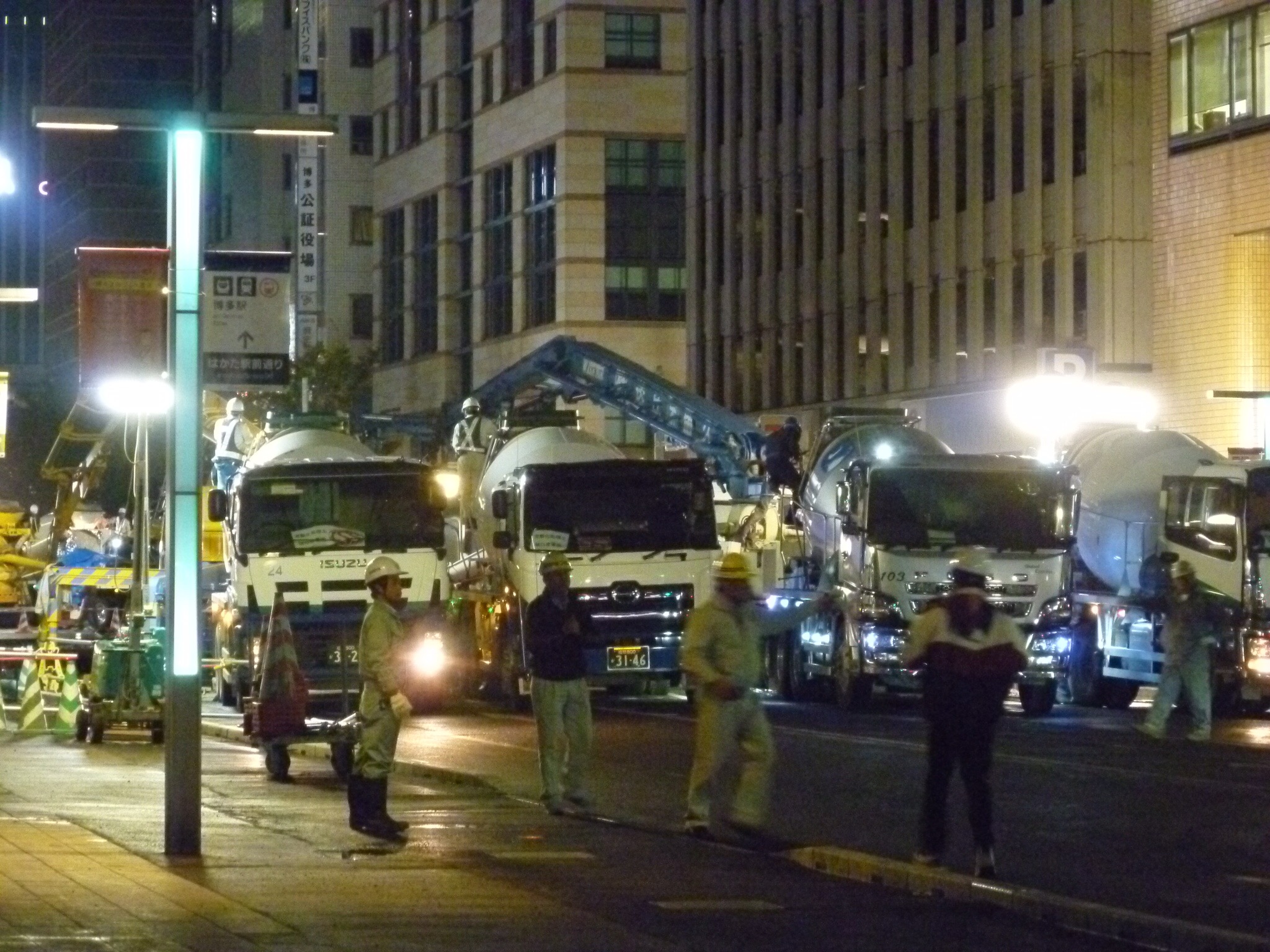
While looking for lunch in Amu Plaza, located above Hakata Station, we noticed several fire engines on one of the streets outside, and a number of people taking photographs. We later spotted helicopters flying overhead, and police preventing vehicles and pedestrians from entering one of the city’s central streets. We checked into our hostel and thought little more of the incident in the city centre.


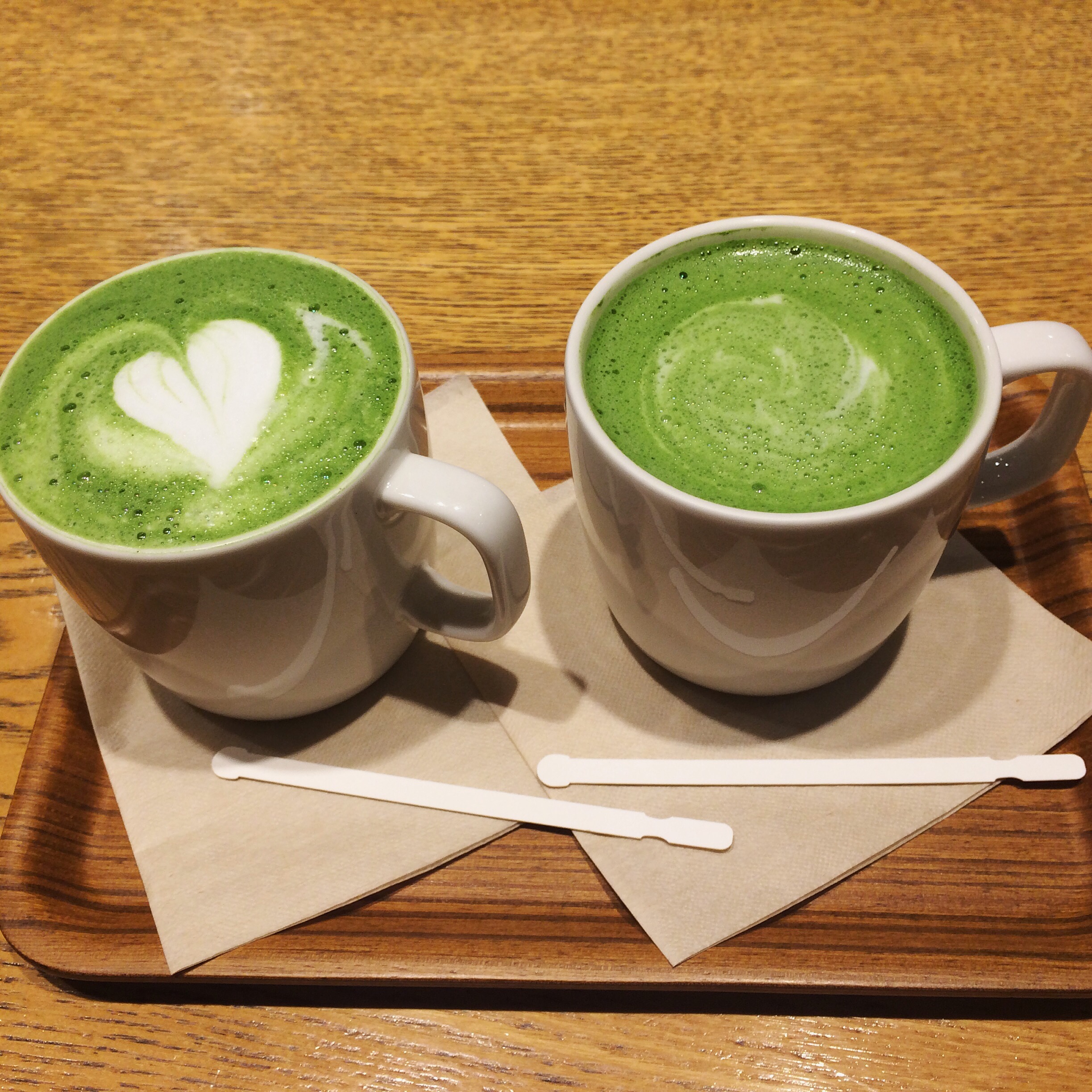
As the weather wasn’t great, we walked to an enormous shopping complex called Canal City. Having browsed a few shops, we stopped for a green tea latte in MUJI Cafe. With the helicopters still over the city, I Googled “Fukuoka news” and found that a sinkhole had swallowed part of a road a few hours prior to our arrival. (bbc.com/news/world-asia-37906065). After Canal City, we walked to Tenjin, an area containing a mixture of modern shops and traditional street stalls. We passed by the sinkhole again on our way back to the hostel, but the many work vehicles prevented a good view.


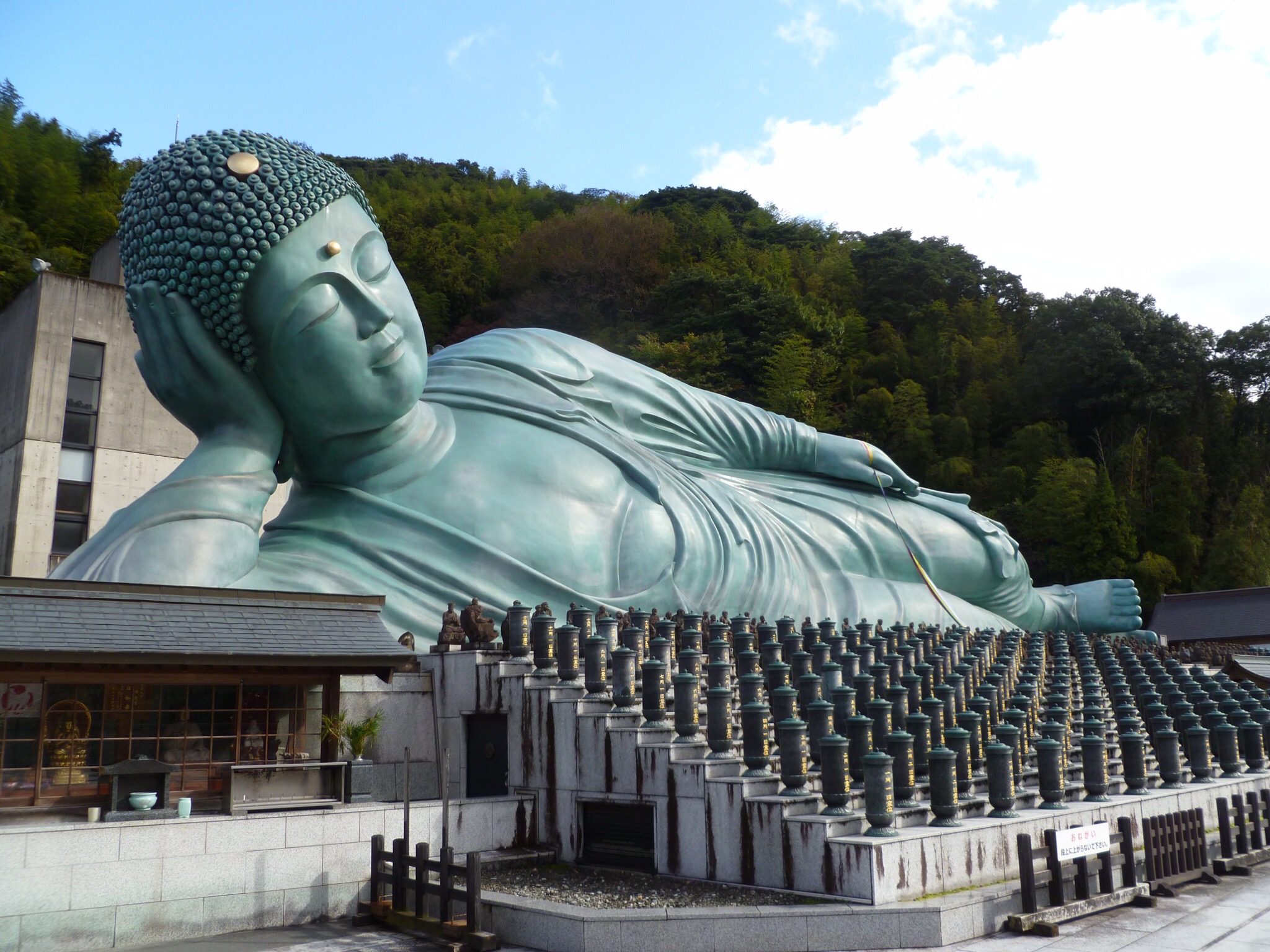
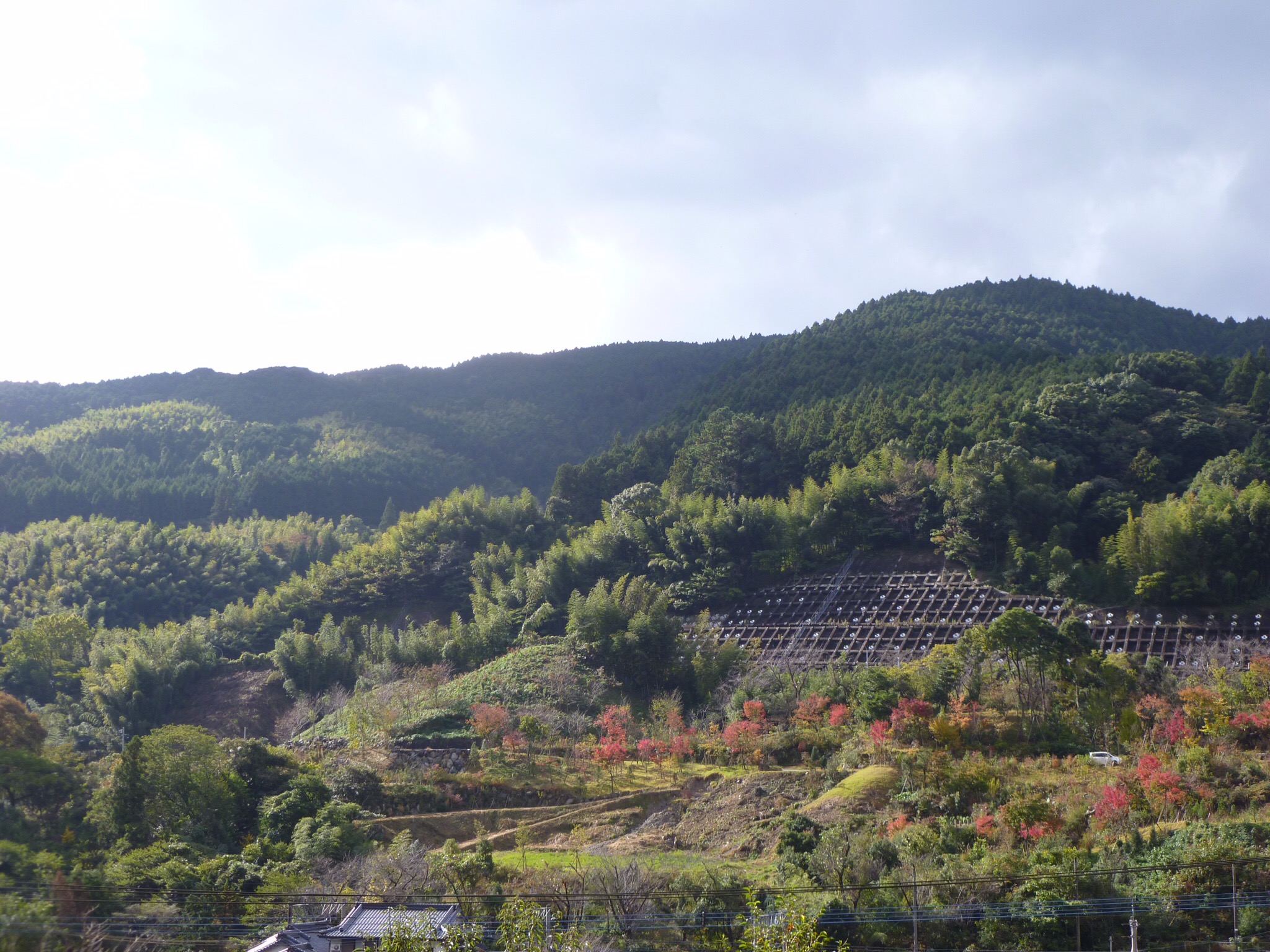
The weather was much better on Wednesday. Our first act was to take the train to Kido Nanzoinmae, in search of one of the world’s largest Reclining Buddha statues, located at Nanzoin Temple. Even without the giant Buddha, the temple would be well worth visiting. There are many shrines, statues and decorations, and the views of the surrounding hillsides are impressive. We left the giant Buddha until the end of our visit, and we were certainly not disappointed. It really is enormous! After viewing the statue from every possible angle, we walked back to Kido Nanzoinmae.

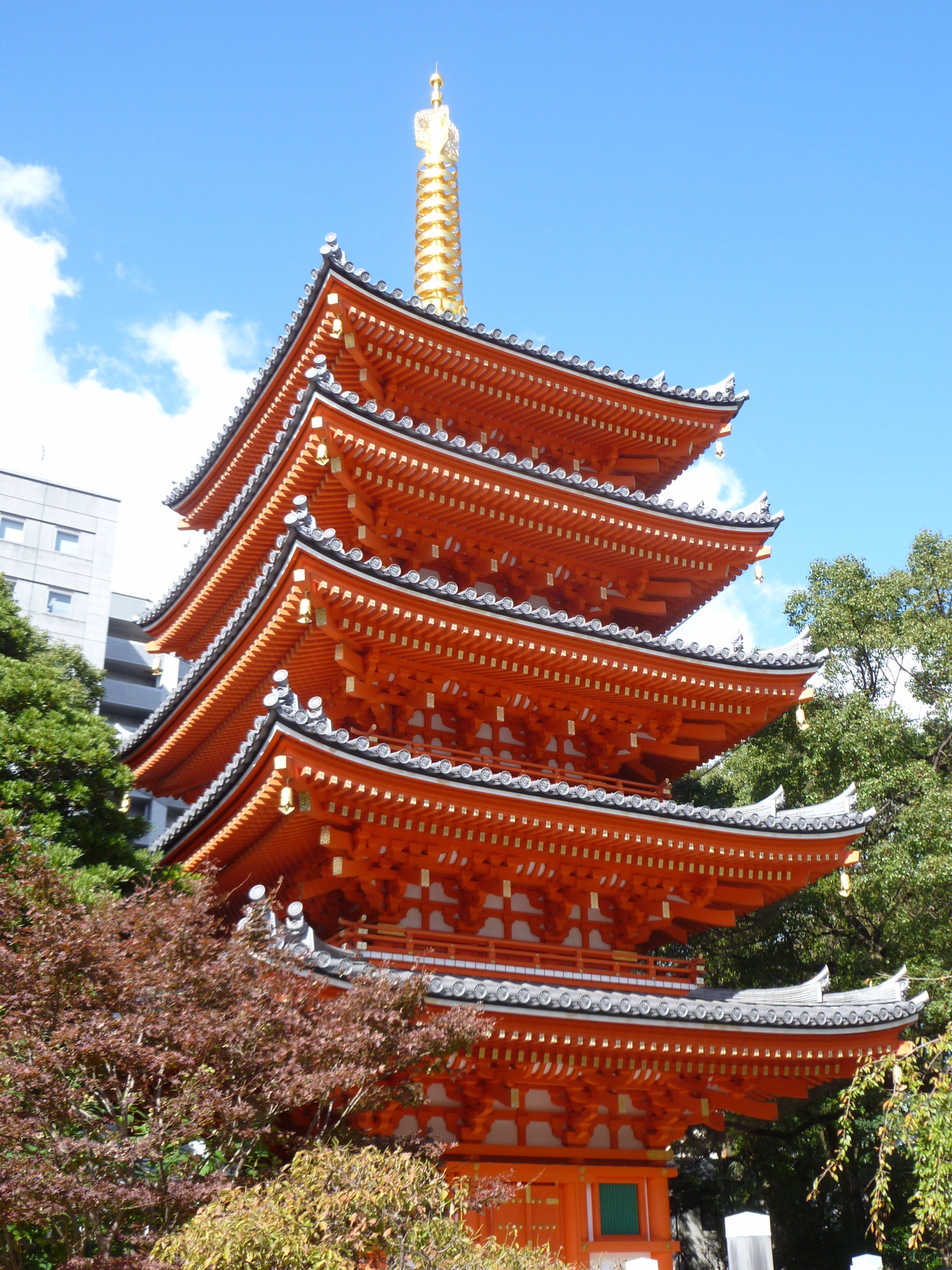
Having returned to Hakata Station, we walked to Gion, an area containing several shrines and temples. Kushida Shrine contains several buildings decorated in many colours. Several children in traditional Japanese costume were there, celebrating Shichi-Go-San or 7-5-3; a traditional rite of passage for boys and girls of those ages to celebrate the health and growth of young children (Wikipedia). Across the road, Tochoji temple included a five tiered tower, resplendent in bright orange. The main reason for tourists to visit this temple is to see Japan’s largest wooden seated Buddha (Wikipedia). Having looked up at the Buddha for a while, we were intrigued by a group being guided through a door underneath the Buddha. Feeling left out, we decided to follow. Inside was a passageway, decorated with several paintings depicting what appeared to be Gods and Demons. After that, we entered a lightless passageway, where the only way to navigate was by using the handrail. I don’t know the significance of the darkness, but I do know that it was a very eerie experience.

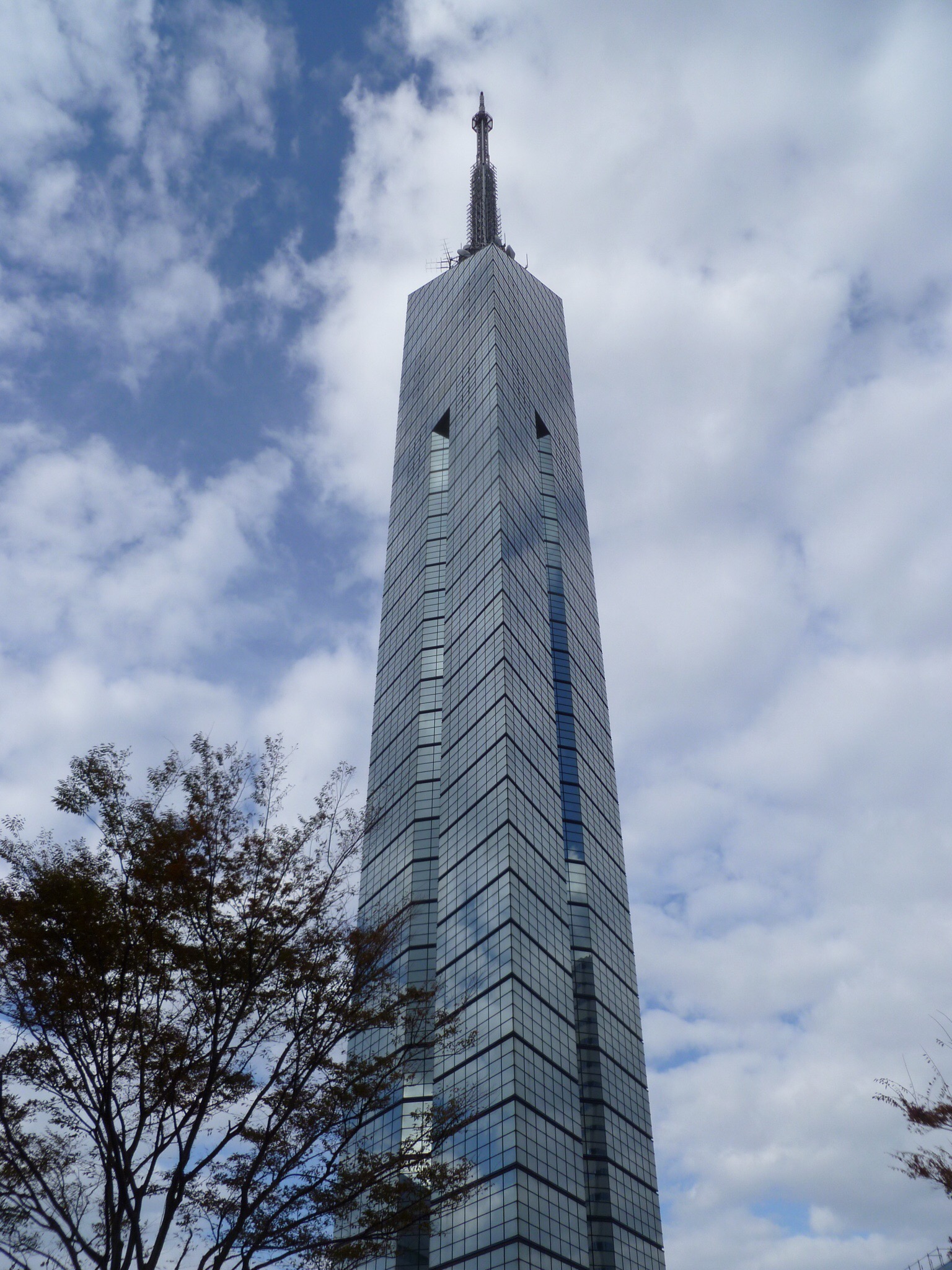
A trip to Fukuoka Tower followed for great views out to sea and across the city. Once down from the tower, we walked to Ohori park, where runners ran laps of a lake and we walked across to the central island, watching the sun go down. Tired from our sightseeing, we returned to the hostel, and packed for our trip to Hiroshima.

G

Bathing in Busan

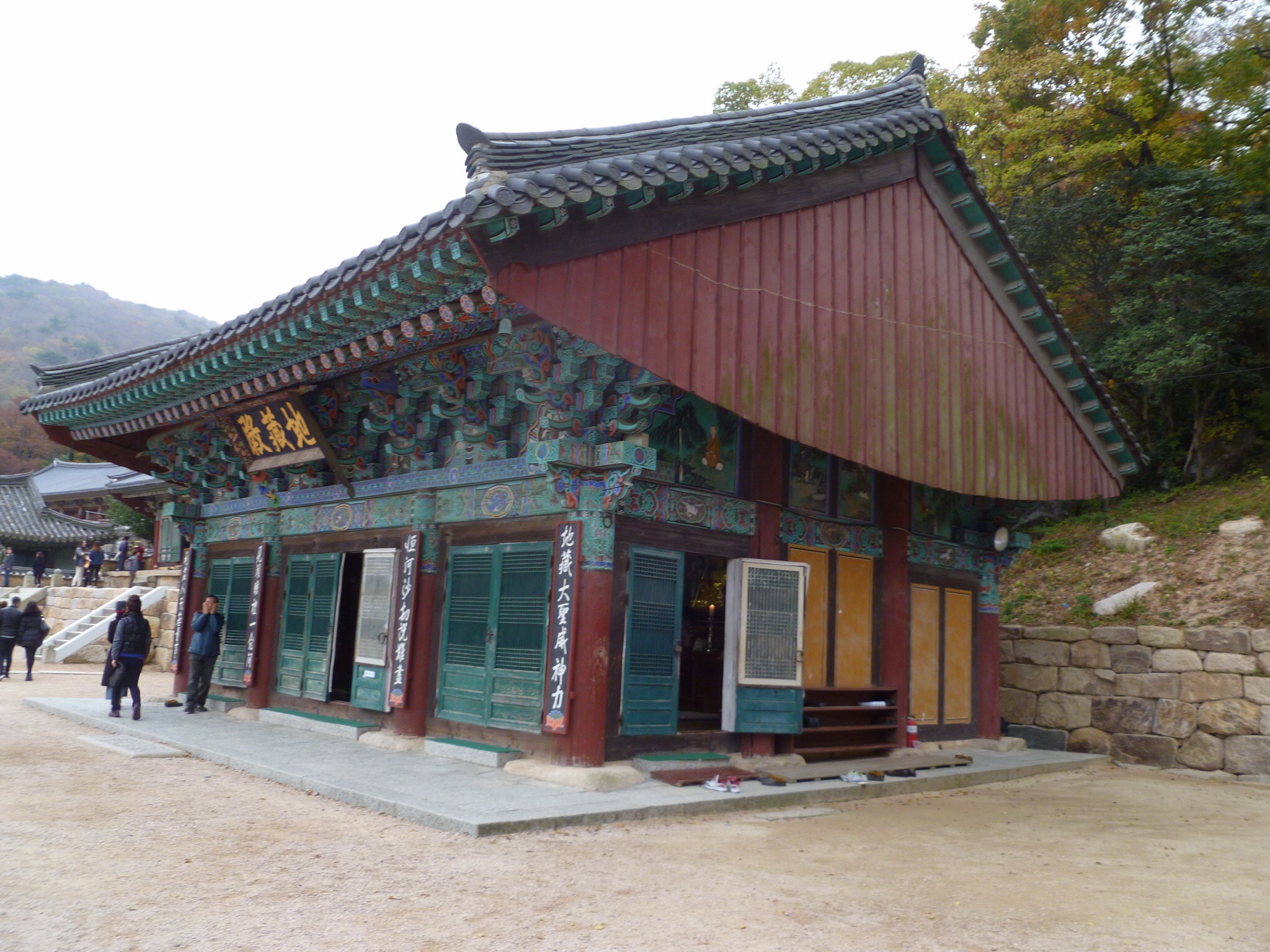
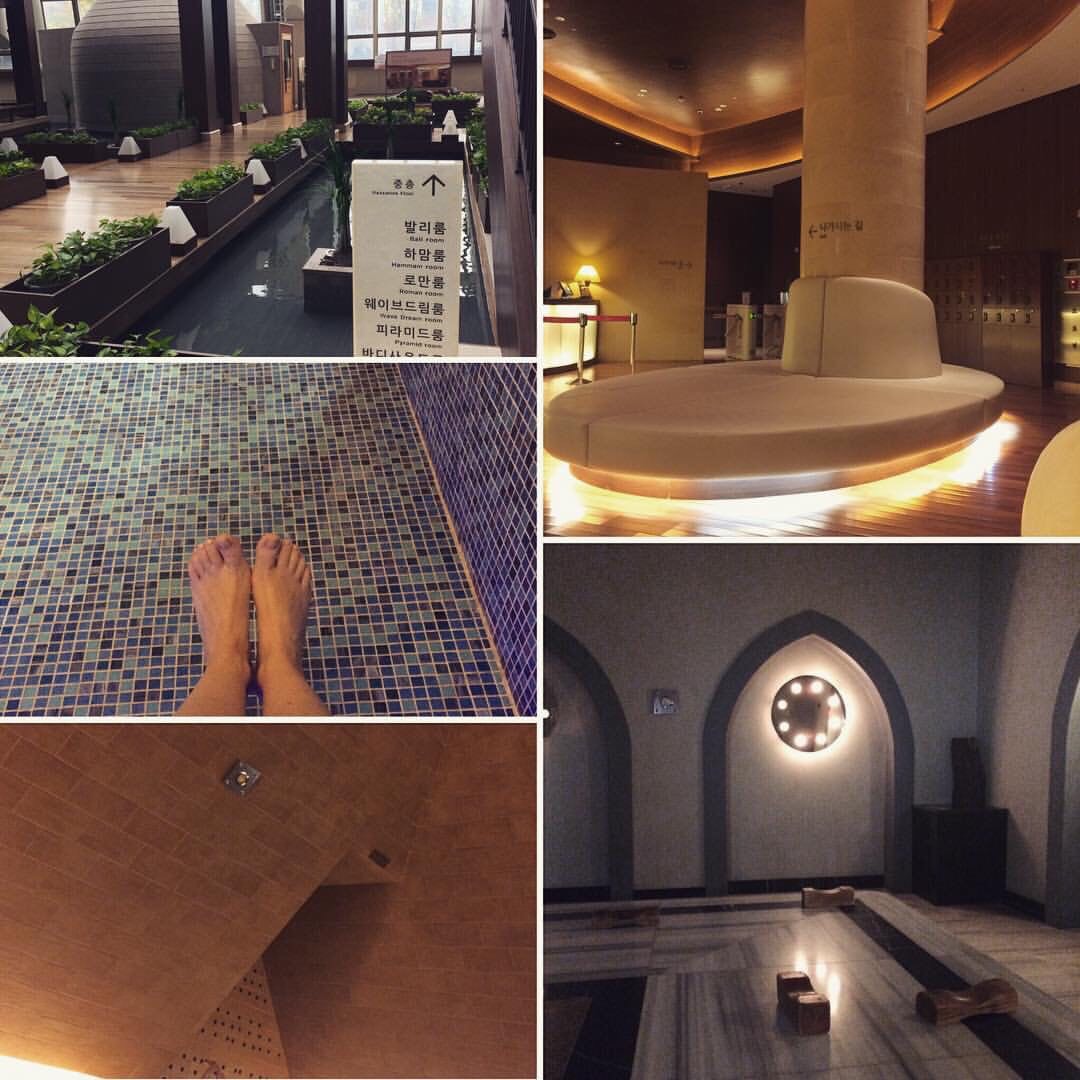
We spent three nights in a Busan, and although it didn’t match the excitement of Seoul or the beauty of Jeju, there were several highlights during our stay. Days before we arrived in Busan, Fionnuala was struggling to contain her excitement about a visit to Spaland in Shinsegae Centum City – “the largest department store in the world” (english.shinsegae.com). Thankfully, Spaland lived up to expectations, and Beomeosa was a wonderful temple to visit.

After a short flight from Jeju, we took the underground to Haeundae to find our hostel. The hostel wasn’t far from the station, and our route led us through Haeundae Market, which was full of stalls selling Korean meals and snacks. The smell was amazing, but the tanks full of live eels and fish aren’t something I’m a big fan of.

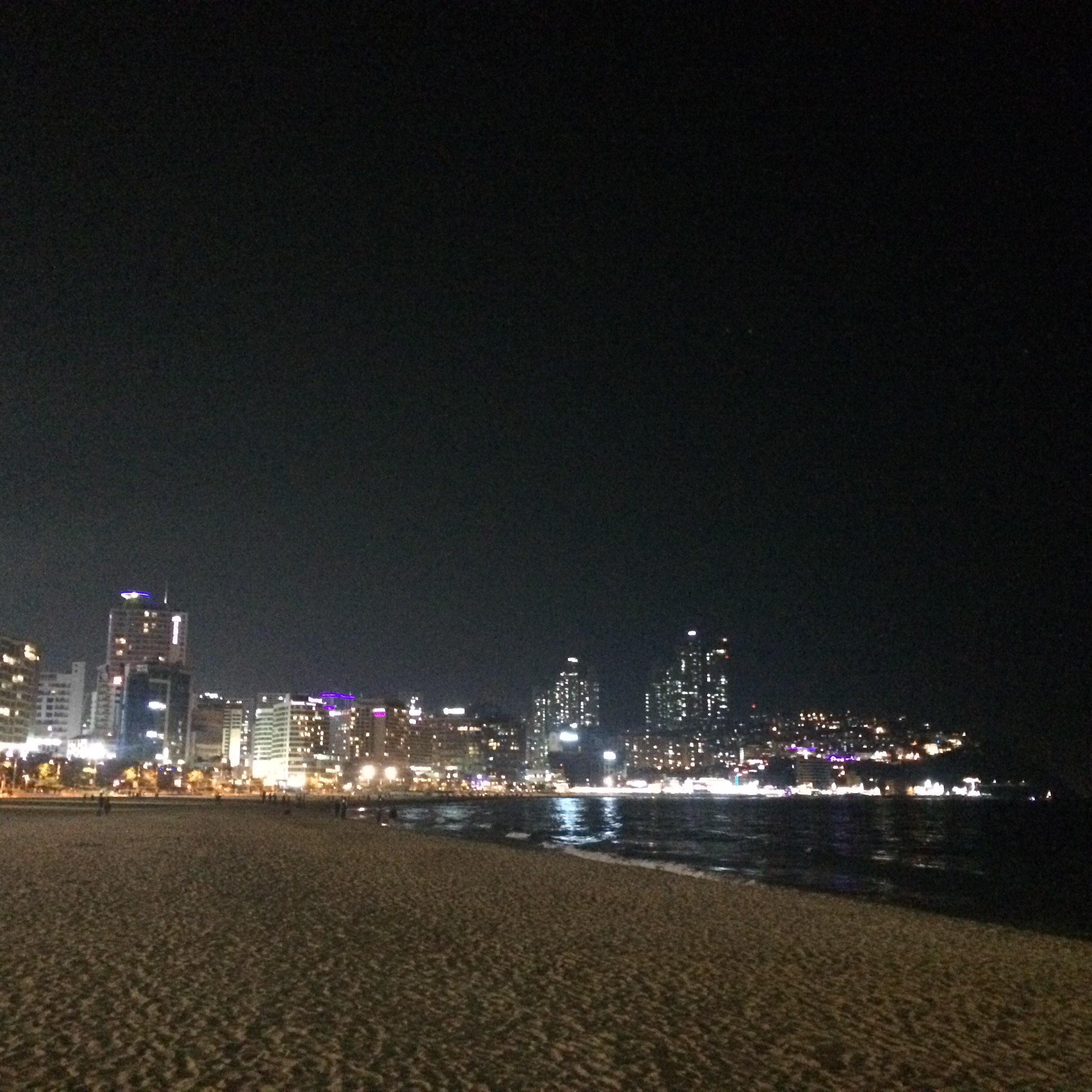
On our first night, we ate at a Japanese restaurant near the market and walked on the beach. The next morning, feeling refreshed, I ran around Dongbaek Park then towards the city, admiring the large tower blocks of apartments. After breakfast, we took the underground to Beomeosa station and walked to Beomeosa temple. As we stood looking lost, trying to figure out which direction to walk, a local man pulled up in his car and gave us directions. The temple was beautiful, and we spent some time listening to the prayers taking place in the main hall. We took a meandering route back to the underground, stopping for a while at one of South Korea’s many outdoor gyms.


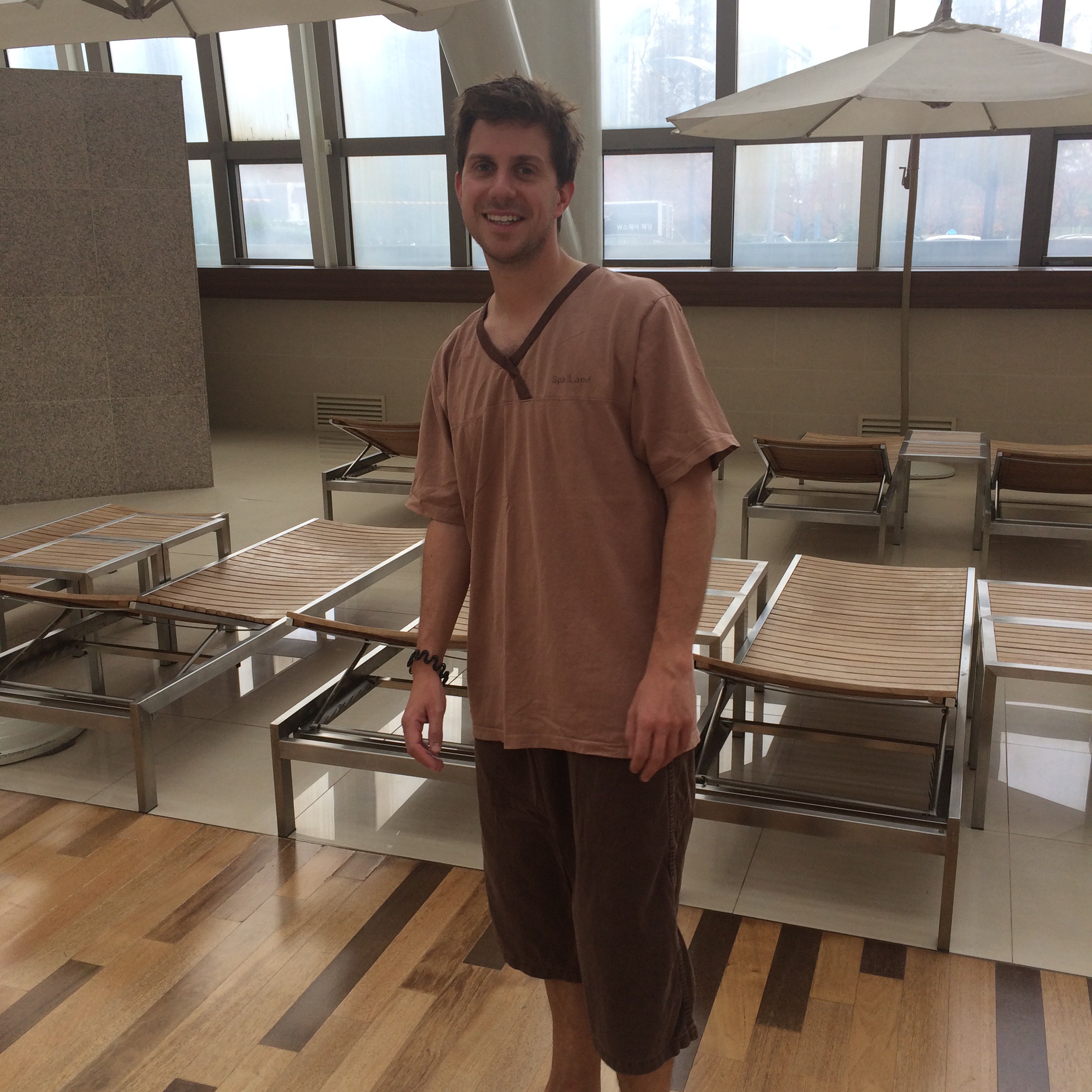
Monday was all about our visit to the “upscale, yet affordable playground for adults” (CNN) known as Spaland. We arrived just after 8am, and by 8:15, I was naked in a bath with a couple of Korean blokes! Although it seemed strange to me, this was perfectly normal for everyone else. Once I got my head around that, I tried out a few more baths, the steam room and the sauna. Next up, I dressed in my allocated shorts & t-shirt and met Fionnuala in the main spa area, where themed heated sauna and relaxation rooms awaited us. Having initially thought the four hour time limit was more than sufficient, I had changed my mind with only one hour remaining! Rooms we visited included the Ice Room, Body Sound Room, Pyramid Room and Roman Room. Despite my earlier apprehension, I couldn’t resist ending my trip to Spaland with another twenty minutes in the bath.

Post-Spaland, we ate lunch in Centum City’s food court, and browsed some of the shops. With an early morning ahead of us, we returned to the hostel, put our laundry in the machine and prepared for Tuesday morning’s ferry ride to Fukuoka.

G

Seoul: Bongeunsa Temple and Gyeongbokgung Palace

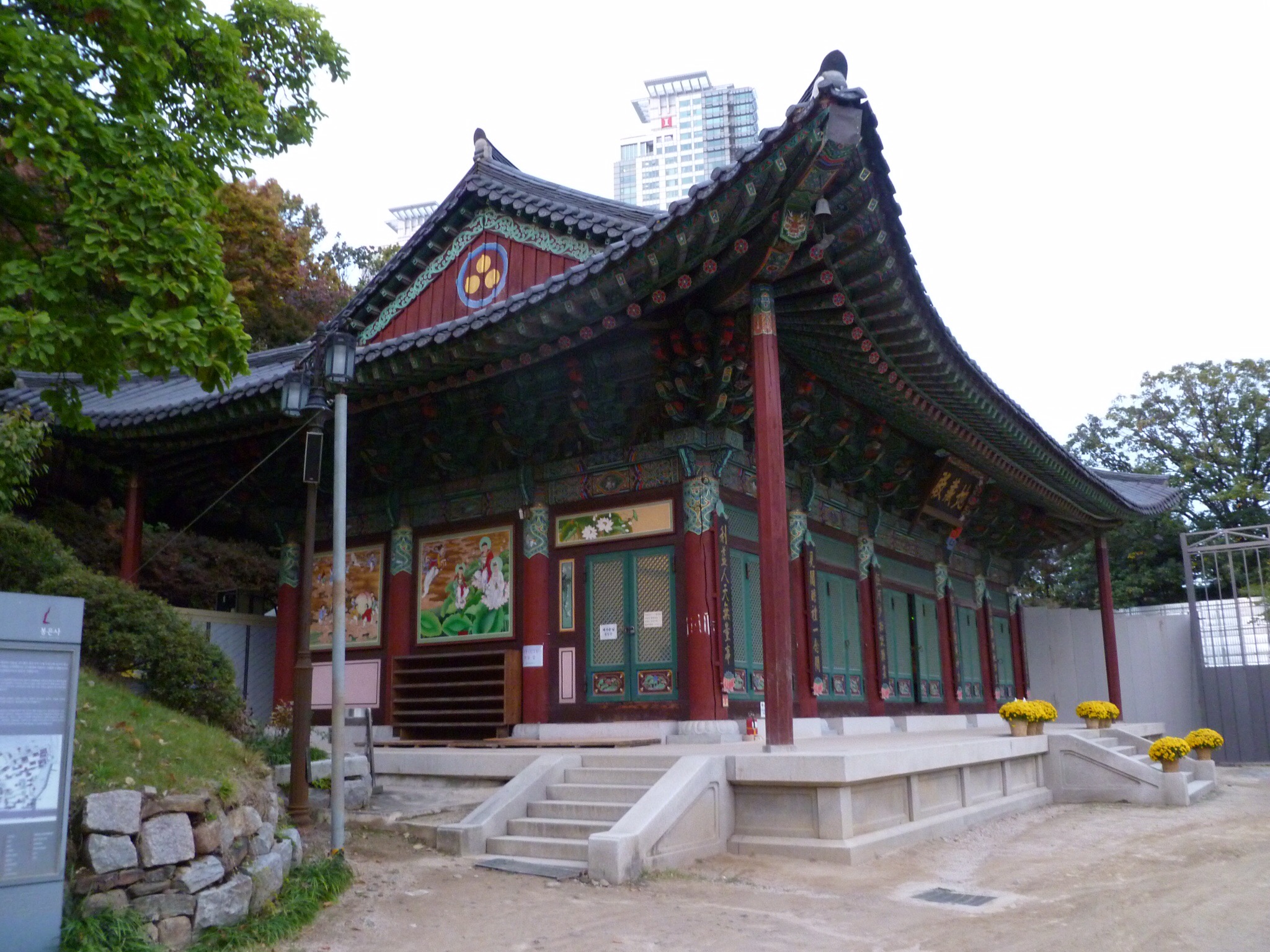
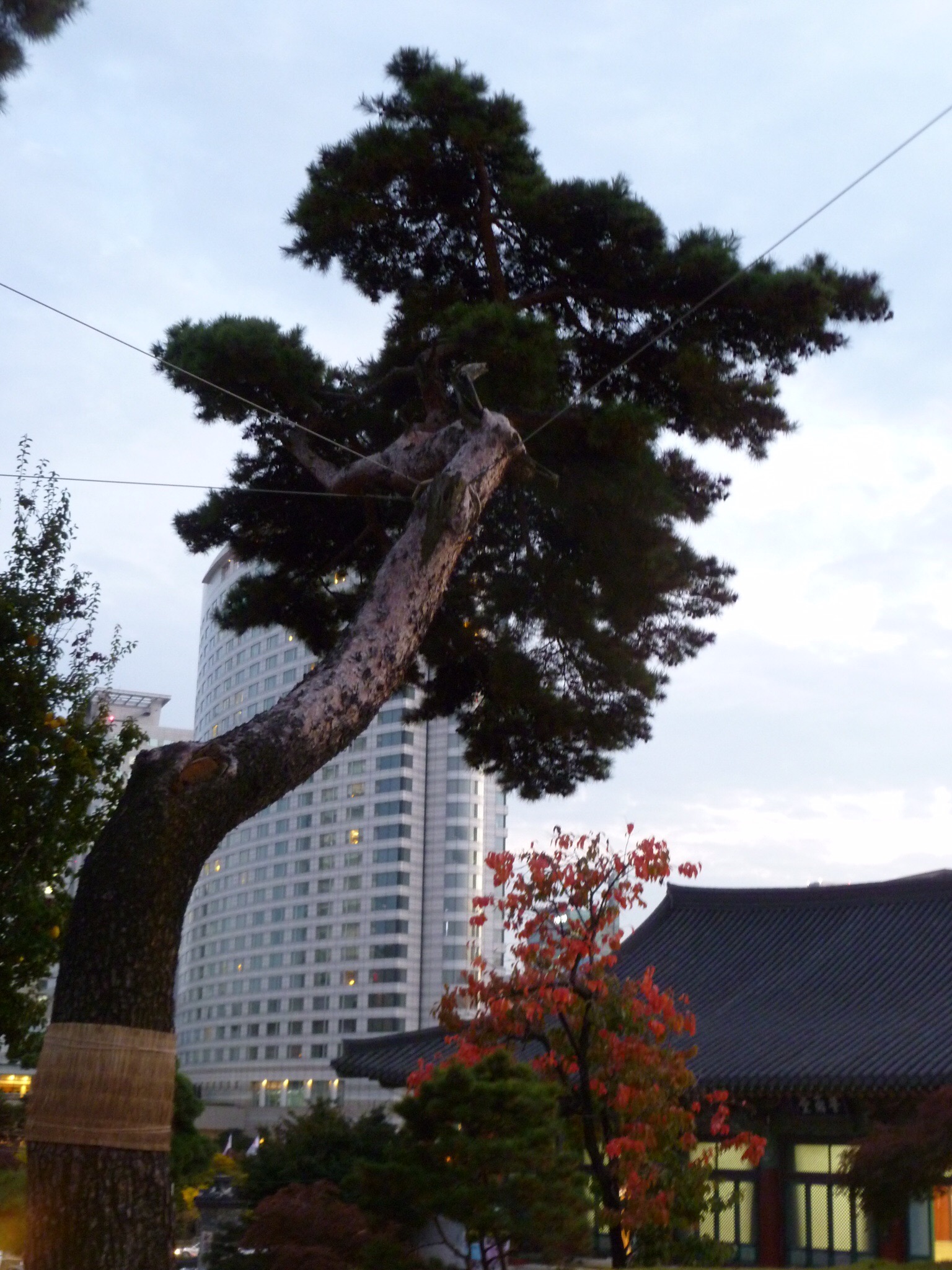
The entrance to Bongeunsa really doesn’t indicate the magnificence of this Buddhist temple in Gangnam. It was early evening when we arrived; several stalls were closing, a few tourists were taking photographs and a couple of ATMs flashed next to the entrance archway. We proceeded through the archway to find beautiful flowers lining the path to the main hall, and turning around, the archway we had walked through was brilliantly decorated.

As we walked through the main temple, a meeting was taking place, so we walked quietly into a courtyard containing two more halls. The air was sweet with the smell of incense, and prayer was taking place inside one of the halls. We briefly observed from outside, before our attention was captured by further halls on a tree-filled hillside. Having walked past those smaller halls, one of which was lit by candlelight, we made our way to the drum pavilion, where a monk had begun striking an enormous drum with a swinging pendulum. We listened to the drum ceremony before browsing the main hall. As it was dark, and we hadn’t researched the temple beforehand, we managed to miss out on seeing the 23 metre tall Buddha, which is apparently Bongeunsa’s main tourist attraction.

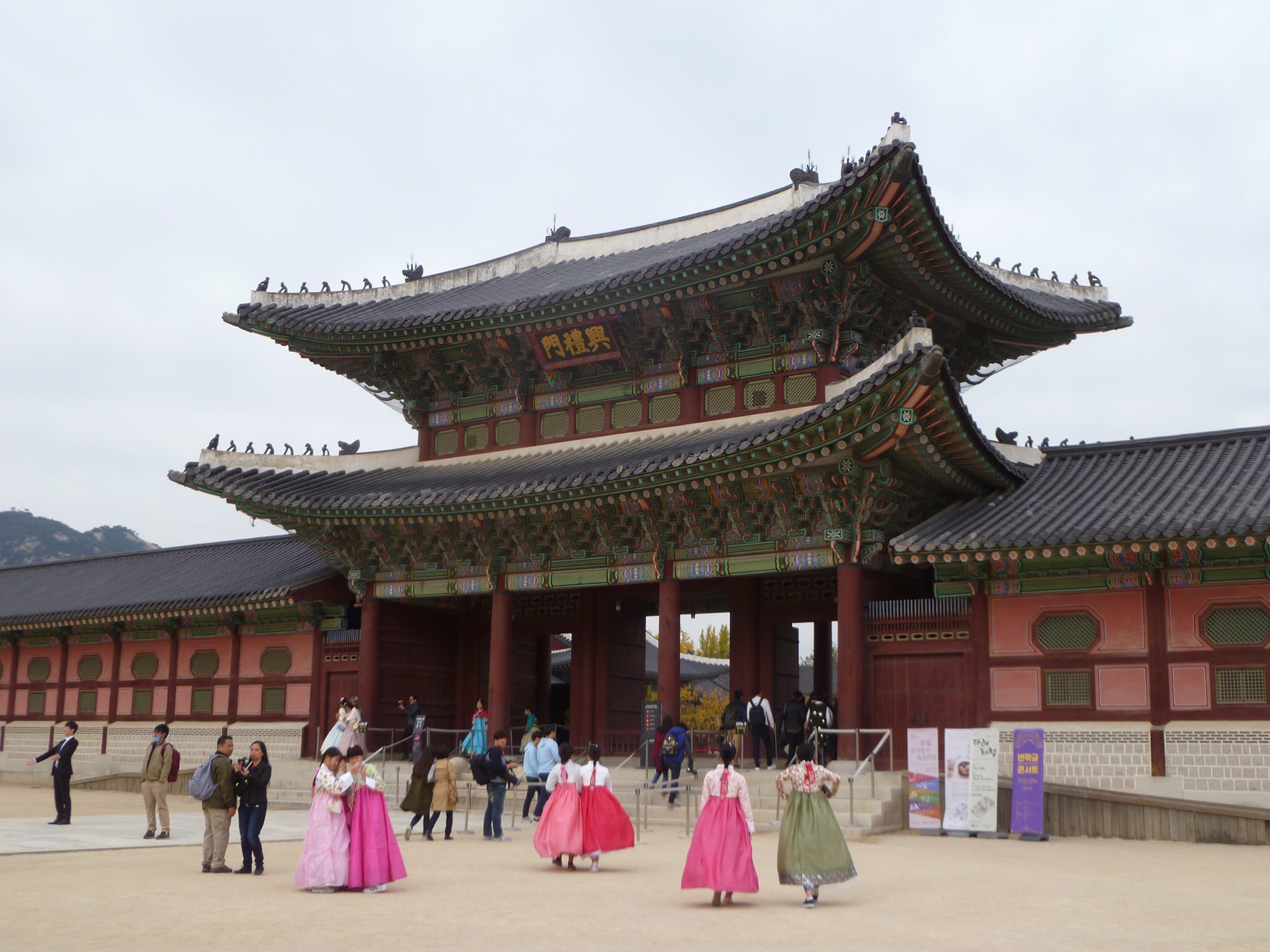
The first thing we noticed upon arrival at Gyeongbokgung Palace was the many young Koreans in traditional dress. On the guided tour we joined, it was explained that taking selfies at historic sites is how Seoul’s teenagers like to spend their Saturdays. They also get in free if in traditional dress, which seems a great idea. From this experience and others, it appears to me that young South Koreans are proud of their history and culture.

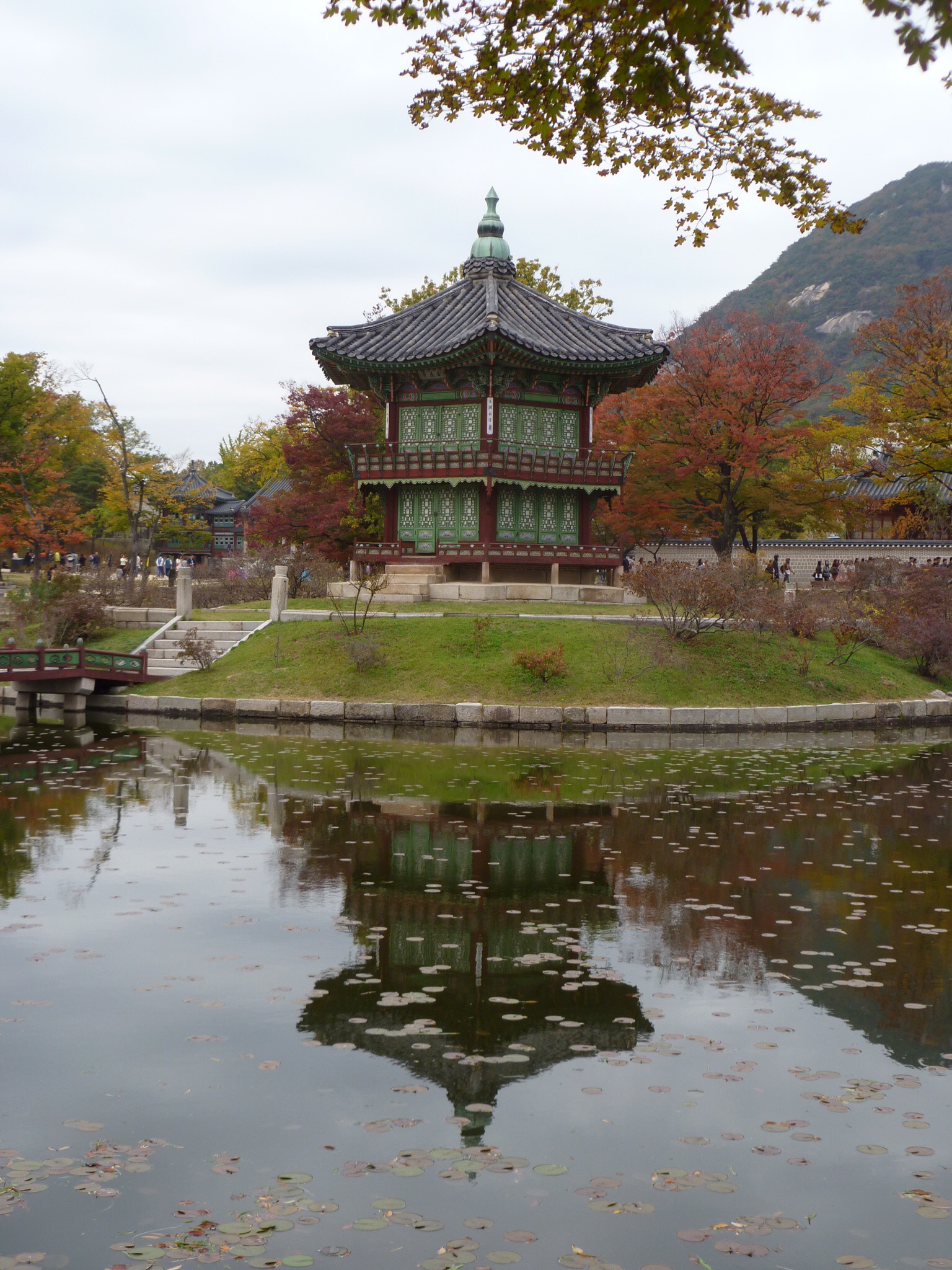
The guided tour was excellent. The guide explained the history of the palace, and the fact that almost none of it is original, due mostly to the Japanese destroying many buildings during their occupation. The contrast between the living areas of the King and Queen was excellently explained. I hadn’t considered that a King and Queen would not share a bedroom, or that the King would have multiple wives. The buildings were impressive, as was the scenery. In this extremely busy city, it was one of the places that felt really relaxed, even when full of weekend visitors.

Overall, Seoul was brilliant, and is definitely a highlight of our trip. I’m pretty sure we’ll visit again – we really need to see that Buddha!

G

Demilitarised Zone (DMZ)

First thing on Friday, we made our way to Camp Kim, the United Service Organisation’s (USO) meeting point for tours of the 4km wide Demilitarised Zone (DMZ) between North and South Korea. We arrived even earlier than the 7:45am meeting time, so, having signed-in and met our guide, Dana, we headed out for some breakfast.

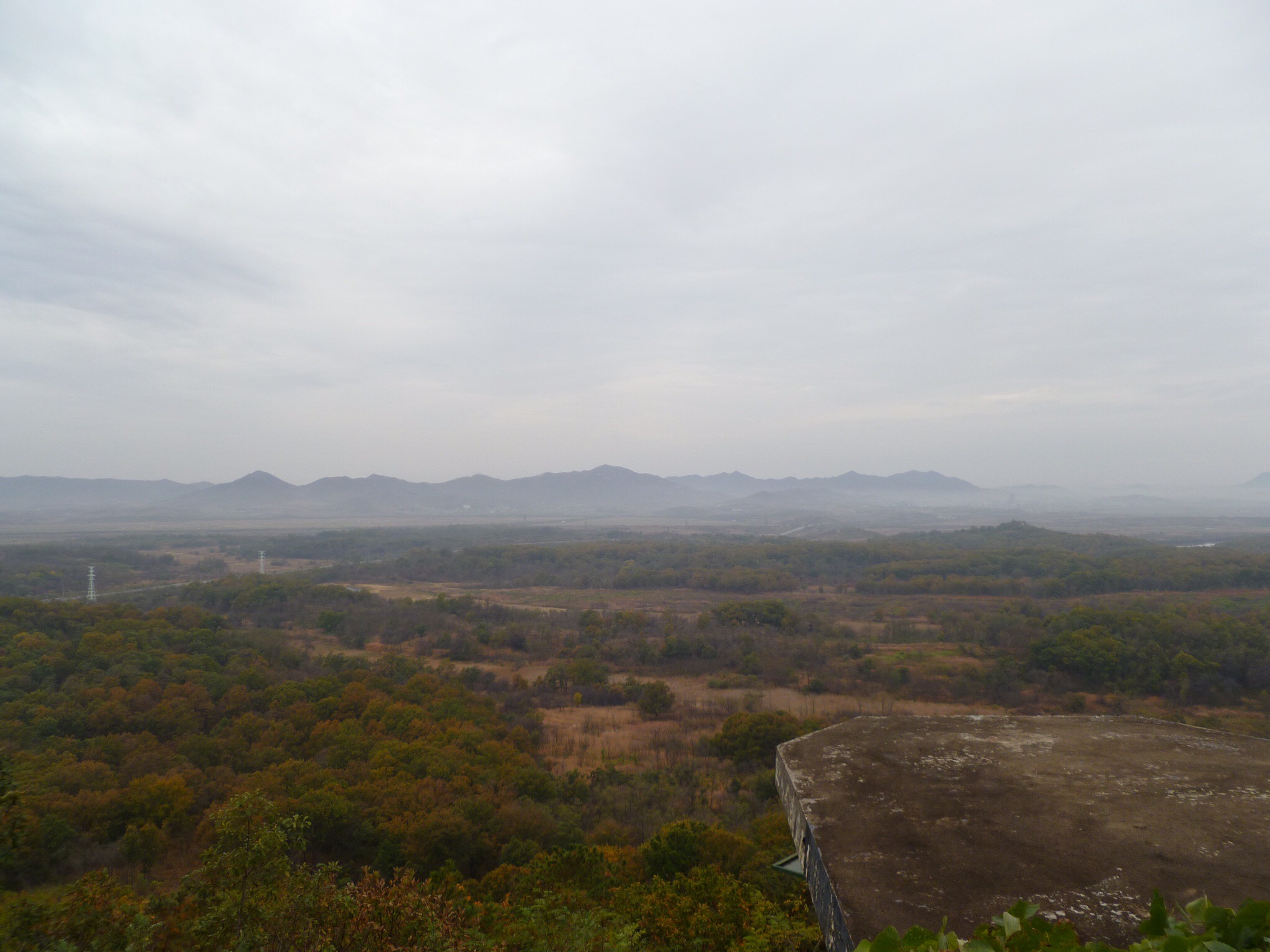
Coffee consumed, we boarded the coach for the hour long journey to the DMZ. Dana provided us with some Korean history, and explained the itinerary for the day. Upon arrival at the DMZ, Dana took the sign-in sheet to a military official, as the nationality of all visitors needs to be checked before entrance is permitted. Formalities complete, we made our way to Dora Observatory. As the propaganda of both North and South played out across the DMZ, a South Korean soldier described what we could see in front of us as we looked towards North Korea. The village of Kijong-dong was definitely the most intriguing. Having heard many times on TV about the luxurious buildings that, upon closer scrutiny, have no inhabitants, windows or lifts, it felt surreal to stare at them through binoculars.

Four infiltration tunnels have been found close to the DMZ, and it is believed that there are many more. The museum at the site of the third infiltration tunnel explains that they were dug by North Korea as passages via which soldiers could attack Seoul. Fortunately for South Korea, none of the discovered tunnels reached anywhere near the capital. The only tunnel open to the public is number three. After the short bus journey from the Dora Observatory, we put on hard hats and followed a steep ramp down into the tunnel. There’s not a lot to see in the tunnel, but it was a good opportunity to reflect on what we had been told about the history of this divided country.

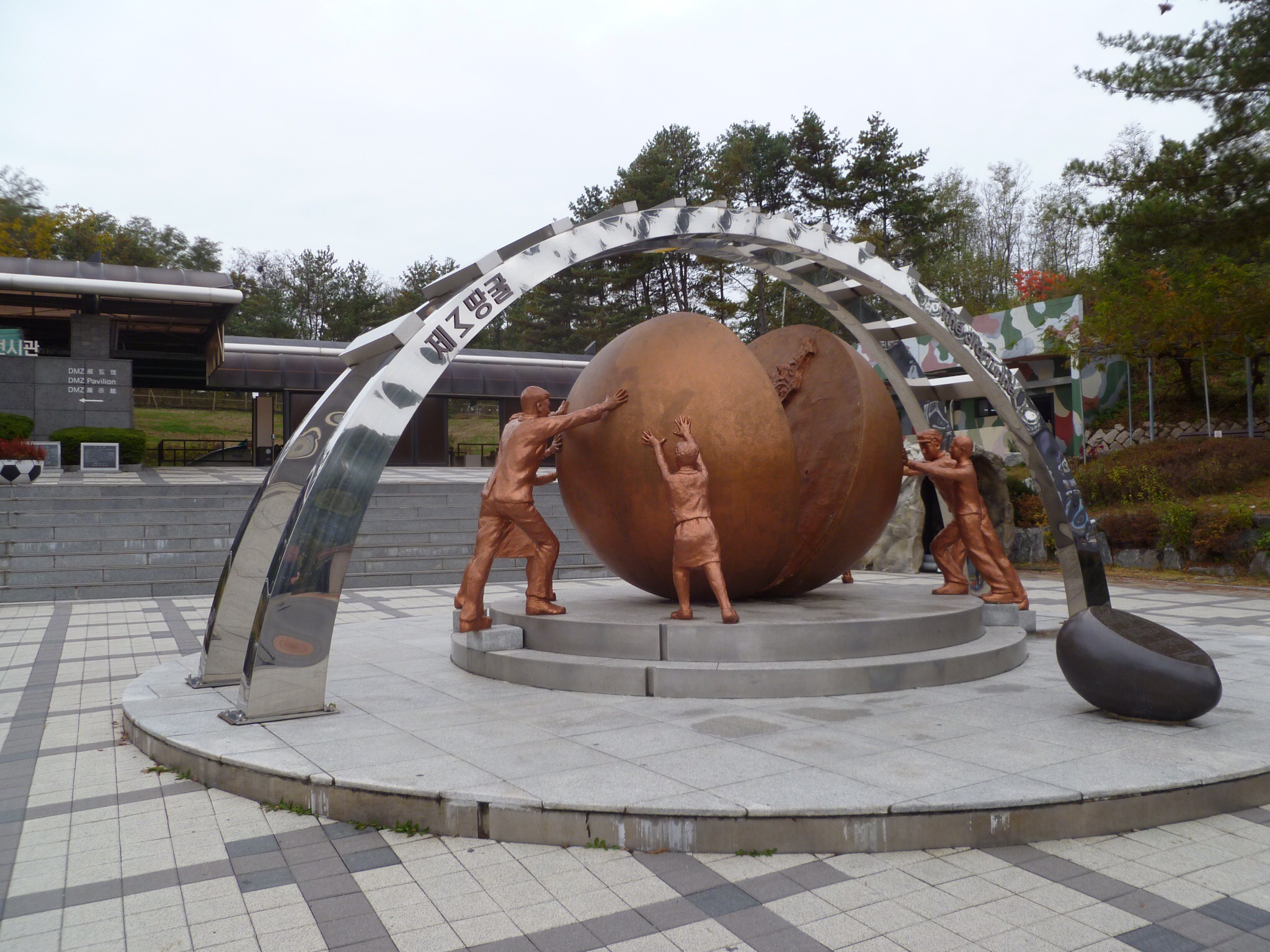
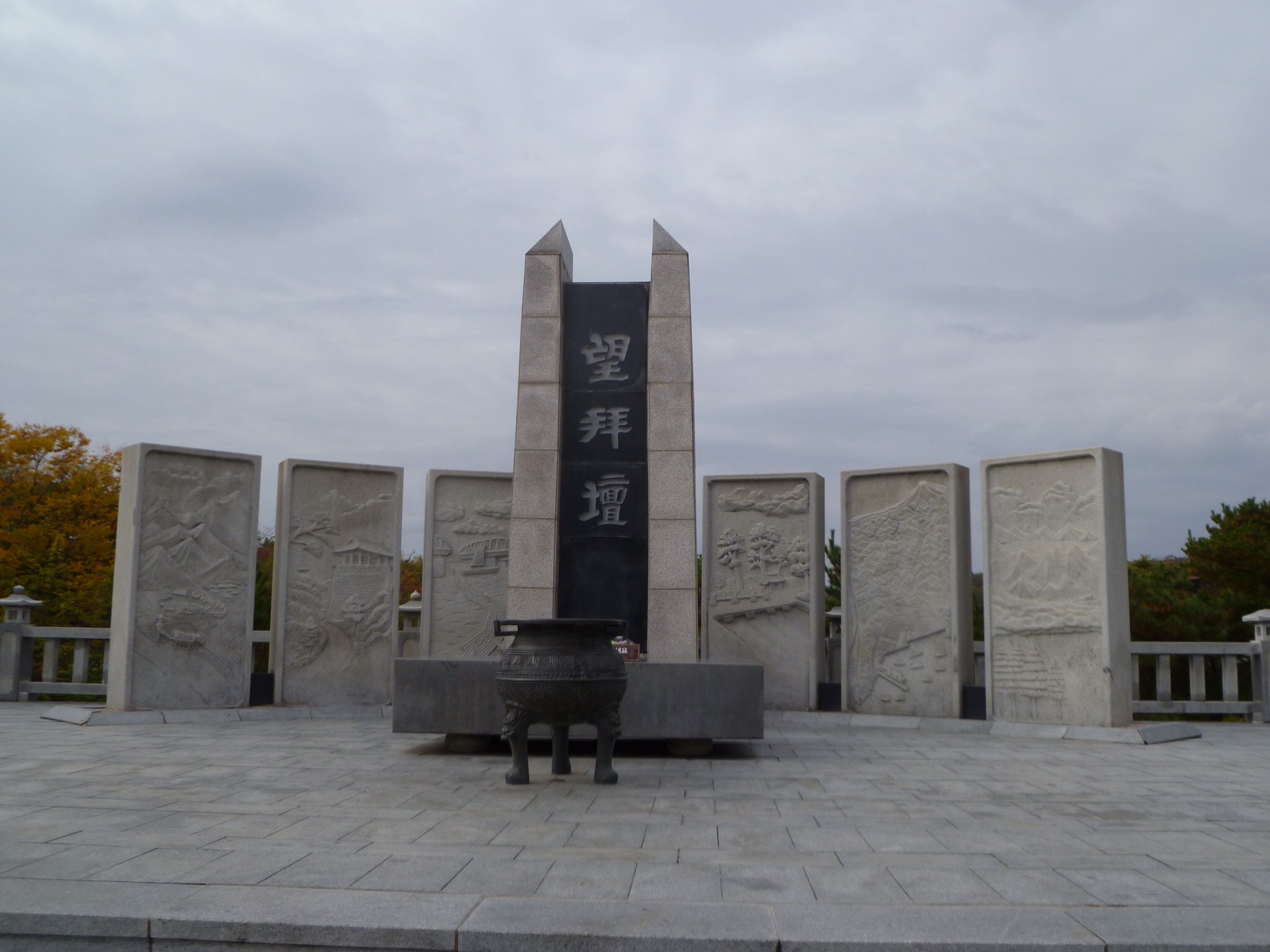
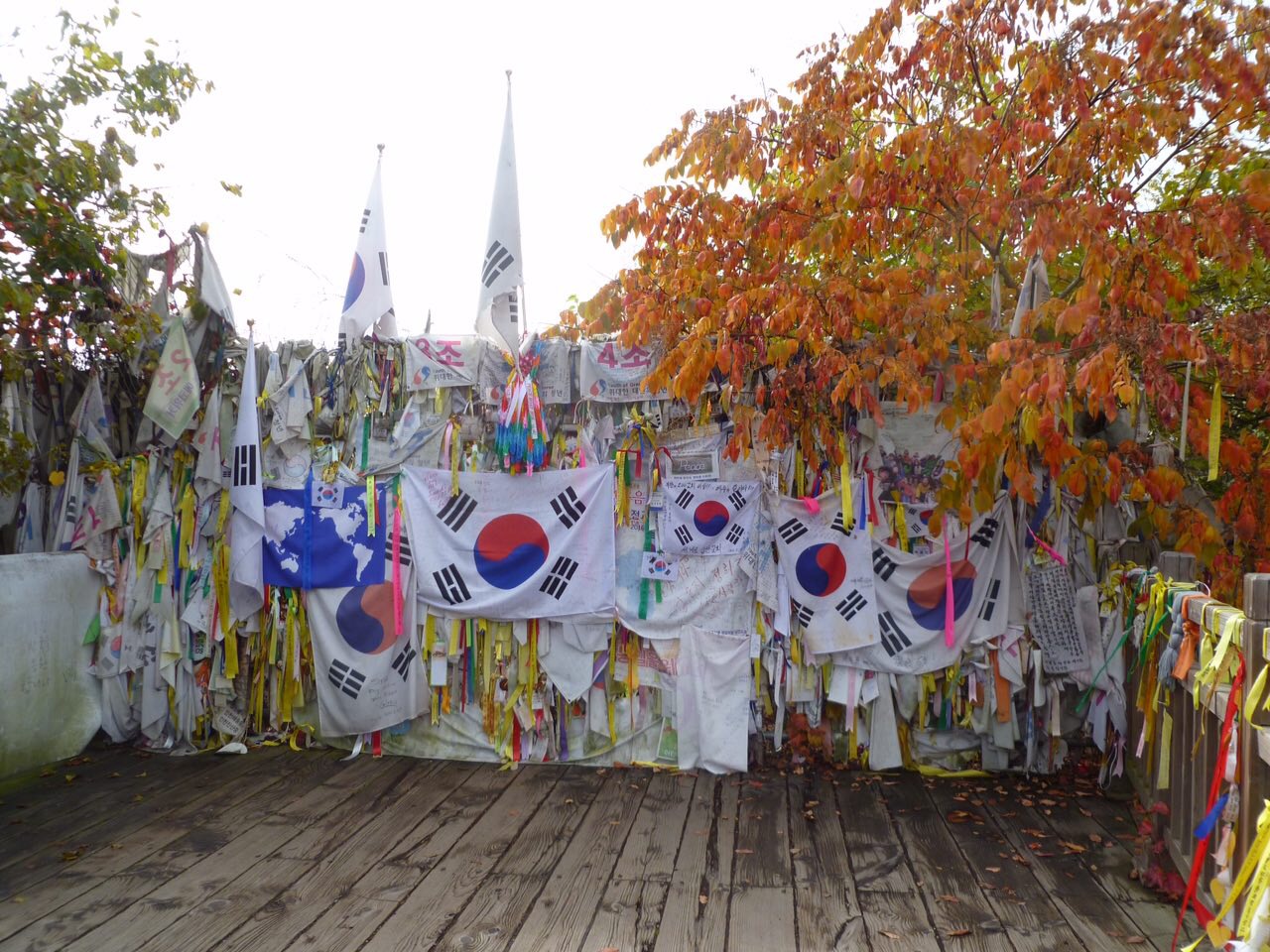
Our penultimate stop was Dorasan Station, a railway station which once connected North and South Korea. As it was restored in recent years, it looks just like a modern train station. The only difference is the lack of trains. There’s a map there showing the railway line across Europe. It was disappointing, and probably selfish, to think about how easily we could have reached Seoul from Vladivostok if trains were running from North to South Korea. Our final stop was the Peace Park. Seeing the Memorial Altar and Bridge of Freedom made me remember that despite the DMZ having become a tourist attraction, many Korean lives have been lost, and the divide between North and South has had terrible consequences for a lot of Korean families.

G

End of the Line: Vladivostok

After nine previous Trans-Siberian train journeys, we were pleased that Monday night’s journey from Khabarovsk to Vladivostok would be our last. Having spent the day in the freezing wind, we arrived at the station early, and awaited our train. Once onboard, we made ourselves as comfortable as possible, and hoped that time would pass quickly. Sadly, a woman who walked about a lot, repeatedly invited train staff into our compartment and insisted on the door being left ajar during the night joined us. Once asleep, she roared like a wounded beast. We didn’t sleep much. Time didn’t pass quickly.

Tuesday morning was wet. The rain in Vladivostok was heavy and water streamed down the streets. We changed into our waterproof gear in the station and went in search of breakfast. Check-in at the hostel wasn’t until midday, but we’re now experts at making coffee last a ridiculously long time. The lack of train sleep meant we were happy to sit in the hostel until the rain stopped. Once it did stop, it was time for a walk.


As it’s the largest Russian port on the Pacific Ocean, walking in most directions in Vladivostok leads to water. Our afternoon walk took us to the beach and Dynamo Stadium, home to the local football team, FC Luch-Energiya Vladivostok. As the afternoon sun went down, we walked further inland and watched some of the crazy rush-hour drivers somehow manage to avoid colliding with each other. We ate at a really good noodle restaurant, and made our way back to the hostel for an early night.


I started Wednesday with a morning run around some of the city’s sights, most of which we visited later in the day, while a lot less out of breath. After waking Fionnuala up, we ate bacon crepes at a nearby food court, and then walked to the S56 submarine and the eternal flame, a tribute to those who lost their lives during World War Two. We didn’t realise that a canon would be fired at 12 o’clock beside a warship at the port. That came as a rather loud surprise, particularly to Fionnuala, who practically ‘stop, drop and rolled’ to escape the gunfire! 


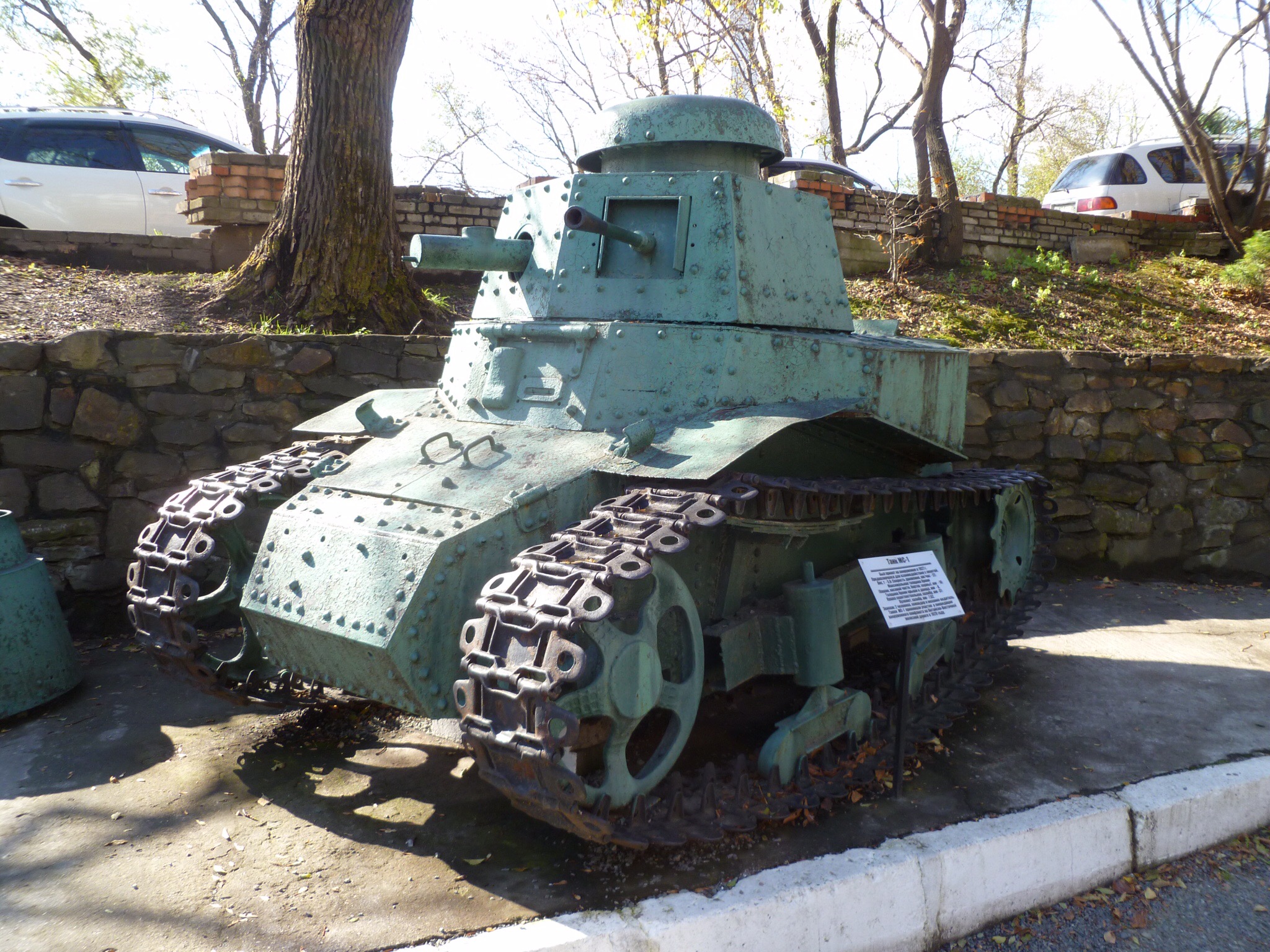
Having browsed an array of military weapons and vehicles on our way, we took the funicular railway to a lookout point with spectacular views of Golden Horn Bridge. A statue of Saints Cyril and Methodius, inventors of the Cyrillic alphabet, stood at the lookout point. I think we’ve seen their statue in every Russian city we’ve visited, so it seemed fitting that they should join us on our final full day in Russia.

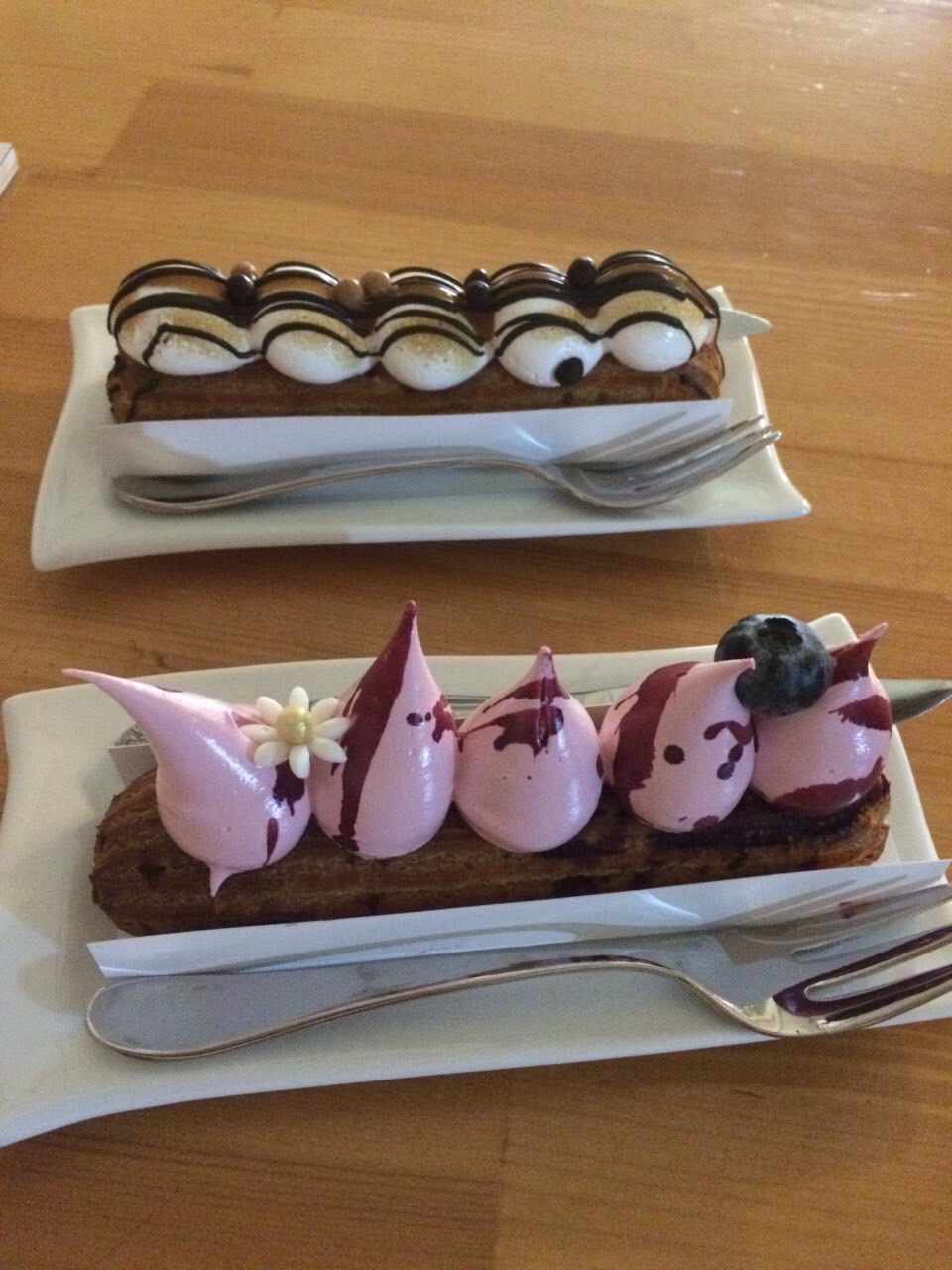
We celebrated our final evening in Russia with a burger and a beer – things we’re good at ordering, particularly when there’s an English menu! Also, as someone had put an irresistible patisserie opposite our hostel…


G

Ulan Ude (in October, not November)

Upon arrival into Ulan Ude on Tuesday, we quickly orientated ourselves and headed for the hostel. We found the address, but there was no obvious entrance, and no sign outside. A local tried to help us, but he couldn’t figure it out, either. After two unanswered phone calls, we headed to a nearby hostel Fionnuala had spotted, called Husky Hostel. It was warm inside, and they had a twin room available. Having checked in, I reviewed my original booking, and realised it was for November, not October. Although I still have no idea where the original hostel’s entrance is, our stay in Ulan Ude was excellent, and I’ll take greater care with dates in future!

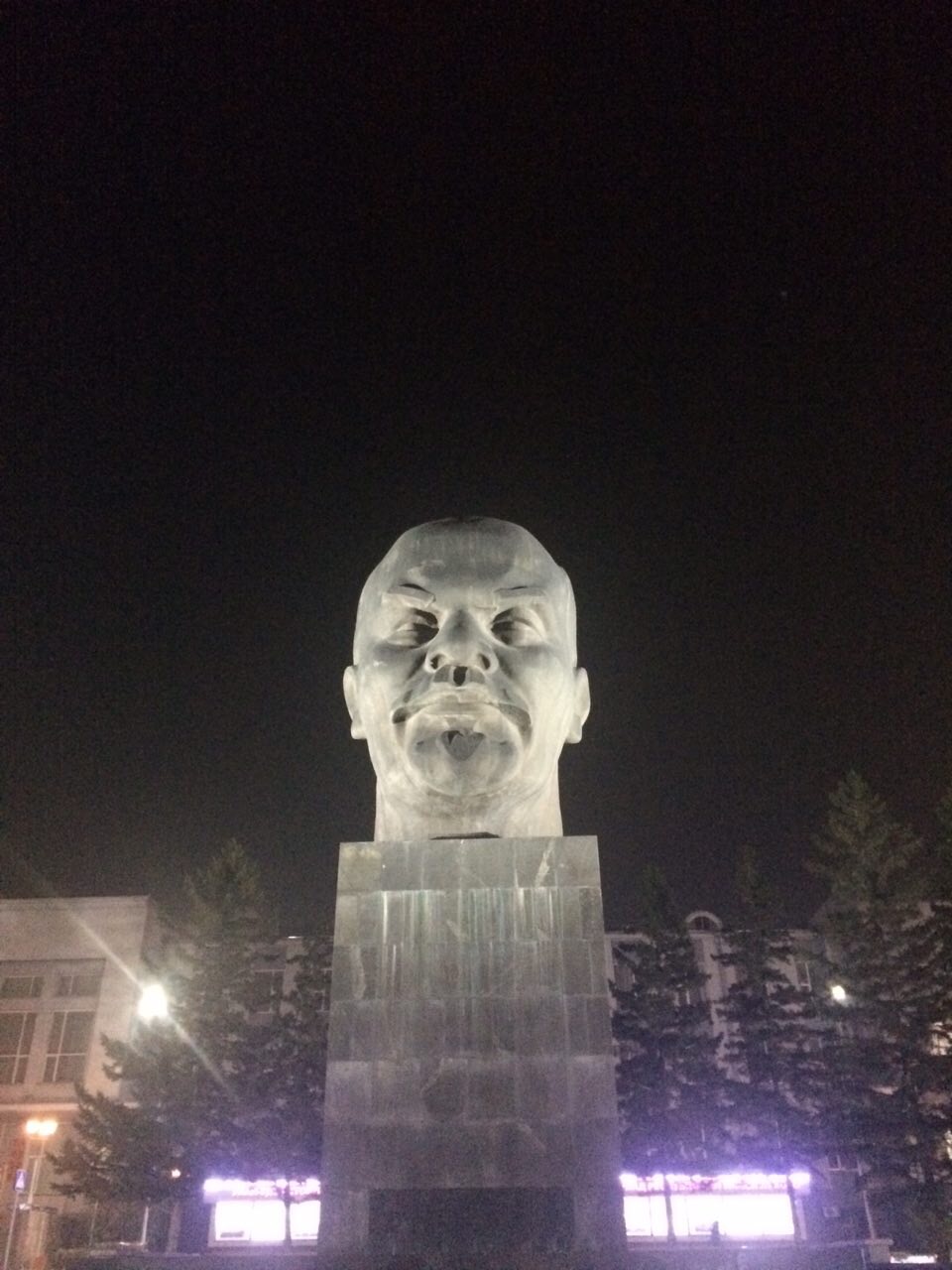
Once unpacked, we went out to explore, and couldn’t resist going to see the world’s largest Lenin head, located in the main city square. The head is 7.7m tall and weighs 42 tons (http://wikitravel.org/en/Ulan_Ude). It’s an impressive sight, and was a welcome change from the many formal statues we’ve seen during our trip. After a walk around the nearby streets, the -9c temperature, and the icy pavements, told us it was time for dinner, followed soon after by our first cups of tea in a while.

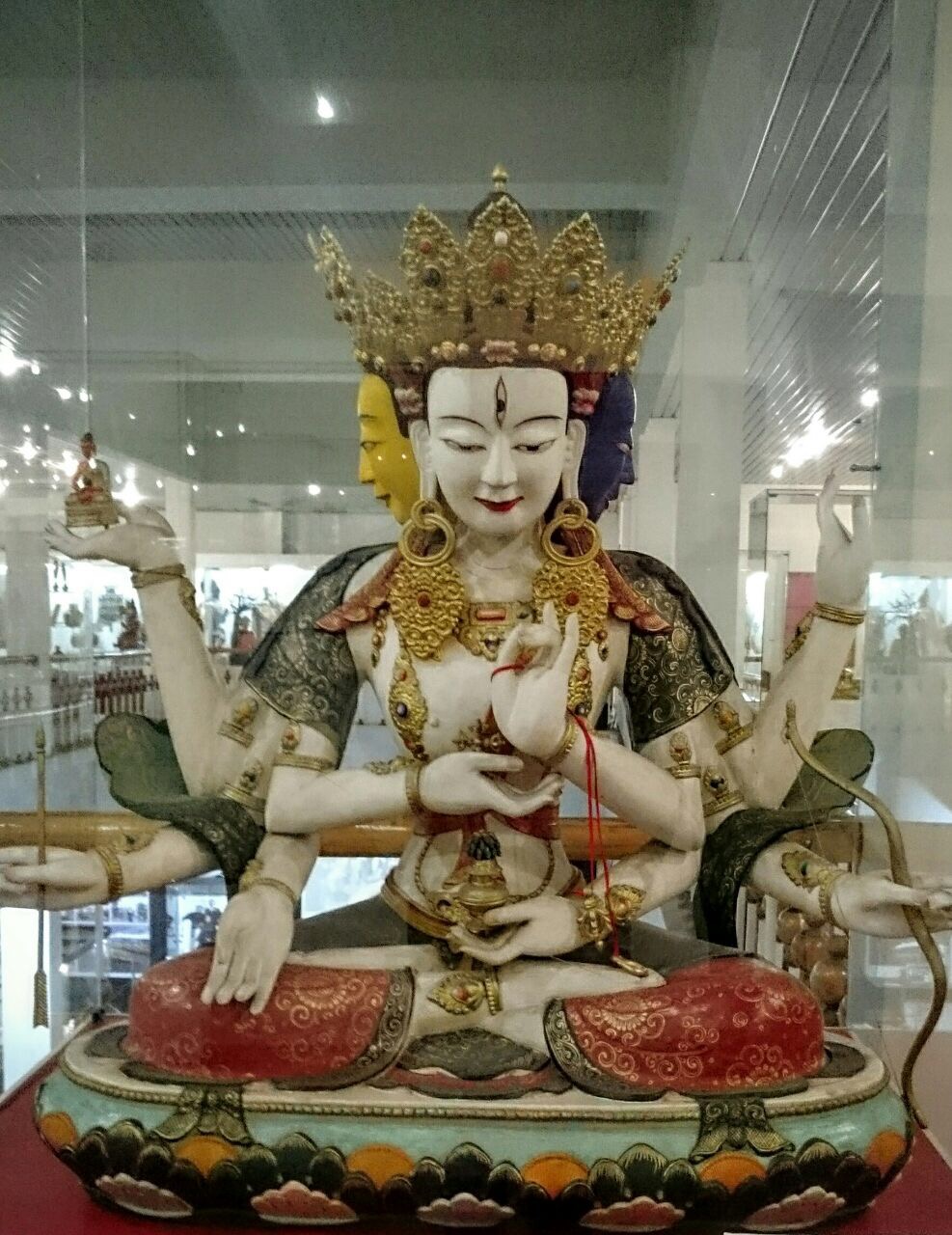
This morning, after more tea, we went to the Khangalov Museum of Buryat History. The ground floor was dedicated to the Shamanist history of the Buryats, including traditional tools, weapons and costume. After seeing several sacred Shamanist sites on our trip to Olkhon Island, it was great gain some background information. The first floor showed a little of the history of Ulan Ude, but our inability to understand Russian made it difficult to learn much from the text and videos displayed. We entertained ourselves for twenty minutes with a children’s jigsaw instead, much to the amusement of a museum employee! The top floor of the museum explained the Buddhist history of the Buryat people, including several impressive papier-mâché sculptures of deities.

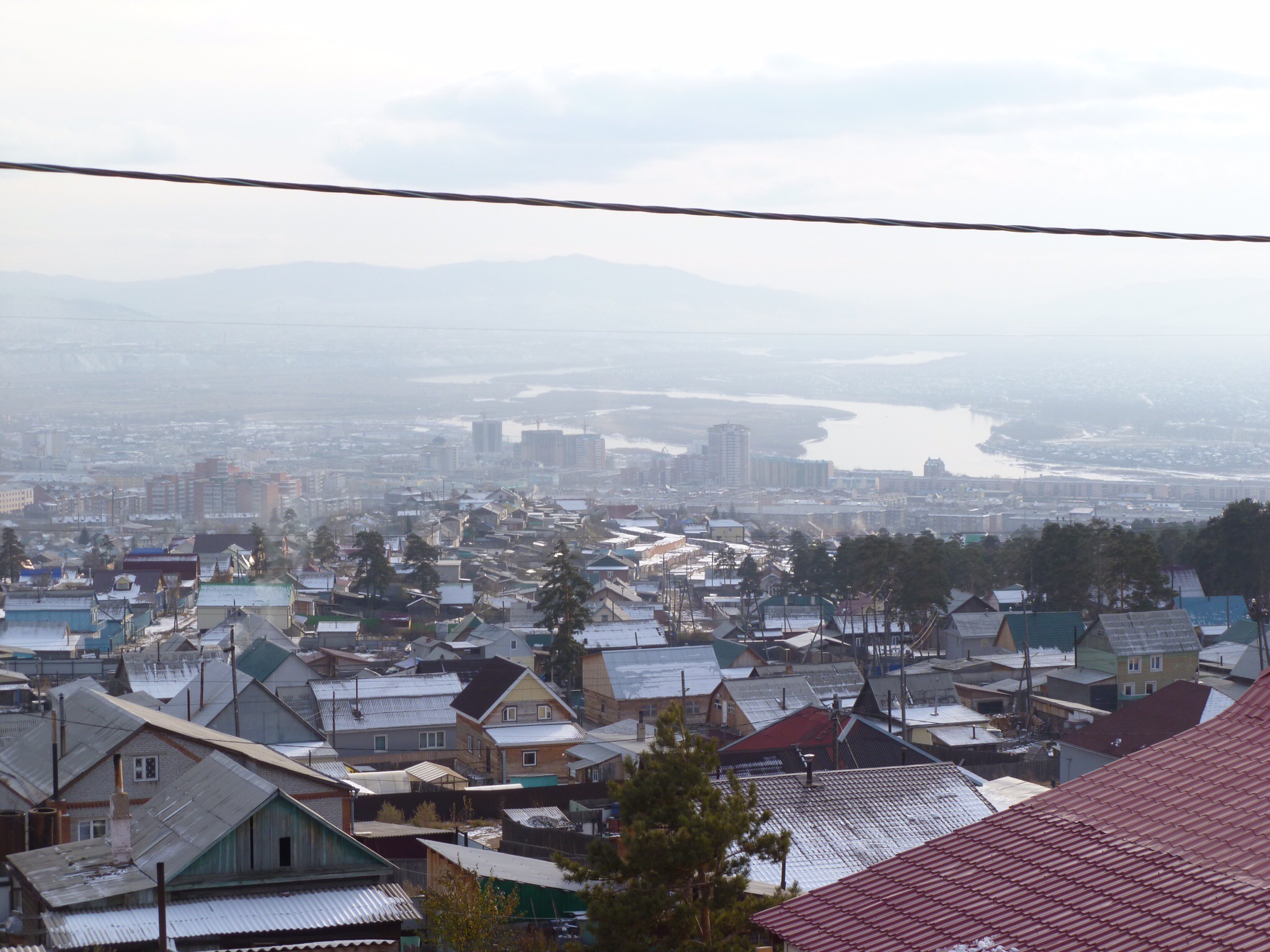
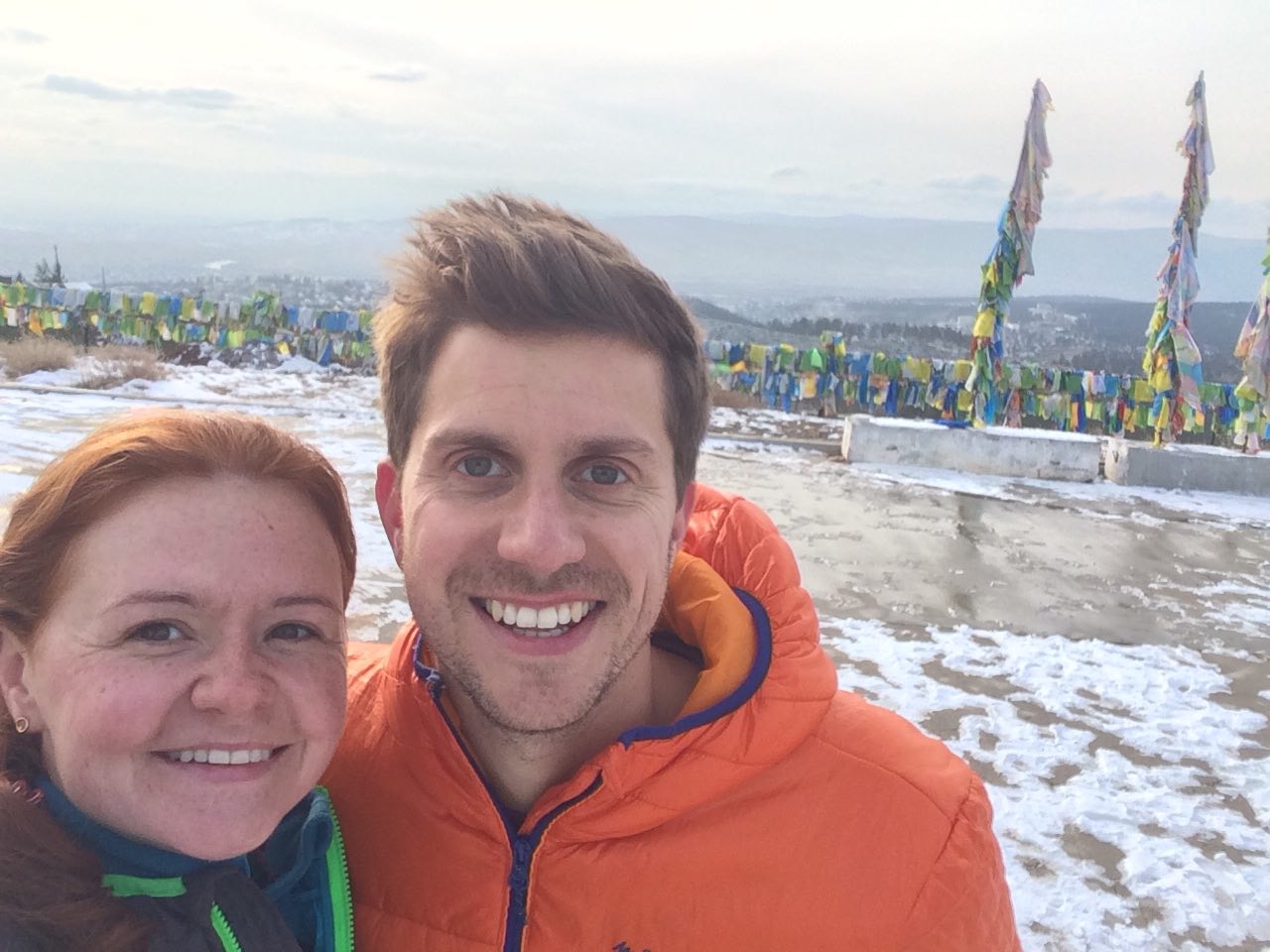
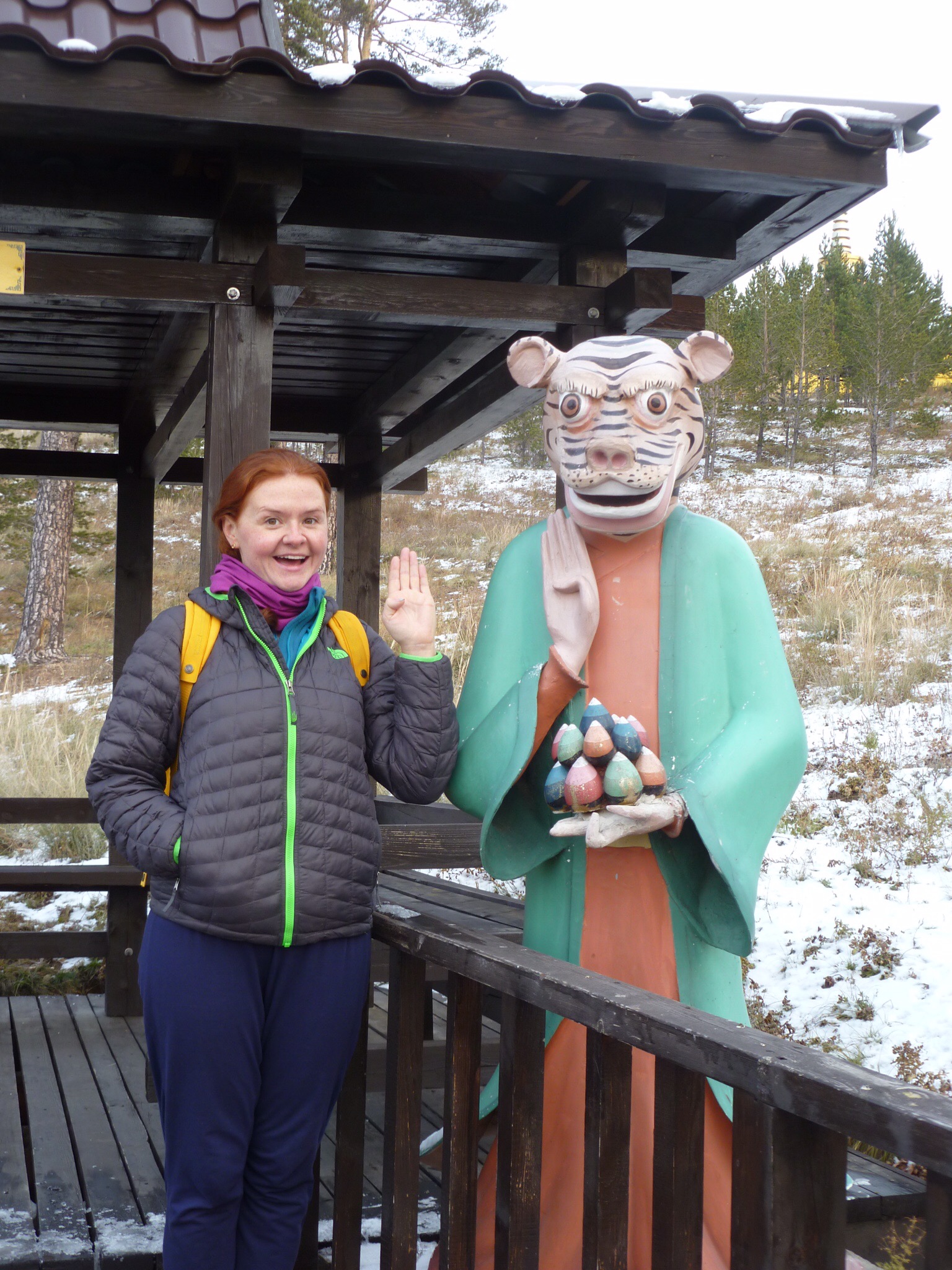
This afternoon, in order to enjoy the unexpected sunshine, we walked to Rinpoche Bagsha Datsun, the modern Buddhist  in the north of the city. The views of the city from the top are certainly worth the walk. The grounds of the temple are filled with coloured ribbons, a large bell and human-size figurines representing the Chinese signs of the zodiac. The large Buddha inside the temple itself is impressive, and the walk down the hill back into the city was far easier than the walk up!

On the way back to the hostel we stocked up for the longest train journey of our trip. At 04:17, our 50+ hour journey to Khabarovsk begins.

G

Following the Angara to Irkutsk

Having awoken to a beautiful sunrise, our 32 hour train journey ended in Irkutsk at 08:20 on Friday. Now we’ve visited several Russian cities, we expected Irkutsk to look similar. However, on walking out of the train station, we realised that Irkutsk looks far less like a European city than those further west. We took a taxi to our hostel, and we’re surprised by just how crazy the drivers of Irkutsk are during rush hour.

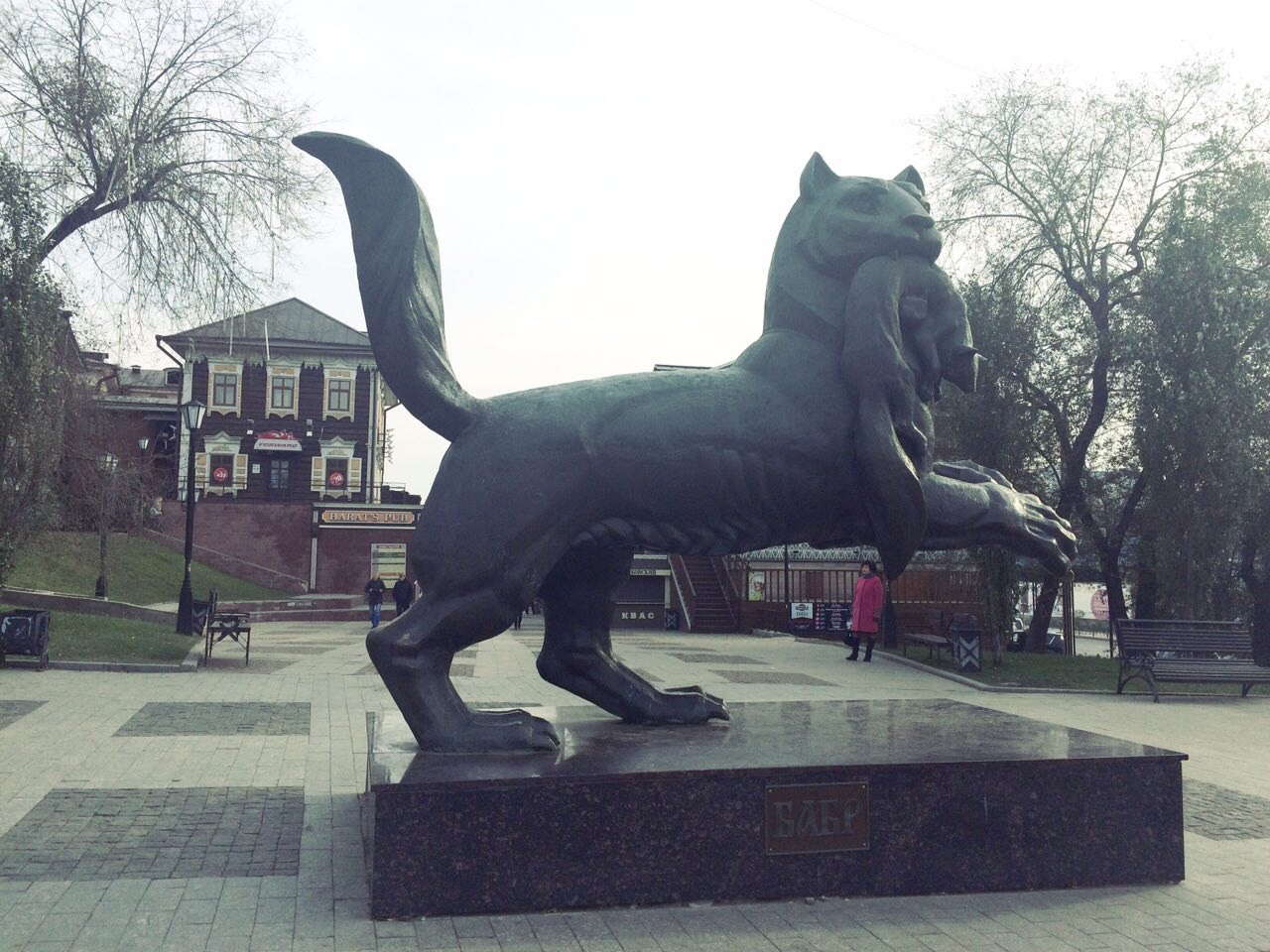
After walking around the city watching the market stalls set up for the day, a very helpful woman in the tourist information office pointed us in the direction of 130 Kvartal, an area of new wooden restaurants & bars plus a modern shopping mall. On the way there, we passed the bronze statue of a babr with a sable in its jaws, which, according to Lonely Planet, “features on the Irkutsk municipal coat of arms”. As none of the restaurants looked open, breakfast was found at the food court in the mall. We ordered ‘kasha’, which translates as porridge. My guess is that it was rice pudding with butter, and was rather good.

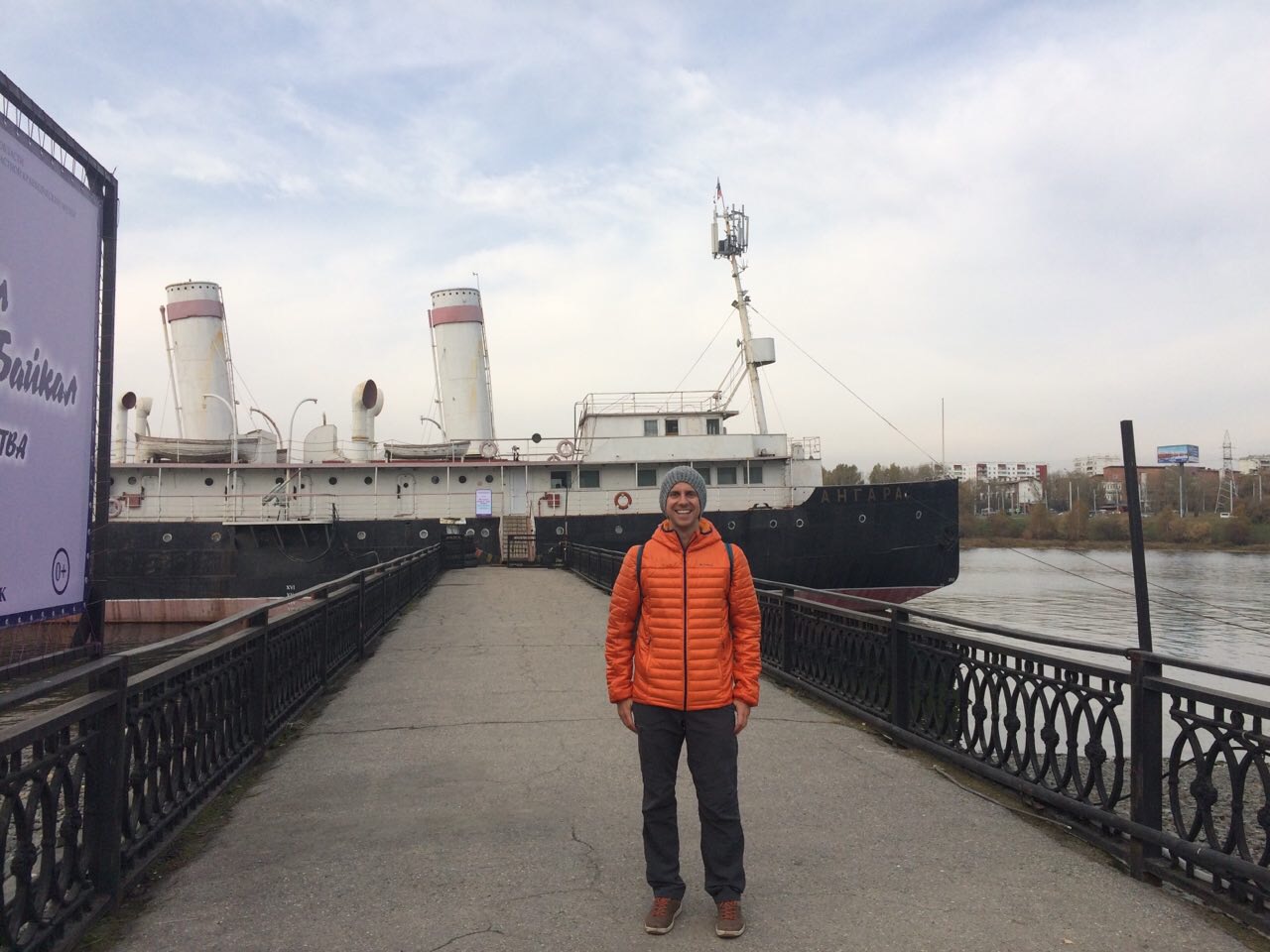
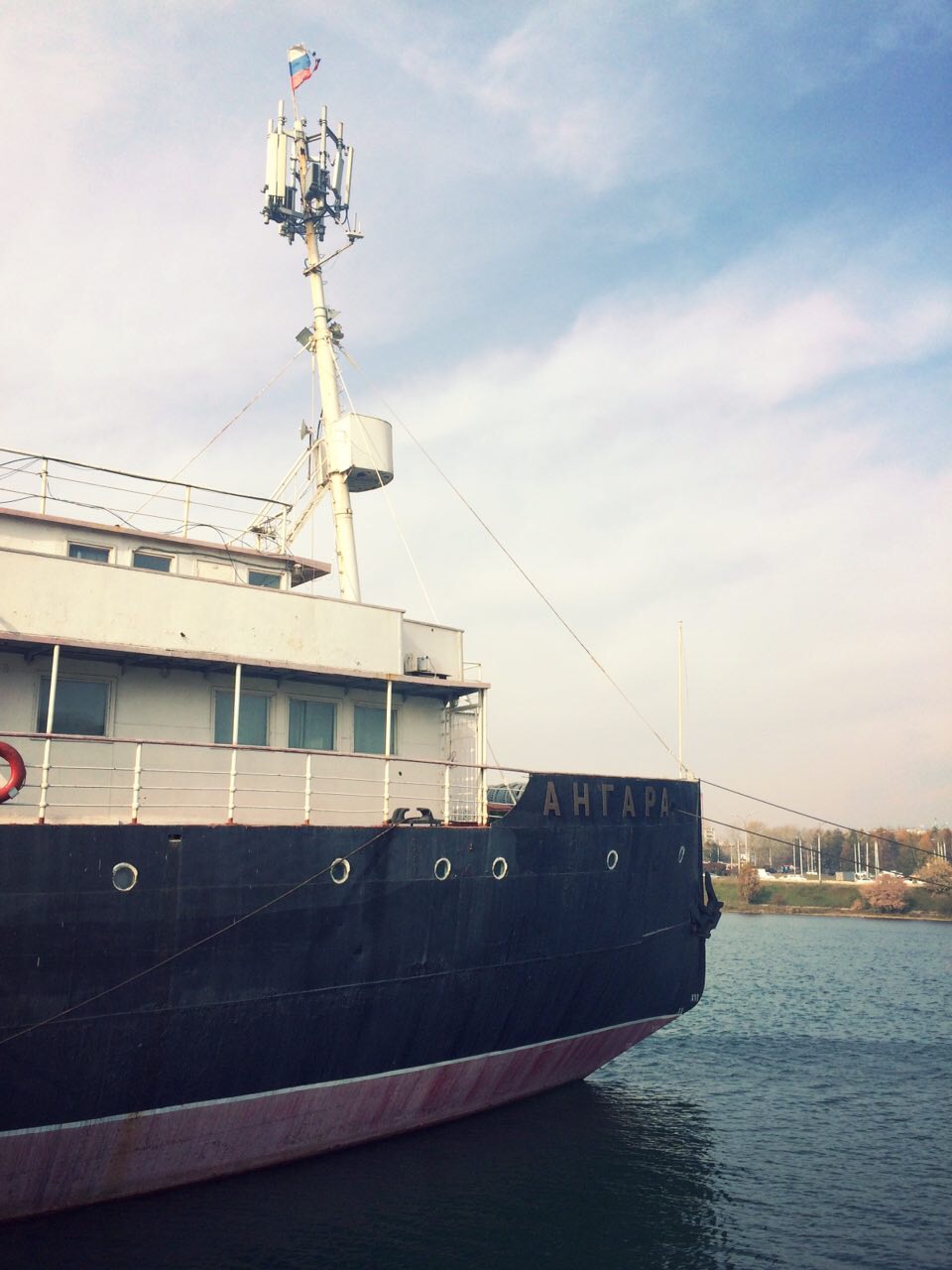
Kasha consumed, we took trolleybus 7 to the Angara icebreaker museum. The ship was on our list of things we definitely wanted to see while in Russia, as it was built by Sir V.G. Armstrong and Co. in Newcastle, where our journey began. Although the exhibition was entirely in Russian, we’re really pleased we visited. More info can be found about the Angara at http://www.irkutsk.org/fed/icebraker.html.


After lunch in an Irish-themed bar named Harat’s (Fionnuala didn’t even get a free Guinness!), we walked back to the hostel, passing several of Irkutsk’s sites, including the Lenin statue, the university and puppet theatre. Back at the hostel, we showered for the first time in a while, Skyped family back home and did some planning for our trip to South Korea. Having packed our bags for Lake Baikal, it was time for some train-free sleep.

G