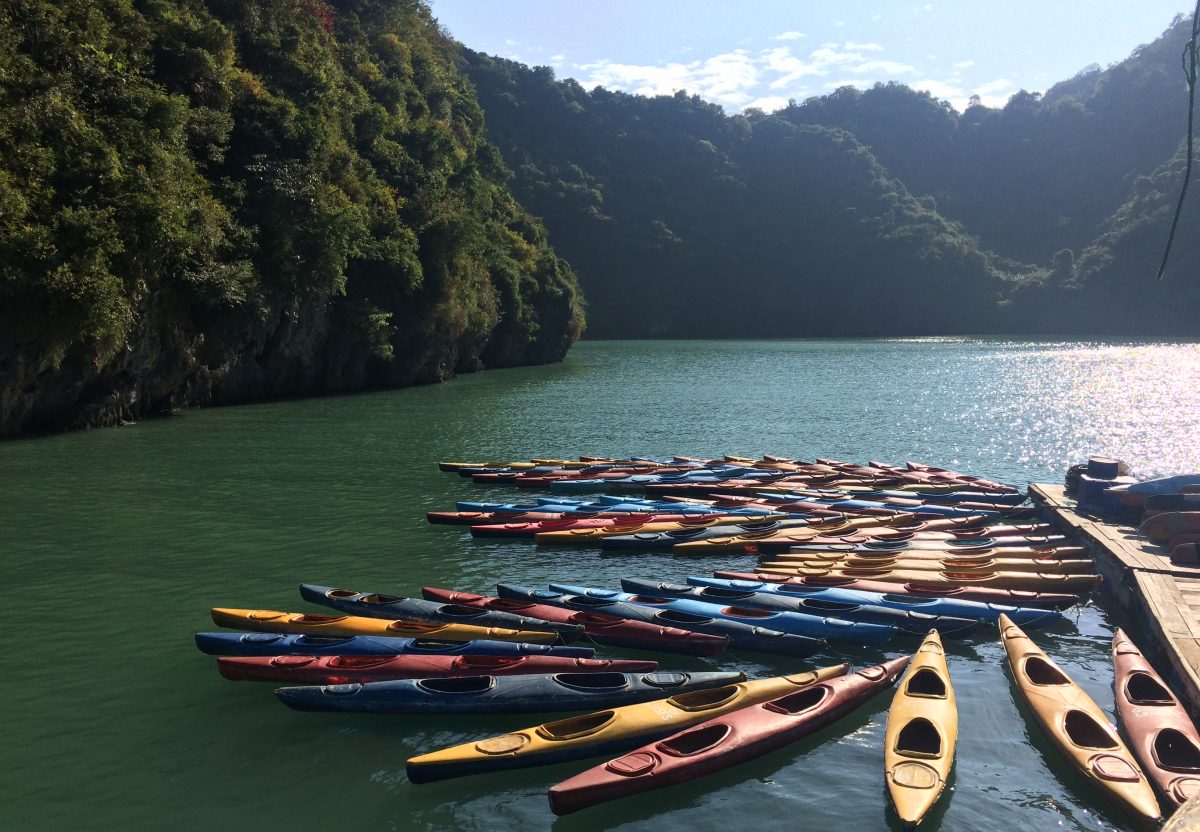
Wellington: Our New Home

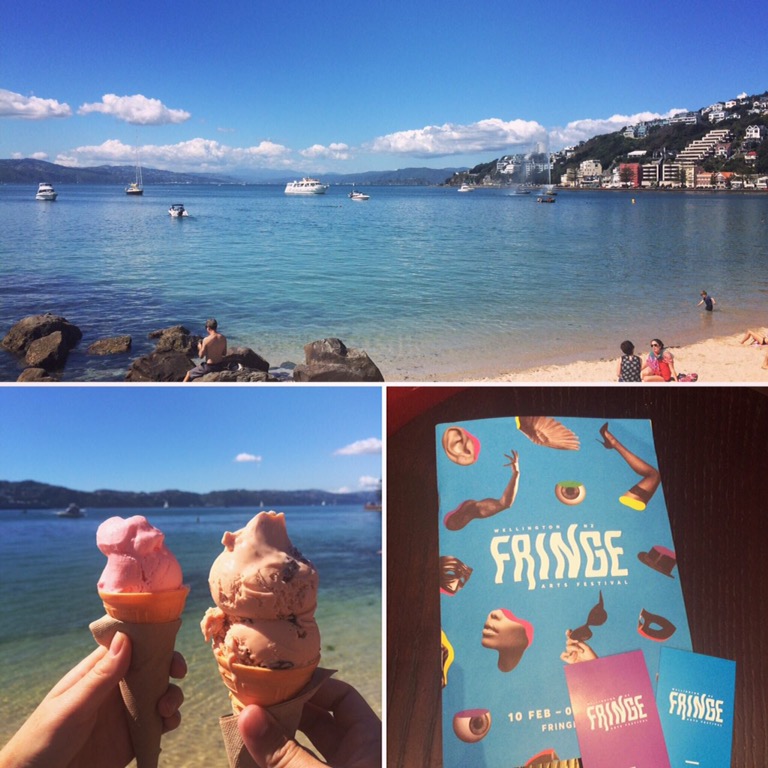
We’ve been in Wellington for two months now, and it’s starting to feel like home. After three weeks in Tawa, we moved to an Airbnb in Petone. It was good to see another suburb, and good to have a break from Tawa’s hills! The day after we moved to Petone, I attended a job interview in the city. It went pretty well, and although a couple of nervous weeks passed before I knew the outcome, I’ve since accepted a job offer there. 

While I was looking for a job, Fionnuala turned her attention to flat hunting. The second viewing I attended was an upstairs flat in Oriental Parade. The location was perfect, the price was within budget and the flat itself was… utterly bizarre. Every room had been whitewashed in a haphazard manner, and the kitchen looked much like the dish-washing area of a poorly equipped campsite. The property included a doorway without a door plus a door with no handle, painted shut, and not to be used as a door at all. I seem to have removed the bathroom from my memory, and probably for a good reason. Unsurprisingly, we didn’t apply to rent the flat in Oriental Parade.
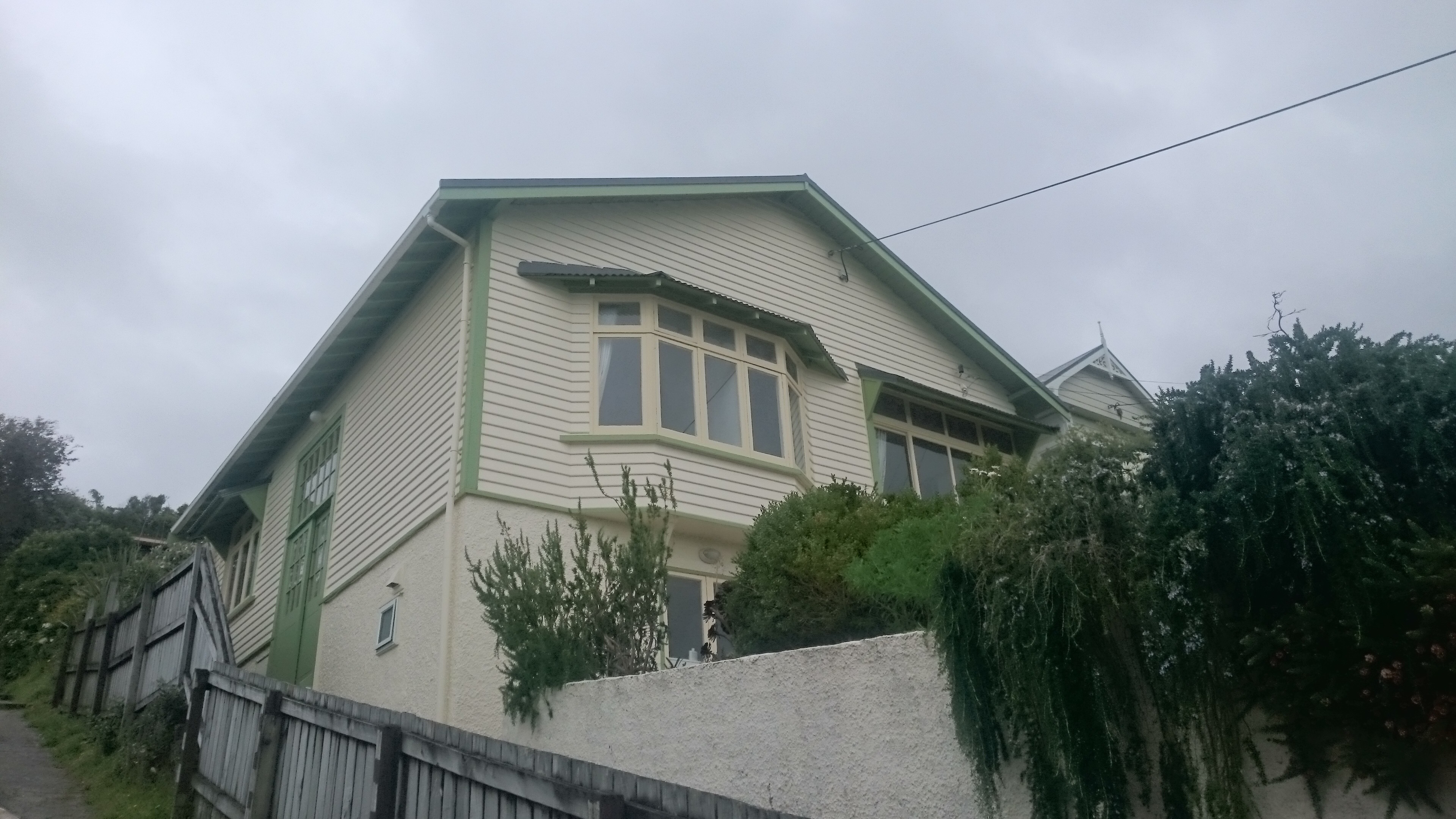

The first flat viewing I attended was an upstairs flat in Brooklyn. It looked good from the outside, and after about five minutes inside, I could see myself living there. Fionnuala didn’t have to say anything for me to know she felt the same way. The letting agent informed us that there had been around thirty tenancy applications, but all had been rejected due to the prospective tenants being too young, likely to party and make excessive noise. He also told us that, should we apply, our application would definitely be accepted. I felt old, but happy. Our application was accepted, and we’ve been living here for about a month.
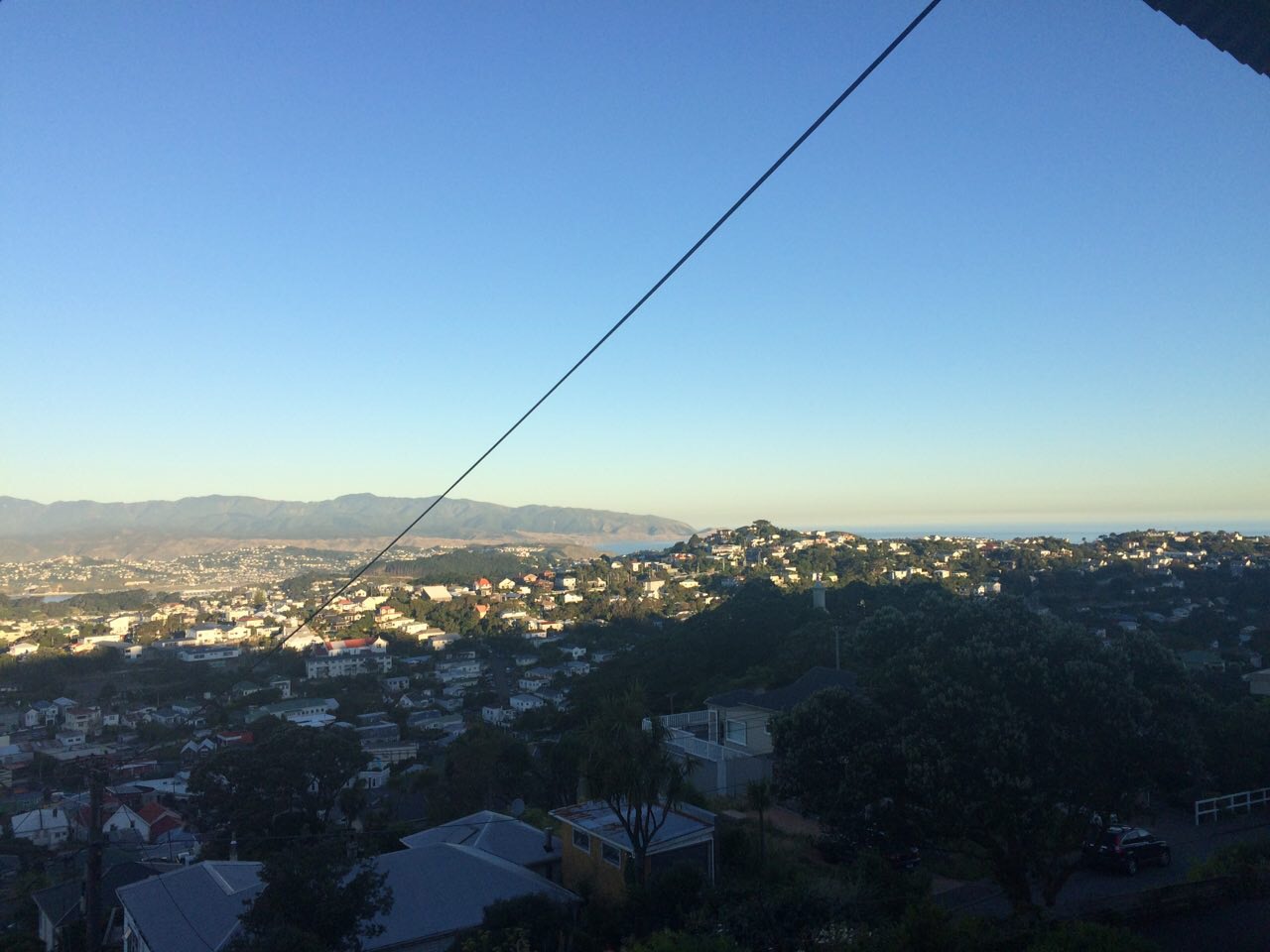

After a couple of weeks living in Brooklyn, Fionnuala’s work visa was granted. Her first day was a Monday, and went really well. We ate dinner at a restaurant in town that night, and Fionnuala looked as if she would fall asleep in her food. Thankfully, she didn’t. Fionnuala has worked quite a bit since then, and I’ve spent much of my time thinking “what if my work visa is never granted?”, “what if my job offer is retracted?” and “what if I’m a criminal but nobody told me?”. But after three weeks of mentally torturing myself, this week, my work visa was granted and I start work next Tuesday.
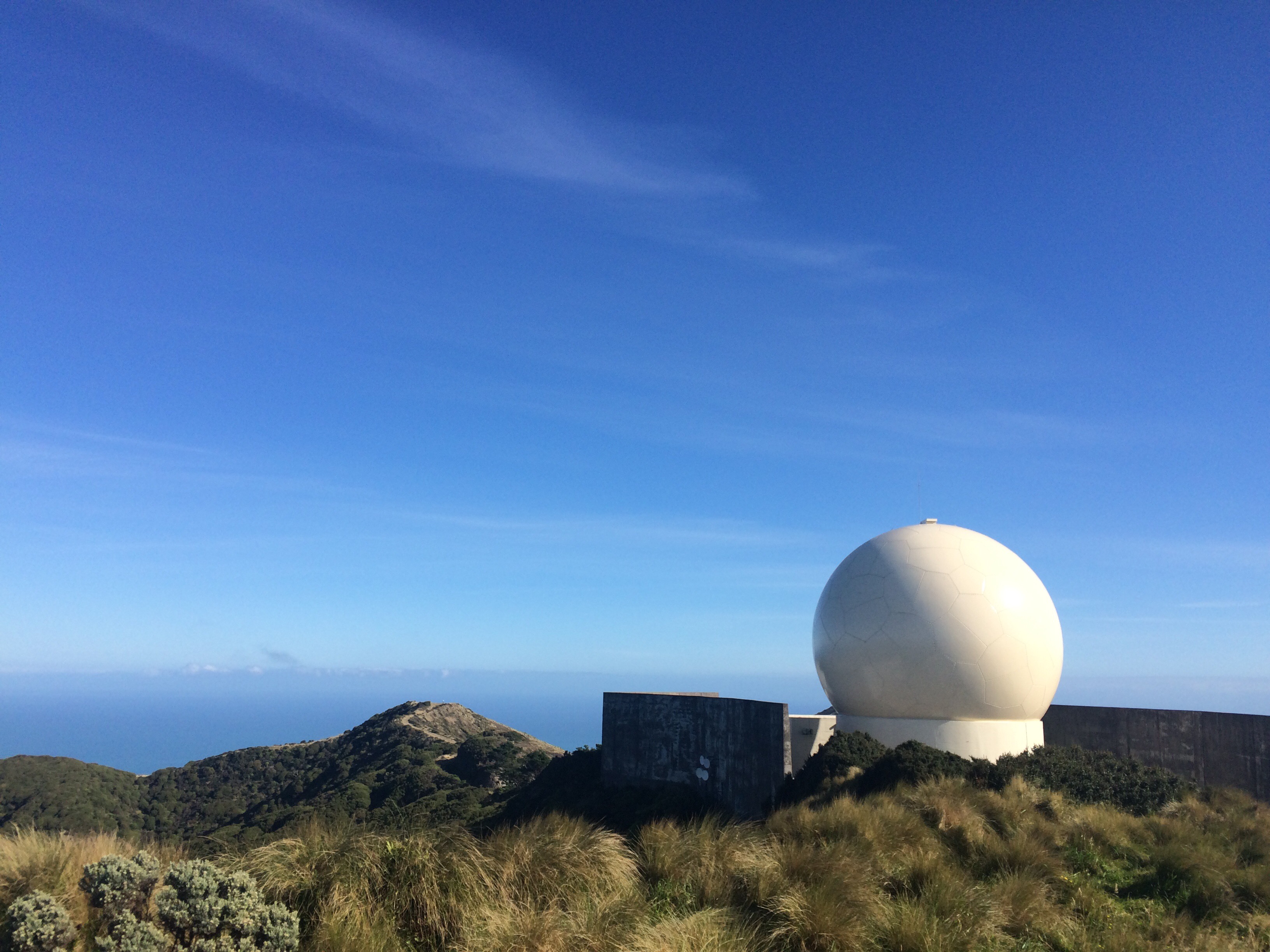
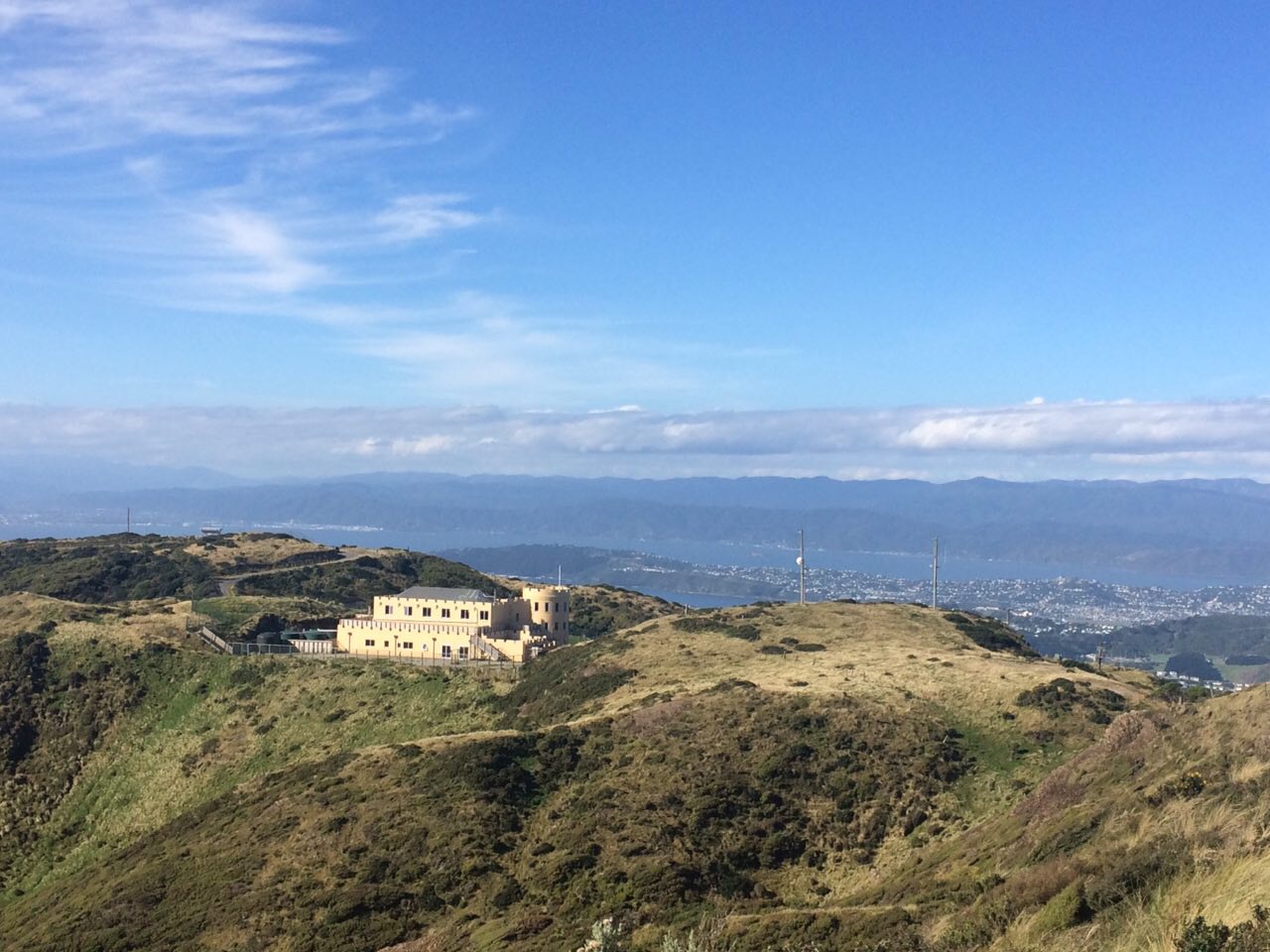

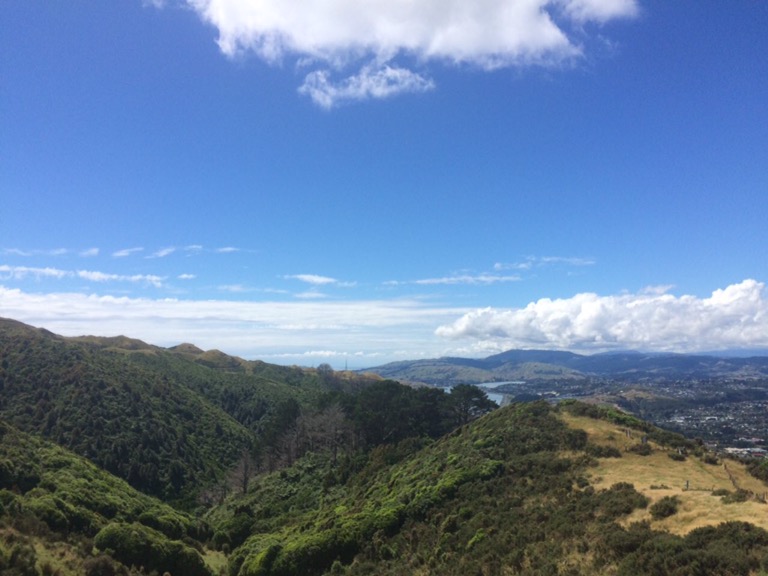
One of my favourite things about Brooklyn is its close proximity to a number of running trails. Just a mile behind our flat is the Brooklyn Wind Turbine, which is on a path leading up to Hawkins Hill Radar Station. From there, there are loads of trails heading out to the sea and over many many hills. The views are spectacular and it’s hard to believe it’s just a few miles from the centre of the city. Fionnuala’s favourite nearby ‘attraction’ seems to be Woofington’s Luxury Dog Stay, a mock castle with a cannon outside, used as a dog kennel. Located on a hill not far from the radar station, there are no neighbours around to complain about the noise.
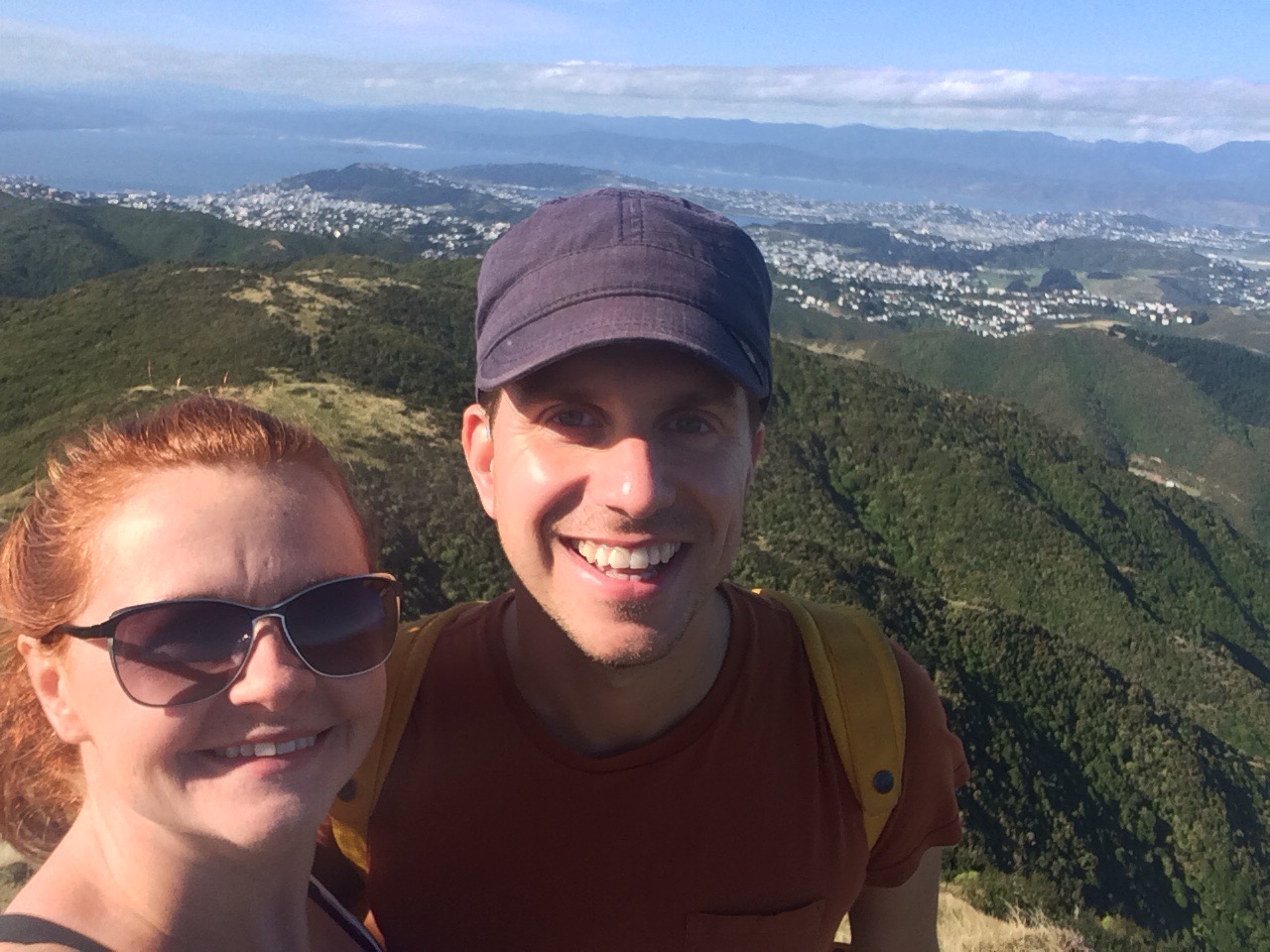

The last seven months have been incredible. We’ve seen so much on our journey that will stay with us for the rest of our lives. Moving to Wellington, though, was the objective of our trip, and now is just the beginning. We have a lot to do in the coming weeks and months, including buying furniture and a car, settling into our jobs and getting to know our colleagues, as well as creating new social lives. We don’t plan to blog about our daily lives here in Wellington, but we will share a few words from time to time about our future adventures. 

Thanks a lot for all the ‘likes’ and comments over the last few months. We’ve really enjoyed sharing our adventure.

G & F
Wellington: Our First Three Weeks

We arrived at Kingsford Smith airport early on the Tuesday morning. Our flight was on time, and we were soon in the air. For people accustomed to flights in calm European skies, the turbulence on the flight felt horrendous. Thankfully, the flight to Wellington only took a few hours and we were soon back on solid ground. After almost five months of travelling, we had reached our destination.

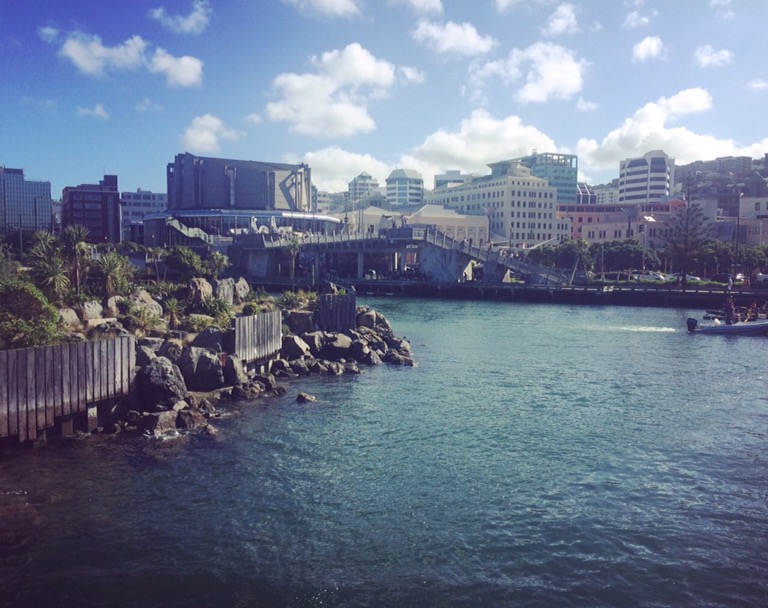
I was a mix of excitement and nervousness on the bus into the city; excited to see the place I had visited back in 2009, but nervous because this is Fionnuala’s first time in New Zealand. “What if she hates it?!” and “what if it’s awful, but I’ve forgotten?!” were the main thoughts rattling around my head. Within twenty minutes of stepping off the bus, we had observed several expensive clothes shops, the incredible view from the harbour, people in kayaks, others on paddle boards, runners, cyclists, a climbing wall and a Wagamama. Everything was going to be okay.

The Airbnb we had booked was in a place called Tawa. The train ride from Wellington to Linden, the closest station to the house, took only fifteen minutes. The one mile walk uphill from the train station wasn’t all that enjoyable with our rucksacks, but the accommodation was great, and our hosts, Thomas & Adele, were really welcoming and friendly; great news, as we had booked to stay for 21 nights!

Our first couple of days here were spent searching the shops of Porirua and the city centre for an outfit for Fionnuala to wear to interviews. Outfit found, Fionnuala has since been to two interviews and has accepted a job offer. Apart from job hunting and progressing with our visa application, we’ve been exploring the city, enjoying the NZ Fringe and trying not to spend all of our remaining budget. 

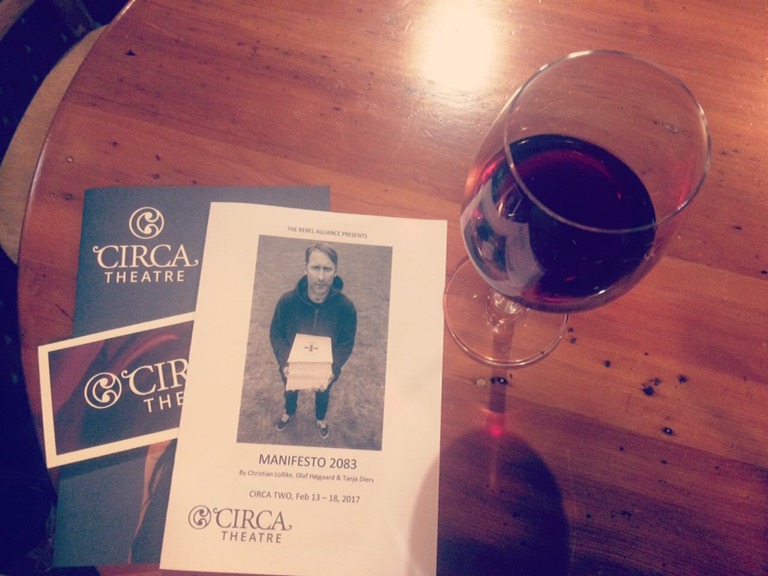
Fringe is “NZ’s largest cutting-edge arts festival”, and we were lucky enough to arrive just before the 2017 edition kicked off. So far, we’ve been to six shows, including some stand-up comedy, hard-hitting psychological drama, a contemporary ‘light, sound and body installation’ and a musician playing violin while singing in a Neanderthal-inspired language. Not wanting to limit ourselves to live drama, we visited the cinema to see Pork Pie, an action comedy about three accidental outlaws driving a stolen yellow Mini from Auckland to Invercargill. The film was superb, and I’ll definitely watch it again.

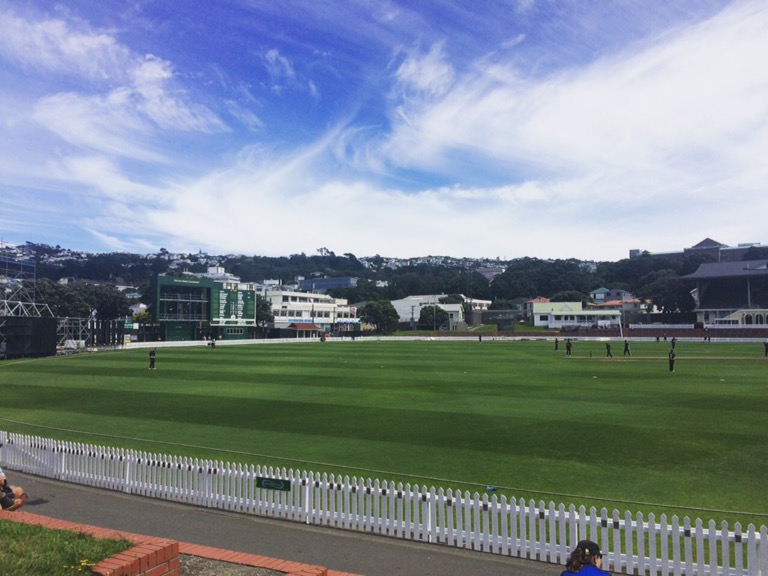
One thing Wellington has a lot of is sports teams. There are football (soccer), rugby league, rugby union and cricket teams, and they all play in the city centre, which is brilliant. So far, we’ve only been to the cricket, but I’m sure that will change! Ex Durham player Scott Borthwick is currently playing for Wellington Firebirds, and I was quite excited to see how he played in the Ford Trophy elimination match against Central Districts. Although Wellington won, just, Borthwick didn’t bowl and only made one with the bat. Not quite what I had expected.

I’ve really enjoyed getting back into some regular running over the last three weeks. The most notable thing about Tawa is that it’s extremely hilly. Every run there is challenging, even if you only run a few miles. On my first run, I got talking to a local runner called Preston, and we ran together for about 40 minutes. It was a great indicator of just how friendly people are here, which we’ve noticed again and again since we arrived. As Preston and I discussed the scenery, he pointed out one particular hill known as Colonial Knob, which gives spectacular views to the north and south. Fionnuala and I have since walked most of the way up it. The heat that day meant we didn’t make it to the top, but we’ll be back to conquer it in the near future.

G

Kuta: Last Stop in Asia

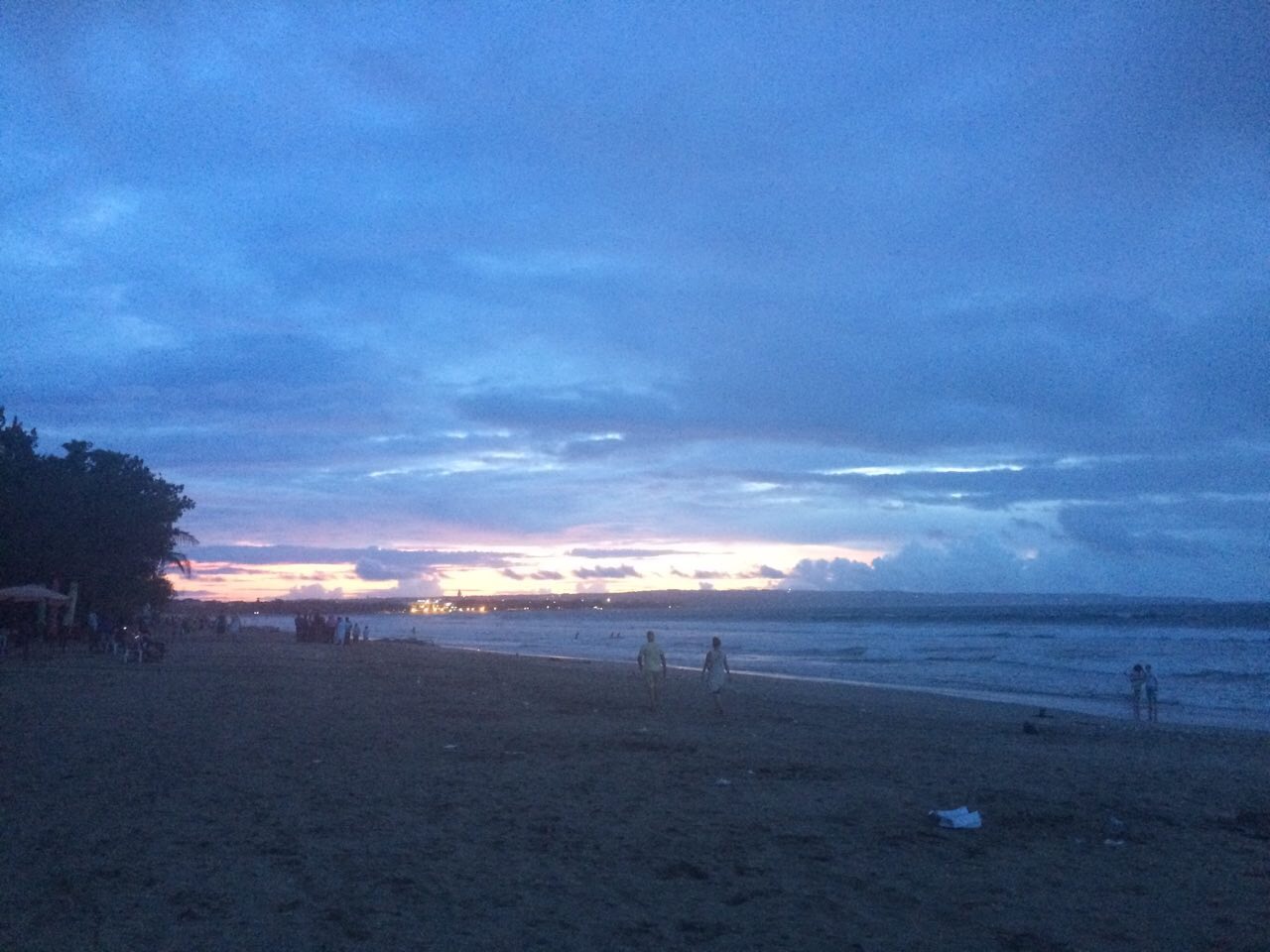
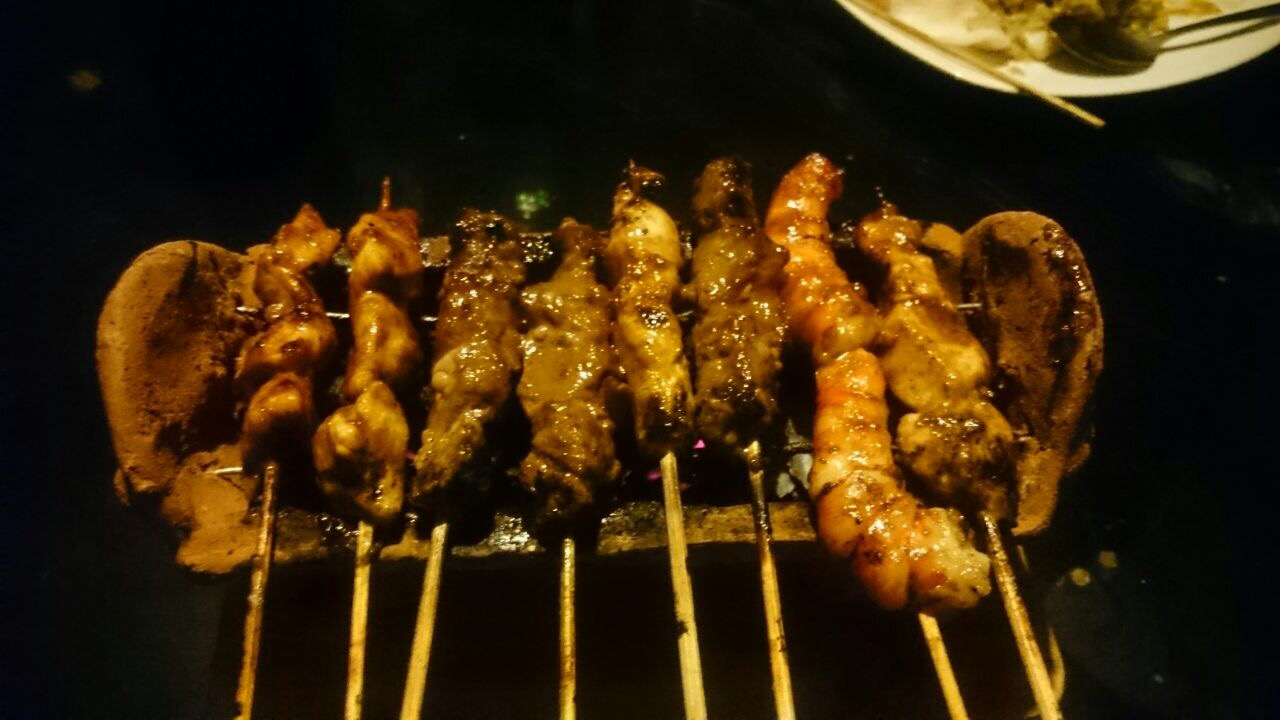
The minibus ride to Kuta only took an hour. We arrived early in the afternoon, and, after checking in at the hotel, went looking for lunch. We ate Indonesian food at a shack by the beach, where Harrison, the man who seemed to run the place, explained recent weather to us, at length, before sitting unnervingly nearby while we ate. The food was excellent, and the extremely sweet teh tarik took my mind off Harrison’s close proximity to us. After a walk along the beach, we browsed Beachwalk Mall, reacquainting ourselves with work attire and the Western brands we hadn’t seen since Hong Kong in late November.


The following day started with breakfast in a Western pancake house called Flapjaks. It’s the kind of place we usually avoid, but we were dehydrated, hot and definitely not thinking straight. The giant waffles we ordered were good, but a bowl of muesli and a cup of tea would have been far more appropriate. Next, we walked to the beach, but after only a short while it started to rain, heavily. We sheltered in a nearby cafe and played Scrabble over a latte. Rainstorm over, I took the opportunity to visit a barber shop. I had read good things about barbers in Bali, and liked the look of a place called The Headmost. I showed the barber a photo I found on Instagram so he knew the hairstyle I wanted, and although I’ve never been in a barber shop that long, he did an excellent job of reproducing it.

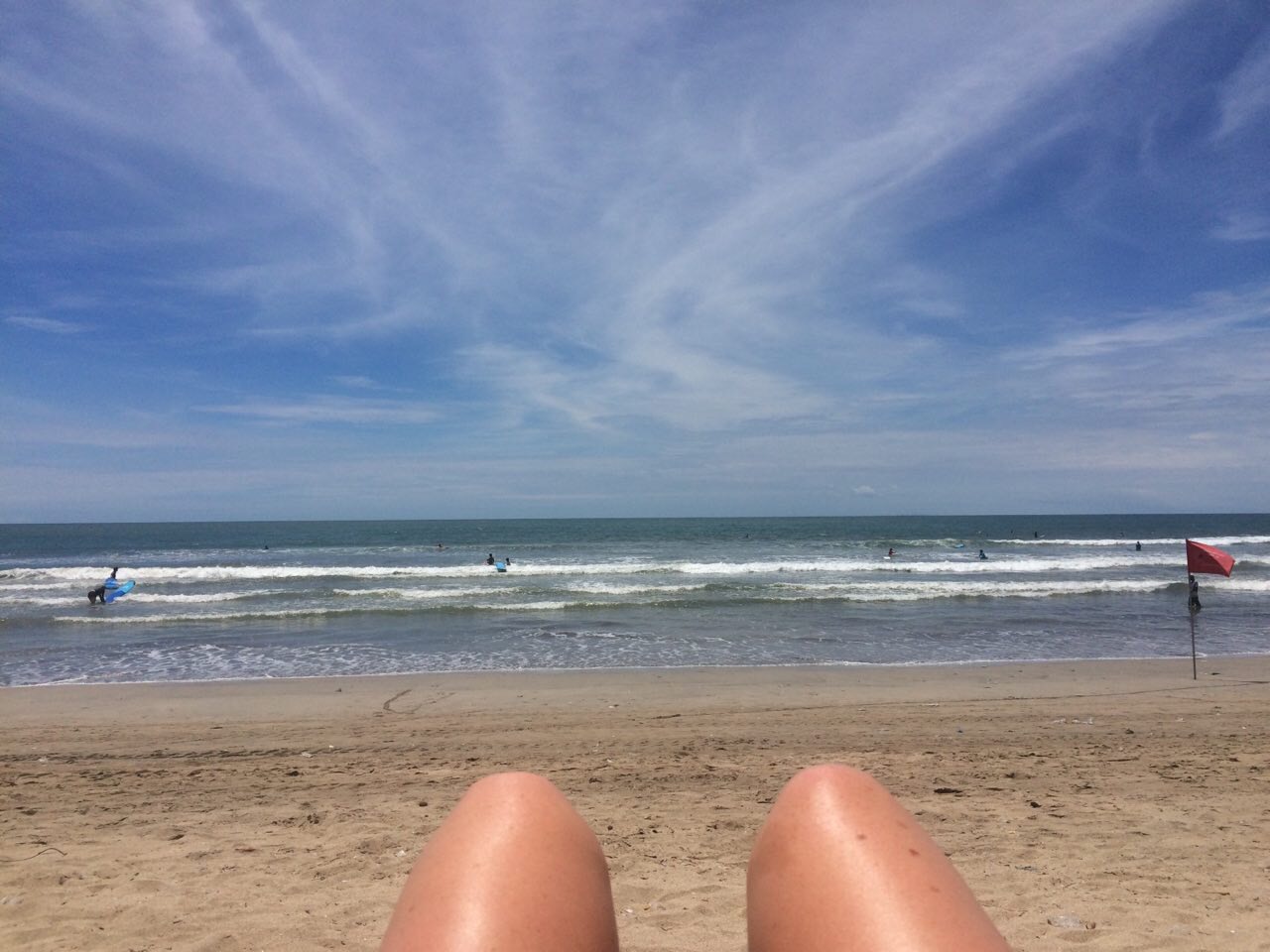
Following a morning run along the beach, the first thing I discussed with Fionnuala was breakfast. Whatever we ate, it wouldn’t be from Flapjaks. And it wasn’t. We found a lovely cafe serving breakfast-appropriate food on our way to the beach. The clouds of the previous day had been replaced by bright blue sky, and the heat of the sun was intense. We rented sun loungers on the beach, where we uttered the words “no thank you” to many offers of massages, pedicures, ice creams and surf lessons. After two hours of that, and a game of Scrabble, we made our way to the Discovery Shopping Mall in order to escape the heat. Our last evening in Asia was spent on Legian Street, where we ate dinner, drank Bintang, and even allowed ourselves dessert. Our flight the following day wasn’t until the afternoon, so for once, we left packing until the morning.

G

Ubud: Massage & Monkeys

Leaving my parents behind in Ko Samui made me pretty sad, but spending two weeks with them was fantastic. We waved them goodbye on Wednesday 18th and boarded a boat to mainland Thailand. That was followed by a bus journey to Bangkok, dinner near Khao San Road, a taxi to Don Mueang Airport, and a flight to Denpasar. After all of that, we just about managed to stay awake during the taxi ride to Ubud.

After dropping our bags at the homestay, and showering for the first time in a while, we headed out for a walk around the town. Following lunch in an Indonesian restaurant, we browsed a few shops and enjoyed a Balinese coffee. At that point, we could stay awake no longer, so headed back to the homestay for a rather long nap.

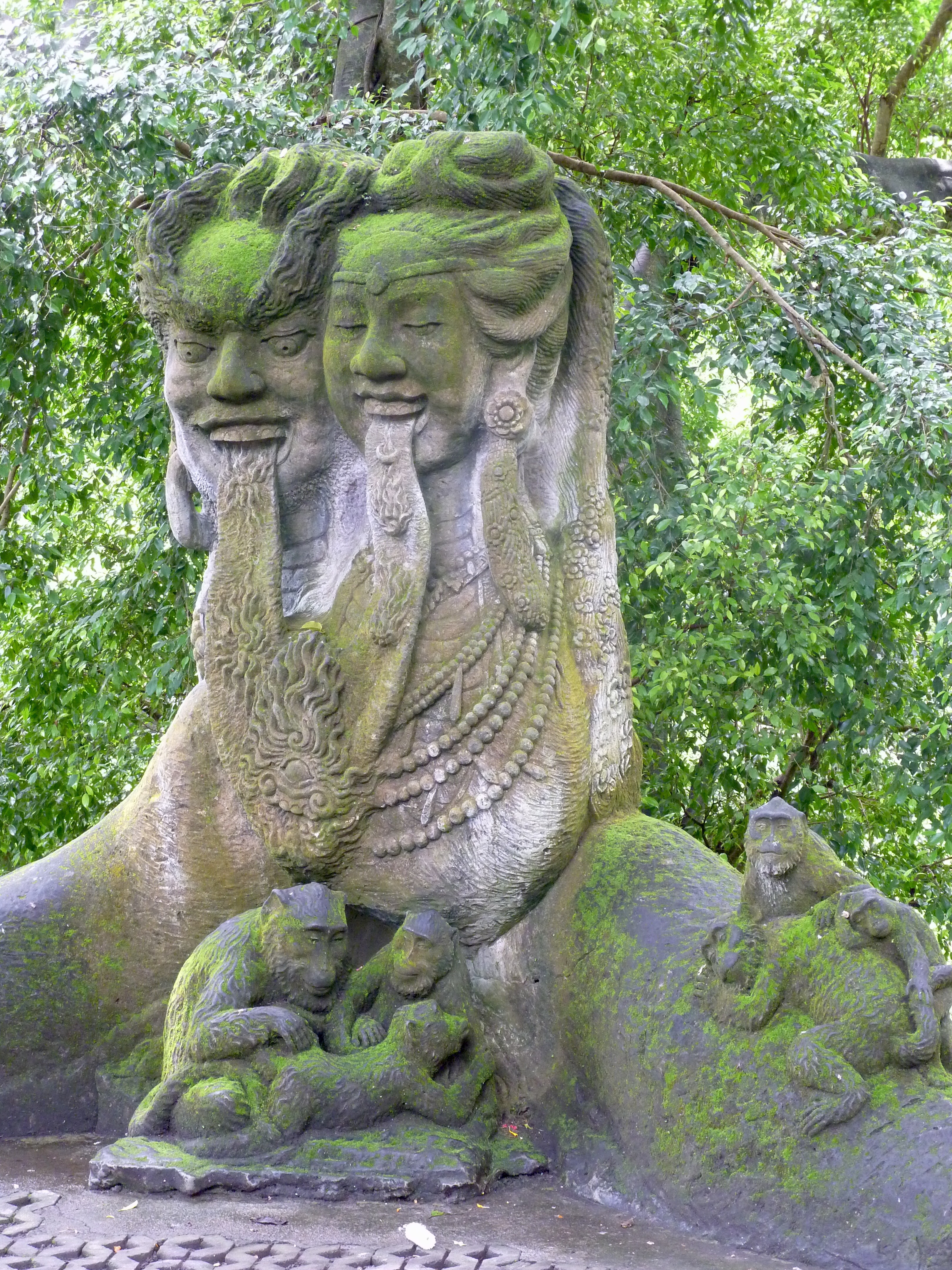
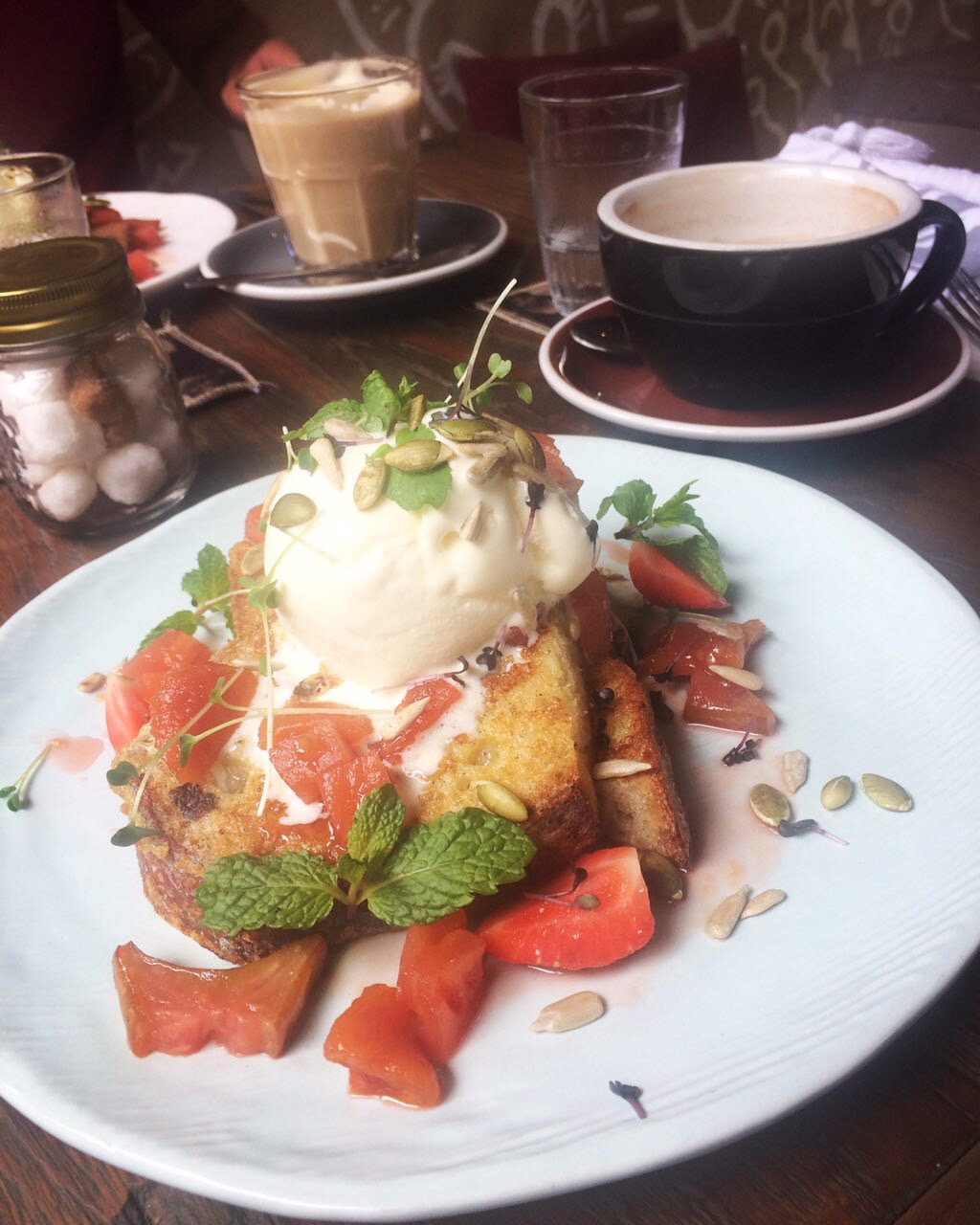
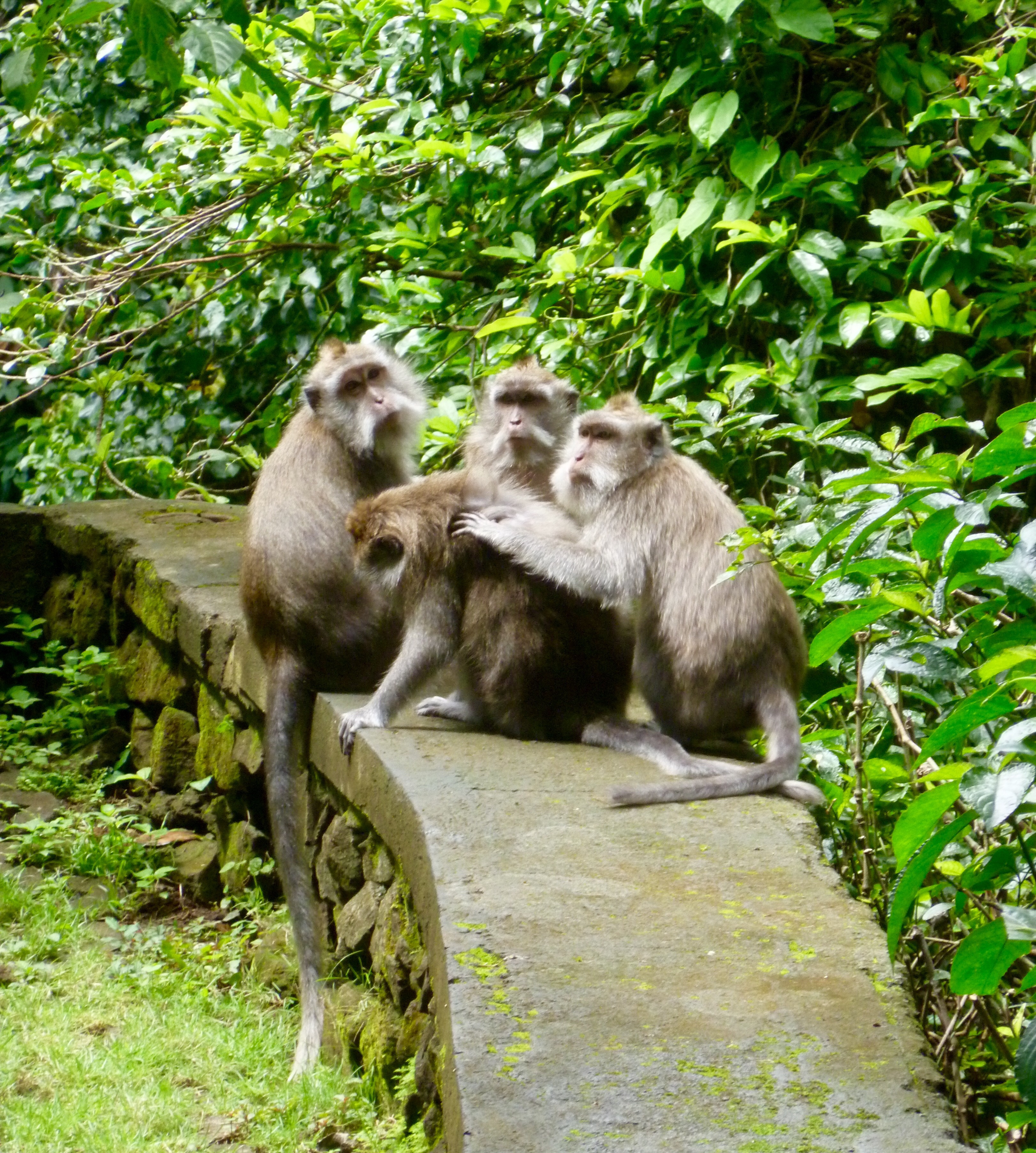
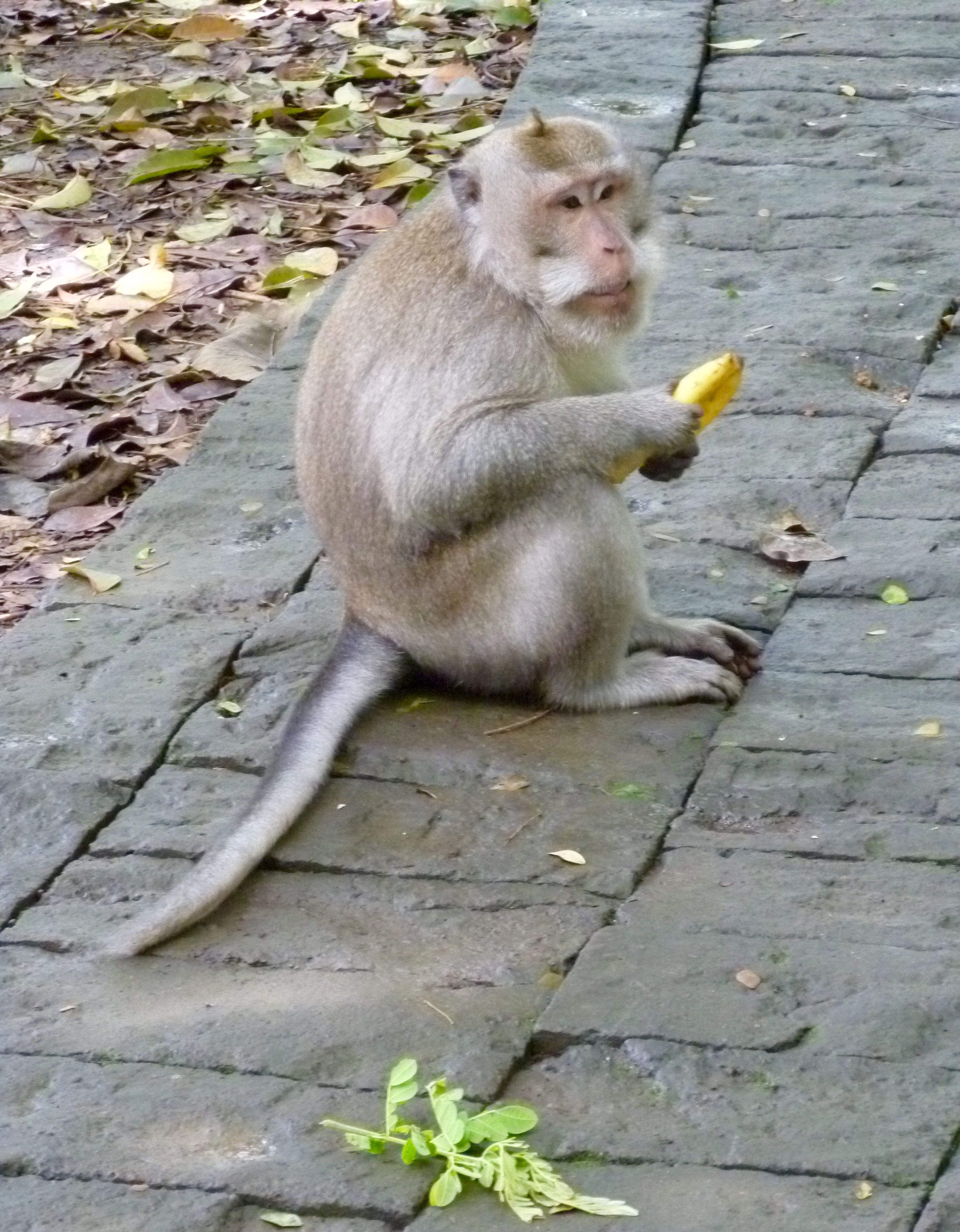
Our second day in Ubud started with breakfast in a coffee house called Folk. It looked really good inside, and the food and coffee were amazing. Our caffeine high accompanied us to The Sacred Monkey Forest Sanctuary, where monkeys roam freely, jumping in pools, climbing trees and clambering all over tourists. We did a big loop of the monkey forest and were happy to escape with all of our possessions. That afternoon, we treated ourselves to a trip to one Ubud’s many spas. I opted for a Balinese massage, and Fionnuala had an organic facial. We felt very relaxed afterwards, and finished off our day with dinner and a game of Bananagrams.

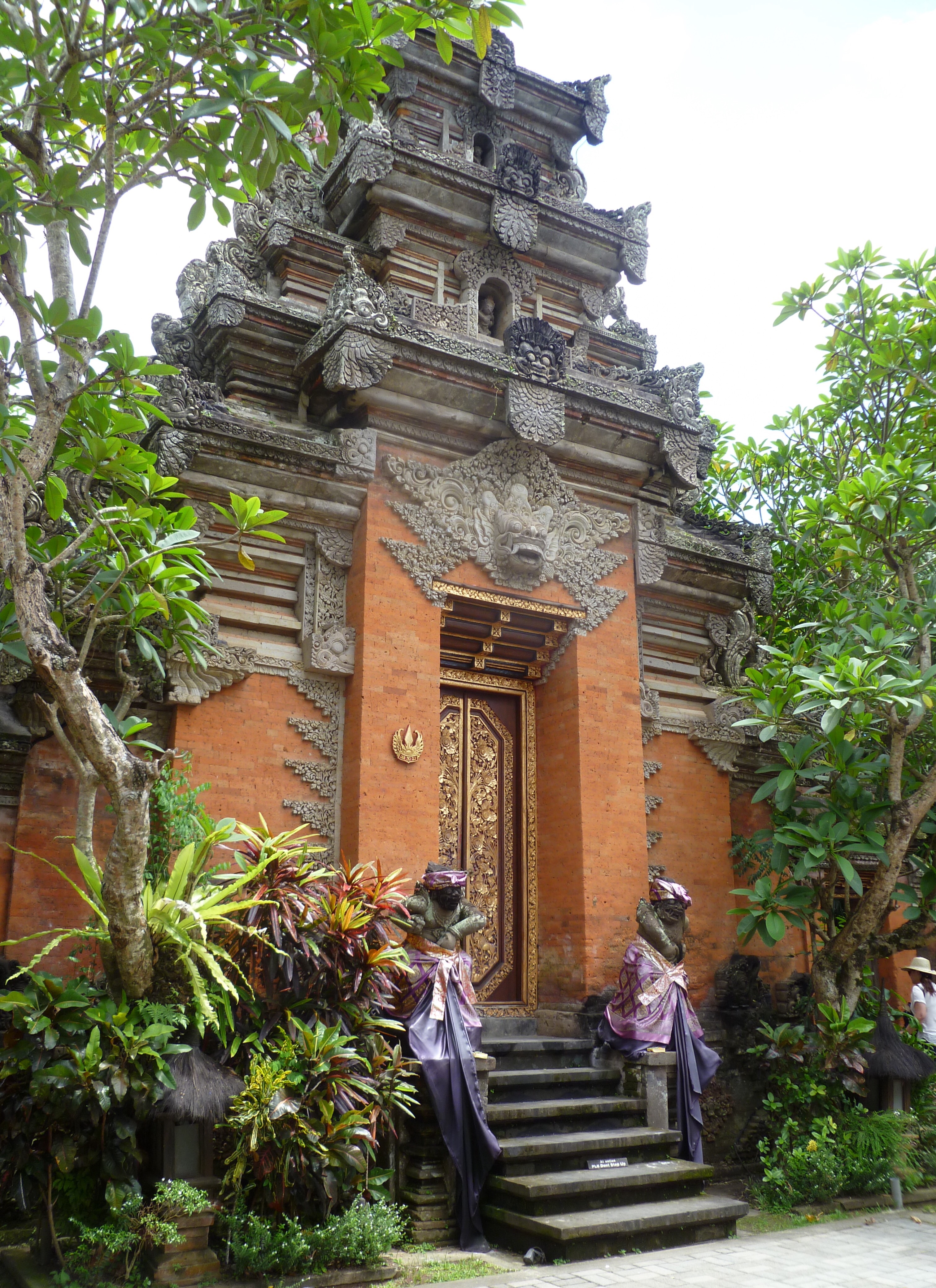
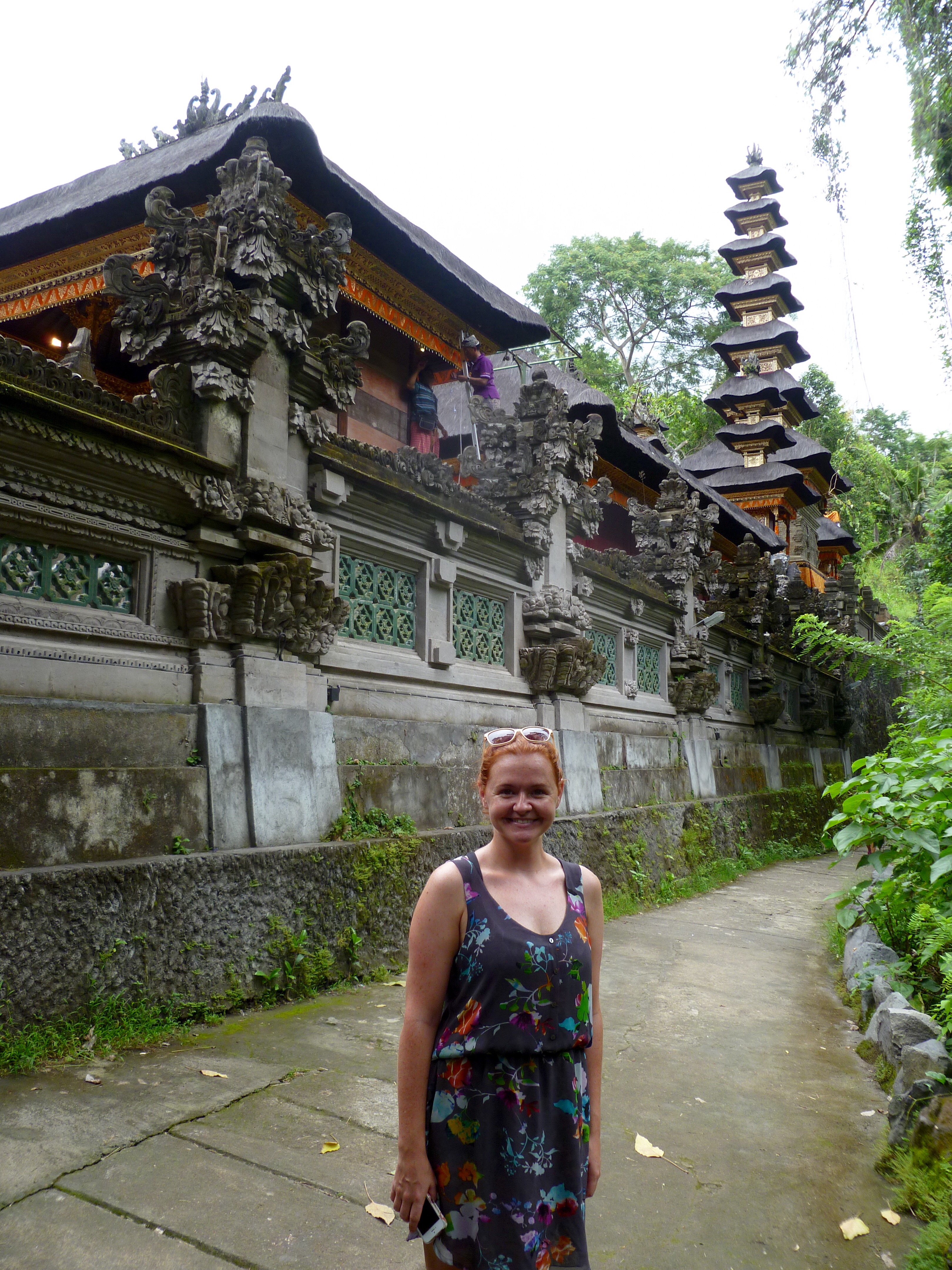
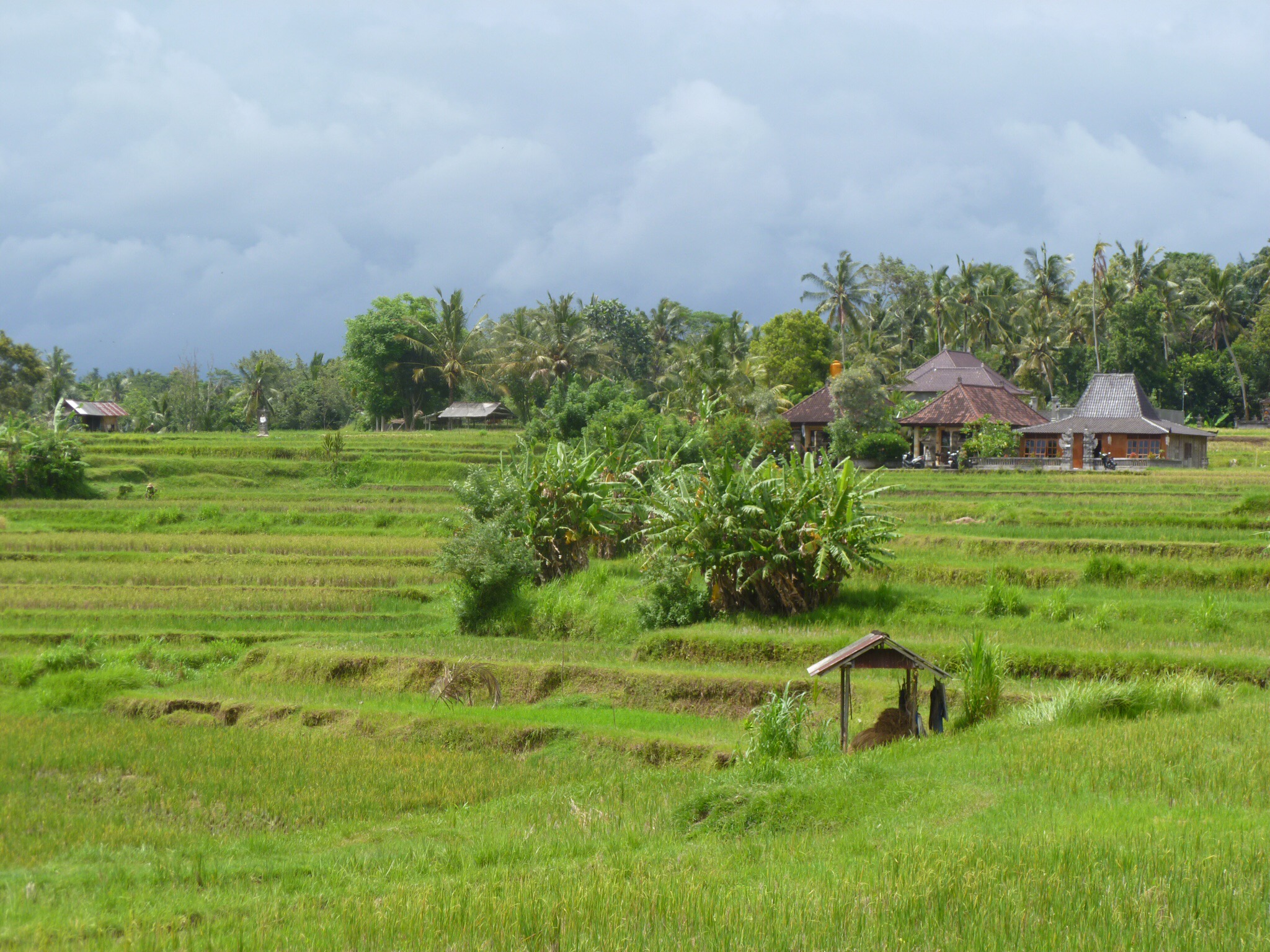
We started our final day by visiting the Royal Palace, which was nice, but far too crowded to allow us to really take it in. Next, we followed the Campuhan Ridge Walk, which is a leisurely trail heading out of town, past the Pura Gunung Lebah Temple before leading to wonderful views of rice fields. On the way, Fionnuala spotted a snake, causing ten minutes of extreme jumpiness and paranoia! That evening, we ate near the homestay and packed for the following day’s trip to Kuta.

G

Non-stop Bangkok

The flight from Siem Reap to Bangkok lasted about one hour, which gave us just enough time to recover from the life threatening tuk tuk journey to the airport. After collecting our luggage at Suvarnabhumi, we were impressed by the straightforwardness of the airport rail link and metro system (MRT). We got off the MRT at Sukhumvit, opposite the Terminal 21 shopping mall, and walked a few hundred metres to our hotel.

Usually, our next move would be to set off exploring the city, but not this time. My parents decided early in our trip that they would join us for two weeks of our adventure in January, and their flight landed in Bangkok just a few hours after ours. We met them at Sukhumvit station and made our way back to the hotel. They had travelled all the way from the UK, so after a quick catch-up, we let them get some rest. While they slept, Fionnuala and I sampled the delicious Christmas cake my sister had sent over with my parents. Our first evening in Bangkok was spent in Chinatown, where the four of us ate at a busy roadside restaurant with wonderful food. It was Friday night and the whole area was packed with a mix of locals and tourists.

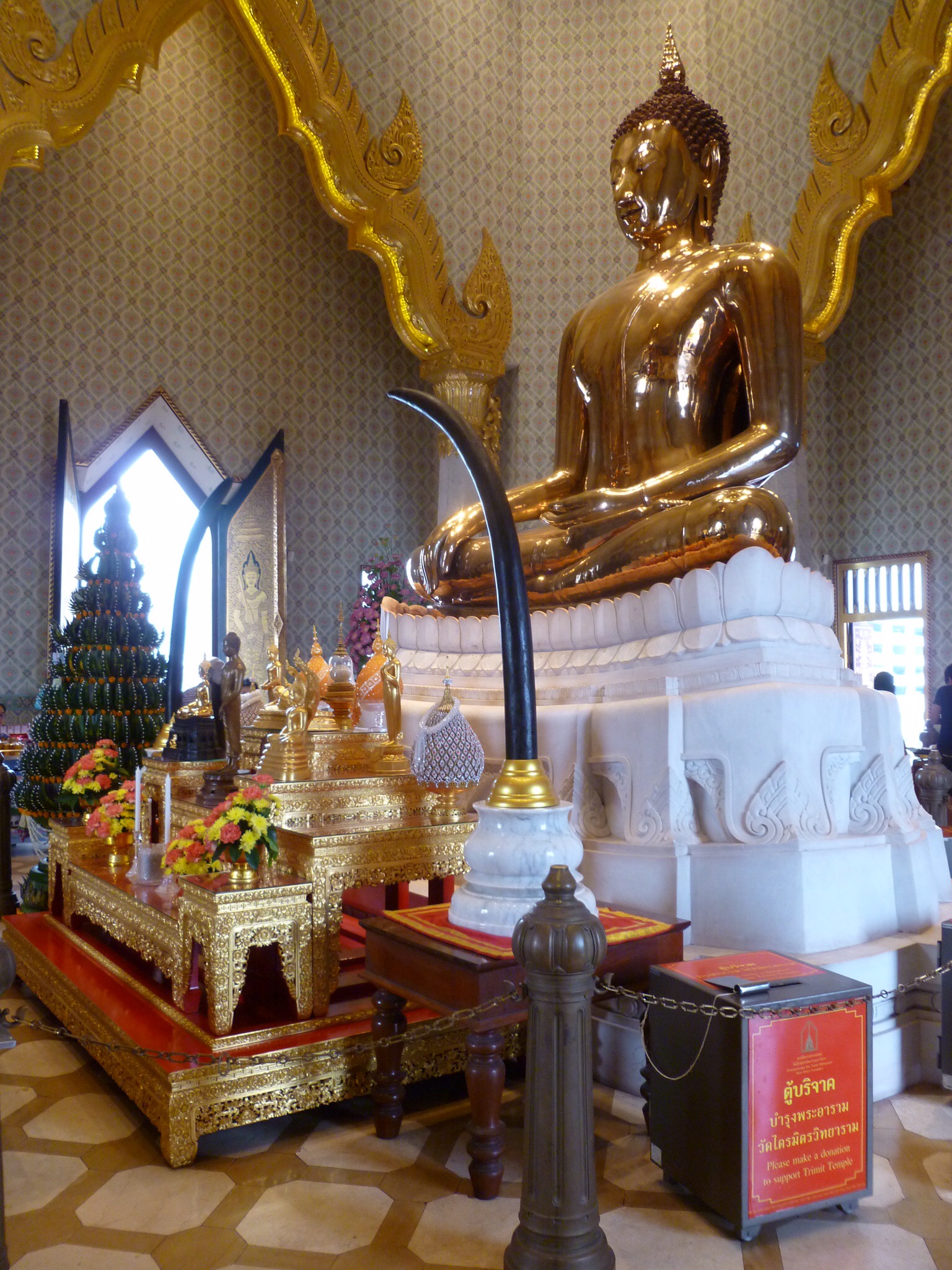
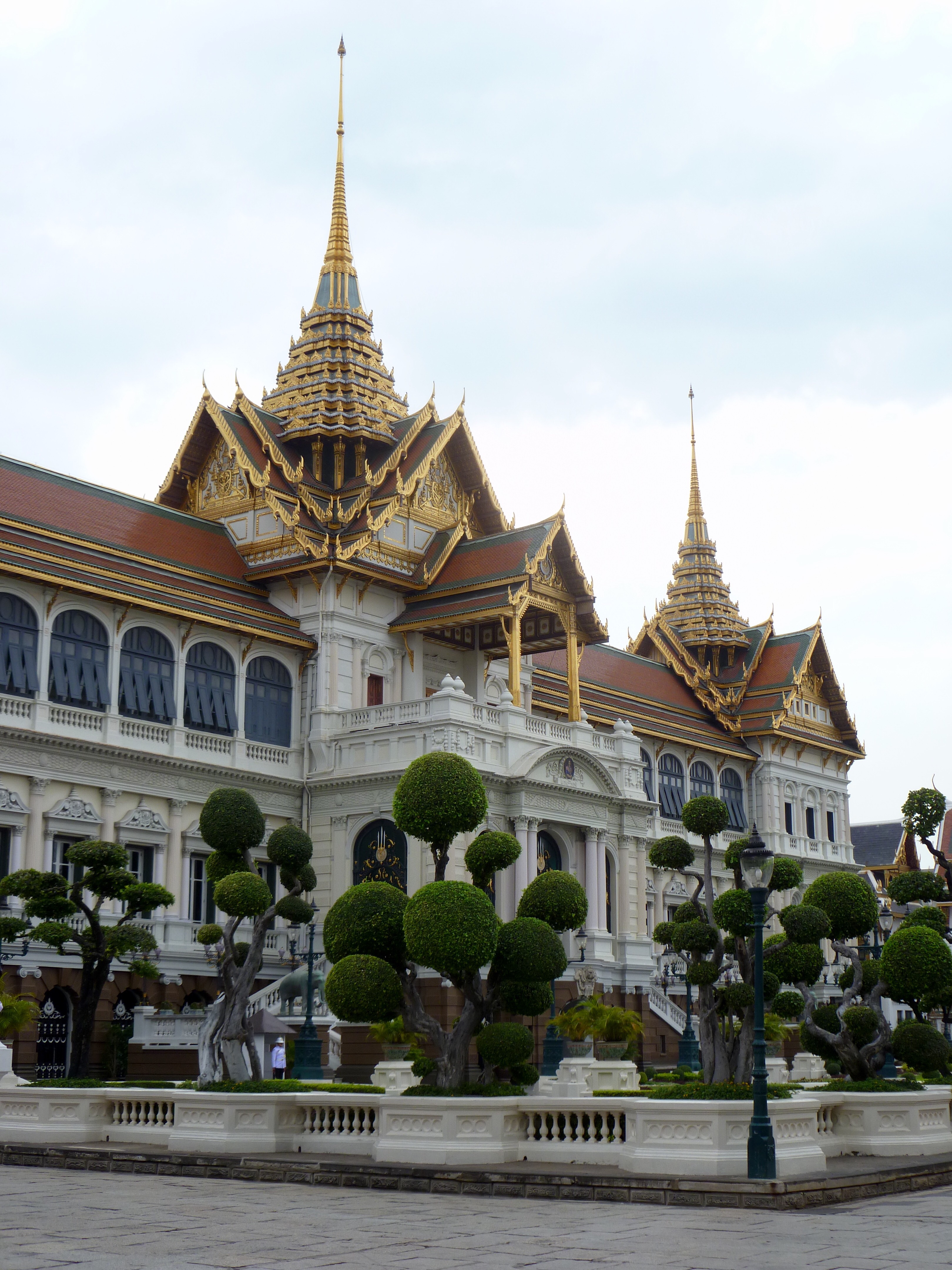
After breakfast the following morning, we took the MRT to Hua Lamphong and walked back to Chinatown to visit Wat Traimit, home of the Golden Buddha. The temple and the Buddha are really impressive, but the history of the Buddha statue is what makes it so remarkable. In 1955, the statue was dropped while being repositioned, chipping the plaster surface. Intrigued by what they could see beneath, workers broke off more plaster, revealing the 5.5 ton gold Buddha inside. The next stop on our journey was The Grand Palace, but getting there involved a trip by tourist boat on the Chao Phraya River. The boat journey from Ratchawongse Pier to Tha Maharaj Pier afforded excellent views of riverboats, the modern buildings of the city and the towers of Wat Pho and Wat Arun.

The first thing of we noticed inside the grounds of the Royal Palace was the incredibly long line of Thai mourners, dressed all in black, who had come to pay their respects to their recently deceased monarch, King Bhumibol Adulyadej. We made our way around the beautiful buildings, taking photographs of the statues. Having completed a loop of the grounds, we headed back to the river and took the boat to Phra Arthit Pier. From there we visited Khao San Road. As I had stayed there in 2008, I thought it would be good to show my parents where the backpackers slept. We ate lunch nearby, and had a good look around the many stalls.

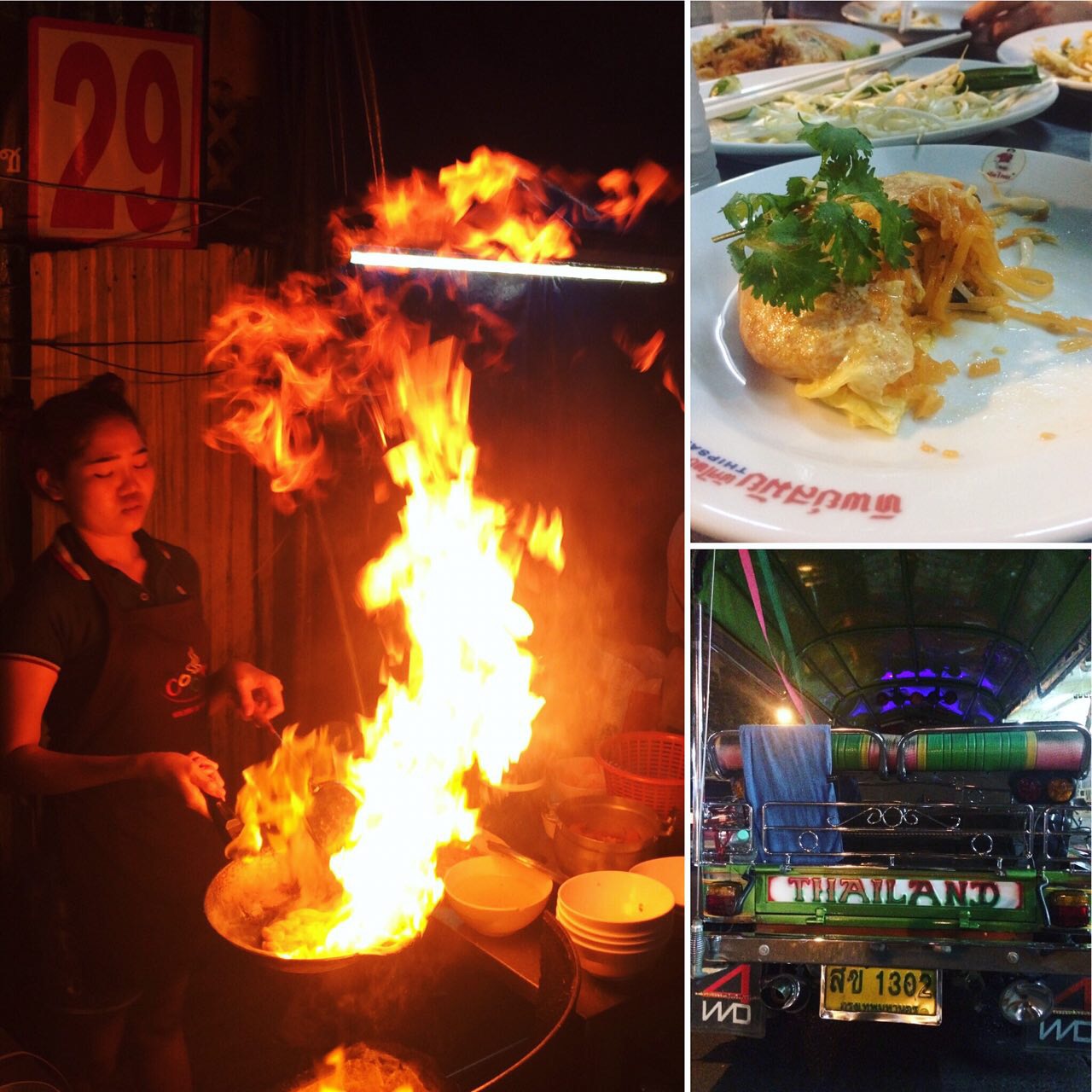
Although tired from our busy day, we were all excited for the Midnight Food Tour by Tuk Tuk (bangkokfoodtours.com) we had booked. We met our guide, TK, and the rest of the tour group at Sam Yan MRT station. In total, there were three food stops, each serving wonderful Thai food. The other stops were at the flower market, a rooftop bar with brilliant views of the city and Wat Pho. Visiting Wat Pho at night was quite a surreal experience, as there was nobody else there. Although the reclining Buddha statue isn’t open at night, it was an excellent opportunity to take in the stupas and other buildings. In contrast to the motorbike-pulled remorques of Cambodia, the tuk tuks in Bangkok are powerful and rather fast. The drivers on the tour clearly enjoyed demonstrating their driving skills, and the highlight of the night was them racing each other from restaurant to restaurant, and finally back to the hotel.


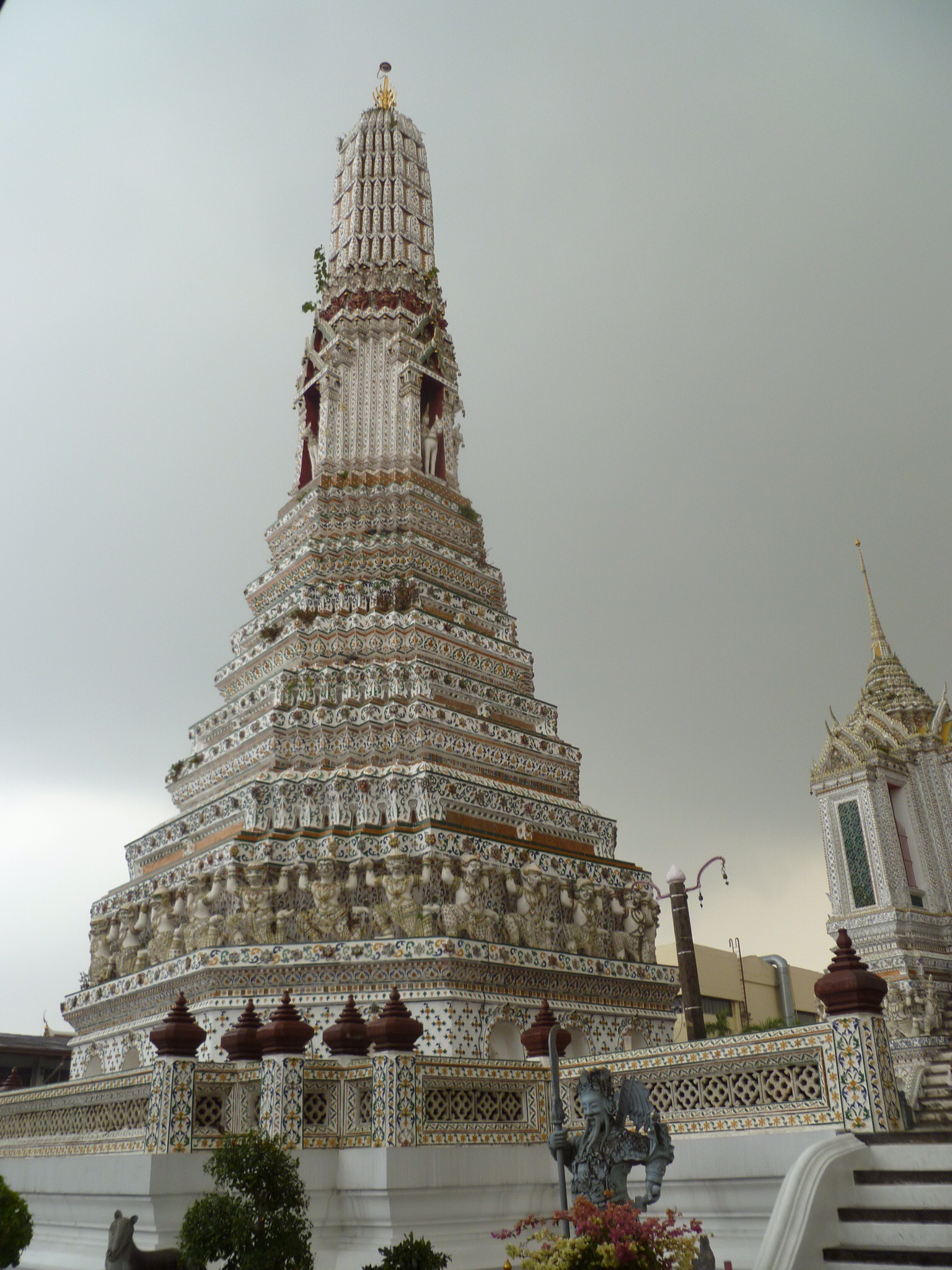
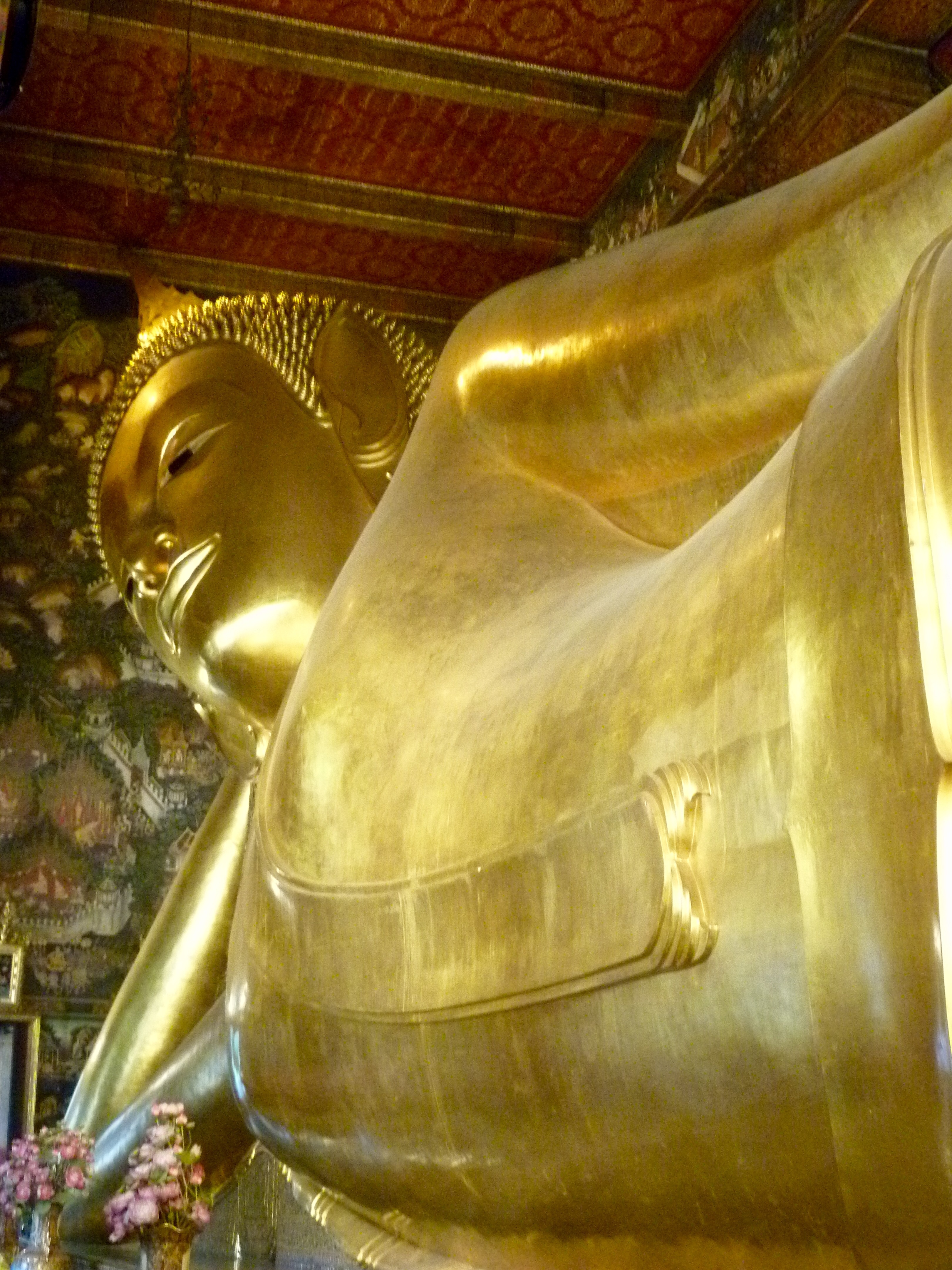
The next day was mine and Fionnuala’s last in Bangkok, as that evening we took a train to Surat Thani, on our way to Ko Samui. After a big breakfast in the hotel, the four of us repeated our trip to Ratchawongse Pier and took a boat to Wat Arun. By the time we arrived, a light rain shower had become a heavy downpour, causing all tourists to shelter under the temple’s canopies. In the lighter periods of rain, we walked around the 76 metre high central tower and its many decorative features. After a short wait, we took a boat back across the river to Wat Pho. Having visited the previous night, we headed straight to the Ordination Hall, where the 46 metre long Reclining Buddha is housed. Getting a good photo of the Buddha isn’t easy, as the building isn’t much bigger than the statue, but we gave it a good try.

That night Fionnuala and I boarded a train heading south. There was no need for long goodbyes, though, as we would see my parents again the following day on Ko Samui.

G

Christmas: Sihanoukville and Koh Rong Samloem

Our main reason for visiting Sihanoukville was to get to Koh Rong Somloem, where we had booked a beach bungalow for Christmas. Our journey from Phnom Penh started terribly, as we had misunderstood that 07:30 on our bus ticket actually meant 06:30. On this occasion, it really was important to read the small print. Anyway, only a few hours behind schedule, we arrived in Sihanoukville. Once there, we settled into holiday mode. We swam in the pool, ran in the evening sun, spent a day at the beach and acquired a penchant for mango (Fionnuala) and banana (Graham) shakes. Our accommodation was only five minutes from Serendipity Beach, which was an excellent location.


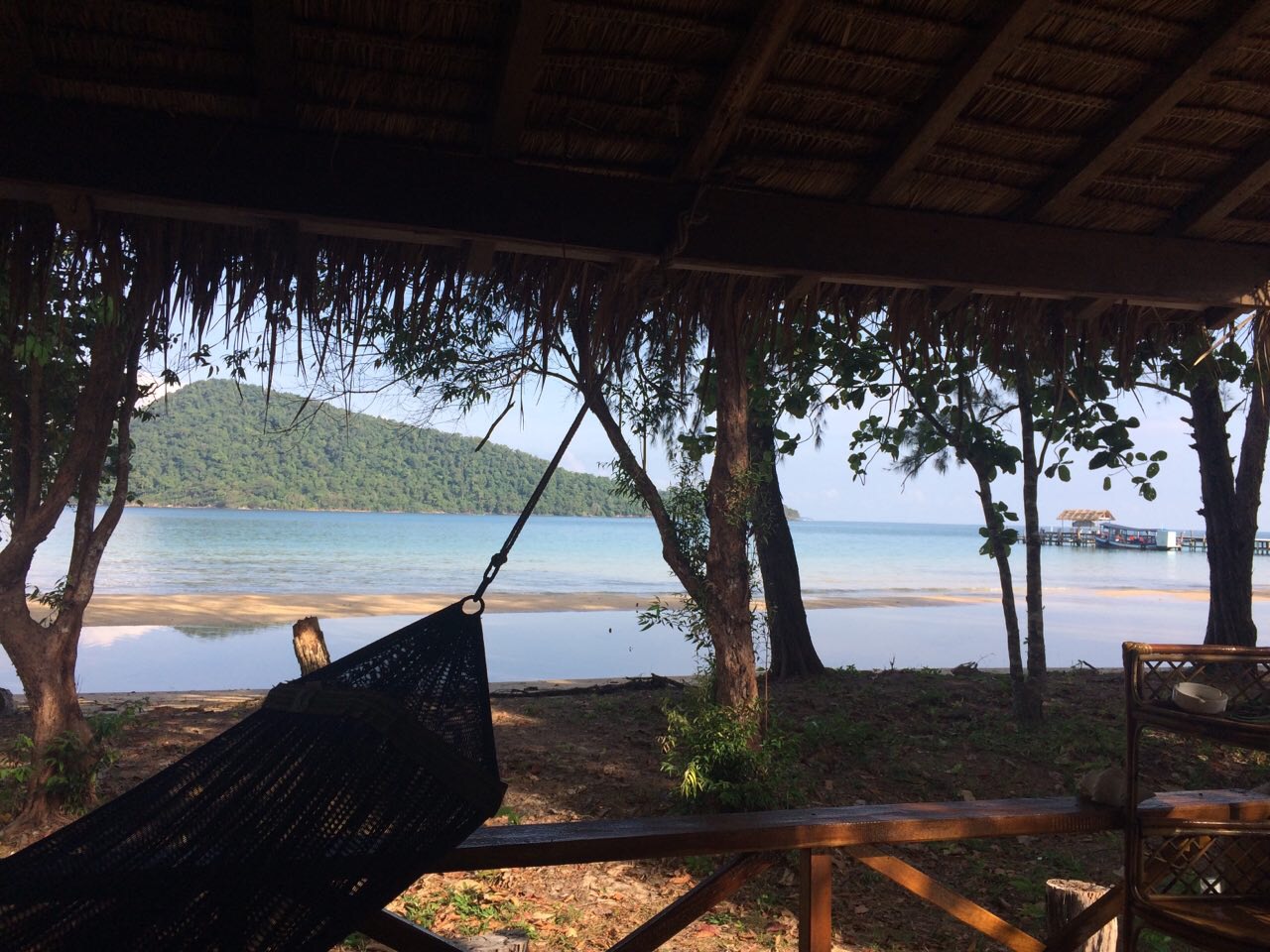
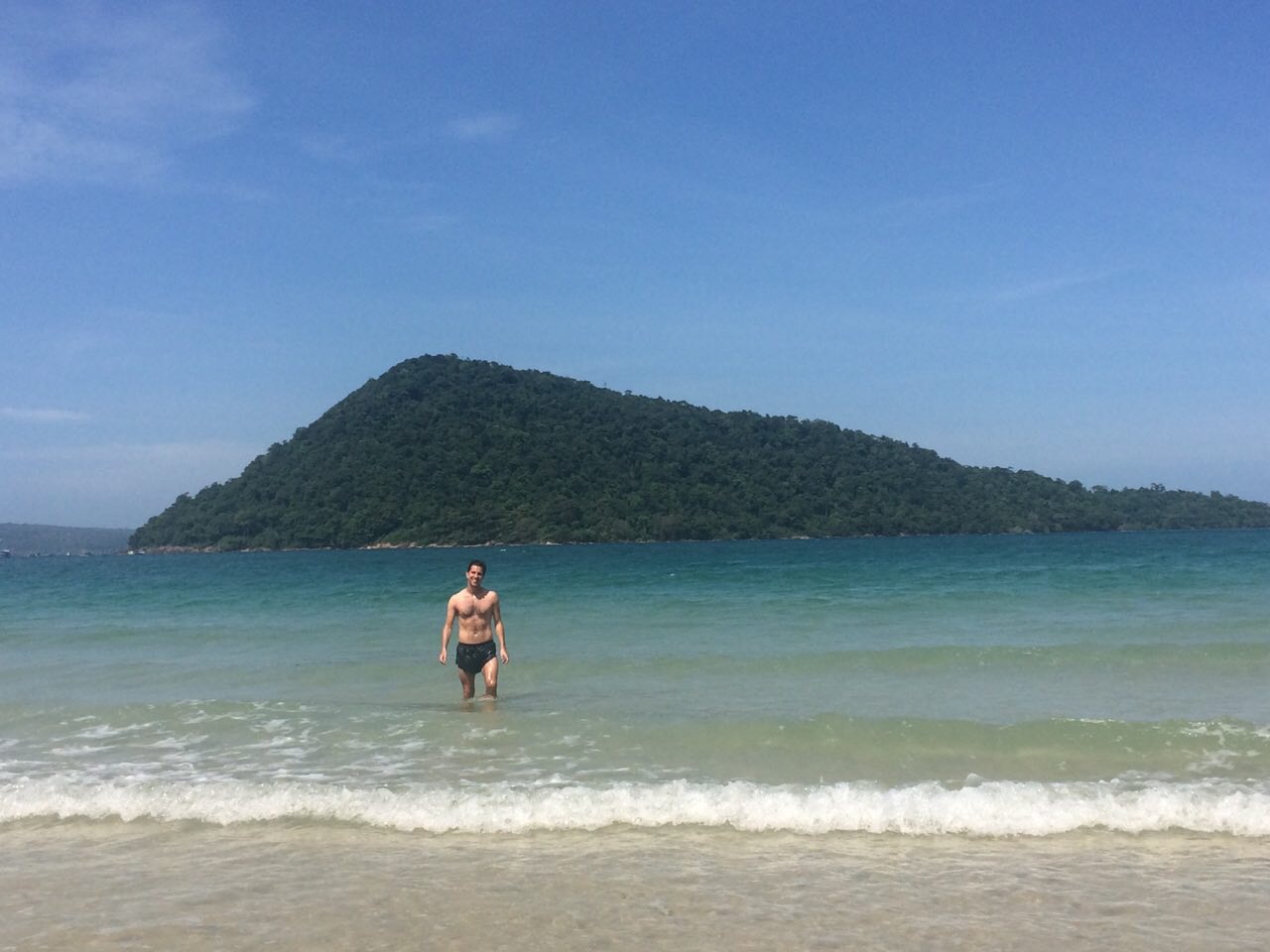
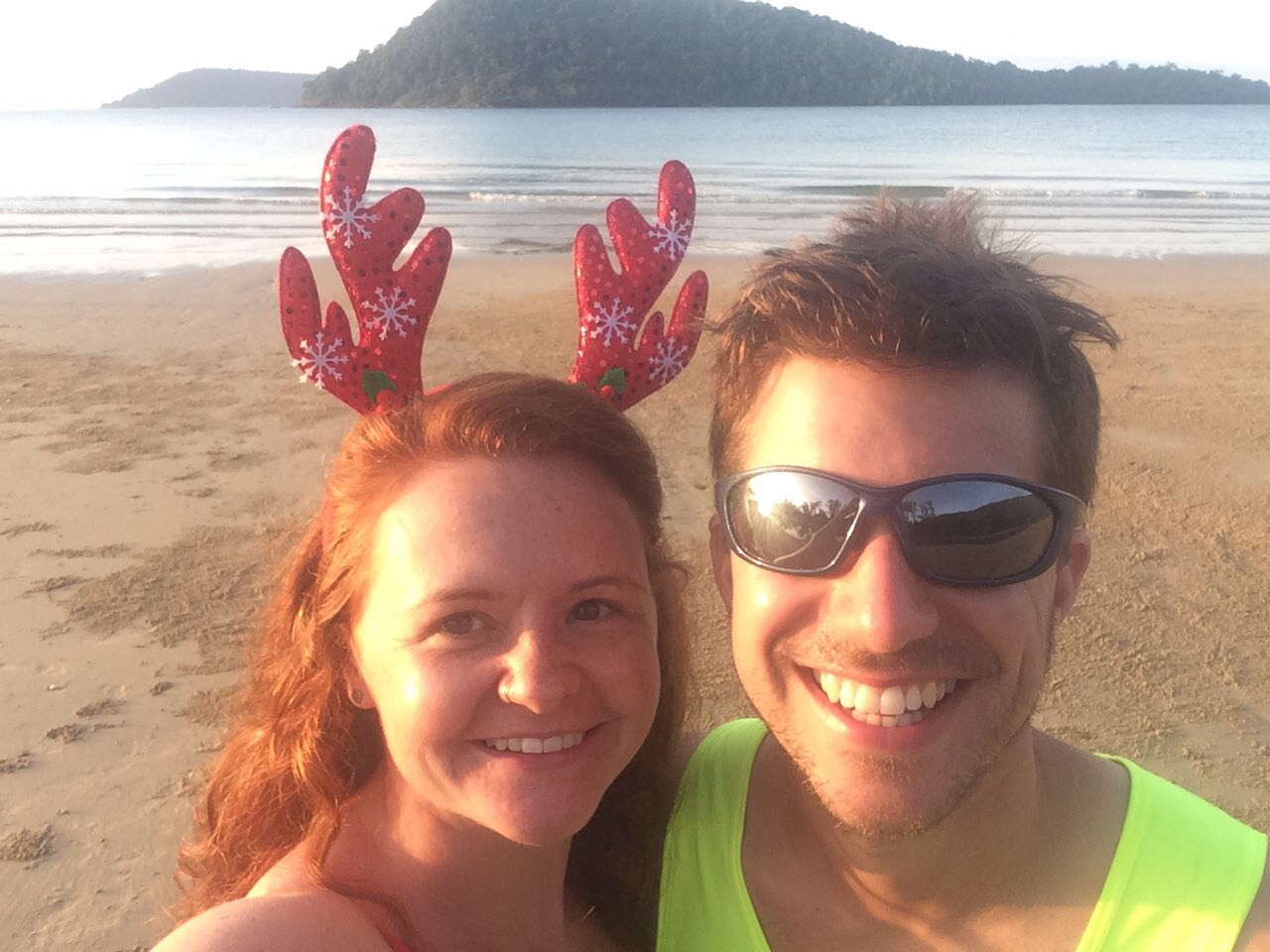
On the day we left Sihanoukville for Koh Rong Samloem, we collected our laundry, checked that our Cambodian SIM cards worked and made sure we had enough cash for a week without card payments or ATMs. We boarded the afternoon Speed Ferry Cambodia, and an hour later we reached our destination. Our accommodation on the island was at EcoSea Bungalows. The bungalow itself was basic, but the view of the sea and the nearby island of Koh Koun was stunning.


Our time on Koh Rong Samloem was spent swimming in the sea, sleeping on the beach , lying in the hammocks on our veranda and reading the pile of books we had gathered for our Christmas getaway. The restaurant at EcoSea was good, and we ate there several times. When we wanted a change, we walked fifteen minutes along the beach to M’Pay Bay, a village including a mix of Cambodian and Western bars and restaurants. Our favourite restaurant was called Queen Touch, which seemed to be run by a 14 year old Cambodian boy who spoke excellent English, entertained customers and even took part in local fire shows. On Christmas Eve, EcoSea held a Christmas barbecue. The food was really good, and the ‘free flow’ sangria wasn’t bad either.

After seven nights on Koh Rong Samloem, it was time to leave. On the morning of our departure, the waves were the biggest we had seen them and the ferry was running late. We waited on the wooden pier for the ferry to arrive, wondering how we we going to get onboard if it rocked like the nearby dive boats. The ferry crew threw ropes around the large post at the end of the pier, but the post gave way and the ferry drifted away. By this point, several people had alighted the ferry without their luggage, one rucksack had been removed from the boat without its owner, and Alin, EcoSea’s manager, was standing in the doorway of the ferry looking back at the pier he had stood on a minute earlier. We just stood and watched.

The remaining ferry passengers, luggage and Alin were dropped off in M’Pay Bay, from where they could walk back to EcoSea. We had to wait around for the afternoon ferry back to Sihanoukville, but there are worse places to be stranded. Back in Sihanoukville, we had a day and a half to reacquaint ourselves with WiFi, roads and hot showers before we set off for New Year in Siem Reap.

G

Mekong Delta Tour

We didn’t want to fly from Ho Chi Minh City to Phnom Penh, so looked into the possibility of travelling along the Mekong by boat. We found a three day tour of Vietnam’s Mekong Delta, which ended with a four hour boat journey from Chau Doc to Phnom Penh.

We boarded the tour bus early in the morning, and started our journey down the national highway, while our guide, Duc, explained the plan for the rest of the day. After one stop to use the “happy room”, which seems to be the preferred term for toilet in Vietnam, we stopped suddenly by the Mekong and were led to a boat. The boat trip took us to An Khanh, where we sampled fresh fruits and honey tea. As we ate and drank, a traditional Vietnamese folk band played. They were great, and even finished with a rendition of Auld Lang Syne. Our next stop was for lunch, in an orchard garden on Tortoise Islet. The food was good and the lunch break gave us a chance to get to know some of the other people on the tour.


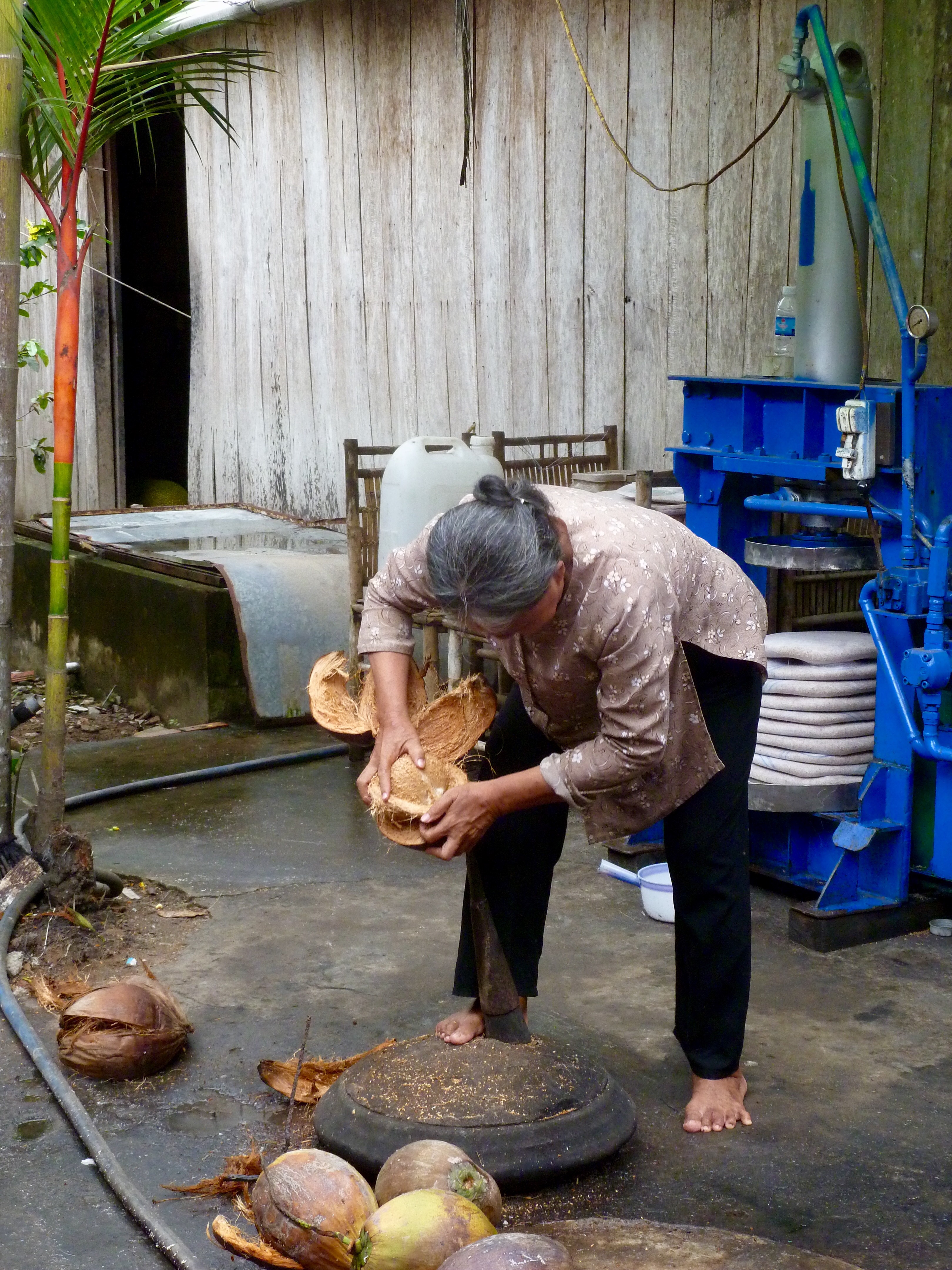
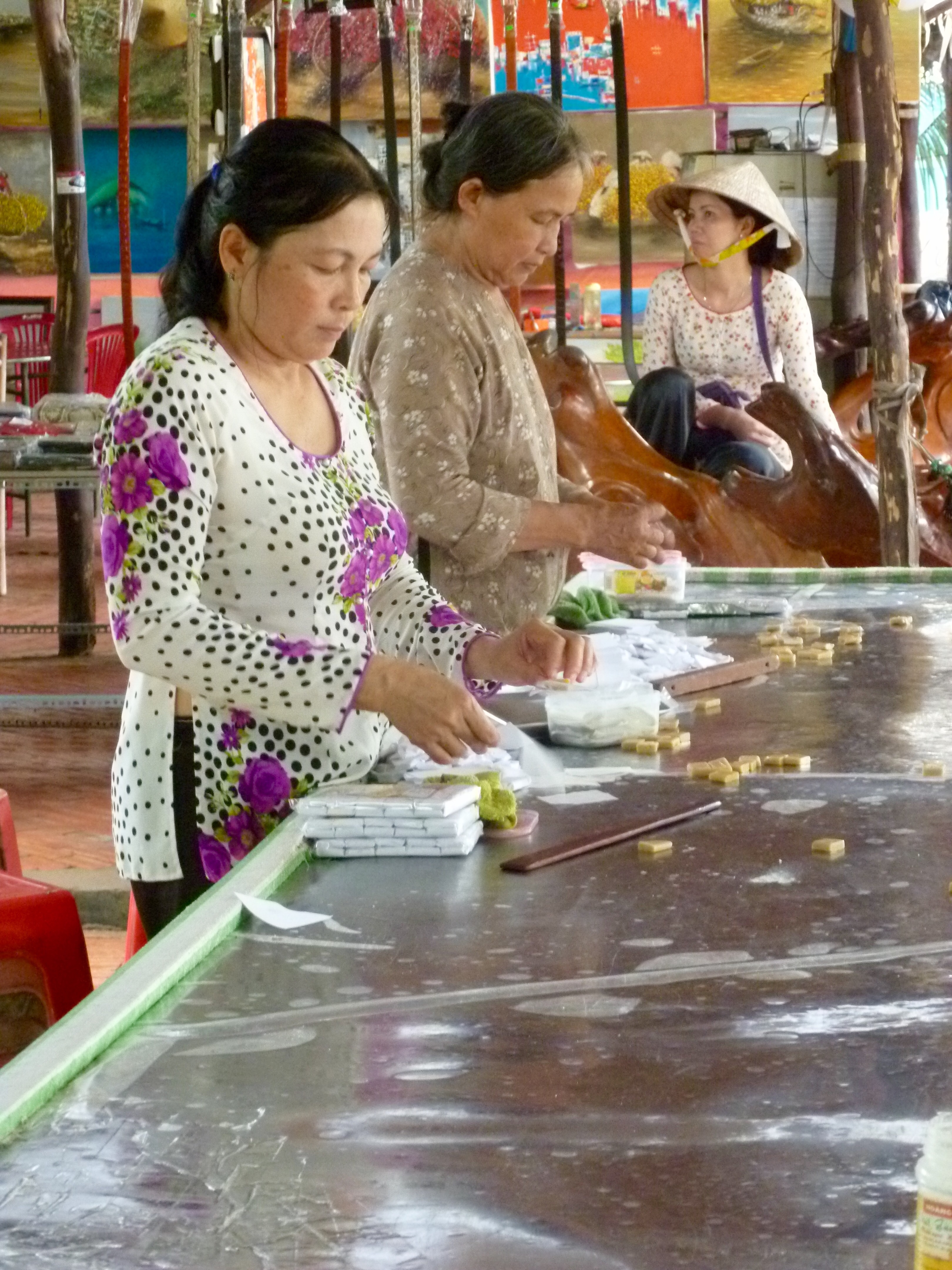
Our third stop of the day was at a family-run coconut business. They made loads of products from coconut, and we had the opportunity to see how they made ‘coconut candy’. It looked so good that we bought a (large) packet. It was amazing to hear how every single part of a coconut is used in some way; nothing is wasted. A few hours on the bus followed, and we spent the night in Can Tho. There wasn’t a great deal to see there, but the colourful riverside lights and oversized statue of Ho Chi Minh were worth a visit.


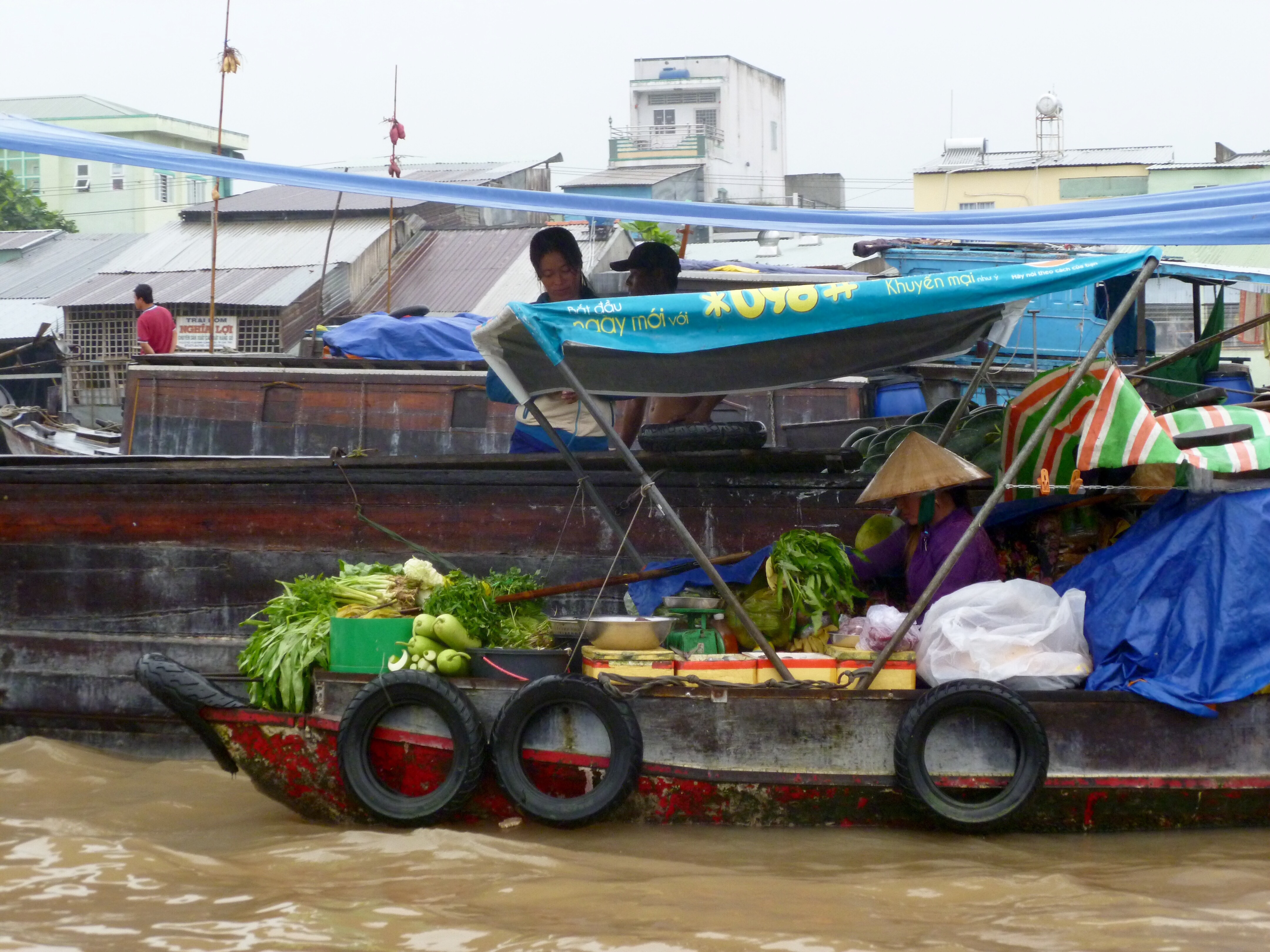
After a 6am breakfast, the second day of the tour began in torrential rain. We waded down the flooded streets to the riverside and boarded a boat that took us along the tributaries of the Lower Mekong. Our destination was Cai Rang floating market, where around one hundred boats sold fresh fruit & vegetables to local traders and hot tea & coffee to spectating tourists. After the market, the boat journeyed to a small dock, where we drank extremely strong Vietnamese coffee and watched vermicelli being made. Next up we all rented bikes and cycled to a bamboo ‘monkey’ bridge, which we took turns in crossing. Fortunately, nobody fell in! The rain had stopped by this point, and cycling on the muddy paths was fun.


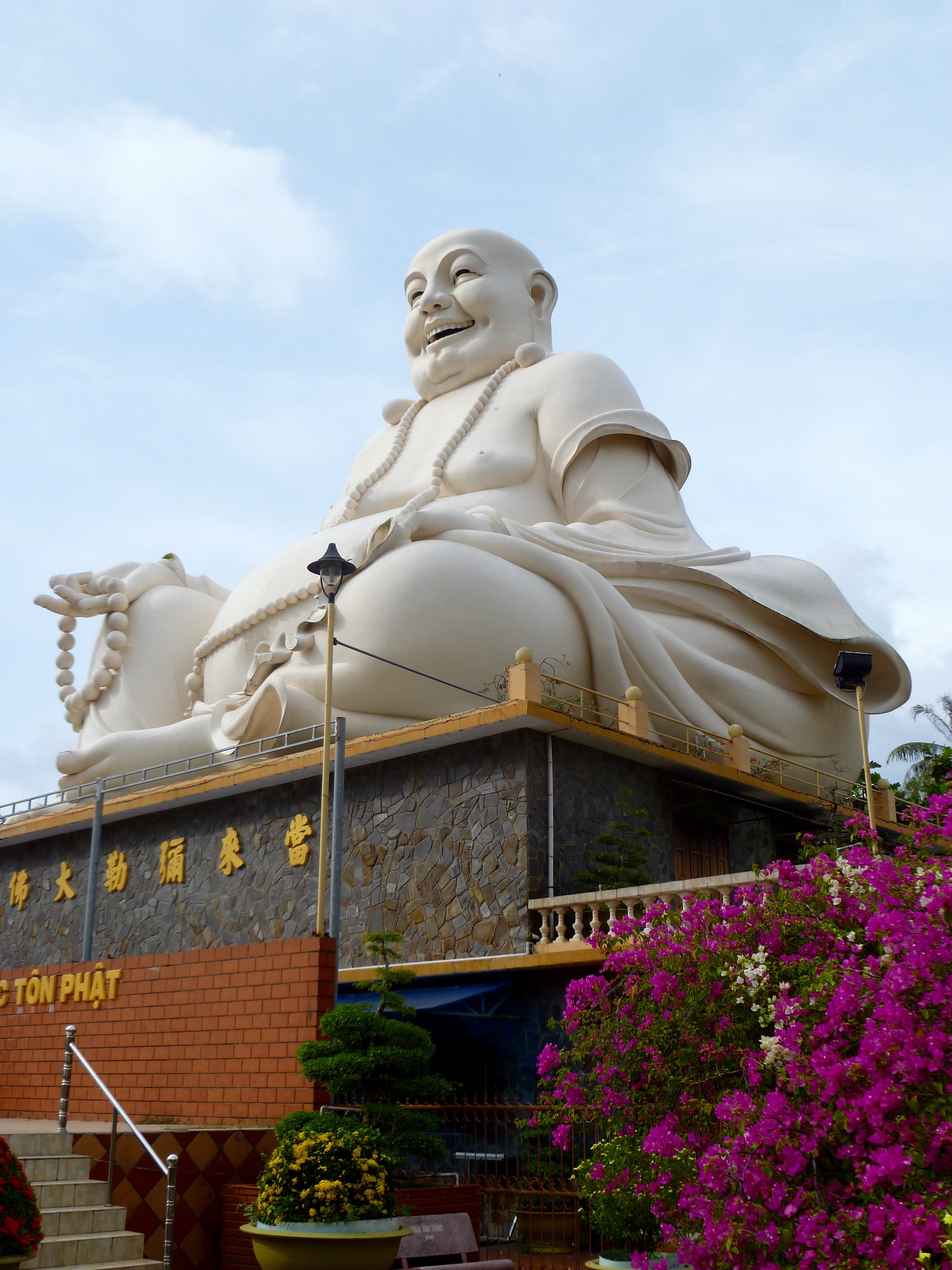
Once back at Can Tho, we got on the bus for the 120km journey to Chau Doc. At this point, we said goodbye to some of our tour group, as they were on a two day tour ending in Ho Chi Minh City. Nearing Chau Doc, we stopped at an impressive Pagoda, outside of which were three large Buddha statues. As we departed, rain began to fall again. We saw a lot of rain in Vietnam, and none was heavier than this. Upon arrival at the entrance to Tra Su Cajuput forrest, we voted on whether the planned visit to the wild bird sanctuary would go ahead. I’m so pleased it did, as it was the highlight of the whole tour. A motorboat took us through a river of water lilies, before we swapped to a hand-rowed boat which navigated small canals amongst the mangrove forest. Along the way we were lucky enough to see several storks. As the motorboat took us back to the bus, the rain stopped and the sun reappeared. Typical!

That evening, Duc took everyone on the tour to a local restaurant. Wanting an authentic experience, we let Duc order. Like all Vietnamese food we’ve tried, it was excellent. With another early morning ahead of us, after dinner, we went straight to bed.

We sleepwalked our way to a small boat at Chau Doc to start day three. The boat took us to a fish farm, where Duc showed us how the fish are fed. He also explained that families build homes on the river if they can’t afford land in the cities, and also that a fish farm only lasts several years, after which the family running it has to move. The boat then continued to a Cham minority village, where we quickly browsed scarves and other souvenirs made there. Some people spent longer looking around the village as their tour ended back in Ho Chi Minh City, but we had to leave to catch a boat to Phnom Penh. We climbed from one boat to the other in the middle of the Mekong, and were on our way to Cambodia.

G

Bridges and Bikes in Danang

After a sunny Friday morning in Hoi An, we were driven to Danang. It’s a short journey, so it wasn’t long until we arrived at our hotel. Taking advantage of the good weather, we started walking to the beach. Having not eaten since breakfast, we stopped at the first restaurant that looked like it was serving food. Choosing what to eat was easy as they only served one dish, which was cold noodles and veg with what I think was pork.


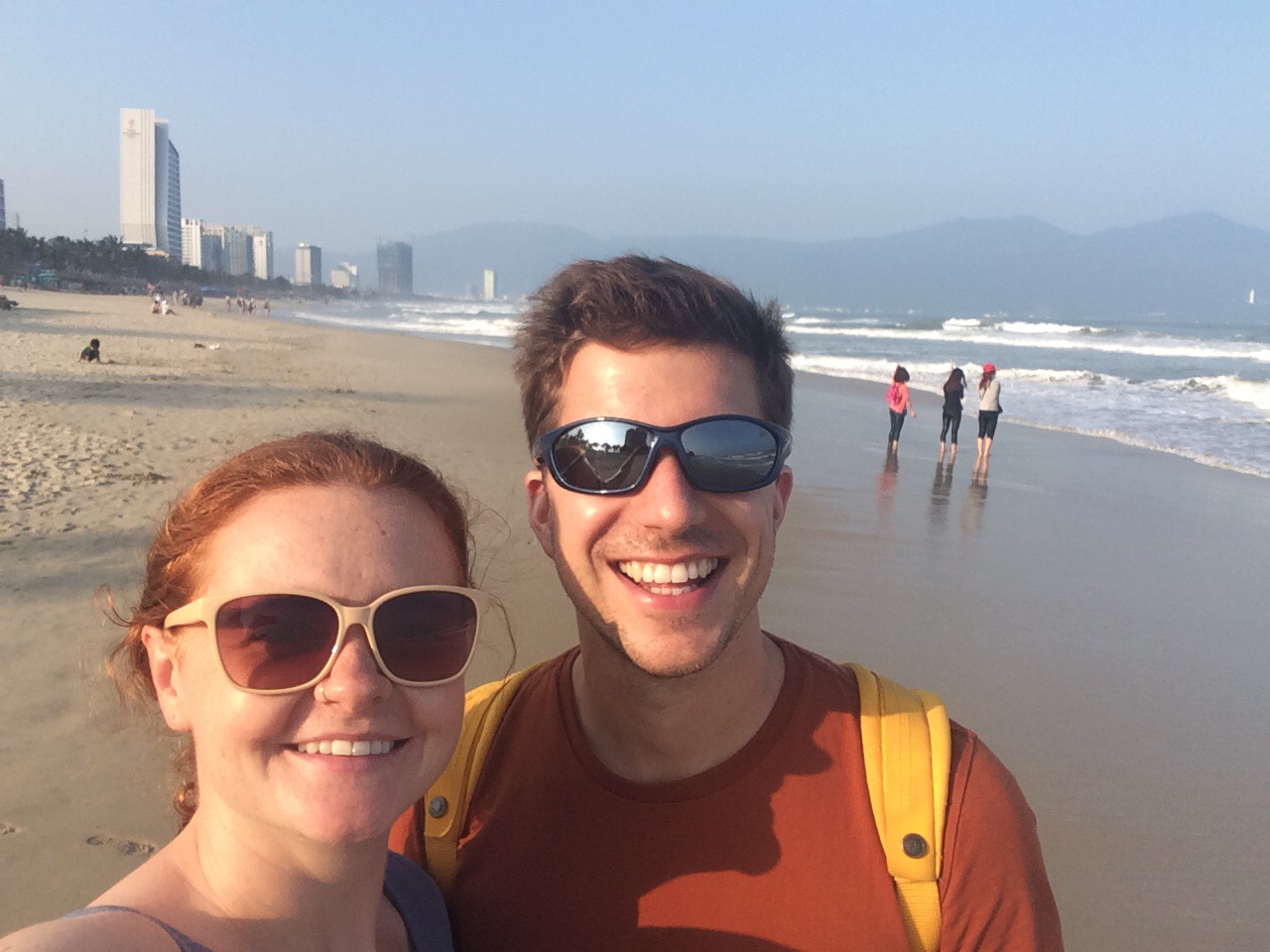
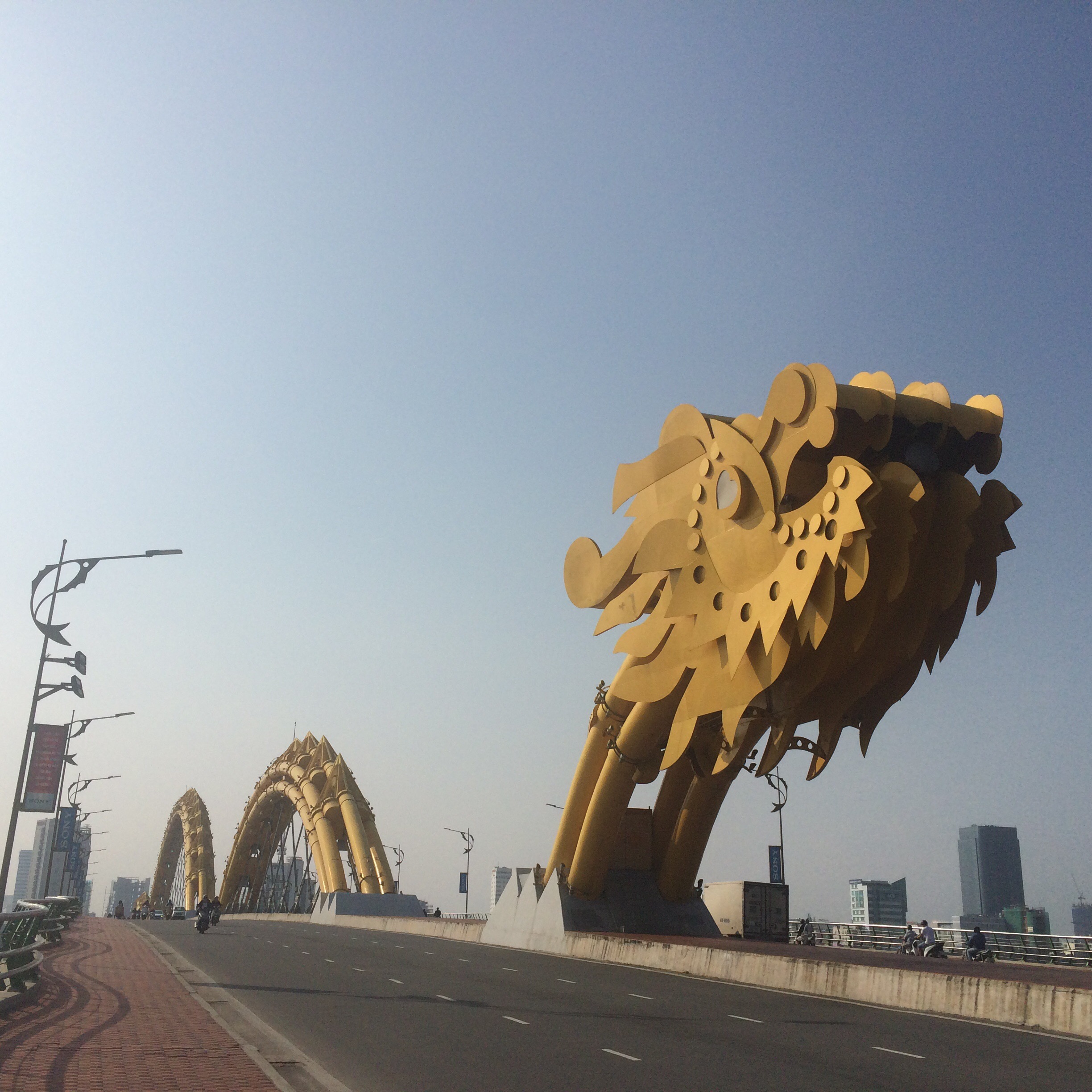
On our way to the beach we crossed over the Dragon Bridge. The bridge is used by motorists and pedestrians, and crosses the River Han. Along the middle of the bridge is a yellow dragon, with a large head at one end and a tail at the other. Later, when we walked back across the Dragon Bridge, the lights on the body of the Dragon were switched on, followed soon after by the multi-coloured lights of the other bridges and buildings around the city. The beach itself is really nice and stretches for miles. We walked along the sand for about an hour, before sitting down to look out to sea.


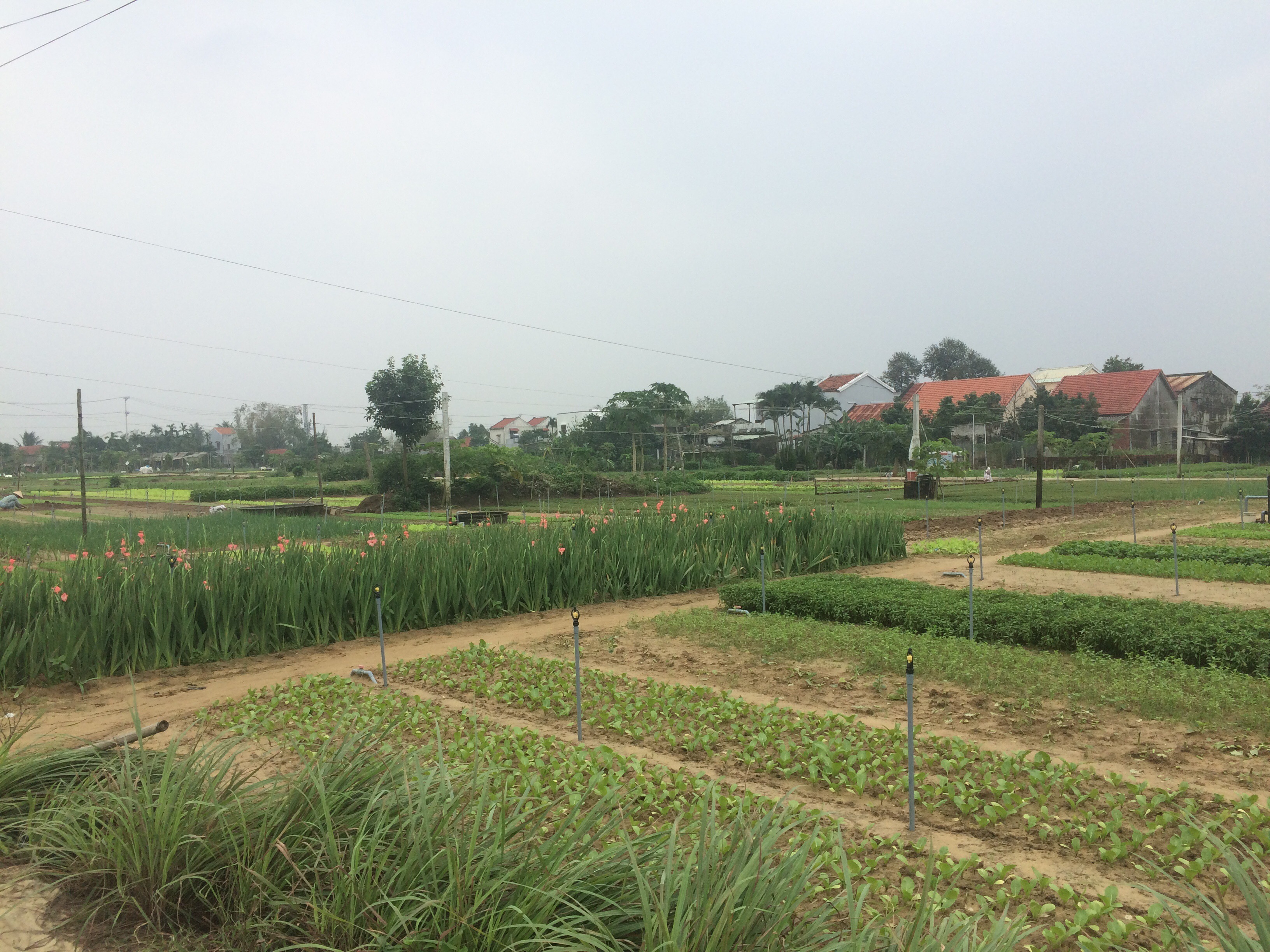
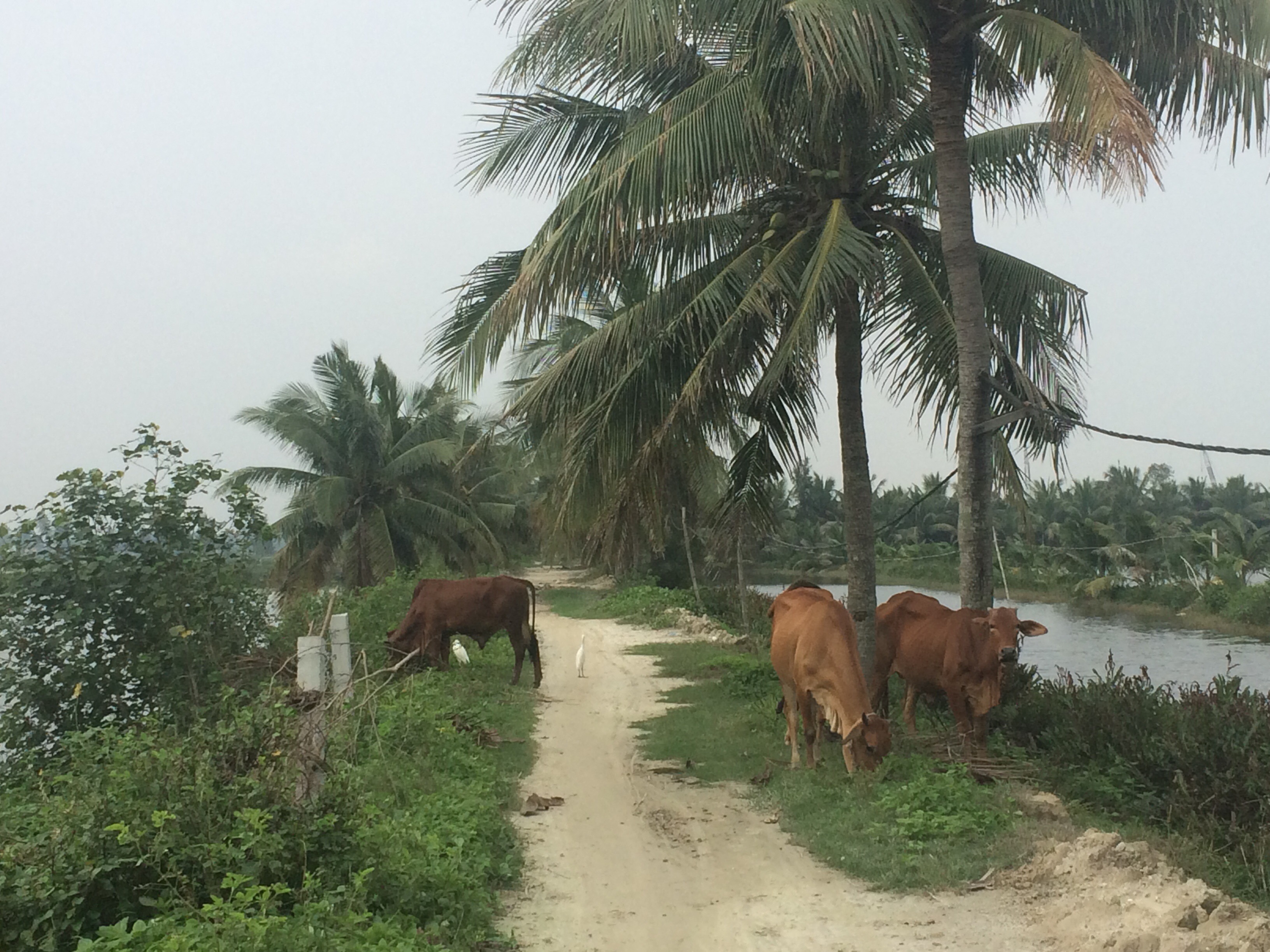
On Saturday morning, we went on a cycling trip run by a company called Path Bikers. We cycled around villages in the area, visiting a herb farm that was 400 years old, observing boat builders who were building a tourist boat, and stopping to take photos of water buffalo, cows, water palms and coconut trees. After a really enjoyable ride, we asked the guide’s recommendation for lunch in Danang. He didn’t just offer a suggestion, but took us to a restaurant and ordered for us. We had pork skewers (nem lui) and rice pancakes (banh xeo), served with peanut (and pig liver – thanks for the info, Fionnuala!) sauce. The food was amazing, and we would never have found the restaurant by ourselves.


After lunch, we walked out of the centre of town and headed north to cross the Thuan Phuoc Bridge. It is the longest suspension bridge in Vietnam (Wikipedia) and provided us with excellent views of Danang and the river. After a walk around the modern Vincom shopping mall, and dinner at a Thai restaurant, we made our way to the train station for our overnight train to Ho Chi Minh City.

G.

From Hué to Hoi An

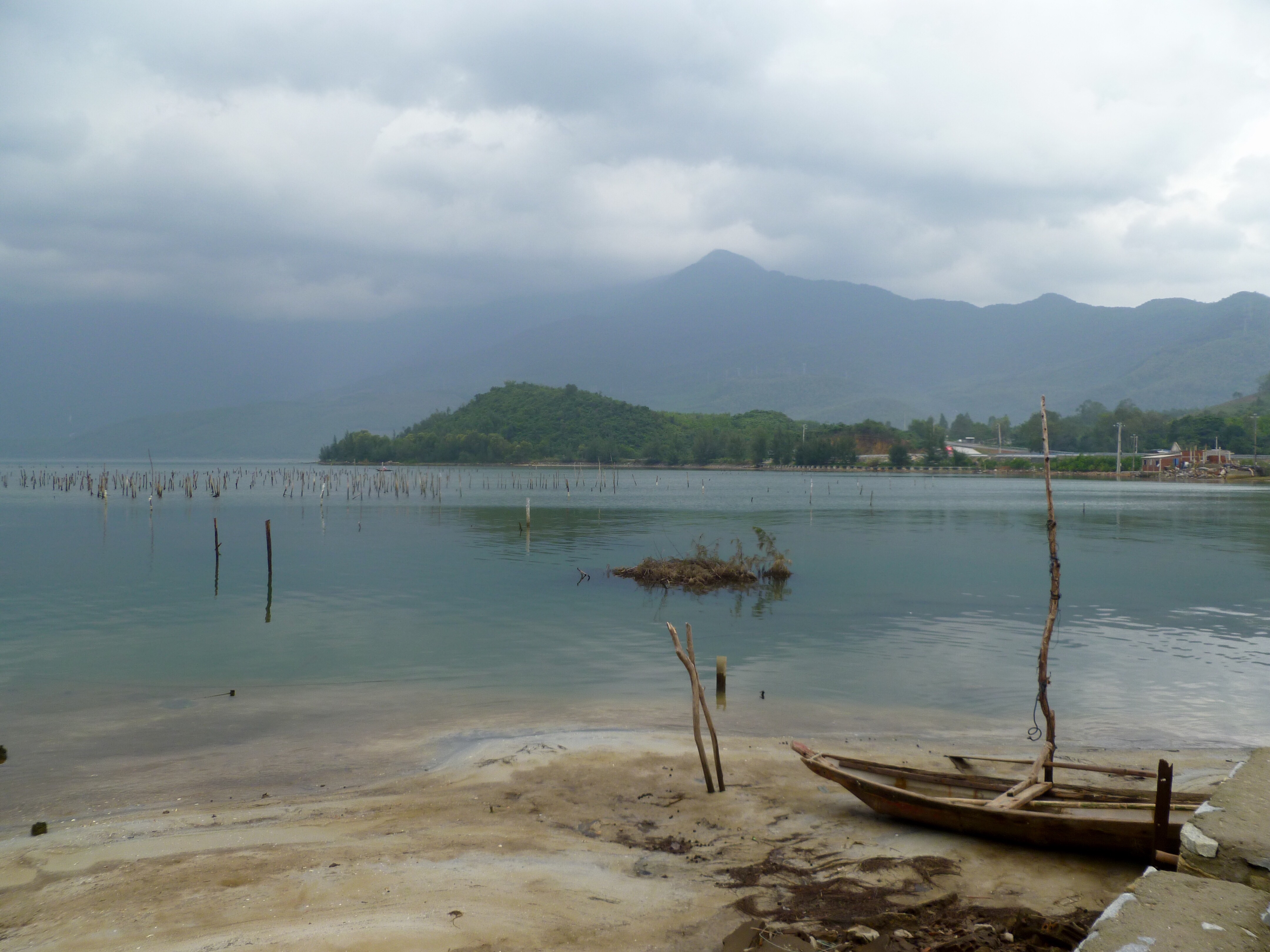
There are a few ways to get from Hué to Hoi An, including coach, private car and minibus. We decided to take the minibus as it stops at various places of interest along the way. We were collected from our hotel at 08:30, and were happy to be on the bus, rather than out in the pouring rain. After about an hour, the rain had stopped, and our first stop was at a place with great views of a lagoon. After a few photographs, we were on our way again.

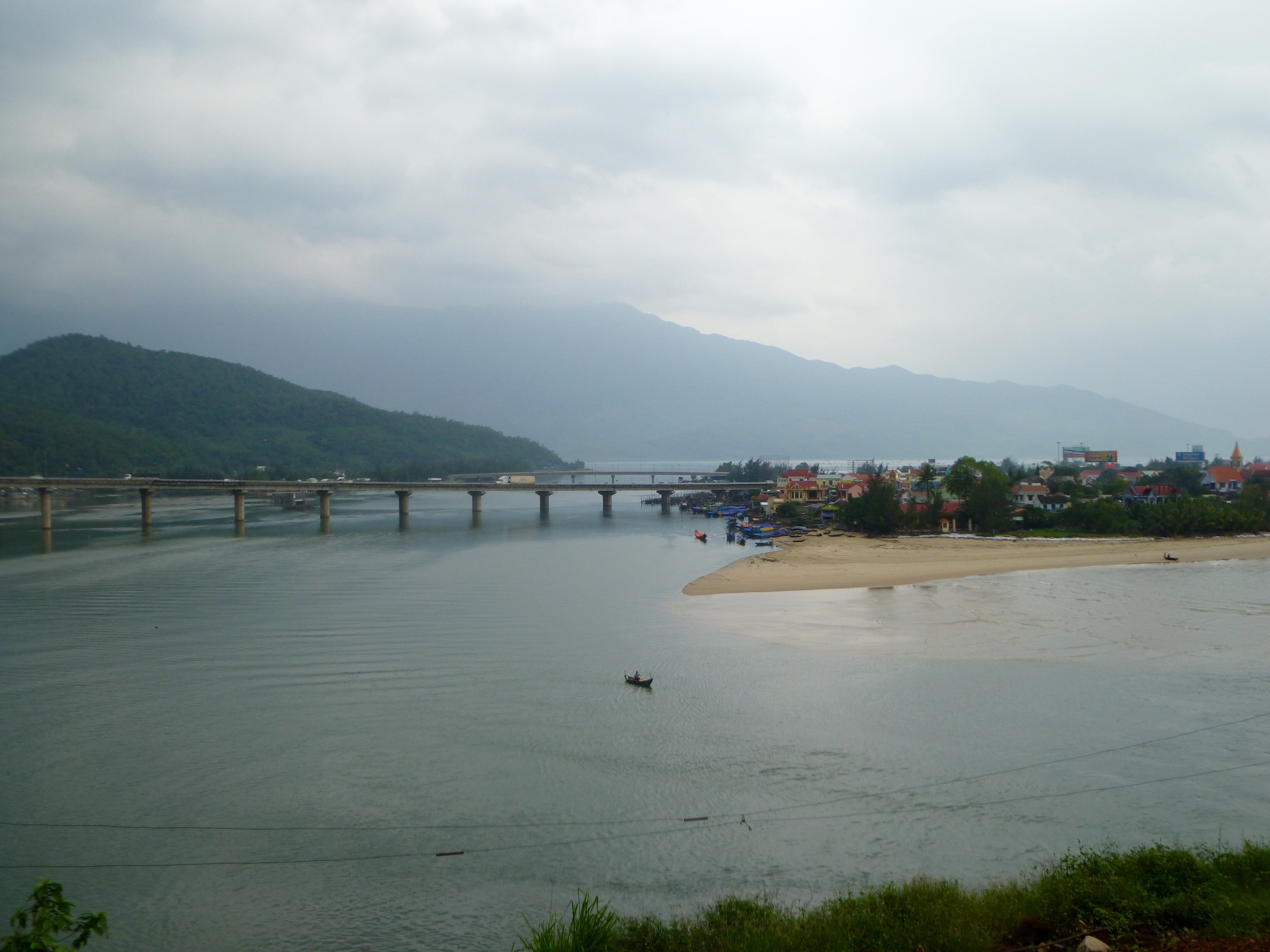
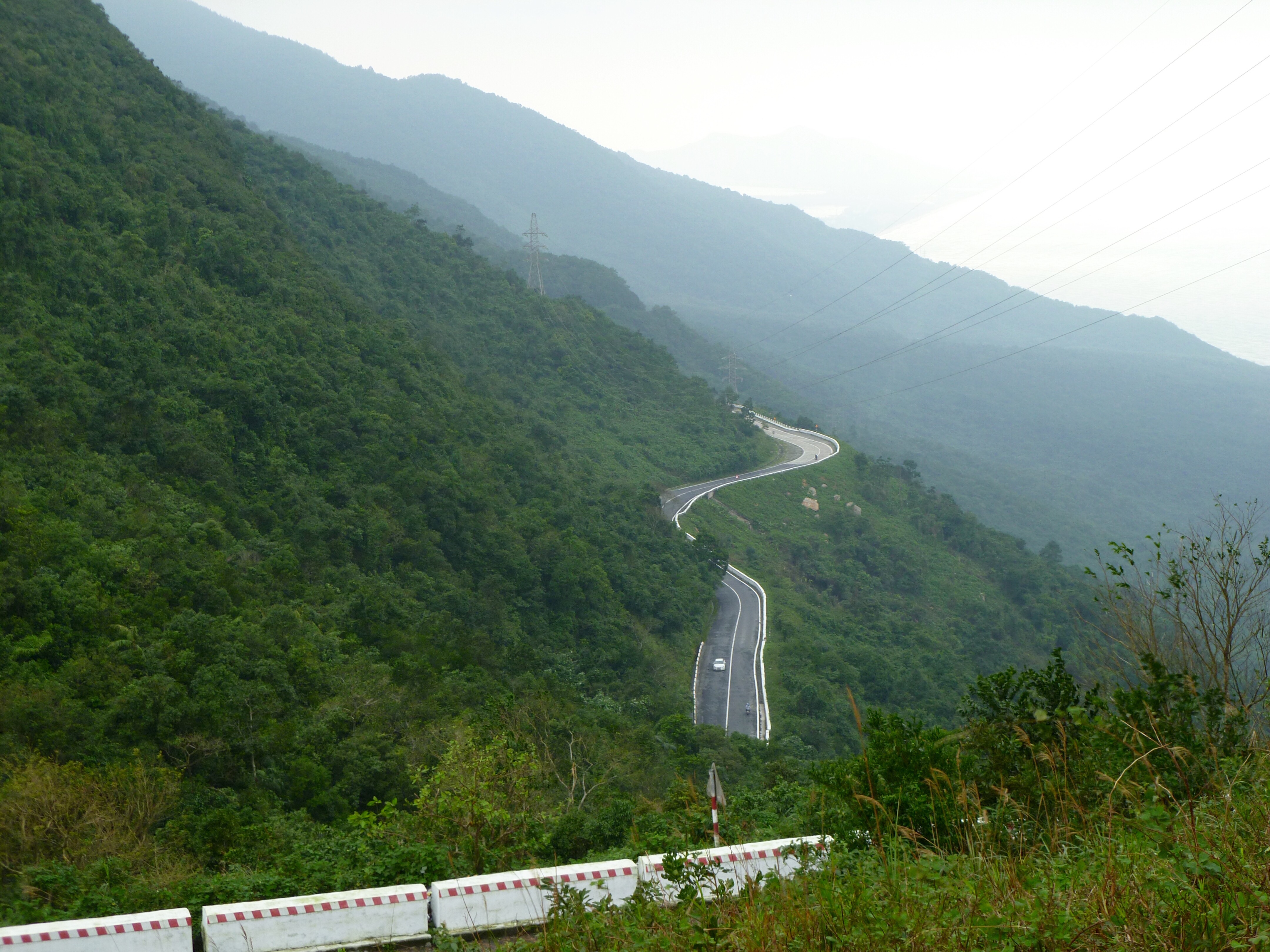
The Hải Vân Pass “traverses a spur of the larger Annamite Range that juts into the South China Sea” (Wikipedia). On our way up, we stopped to take photographs of Lang Co Beach, which several people have told us is the most beautiful beach in Vietnam. On the way to the top of the pass, the guide told us stories of the ghosts of people who have died in accidents while travelling on the pass, and that local people are reluctant to drive there at night due to them. I have no idea whether or not that’s true.

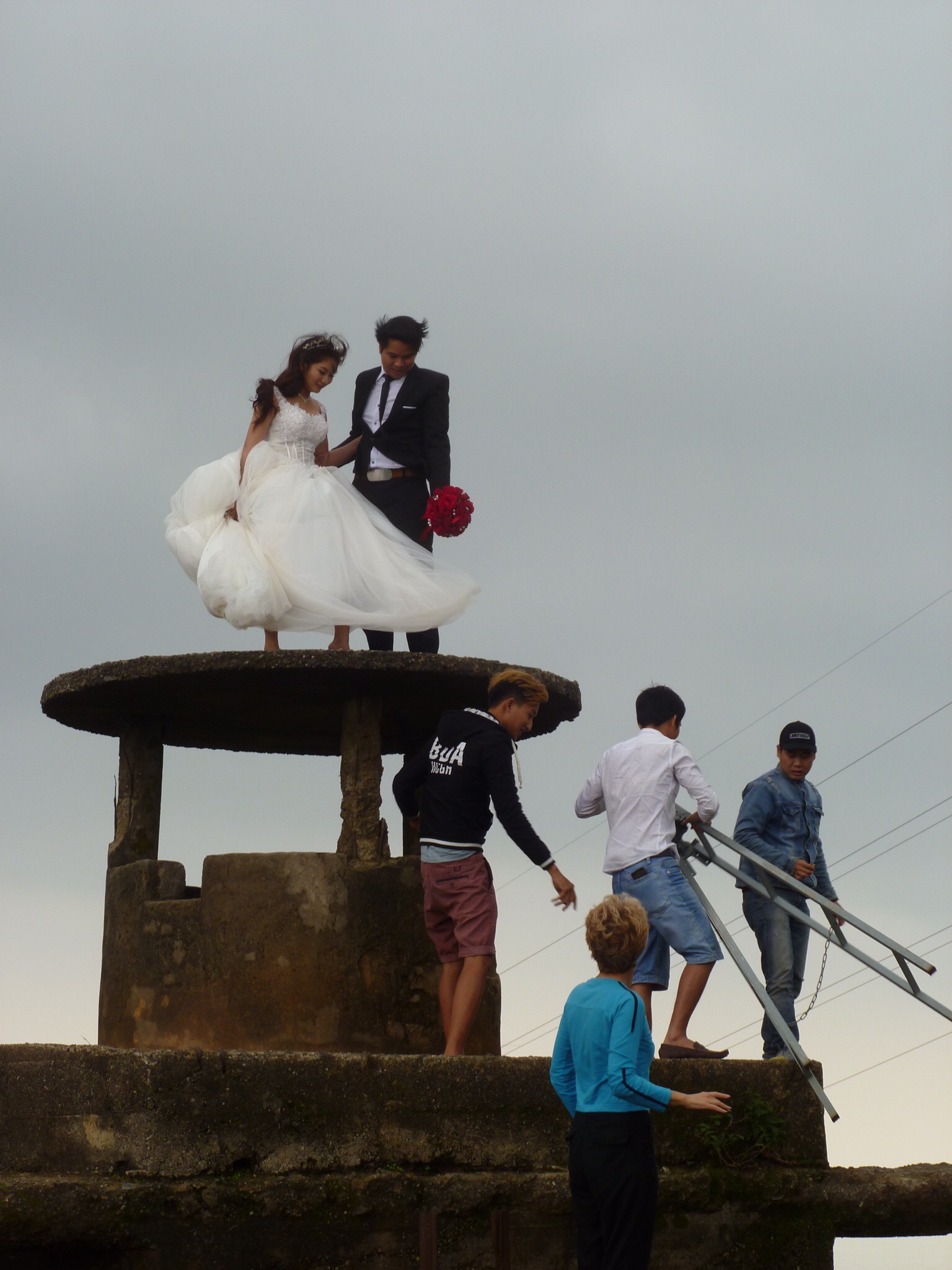
The views from the top of Hải Vân Pass were excellent, and we were lucky that it wasn’t foggy, as it apparently often is. In addition to the scenery, a Vietnamese couple were having wedding photos taken, and they were just about finished when the rain started again. There was also a group of cyclists making their way up to the top, which is definitely something we would like to do in the future.

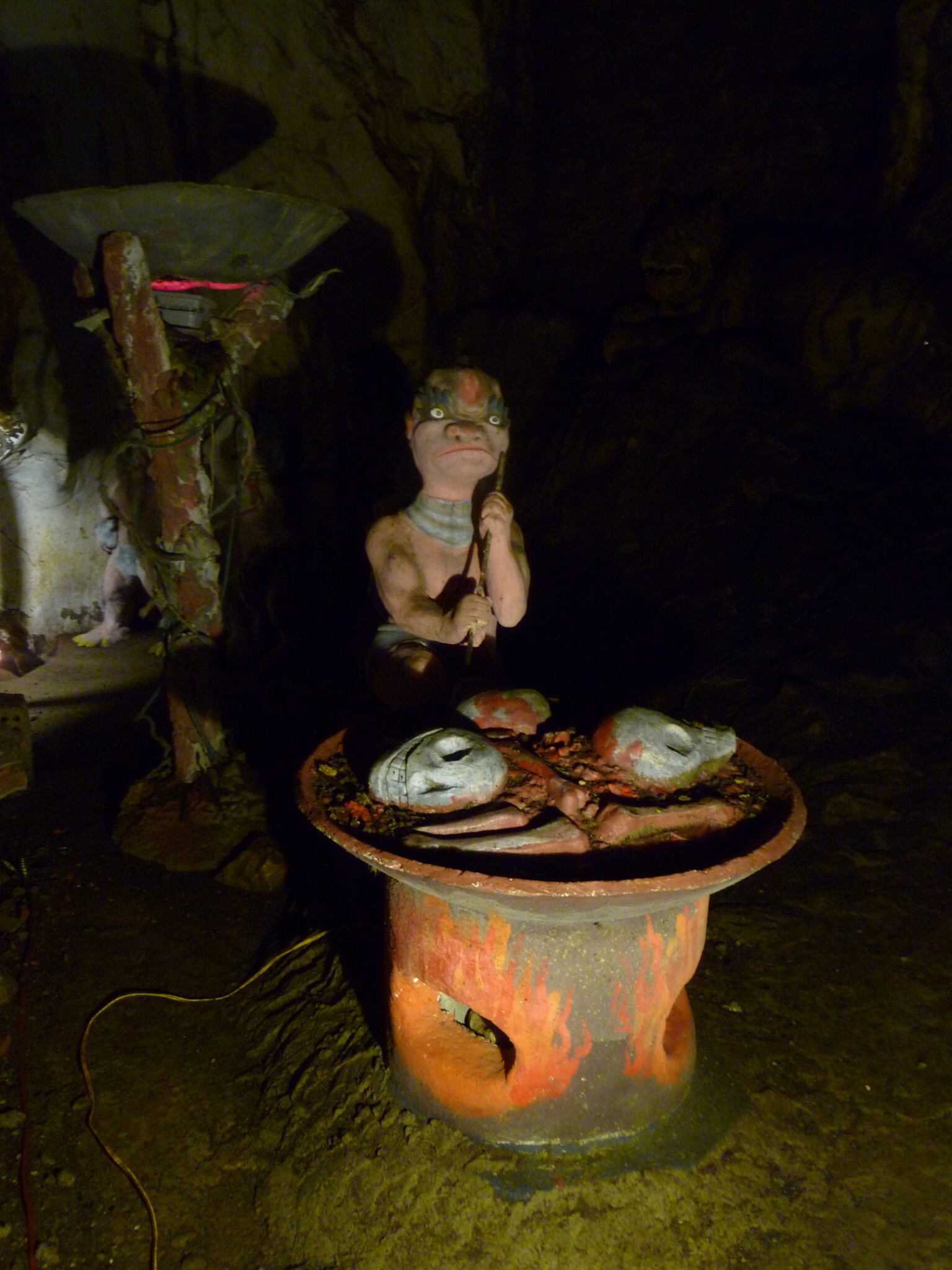
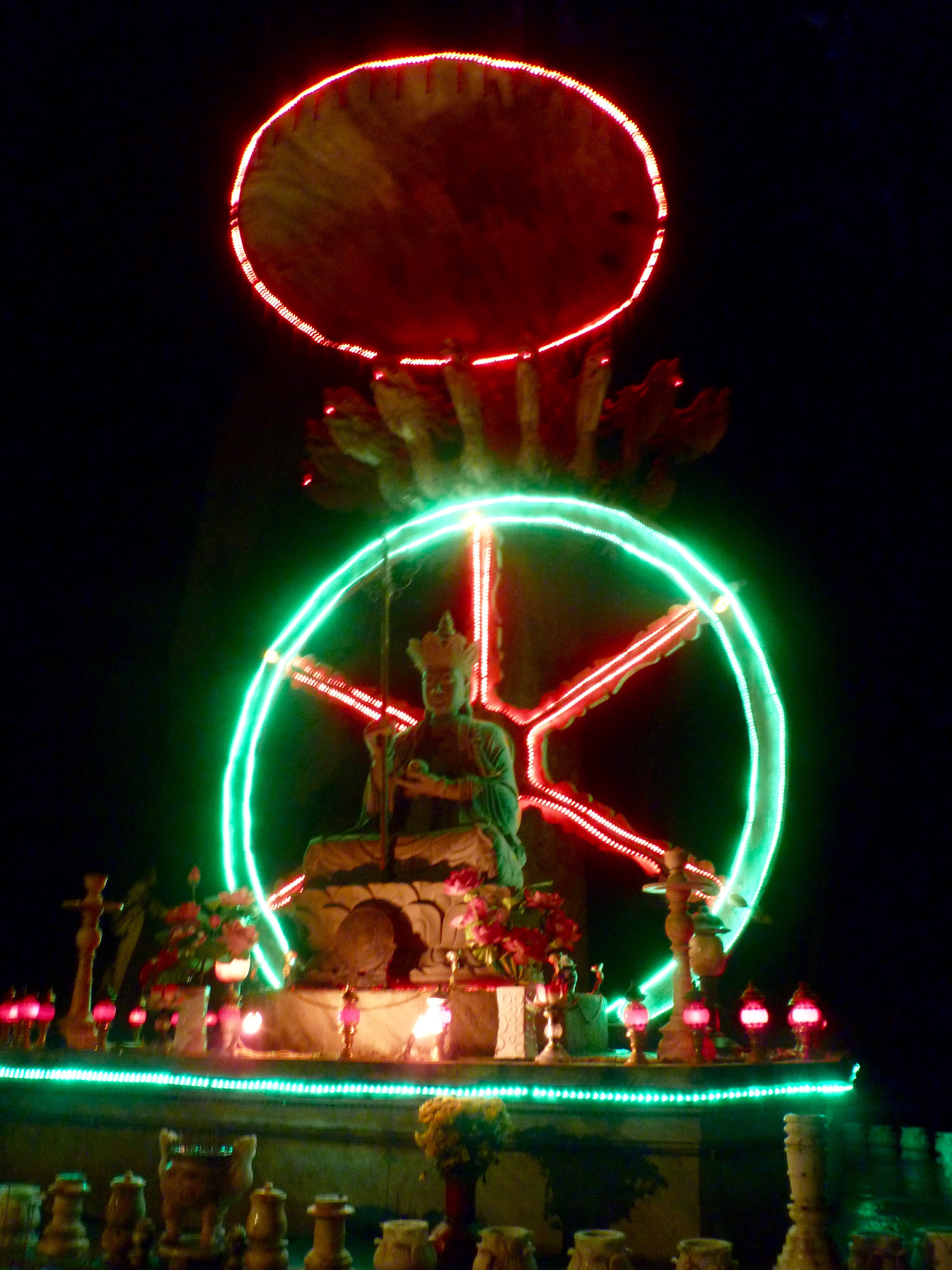
The next stop was the Marble Mountains near Danang. The guide pointed everyone on the bus towards the stairs and lift used to reach the top of Thuy Son (Water Mountain), which is the highest of the five mountains. As his pointing skills weren’t great, most of us ended up in a place called Am Phu or Hell Cave. The cave has two flights of stairs; one ascending to heaven an the other descending to hell. Not knowing what was in store when we ventured inside, it was quite a creepy place to find ourselves!

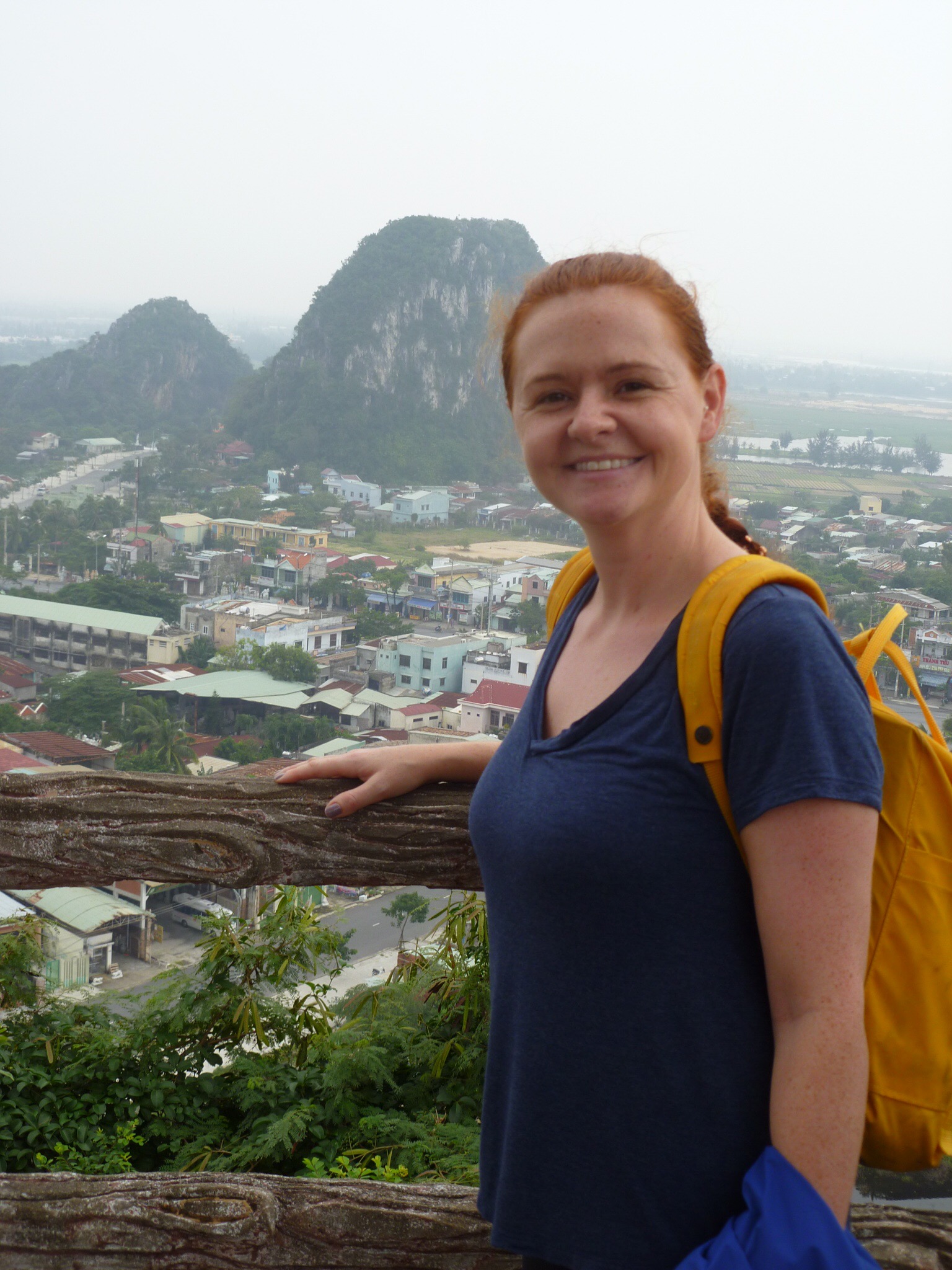
Having exited Hell Cave, we took the steps up to the top of Thuy Son. There are several pagodas and statues on the way up, and spectacular views from the top. We made our way back to the minibus and were driven to Hoi An.

G

Hué 

The scenery during the first hour of our journey included crazy evening traffic, close-ups of the interiors of shops and houses, plus a dog riding on the back of a motorbike. Taking the train already felt like a much better idea than travelling by bus or plane! Saturday night’s 20:10 from Hanoi to Hué felt much like being on a Russian train, except Vietnamese music played, the staff smiled and the carriages weren’t heated to an insufferable temperature.

After a very bumpy journey, which included an excellent beef noodle breakfast and less sleep than I had hoped for, our pre-booked driver met us at Hué train station and drove us to our hotel, where jasmine tea and fresh fruit awaited. After checking in and showering, we set off for a walk in the rain. We walked to the Perfume River, and crossed the bridge to Dong Ba Market. Outside, the market consisted mainly of food stalls, which I assume, based on the enormous quantities, supply local restaurants with meat and vegetables. Inside, there was a mix of spices, coffee, clothing and footwear. After a wander around the parks by the river and a look at the outside of the Imperial Citadel, we ate near the hotel, then headed back to Skype our families.

Monday started with breakfast in the hotel, before we joined the Hué City Tour (www.huecitytour.com). Had the weather not been so awful, we probably would have walked and cycled to several of the sites on the itinerary. Had we done that, we would have missed out on a very good tour.


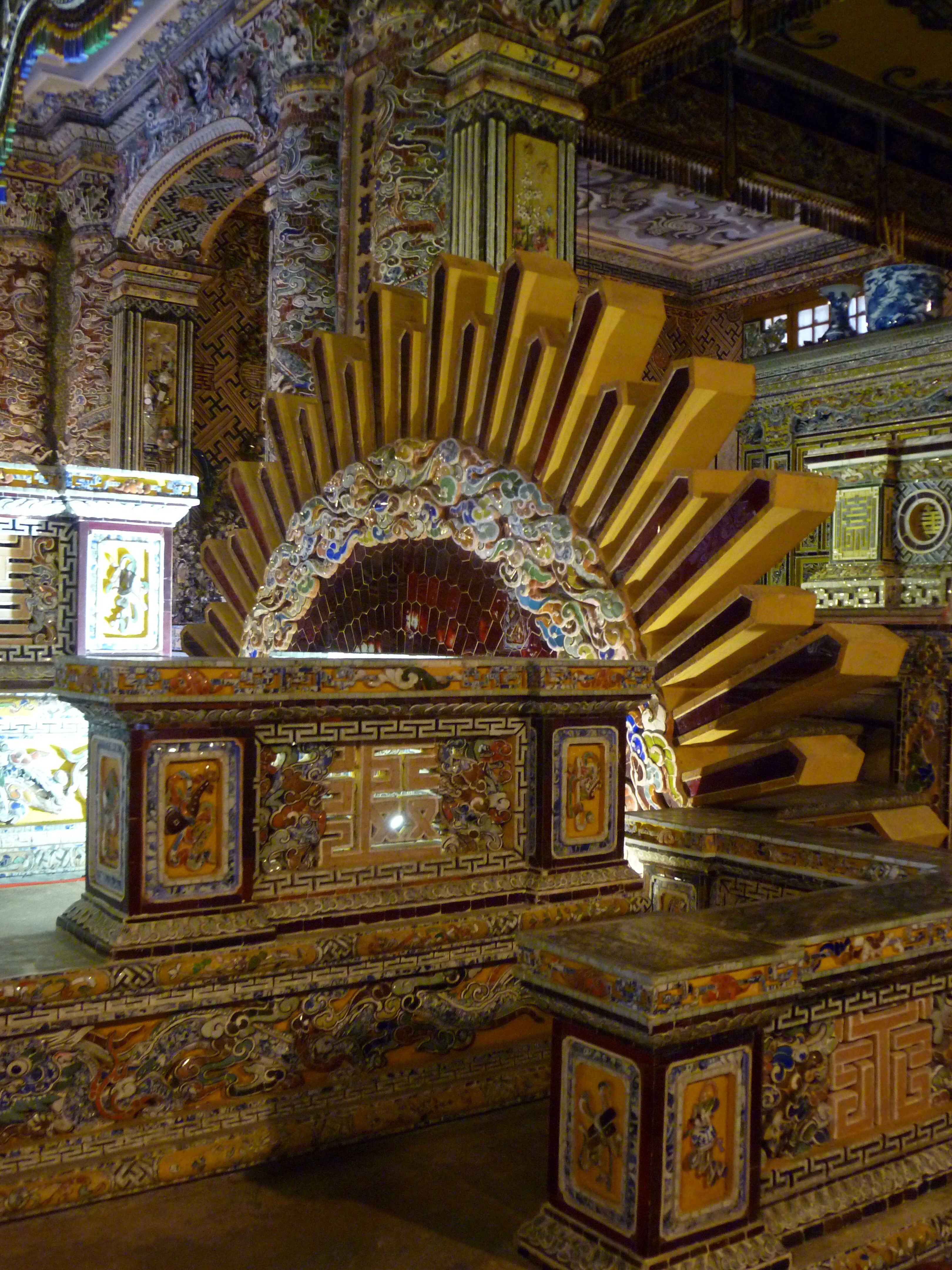
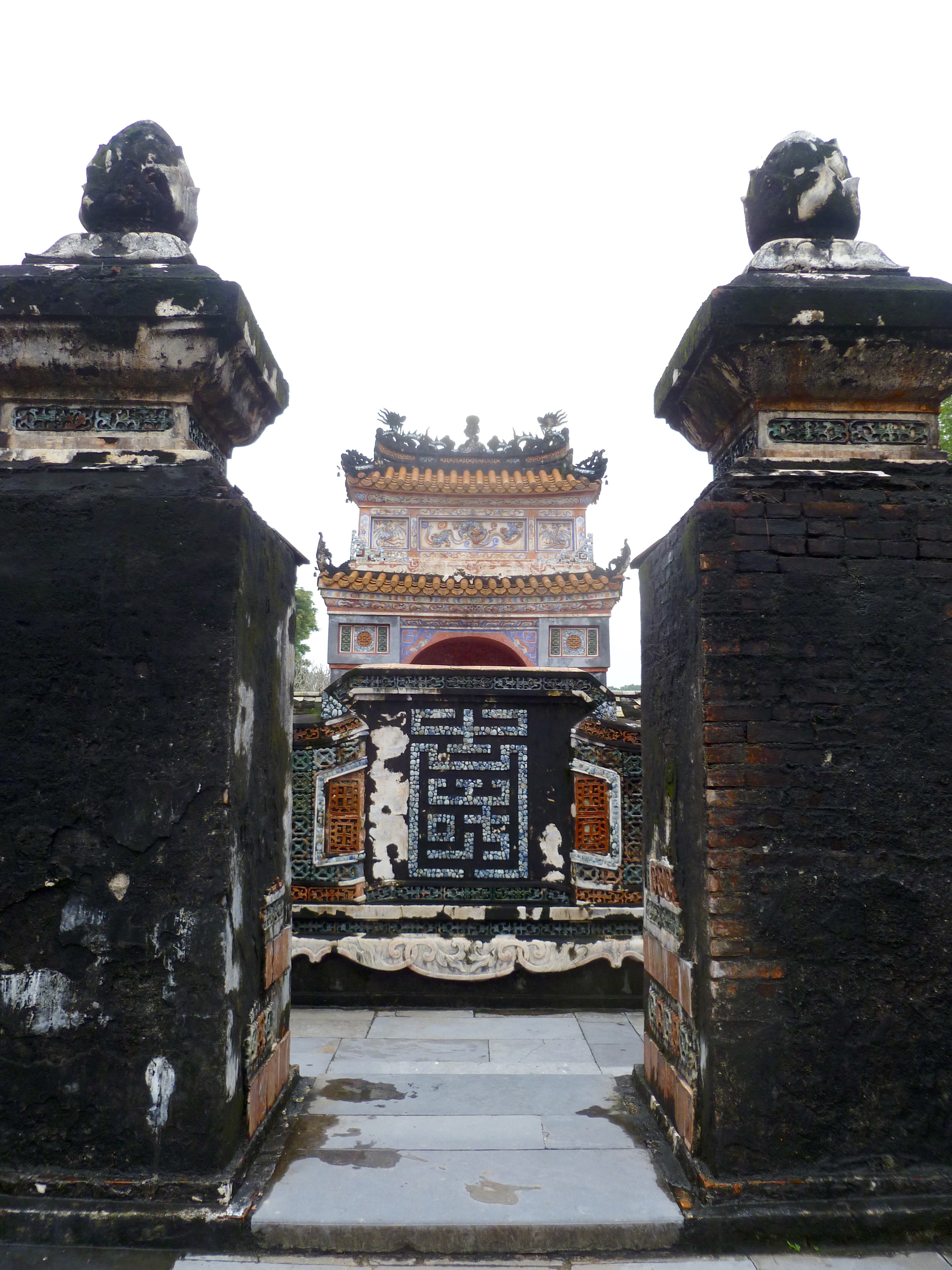
The tour started with trips to the tomb of Emperor Minh Mang’s tomb and Emperor Khai Dinh’s tomb. Both sites were fascinating , and the tour guide provided excellent explanations of the life of each emperor. Next up was a trip to a Kung Fu show, which was impressive, yet a little disturbing. A trip to a village where the local people made conical hats and incense sticks didn’t add much to the tour, but at least I now know how an incense stick is made. Our final stop before lunch was at Emperor Tu Duc’s tomb. Of all of the sites we visited, I found this one the most impressive. Emperor Tu Duc spent quite some time living at the site before his death, meaning that the site had to be large enough to house his family, servants and concubines.

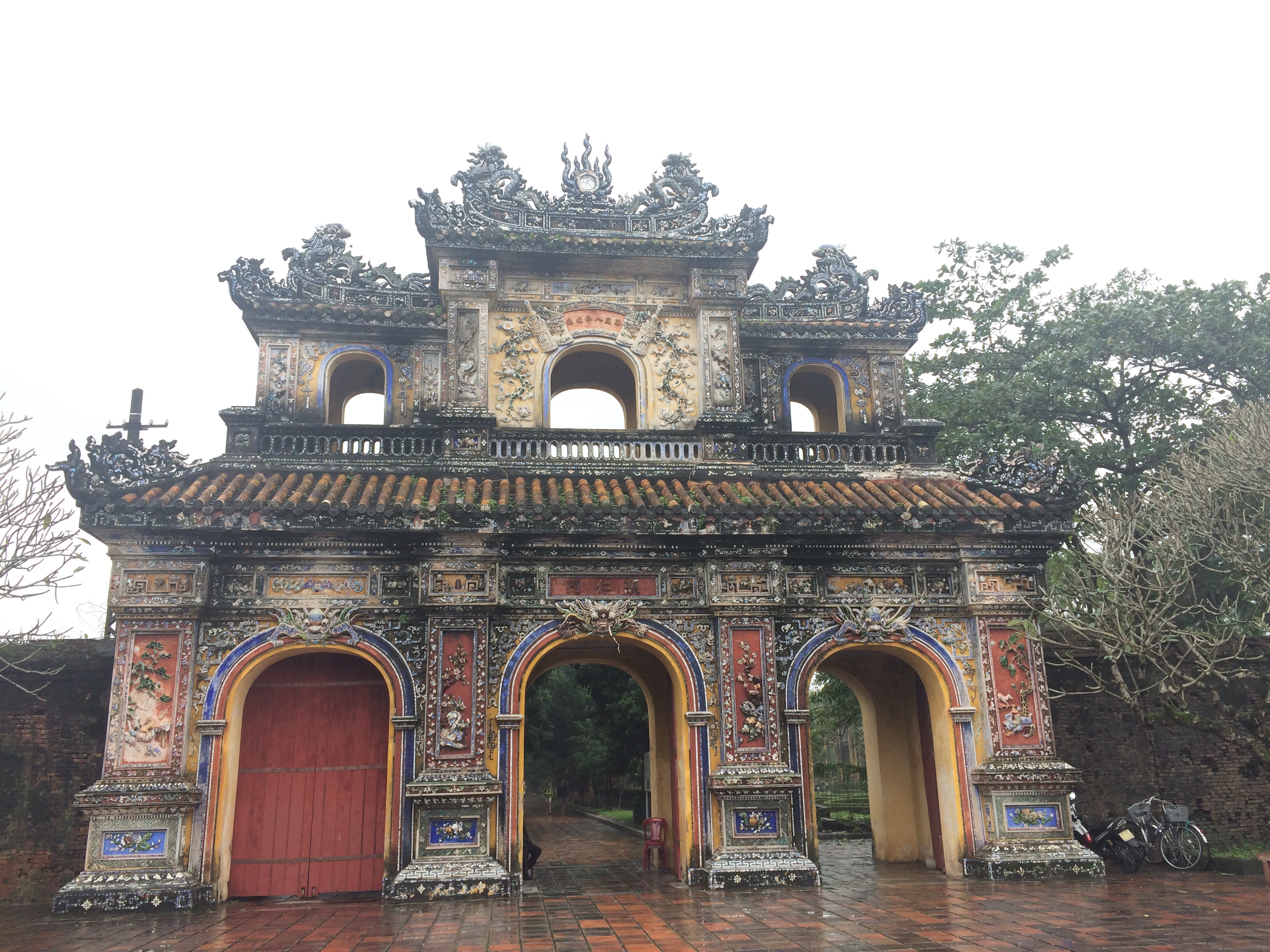
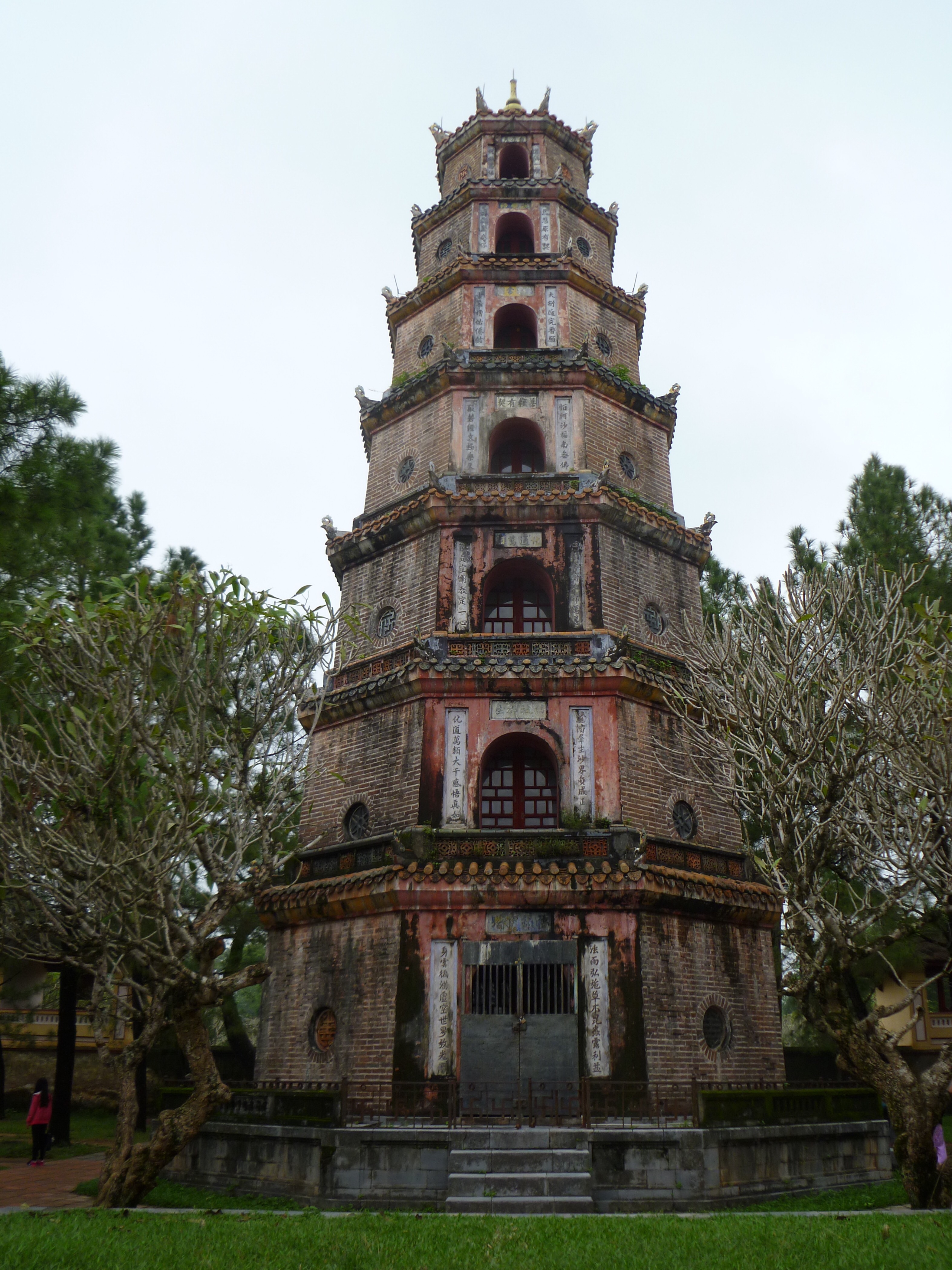
After lunch at the Hué City Tours building, we were taken to the Imperial Citadel. From the outside, it looks extremely impressive. Sadly, many of the buildings inside were destroyed during the French and American Wars. The buildings that remain are wonderful, and work is ongoing to rebuild the Citadel, but it’s hard to believe that the magnificence of this walled fortress will ever be restored. After the Citadel, we visited Thien Mu Pagoda, the oldest pagoda in Hué. It’s a very nice structure, but after seeing so much in one day, I don’t think anyone on the tour was paying it their full attention. A short boat ride along the Perfume River, back into town, was a pleasant end to an excellent day.

G