I was worried as we arrived in Phnom Penh, as Duc our tour guide on the Mekong had told us not to bother staying even one night. But I figured that we should have an open mind and see what the place has to offer.
I think Duc was right. You don’t need to stay a night. The things worth seeing, you can see in half a day and then hop on a bus out of there. I felt uneasy walking about, which I haven’t felt anywhere else in Asia. There is a high possibility of having something nicked and the seedy bars with old men eyeing up younger girls left me with a nauseated feeling. We have rarely written negatively about a city on this blog, but I feel this one is warranted.
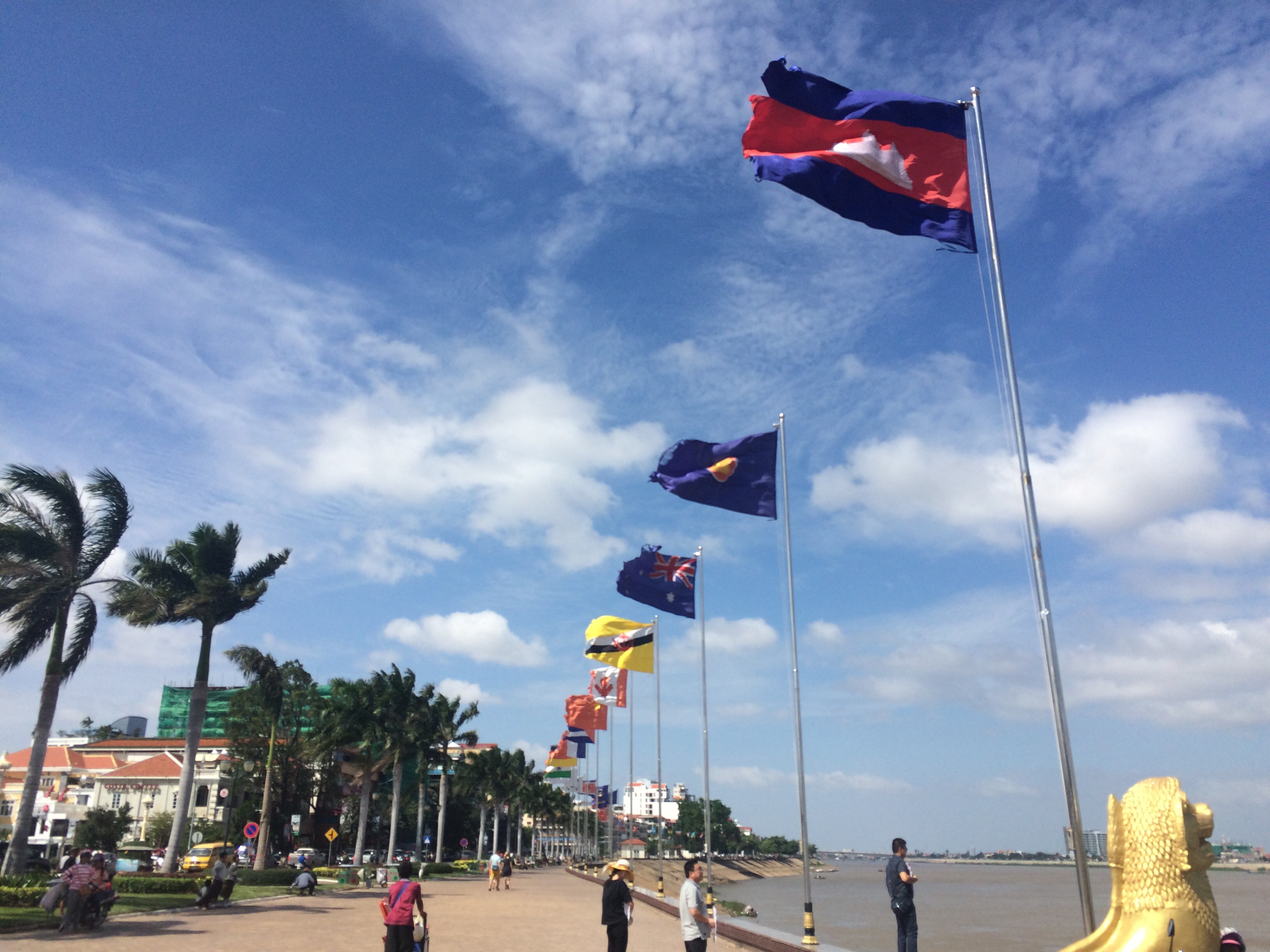
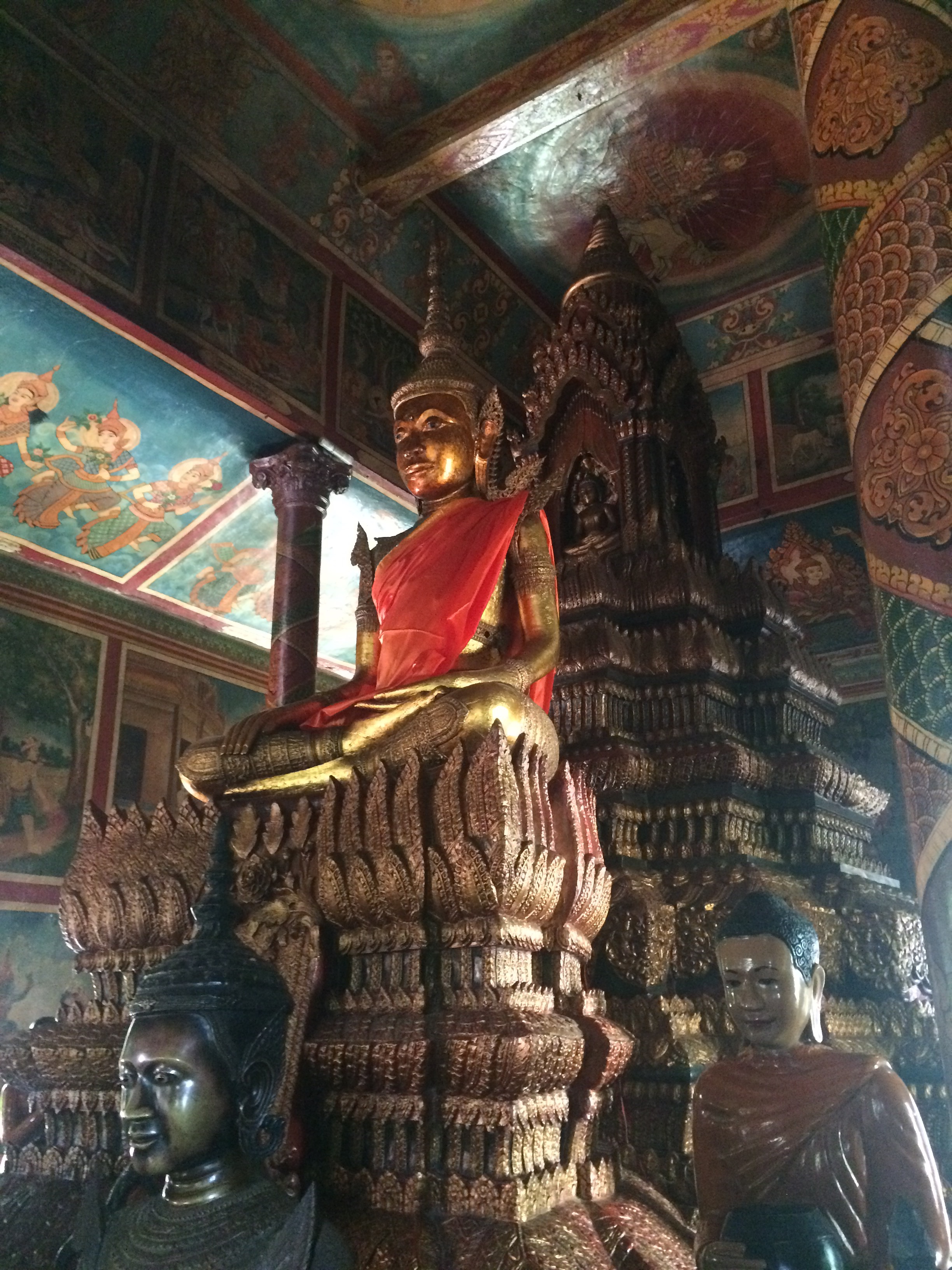
Luckily, our hotel was beautiful, with friendly staff who helped us out when we had a problem with our bus when we left. The problem being that I didn’t read the pick up time properly 😀 We visited the Wat Phnom on the first day, a Buddhist temple which is the tallest religious structure in Phnom Penh.
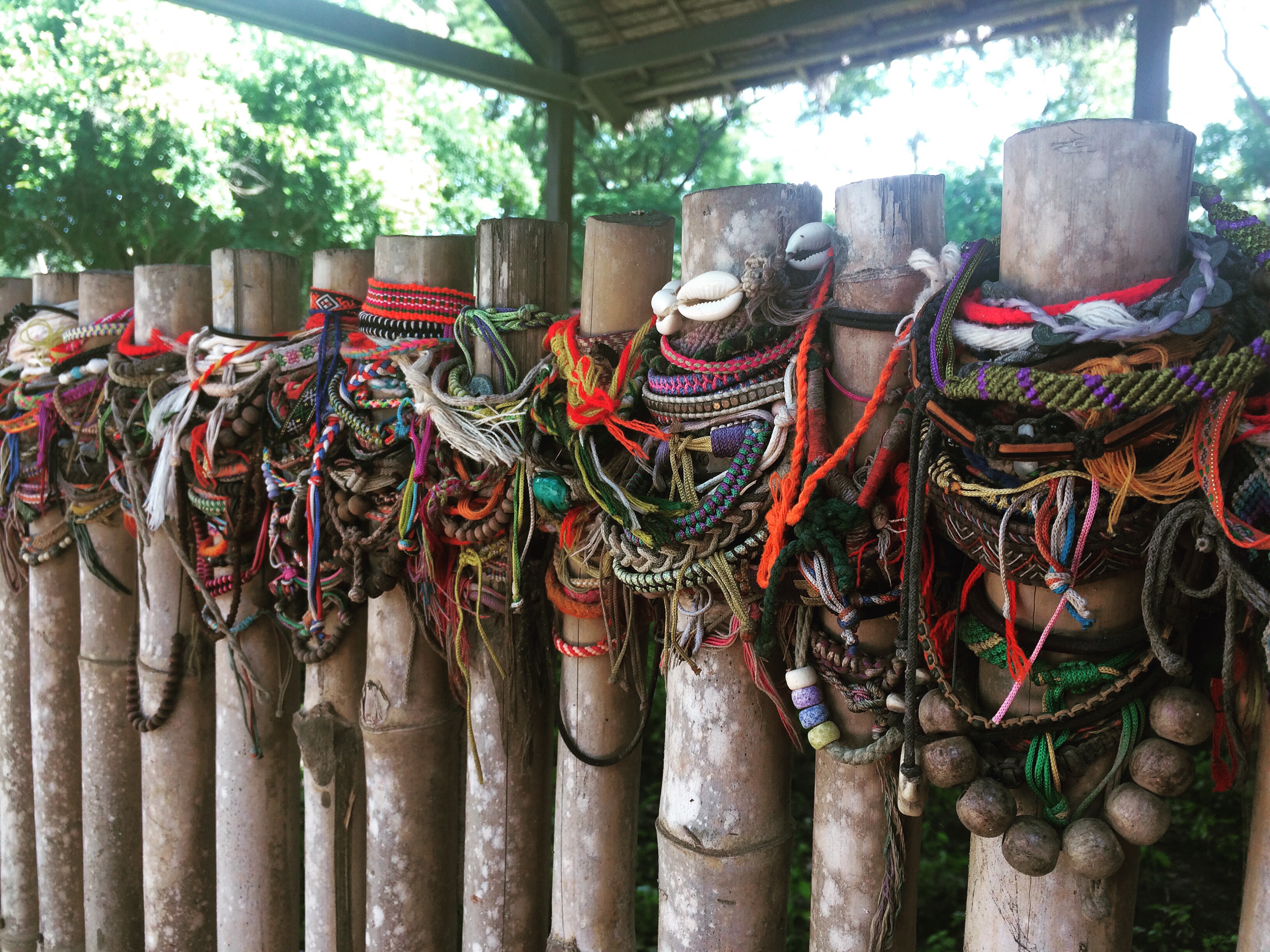
We were both keen to learn more about the history of Cambodia and our tuk tuk driver from the hotel took us on a half day trip to the Choeung Ek Genocidal Centre (the Killing Fields) and Tuol Sleng Museum (S-21 prison). The tours of both include a very comprehensive audio guide which have a very good description of the Khmer Rouge regime led by Pol Pot from 1975-1979. He killed, tortured and starved those he considered a threat, including teachers, academics, doctors, scientists and anyone with a connection to the previous government. It is estimated that up to 3 million people died, through either mass killings or starvation. The mass graves at this particular Killing Fields include women and children and in rainy season, more and more bones and clothes appear through the ground. There are over 20,000 mass graves throughout Cambodia.
The S-21 museum was even more shocking than the Killing Fields, which I didn’t believe possible. It had been a school prior to the regime and was transformed into a prison where they viciously tortured those they believed to be a threat to the regime. Walking through the rooms with the photographs of victims is a horrifying reminder that this didn’t happen all that long ago.
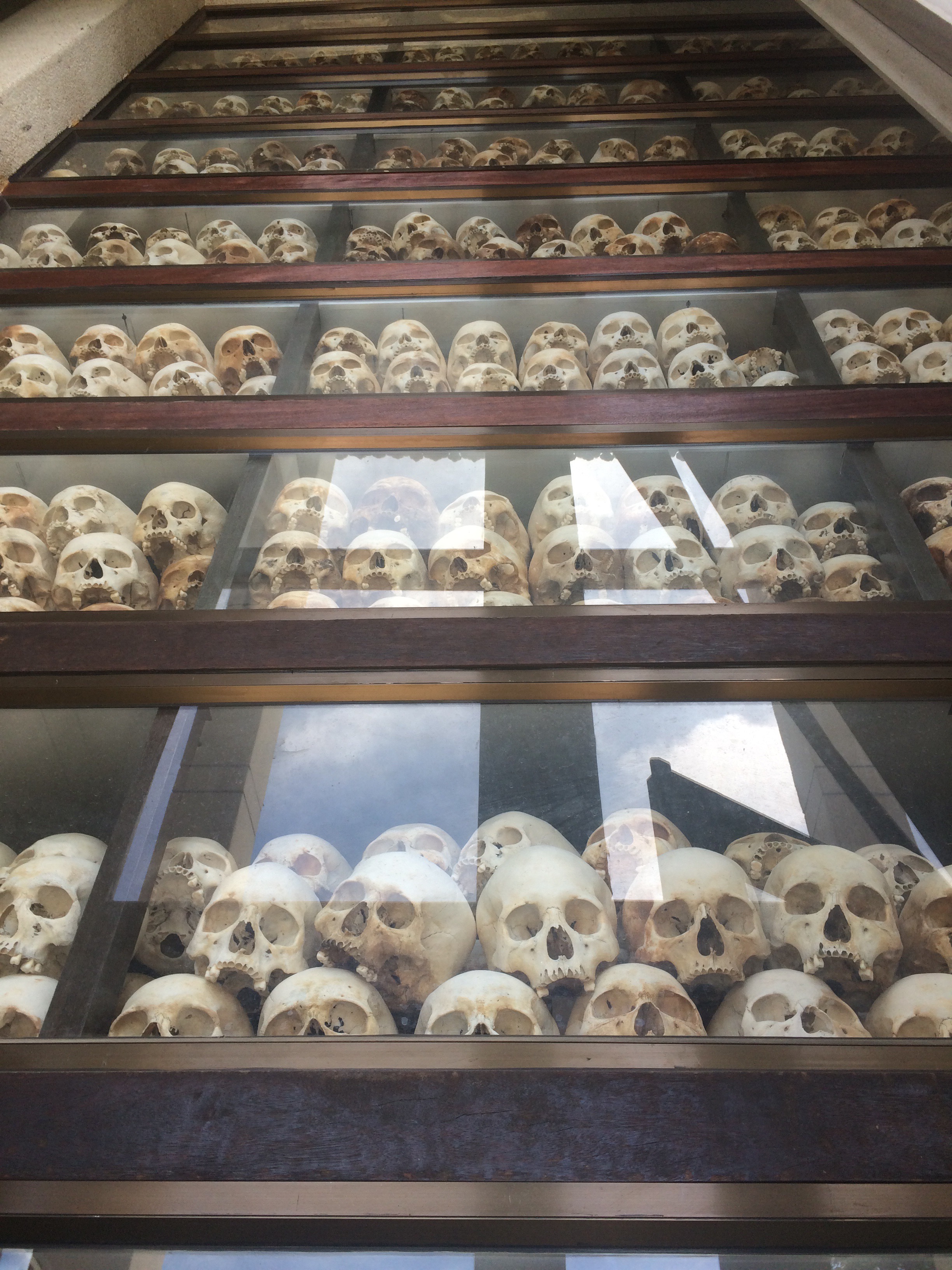
Pol Pot denied responsibility for the mass genocide up until his death and it was only in 2001 that a trial began to hold Khmer Rouge leaders responsible for their acts, a slow process that has only led to life sentences for 3 Khmer Rouge leaders. I know it’s not the cheeriest of blog posts, apologies!
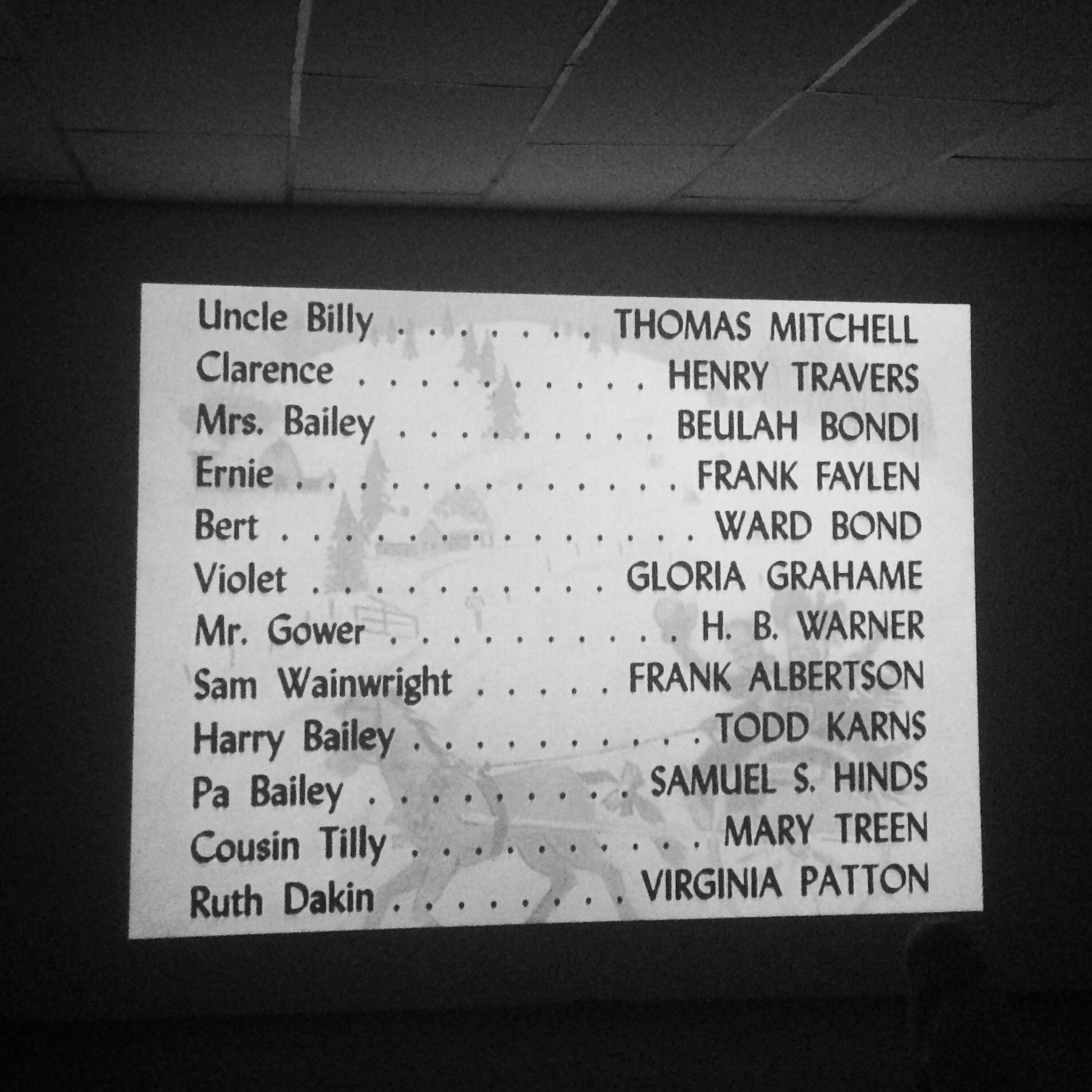
Christmas was nearly upon us, so we found a cinema showing ‘Its A Wonderful Life’ to bring on the Christmas cheer. We were heading to Sihanoukville and Koh Rong Samloem for Christmas, so we said goodbye to Phnom Penh, perhaps with a sigh of relief!
-F xx
 Travel in Trainers