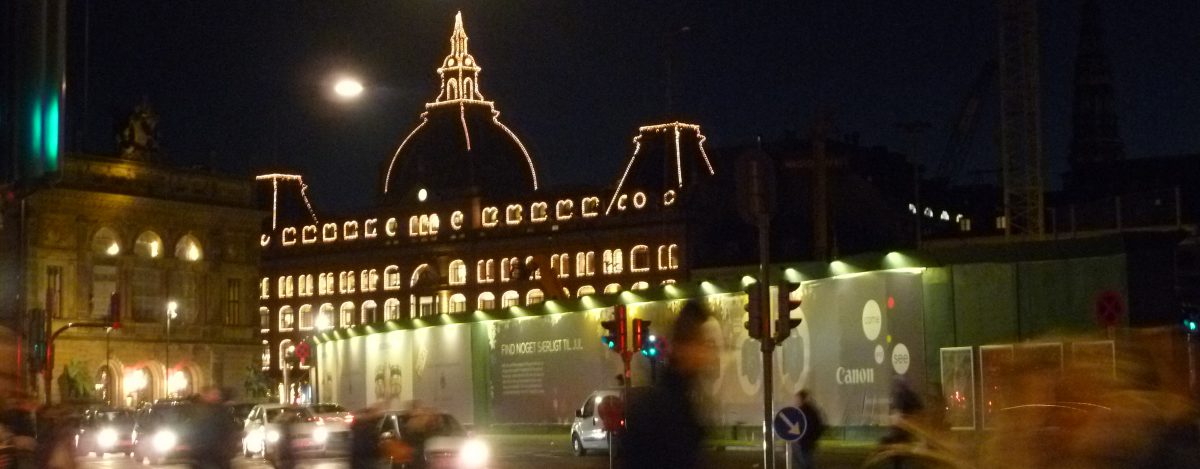
Tuesday began far too early. We checked out of the hostel in a Busan and made our way to the International Passenger Ferry Terminal. We were slightly surprised to find that our ferry was for foot passengers only, and rather small. Both of us spent the journey to Japan fast asleep. Following a quick bag check at customs, we attempted to withdraw some cash to pay for the bus ride into the city. As neither the ATM or currency exchange accepted foreign cards, our only option was to walk in the rain. Waterproof gear on, we headed towards Hakata Station. Neither of us mind a bit of rain, and walking is always a good orientation exercise.
While looking for lunch in Amu Plaza, located above Hakata Station, we noticed several fire engines on one of the streets outside, and a number of people taking photographs. We later spotted helicopters flying overhead, and police preventing vehicles and pedestrians from entering one of the city’s central streets. We checked into our hostel and thought little more of the incident in the city centre.
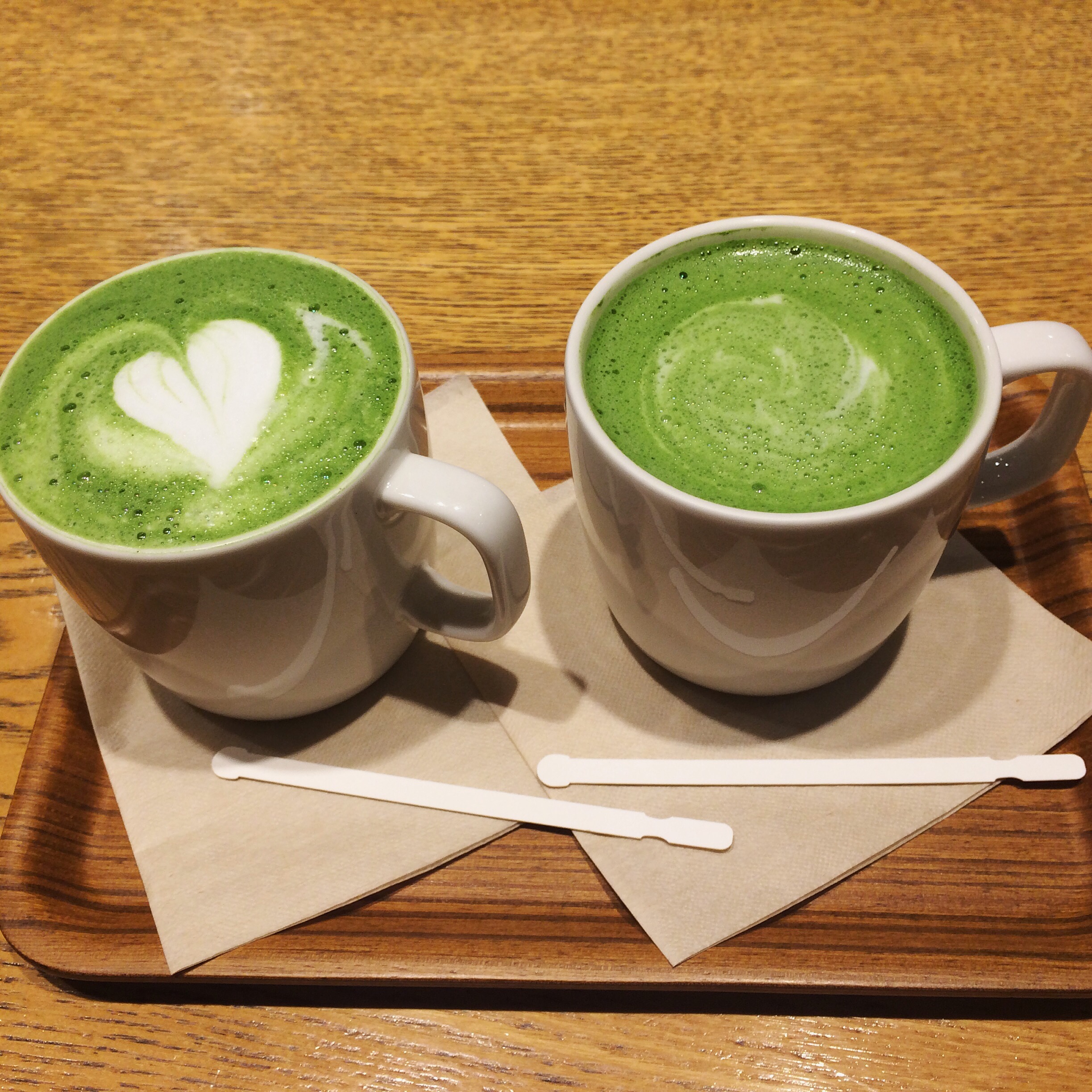
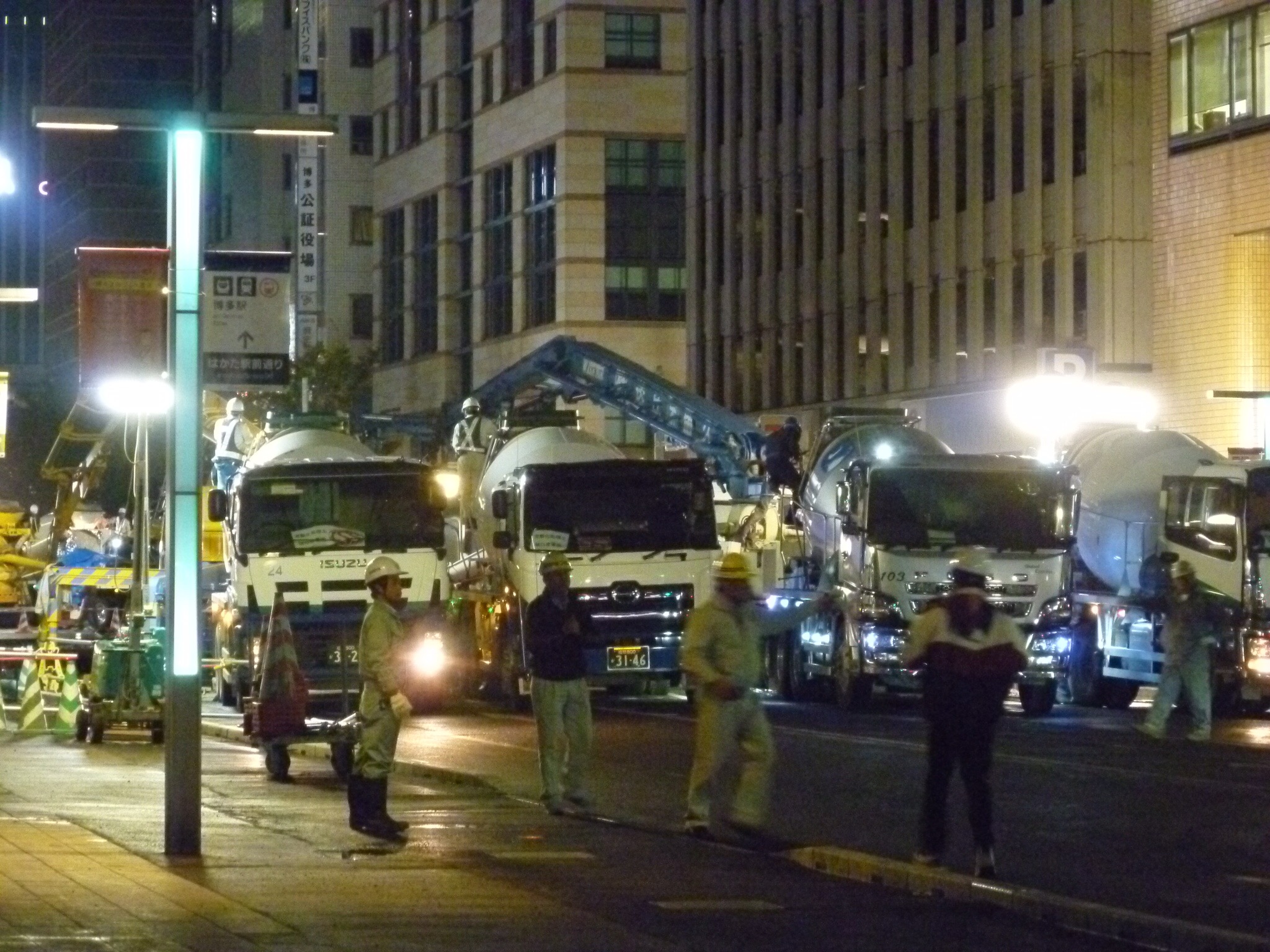 As the weather wasn’t great, we walked to an enormous shopping complex called Canal City. Having browsed a few shops, we stopped for a green tea latte in MUJI Cafe. With the helicopters still over the city, I Googled “Fukuoka news” and found that a sinkhole had swallowed part of a road a few hours prior to our arrival. (bbc.com/news/world-asia-37906065). After Canal City, we walked to Tenjin, an area containing a mixture of modern shops and traditional street stalls. We passed by the sinkhole again on our way back to the hostel, but the many work vehicles prevented a good view.
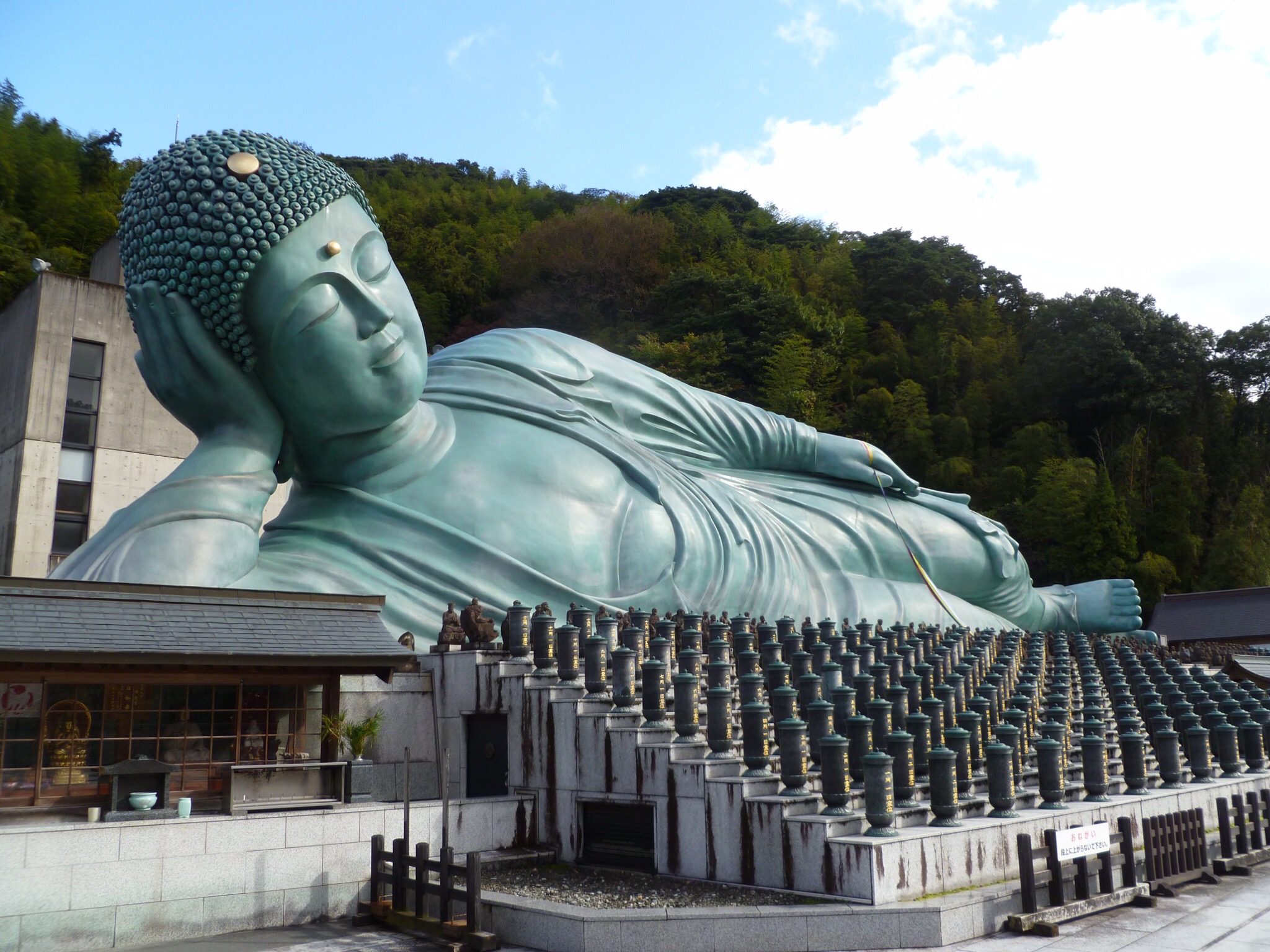
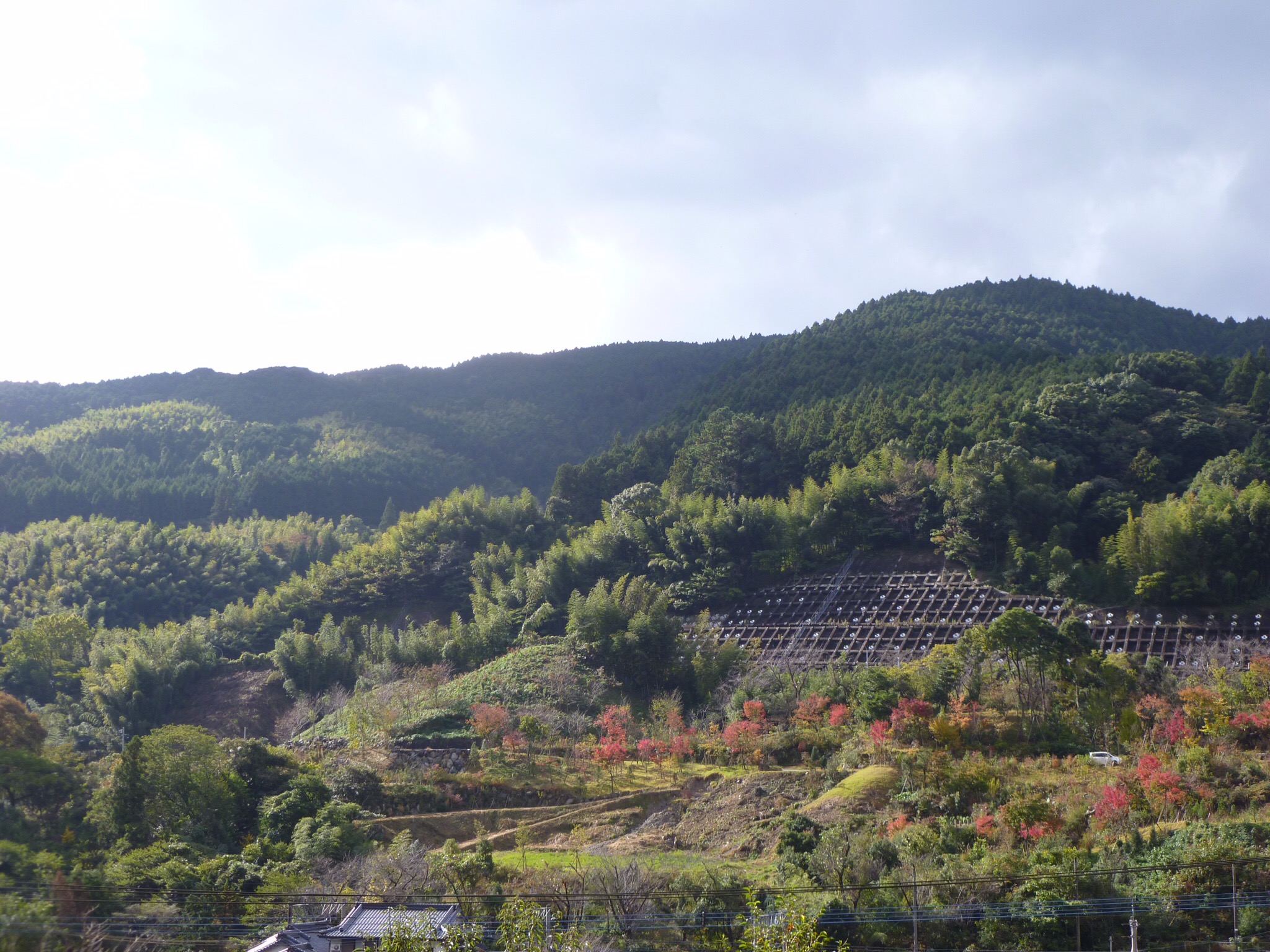
The weather was much better on Wednesday. Our first act was to take the train to Kido Nanzoinmae, in search of one of the world’s largest Reclining Buddha statues, located at Nanzoin Temple. Even without the giant Buddha, the temple would be well worth visiting. There are many shrines, statues and decorations, and the views of the surrounding hillsides are impressive. We left the giant Buddha until the end of our visit, and we were certainly not disappointed. It really is enormous! After viewing the statue from every possible angle, we walked back to Kido Nanzoinmae.
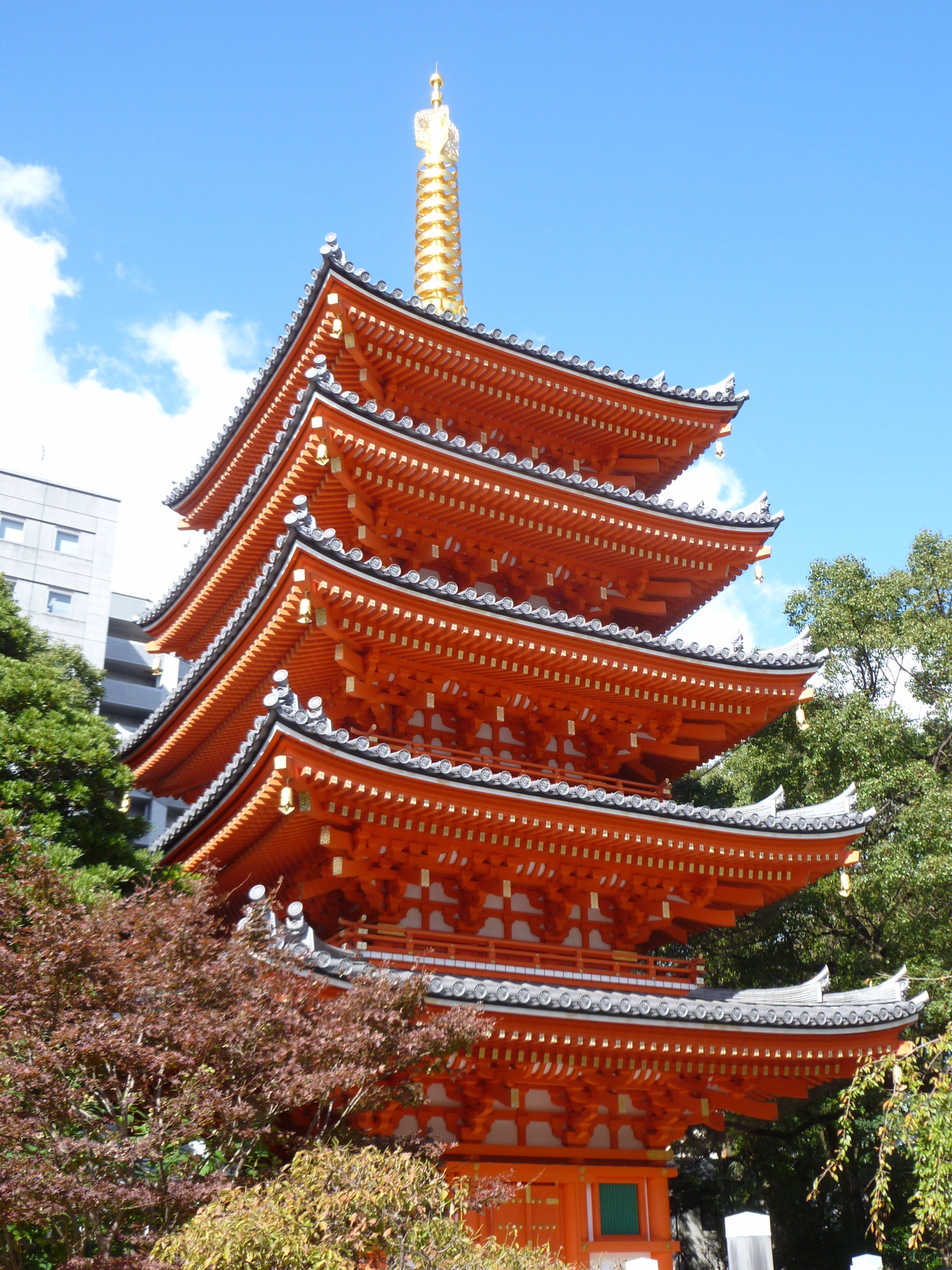
Having returned to Hakata Station, we walked to Gion, an area containing several shrines and temples. Kushida Shrine contains several buildings decorated in many colours. Several children in traditional Japanese costume were there, celebrating Shichi-Go-San or 7-5-3; a traditional rite of passage for boys and girls of those ages to celebrate the health and growth of young children (Wikipedia). Across the road, Tochoji temple included a five tiered tower, resplendent in bright orange. The main reason for tourists to visit this temple is to see Japan’s largest wooden seated Buddha (Wikipedia). Having looked up at the Buddha for a while, we were intrigued by a group being guided through a door underneath the Buddha. Feeling left out, we decided to follow. Inside was a passageway, decorated with several paintings depicting what appeared to be Gods and Demons. After that, we entered a lightless passageway, where the only way to navigate was by using the handrail. I don’t know the significance of the darkness, but I do know that it was a very eerie experience.
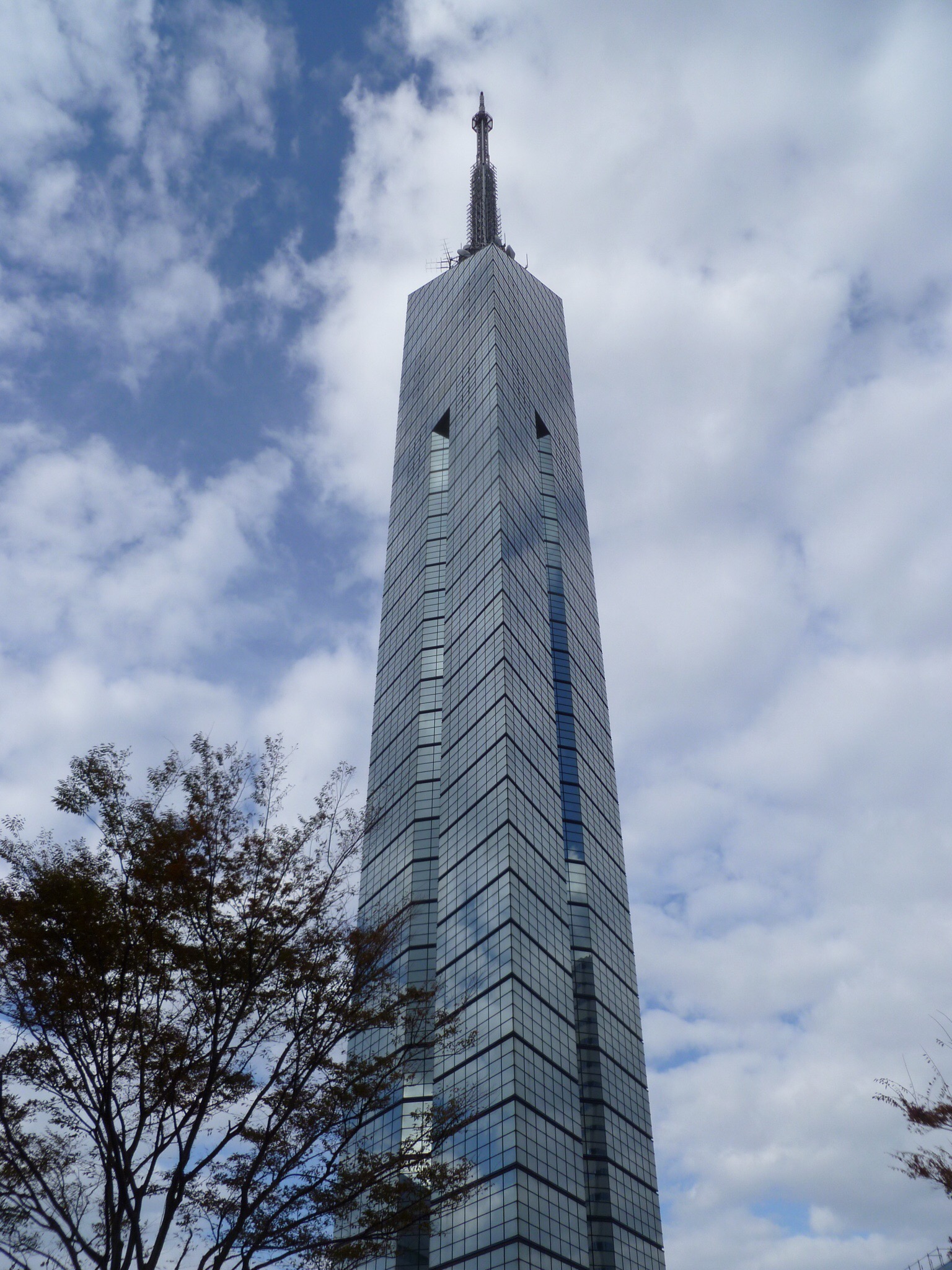 A trip to Fukuoka Tower followed for great views out to sea and across the city. Once down from the tower, we walked to Ohori park, where runners ran laps of a lake and we walked across to the central island, watching the sun go down. Tired from our sightseeing, we returned to the hostel, and packed for our trip to Hiroshima.
G
 Travel in Trainers
That’s a very big Buddha.
Not sure i could have drank that tea, it looked like pond water!
LikeLike